15 Garden Wood Fence Ideas for Privacy, Style, and Beauty
15 Garden Wood Fence Ideas for Privacy, Style, and Beauty
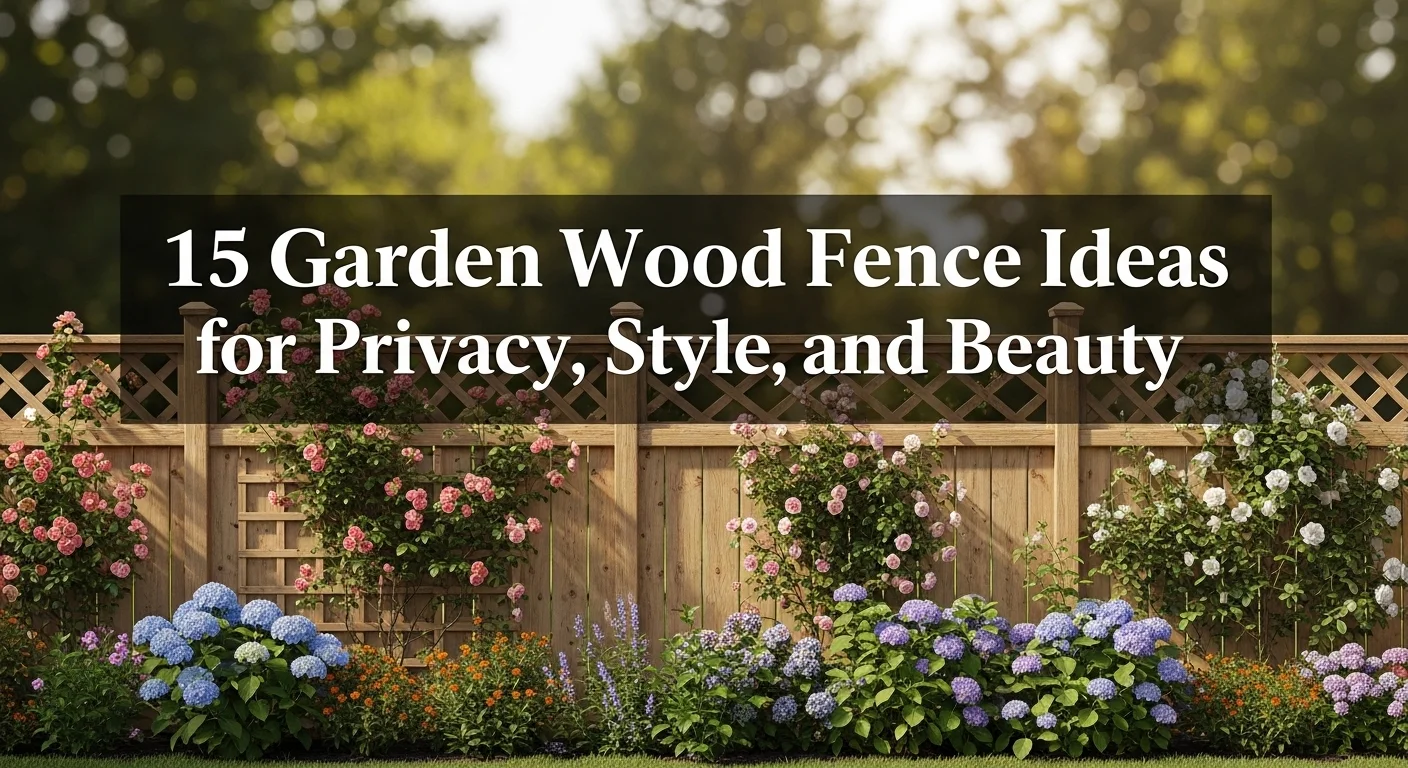
A wooden fence marks the boundary. It shapes how your garden feels. It can block out noise, give you space to relax, and add a distinct sense of order. Over the years, I have seen many fences fail not because of cost, but because of poor planning. A good fence fits the land, the house, and the way you use your outdoor space.
This guide shares ideas that work in real gardens. Each focuses on comfort, long-term use, and simple elegance. When done right, a wooden fence becomes part of the garden, not just something around it.
Vertical Slat Fence for Clean Privacy
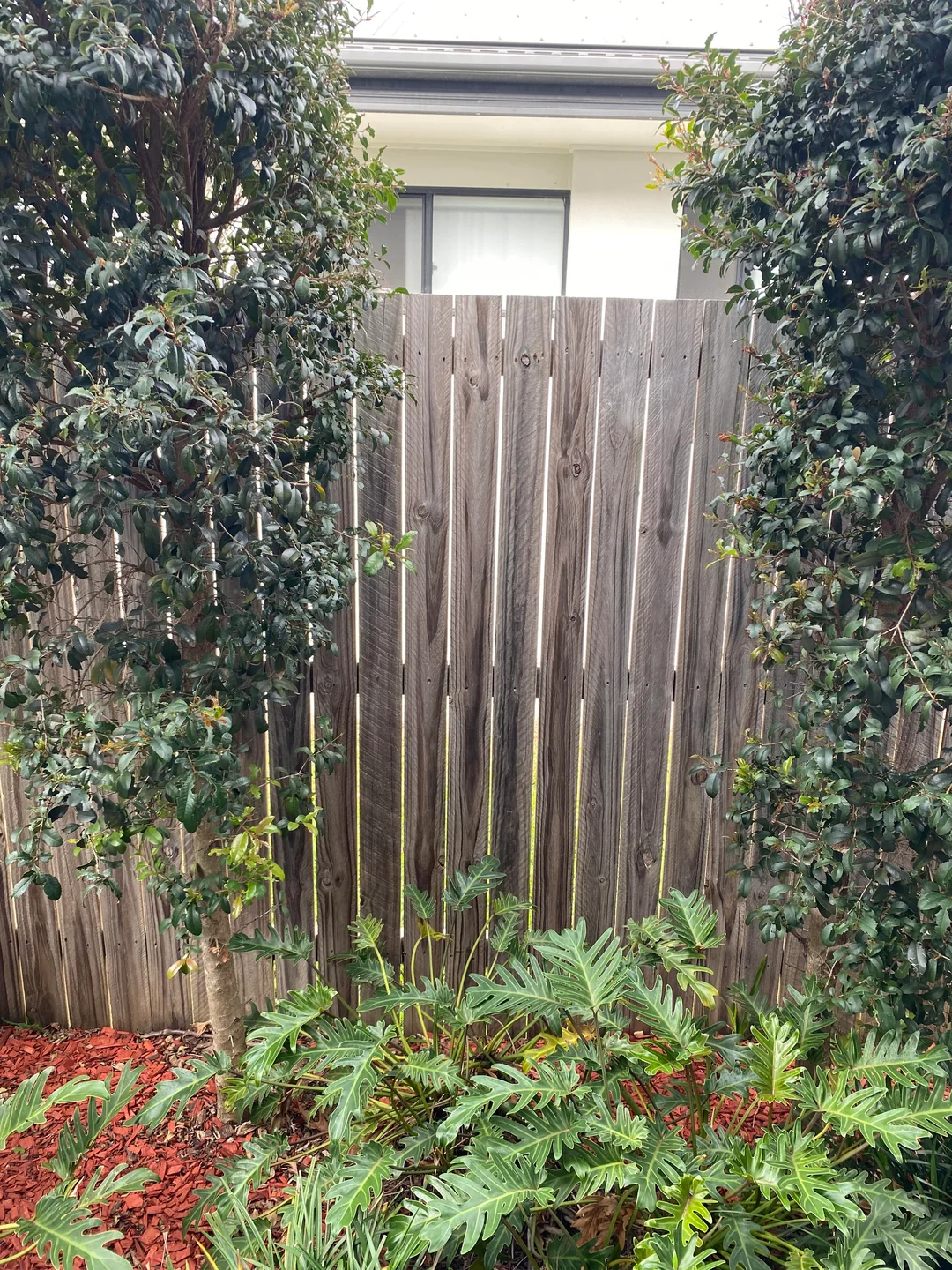
A vertical slat fence is one of the most reliable ways to achieve privacy without making the space feel closed off. The boards run straight up, which draws the eye up and makes the garden feel taller.
Distance is important here. If the slats are too narrow, the fence can feel heavy. A small gap between the boards lets in light and air while blocking outside views.
This design works well in both small and large gardens. It keeps things simple and clean, helping other elements like plants and seating to stand out.
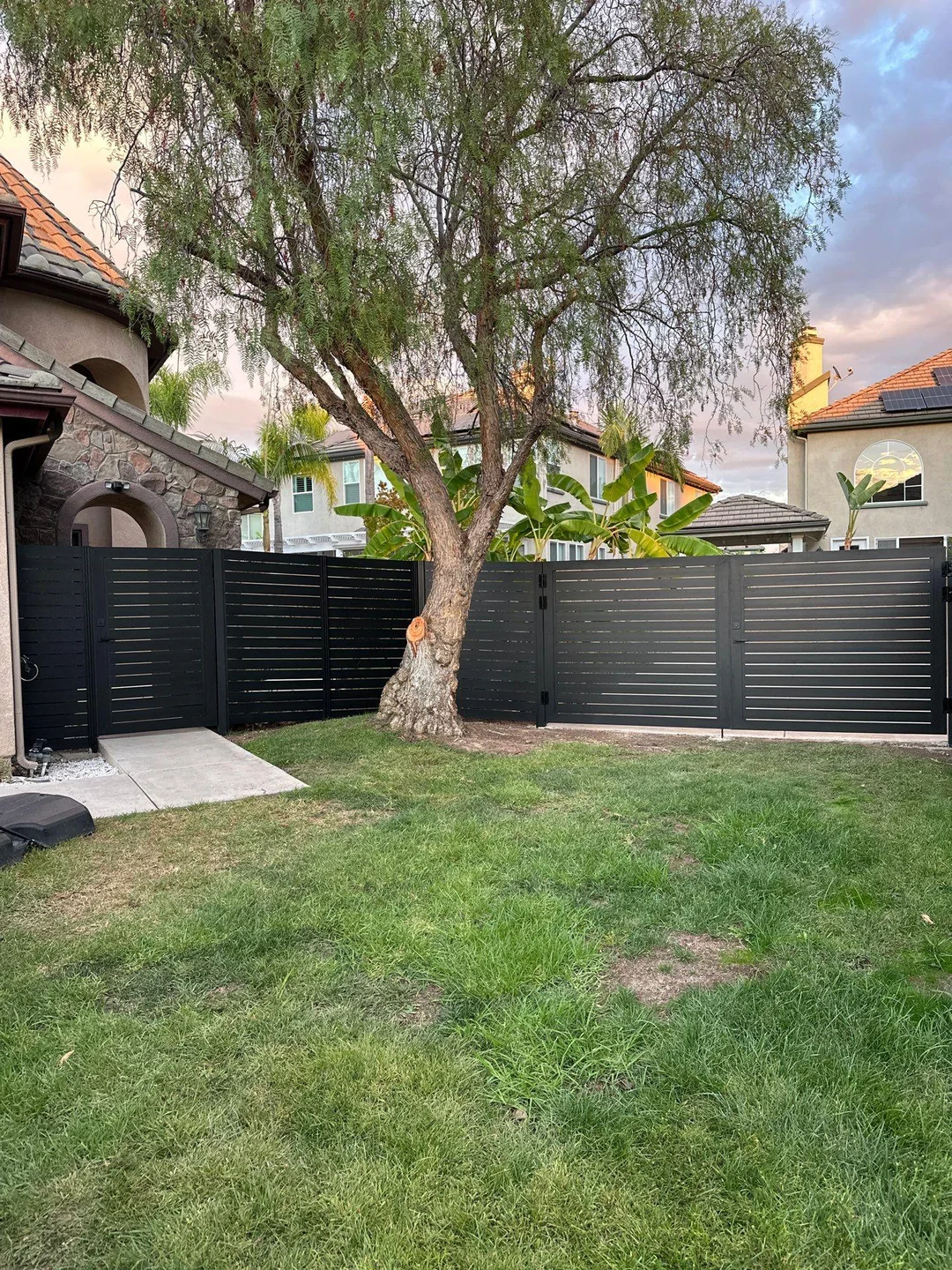
Horizontal Wood Fence for Modern Balance
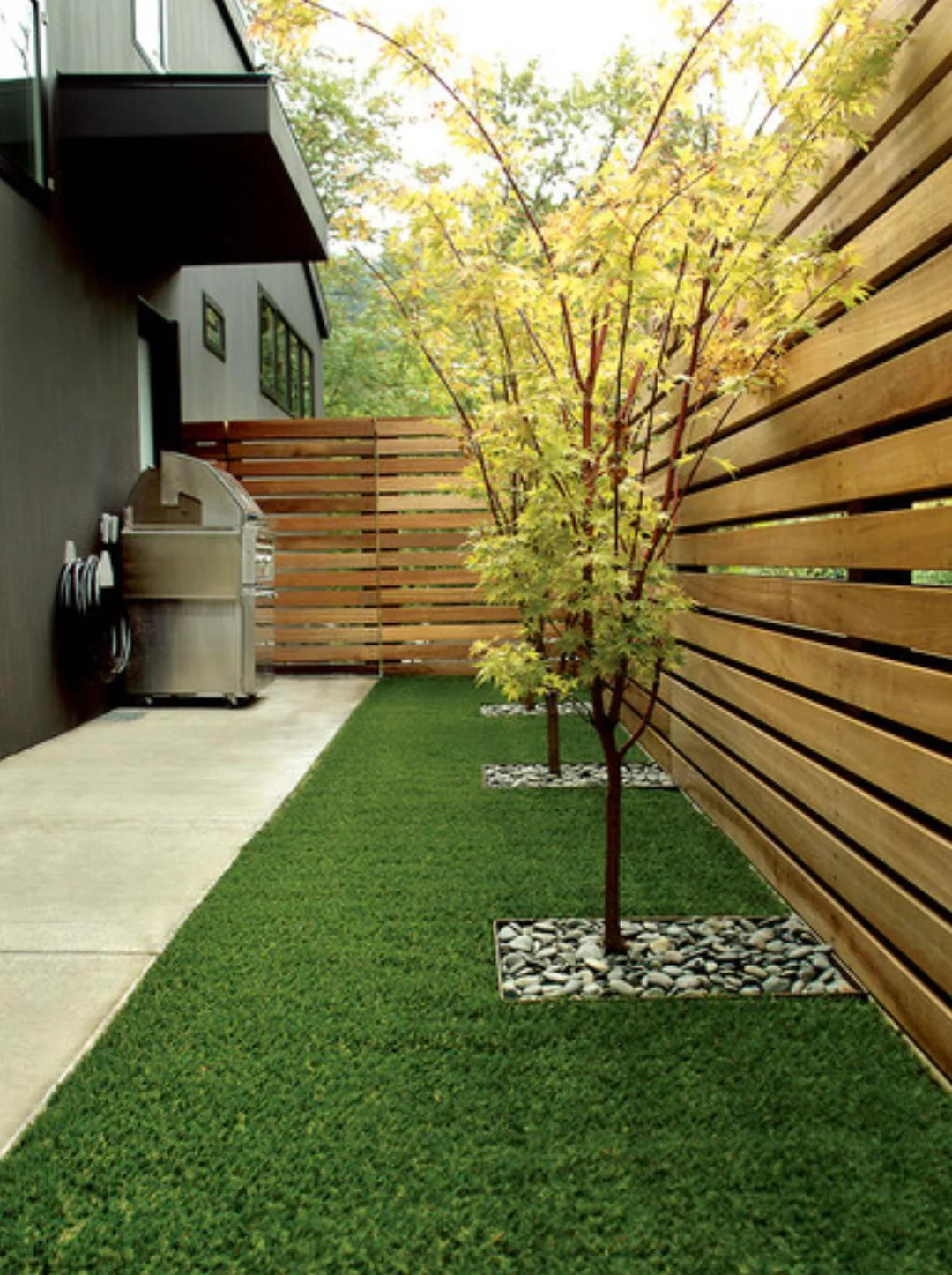
A horizontal fence changes the direction of the space. Instead of drawing the eye up, it spreads it across the garden. It can make a narrow yard feel wider.
The boards are placed side by side, often with a gap. This creates a stable pattern that feels calm and organized.
This style pairs well with simple landscaping. Keep plants low and orderly so that the fence remains the central line that guides the space.
Board-on-Board Fence for Full Coverage
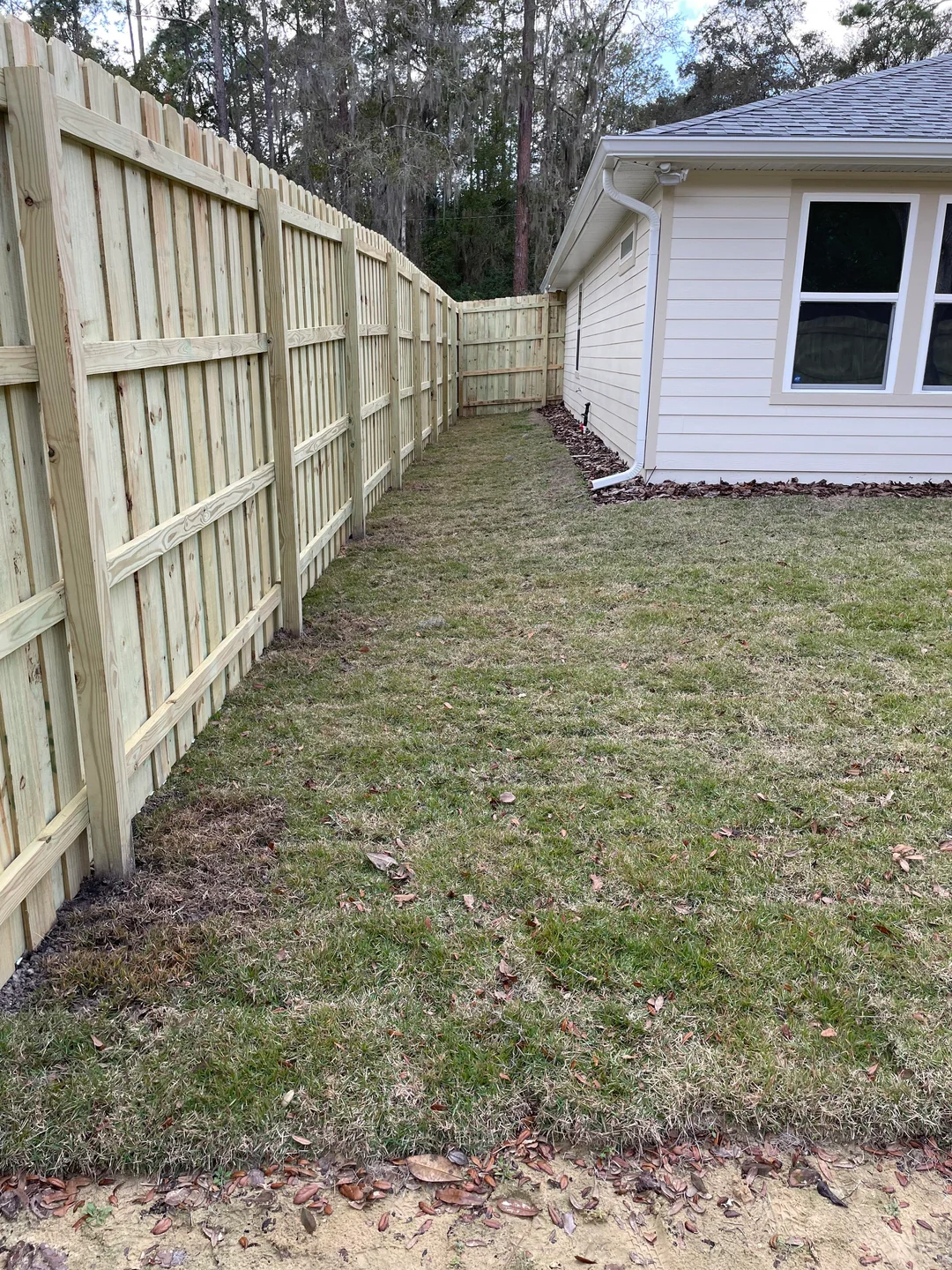
When privacy is the primary goal, a board fence works well. The boards overlap, so there are no direct gaps.
This design blocks views from all angles, even when viewed from the side. It also helps reduce airflow, which can make the garden more comfortable.
Although it uses more wood, it lasts longer in many cases because the structure is stronger. It’s a good choice for busy areas or neighboring homes.
Lattice Top Fence for Light and Air
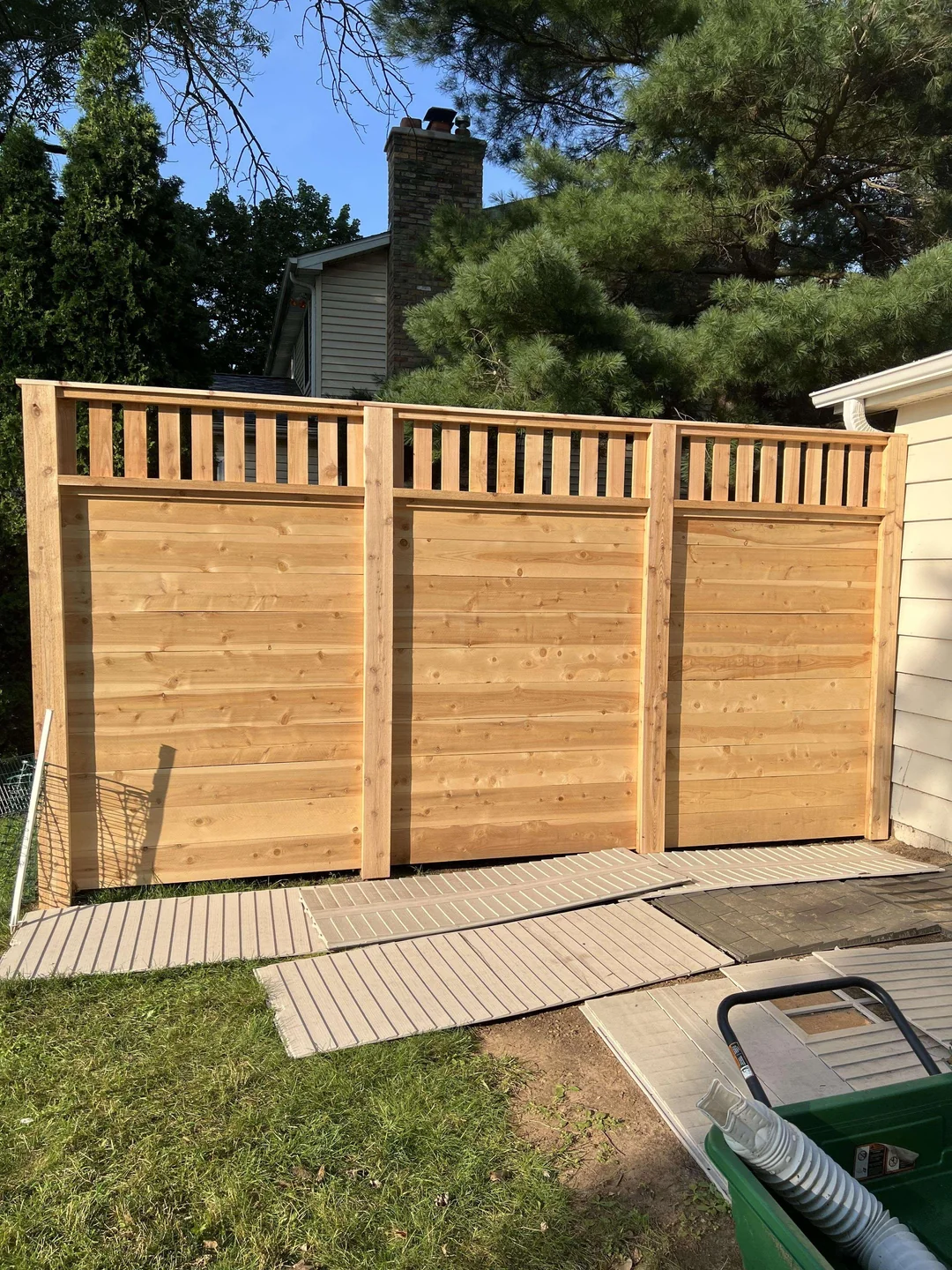
A lattice top fence combines solid wood at the base with an open pattern above. It gives you privacy at eye level while letting light through.
The upper part softens the shape of the fence. It feels less like a wall and more like a part of the garden.
Climbing plants can grow through trellis over time. This adds a natural layer that changes with the seasons and brings life to the structure.
Shadow Box Fence for Shared Spaces
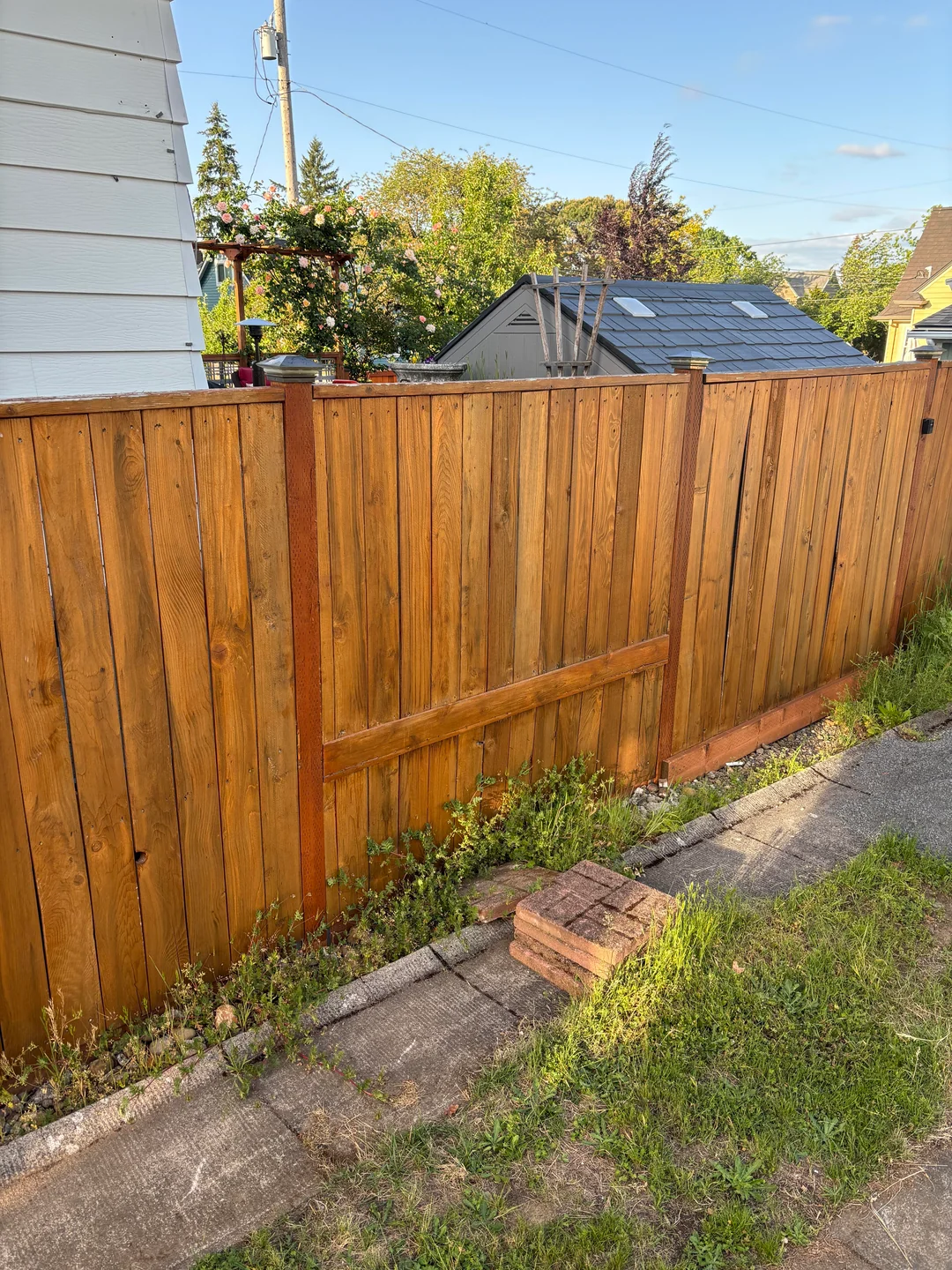
A shadow box fence looks good from both sides. The boards are placed on alternate sides of the frame, creating a balanced look.
This is useful when the fence is shared with a neighbor. Both sides achieve the same clean finish.
It also allows some air to pass through, which helps in windy areas. The pattern creates a soft shadow effect that adds depth without requiring extra detail.
Rustic Split Rail Fence for Open Gardens
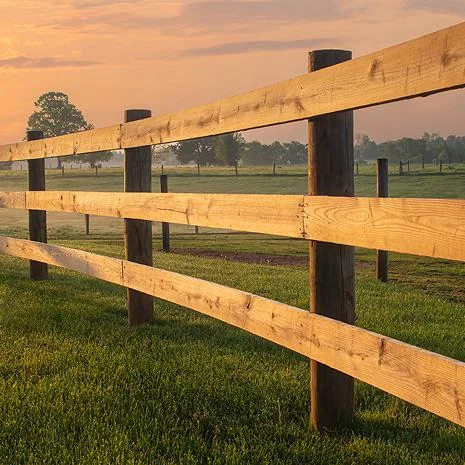
A split rail fence is simple and open. Its purpose is not to block views but to gently define space.
It works well in large gardens or rural settings. It marks the boundaries without enclosing the land.
You can combine it with plants or shrubs to add some privacy where needed.Wood weathers and blends with the surroundings over time.
Picket Fence for Classic Garden Feel
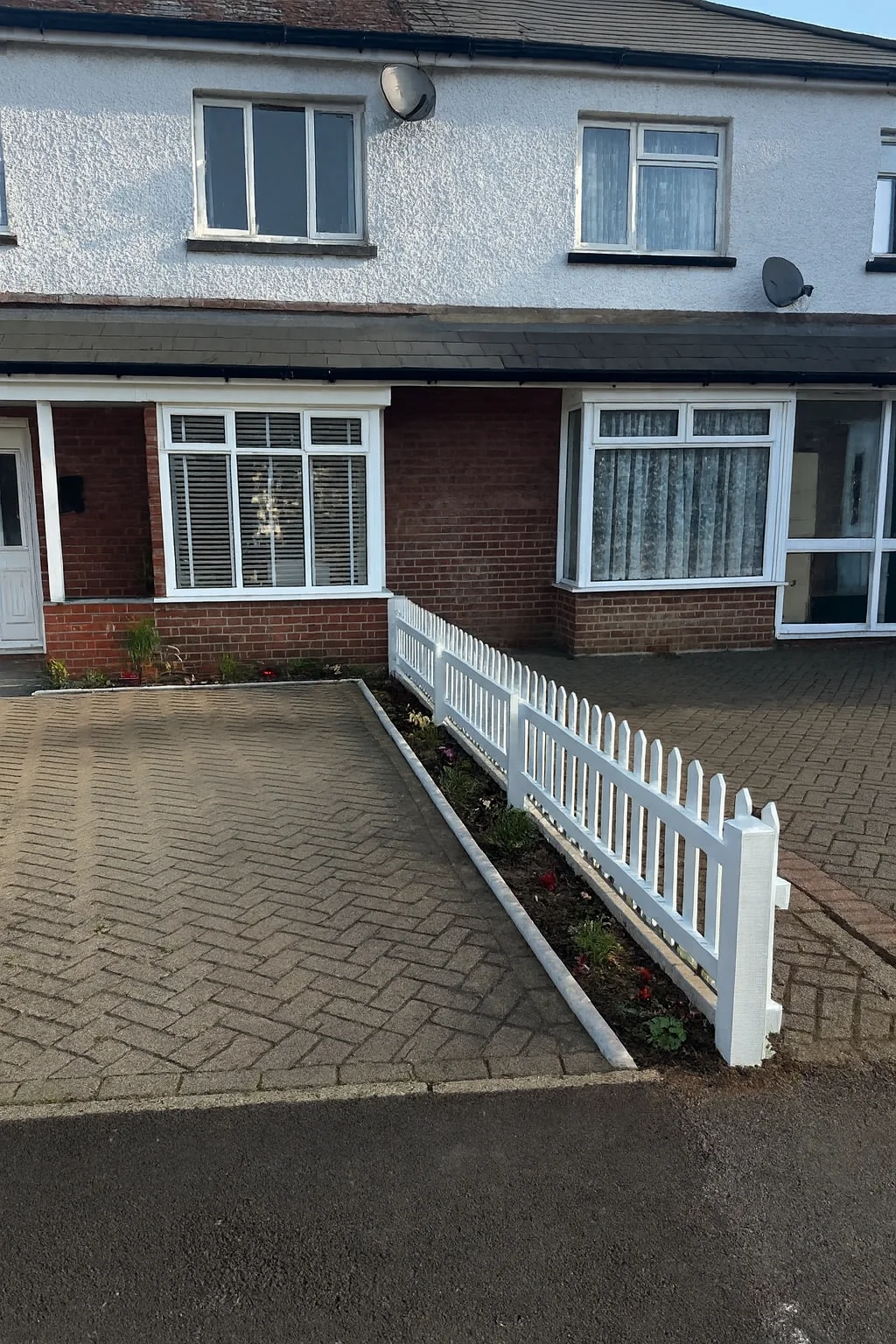
A picket fence brings a familiar and welcoming look. Evenly spaced vertical boards create a steady rhythm.
It doesn’t completely block the scenery, but it gives a clear sense of space. This makes it ideal for front gardens or areas where complete privacy is not required.
Paint or stains can change its appearance. White gives a clean feel, while natural wood tones feel softer and more earthy.
Tall Privacy Fence for Quiet Retreats
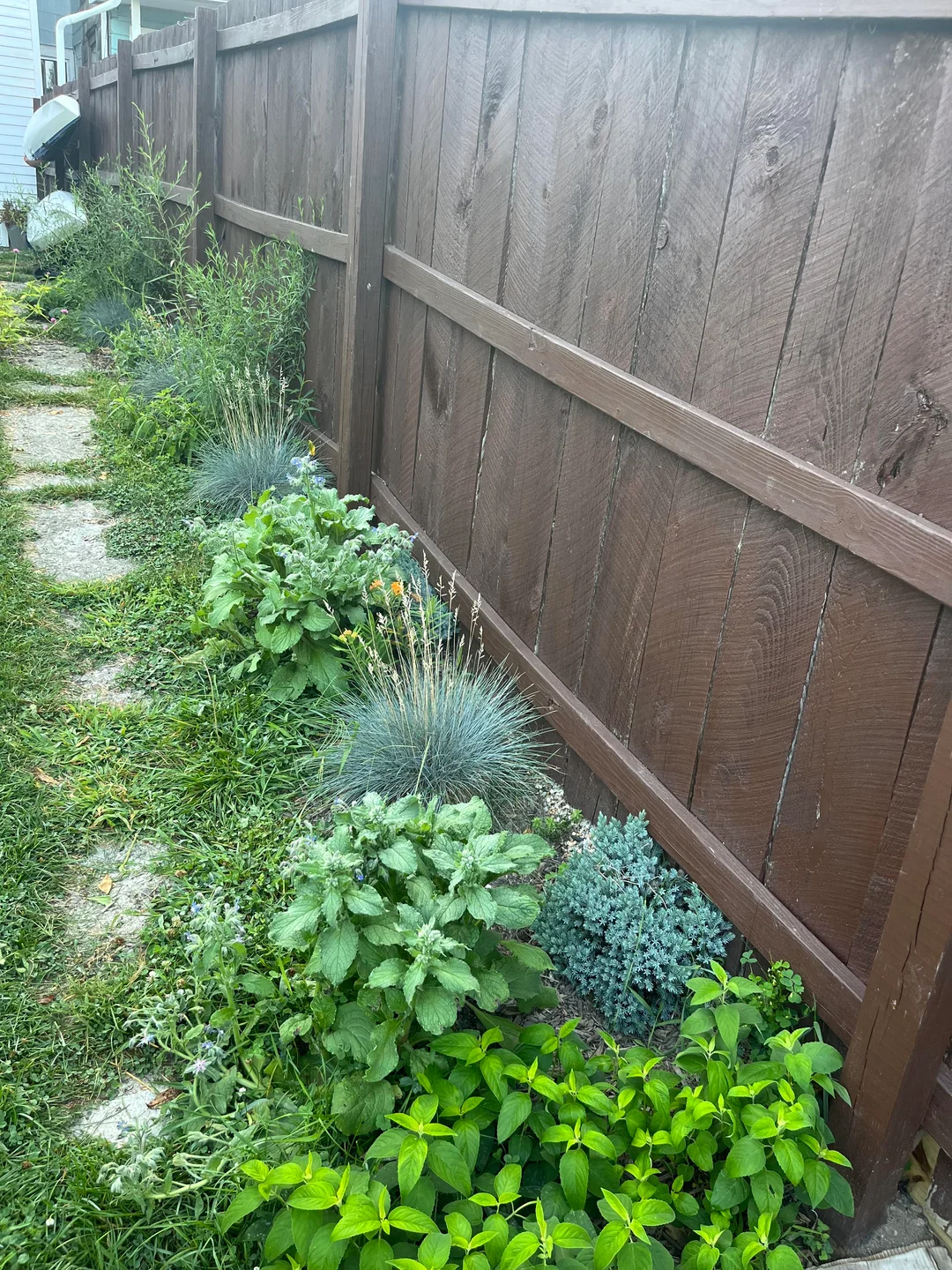
Sometimes the goal is total privacy. A tall wooden fence can create a space that feels isolated from the outside world.
The height should match the scale of the garden. Being too tall in a small space can feel cramped, so balance is key.
Add plants or vertical elements within the garden to soften the height. This prevents the space from feeling boxy.
Slatted Fence with Gaps for Soft Light
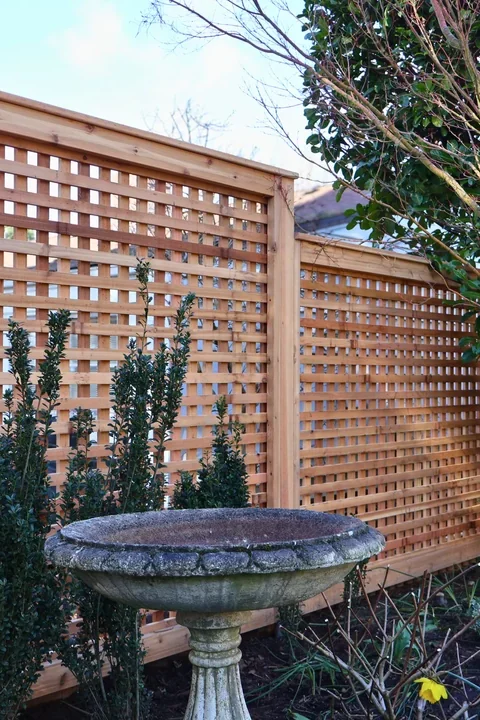
A slatted fence with small gaps allows light to filter through. It creates a gentle play of light and shadow during the day.
It provides partial privacy while keeping the space bright. It is useful in gardens that do not get much natural light.
Spacing can be adjusted to suit your needs. A wide gap feels more open, while a narrow gap gives more coverage.
Wood Fence with Built-In Planters
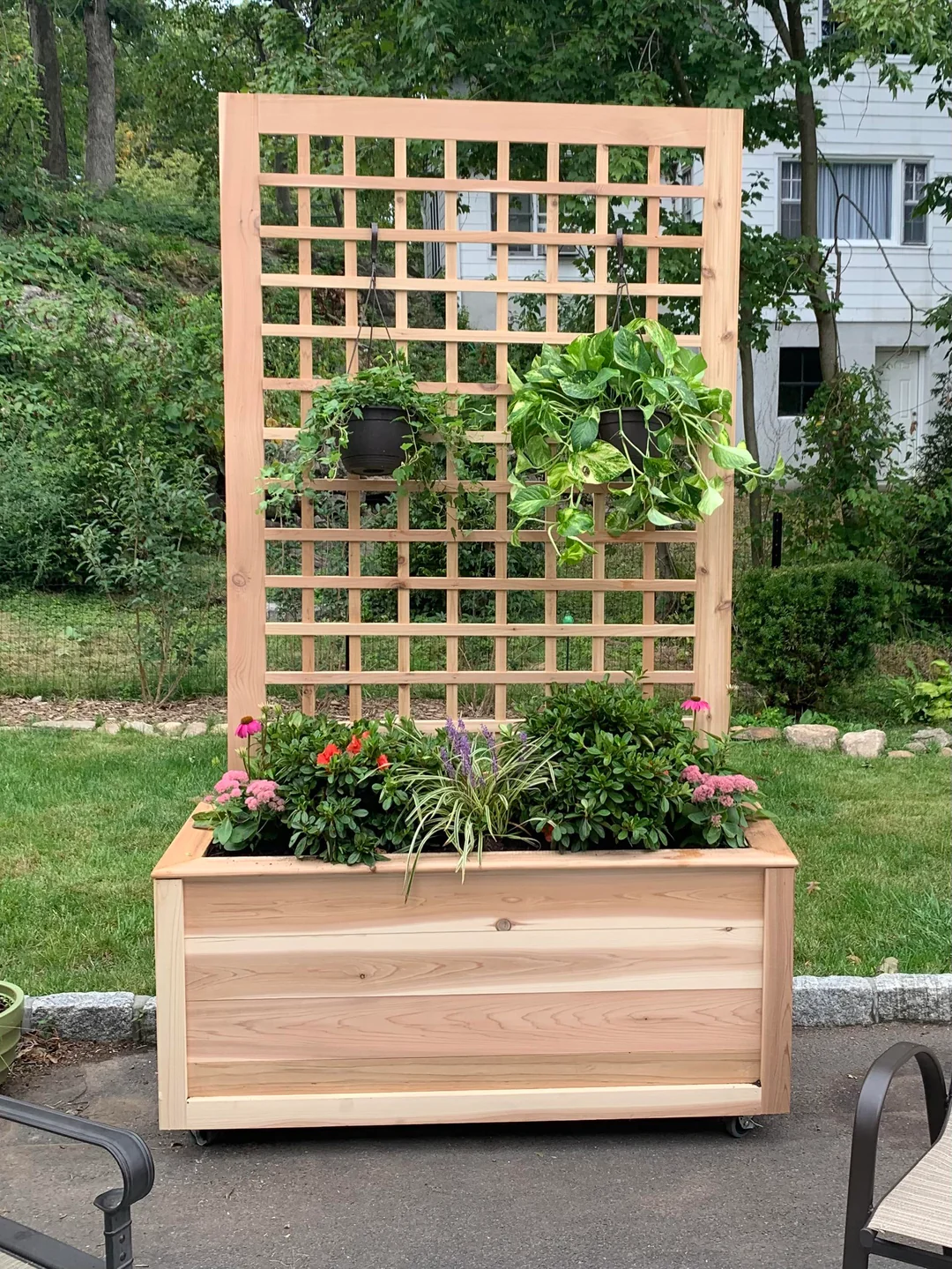
Planting a fence makes it part of the garden. It saves space and brings greenery to eye level.
Boxes can be attached to the fence or built into the structure.They can support the growth of flowers, herbs, or tiny shrubs.
This idea works well in small gardens where ground space is limited. It also adds color and life to plain wood surfaces.
Mixed Material Fence with Wood and Metal
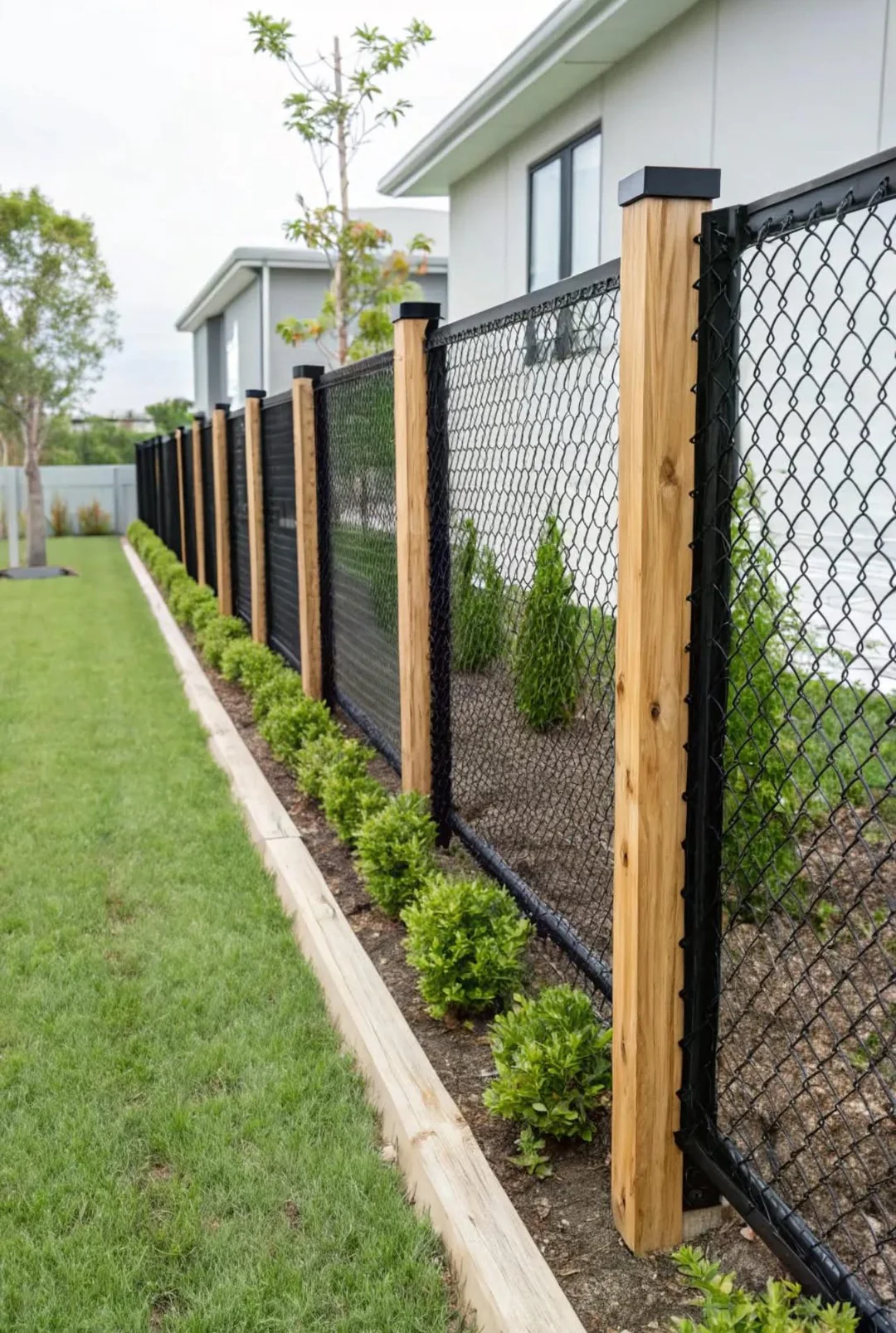
The combination of wood with metal creates a balanced look. Wood brings warmth, while metal adds strength and texture.
Metal frames or panels can support wooden sections. This reduces the need for wood and can extend the life of the fence.
The composition also adds contrast without making the design too busy. It suits both modern and traditional homes.
Painted Wood Fence for Added Character
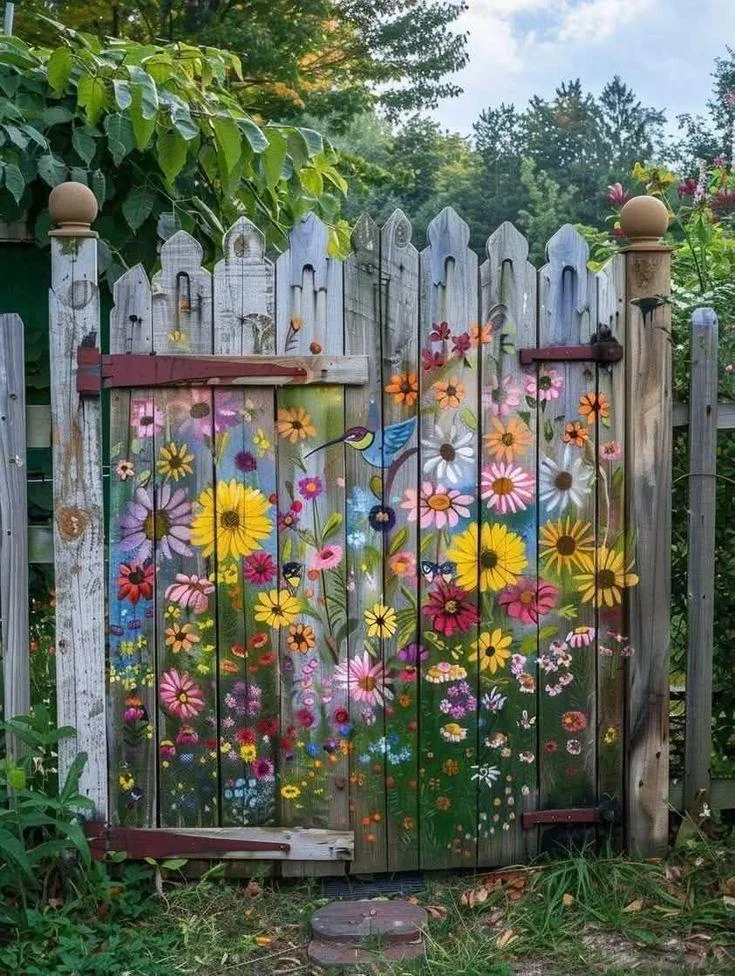
Paint can change the feel of a fence without changing its texture. Darker colors can make it blend into the background, while lighter colors can make it stand out.
The choice depends on how you want the garden to feel. A soft tone can calm a space, while a bold color can add energy.
Care is key here. Painted fences require maintenance over time to keep them looking clean and fresh.
Curved Wood Fence for Natural Flow
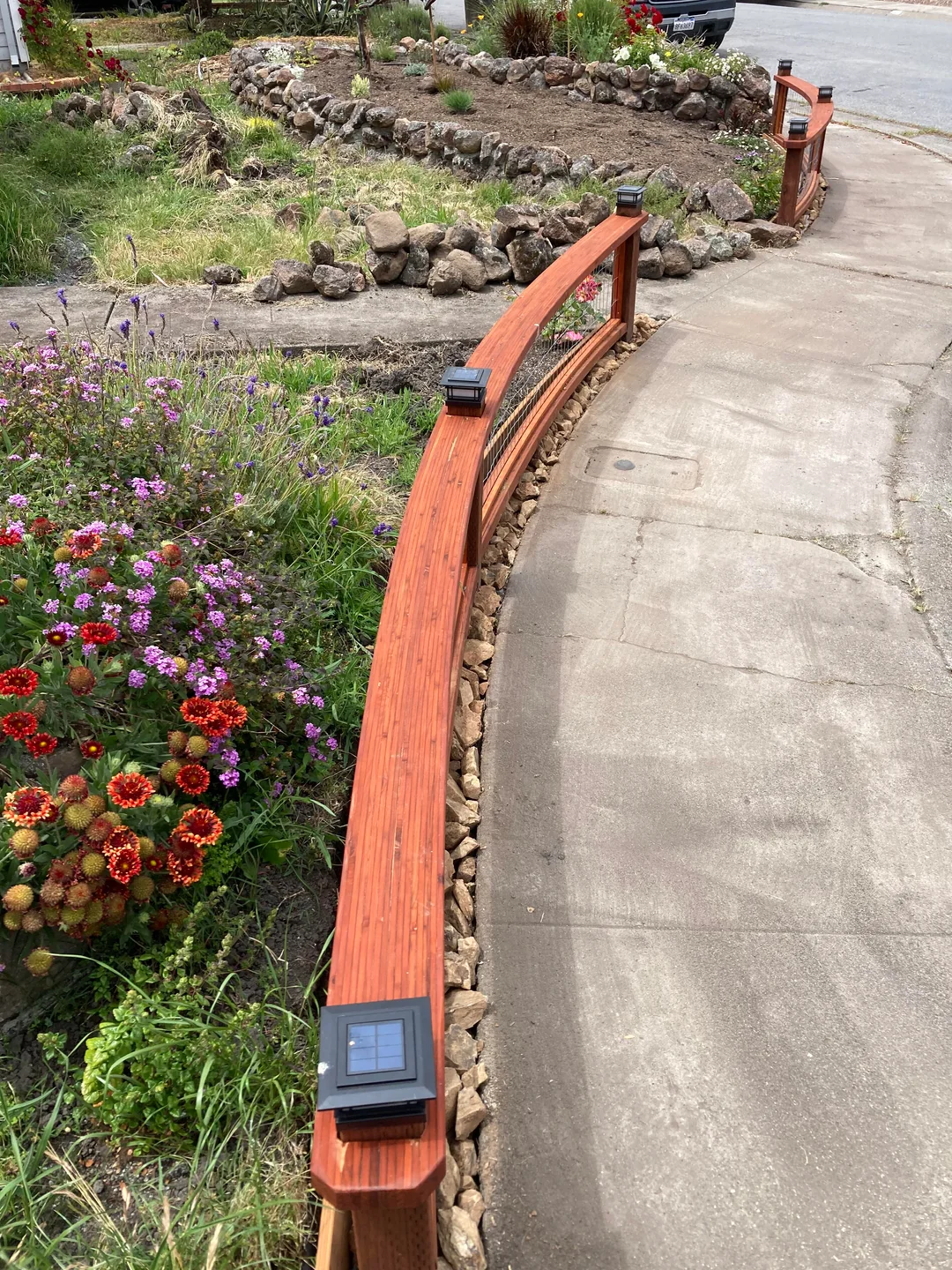
Most fences follow straight lines, but a curved fence can follow the contours of the land. This makes the garden feel more natural.
Curves gently guide movement. They can lead the eye to a focal point such as a tree or a seating area.
This design takes more planning and skill, but the result feels less rigid and more connected to the space.
Low Decorative Fence for Defined Borders
A low fence does not block views but clearly marks the edges. It is useful for separating garden beds, paths or seating areas.
It keeps the layout organized without clogging up the space. This helps maintain an open and airy feel.
Simple designs work best here. The goal is to lead, not dominate the space.
Wood Fence with Integrated Seating
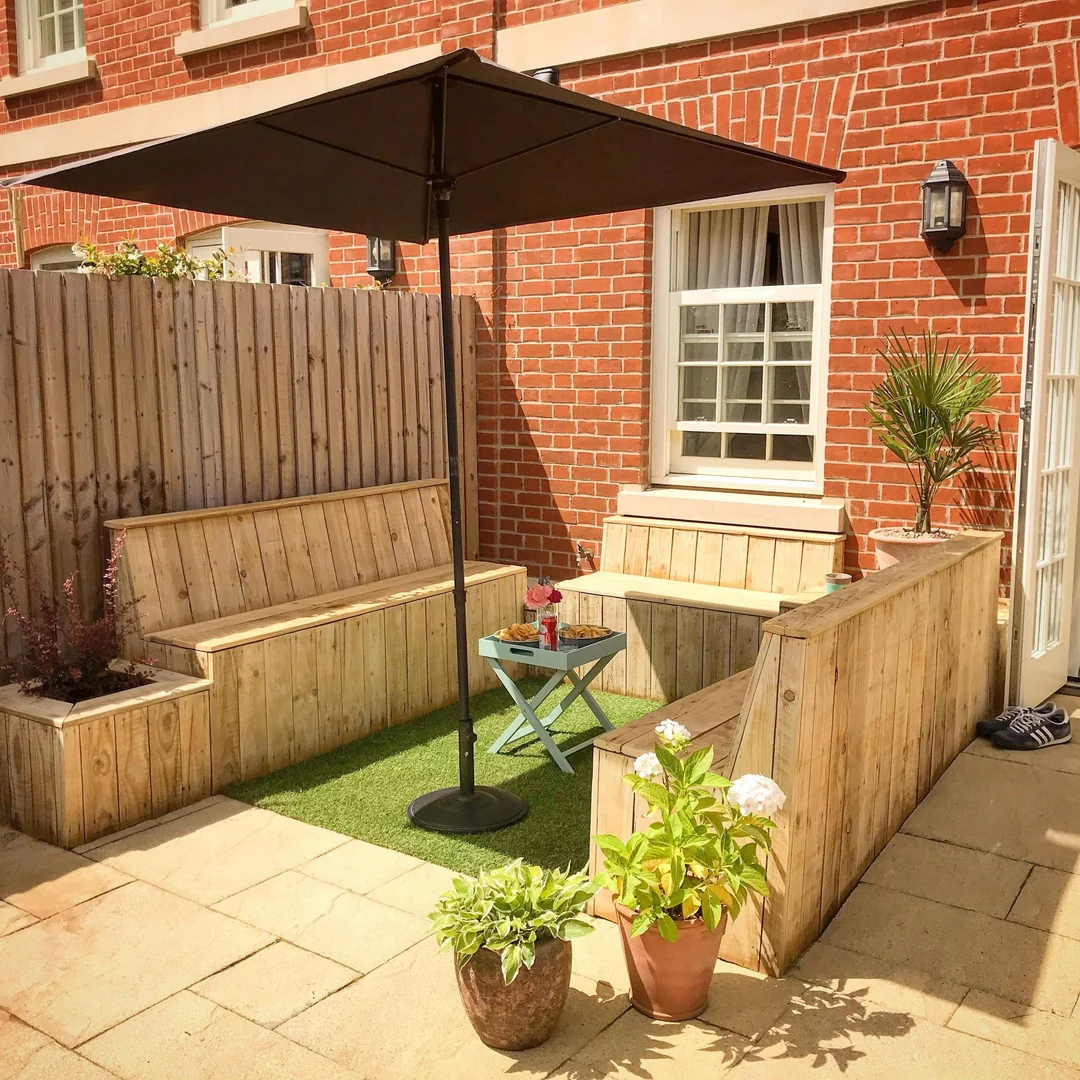
A fence can do more than just stand in place. By adding seating along its base, it becomes part of how the garden is used.
Built-in benches save space and create a place to relax. They find the fence more connected to everyday life.
Use strong supports and weather-resistant wood. Comfort is important, so consider adding cushions or soft materials.
Final Thoughts
A wooden fence looks more like a garden border. It affects light, sound, privacy, and the way the space is used every day. The best fences are not the most complicated, but the ones that suit their layout.
Think about how you want your garden to feel. Silent, open, private, or connected. The right fence supports this feeling without taking over.
When you choose carefully and build carefully, the fence becomes part of the rhythm of the garden. It sits quietly in the background helping everything to work better.

Fatima Khalid
BukayHome shares practical home decorating ideas, room inspiration, and simple styling tips to help readers create a home they truly love.