13 Stylish Outdoor Entryway Ideas for a Welcoming Home
13 Stylish Outdoor Entryway Ideas for a Welcoming Home
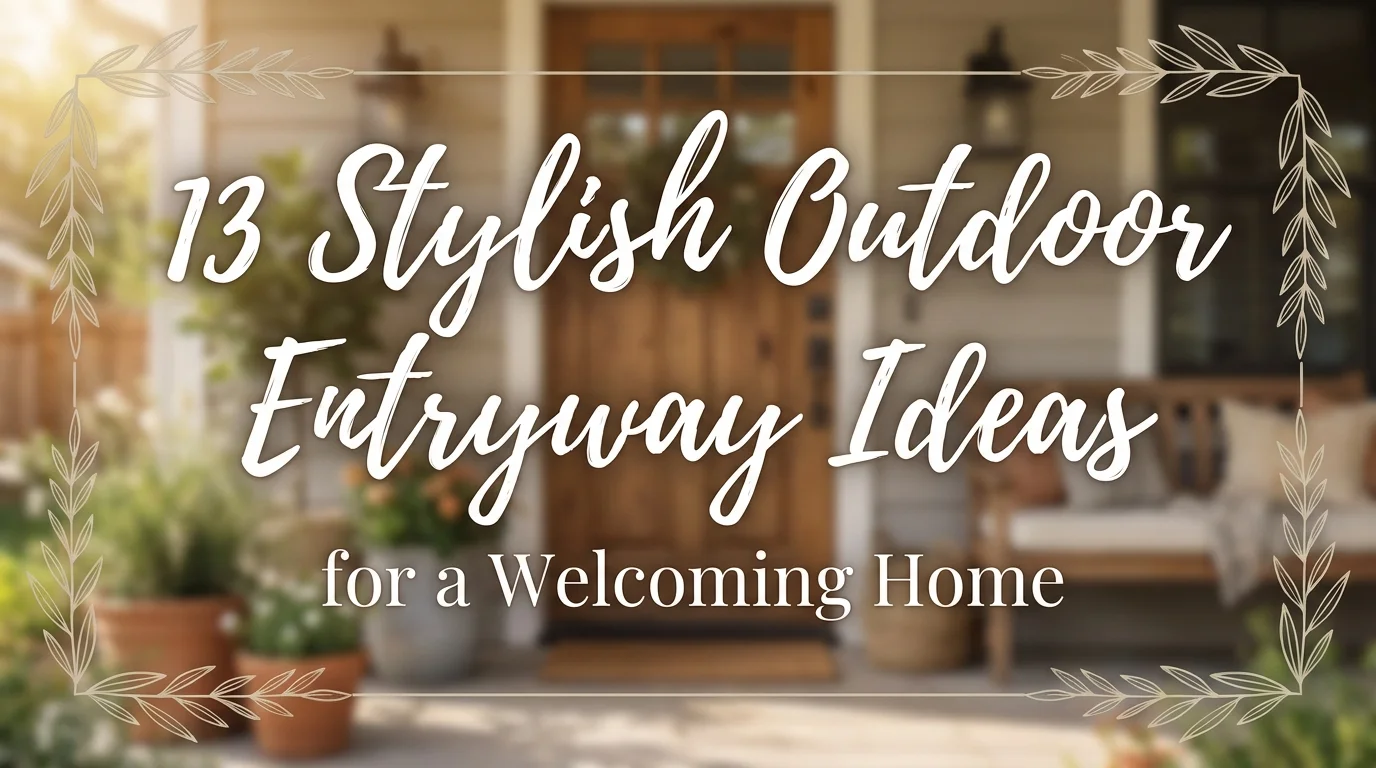
Your entryway is the first thing people see. It sets the tone before anyone steps inside. In my years working on home exteriors, I’ve seen how small changes at the front door can shift the whole feel of a house. A good entryway does not need a big budget. It needs clear thinking, balance, and the right details.
A strong outdoor entryway should guide people in, offer comfort, and feel easy to use every day. It should also hold up to weather and time. Below are 13 ideas that do just that. Each one is simple, proven, and built on real use.
Covered Porch Entry for Daily Comfort
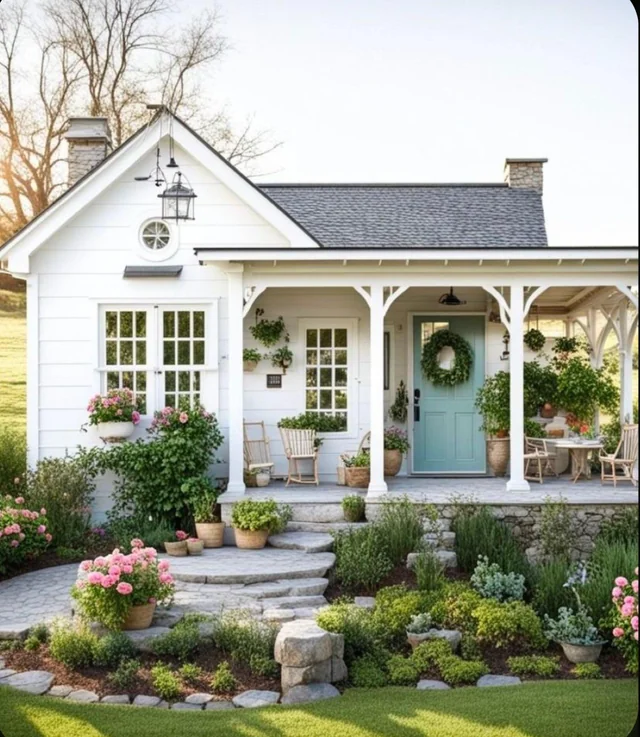
A covered porch is one of the most useful upgrades you can make. It protects the door, keeps rain off guests, and gives shade in hot weather.
The size matters more than people think. A narrow cover may look fine, but it won’t help much in real life. A deeper porch lets you stand, unlock the door, and move with ease. It also gives space for a chair or a small bench.
The roof style should match the house. A flat cover works on modern homes, while a sloped one fits better with classic designs. Good lighting under the porch makes a big difference at night. Warm light helps the space feel safe and calm.
Statement Front Door That Draws the Eye
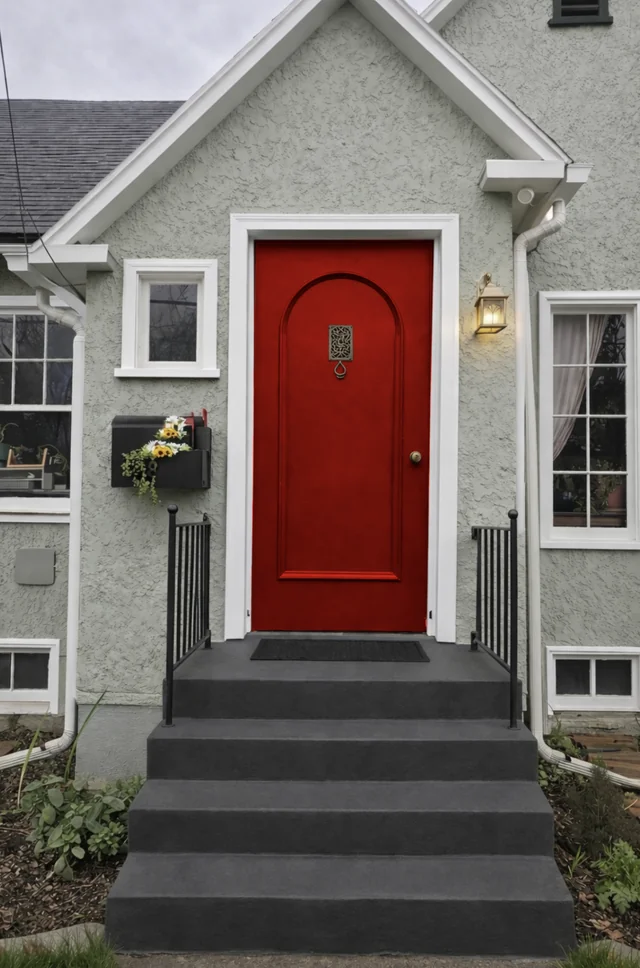
The front door is the center of the entryway. It should stand out without clashing with the rest of the house.
Color is a simple way to do this. A bold color can bring life to a plain exterior. A soft tone can keep things calm and clean. The key is contrast. The door should not blend into the wall.
Material also matters. Solid wood feels warm and lasting. Steel doors give strength and need less care. Glass panels can add light but should be placed where privacy is still kept.
The hardware should feel solid in the hand. A loose or cheap handle can take away from the whole look.
Layered Lighting for Safety and Mood
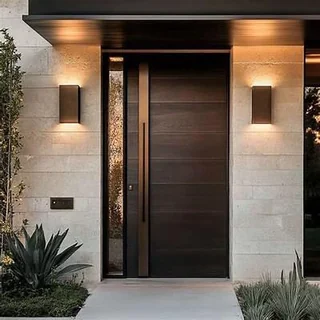
Lighting is often added last, but it should be planned early. A single light above the door is not enough.
Use layers. A main light near the door gives clear view. Wall lights on both sides help remove shadows. Path lights guide people from the street to the door.
Choose a warm tone for a soft feel. Harsh white light can feel cold and unwelcoming. Motion sensors can be useful, but they should not be too sensitive. A light that turns on and off too often can be annoying.
Good lighting also adds safety. It helps guests see steps and changes in ground level.
Defined Walkway That Guides the Way
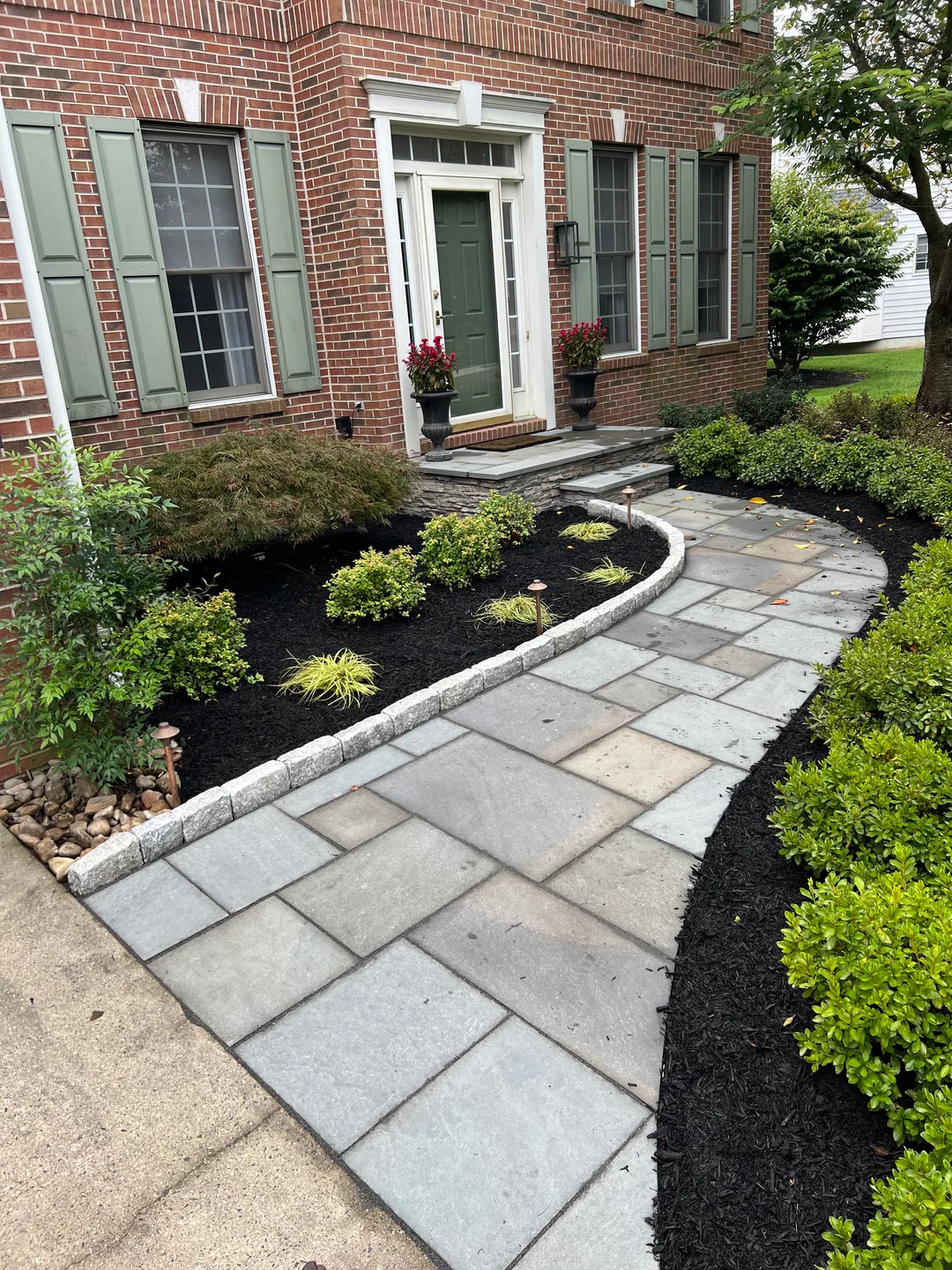
A clear path to the door makes a home feel easy to enter. It should feel natural, not forced.
Straight paths work well for small yards. Curved paths feel softer and can make a space look larger. The material should match the house. Stone, brick, and concrete all work when used well.
The width should allow two people to walk side by side. This makes it feel open and friendly. Edges can be lined with plants or lights to keep the path clear.
A strong walkway does more than connect spaces. It invites people in without effort.
Symmetrical Planters for Balance
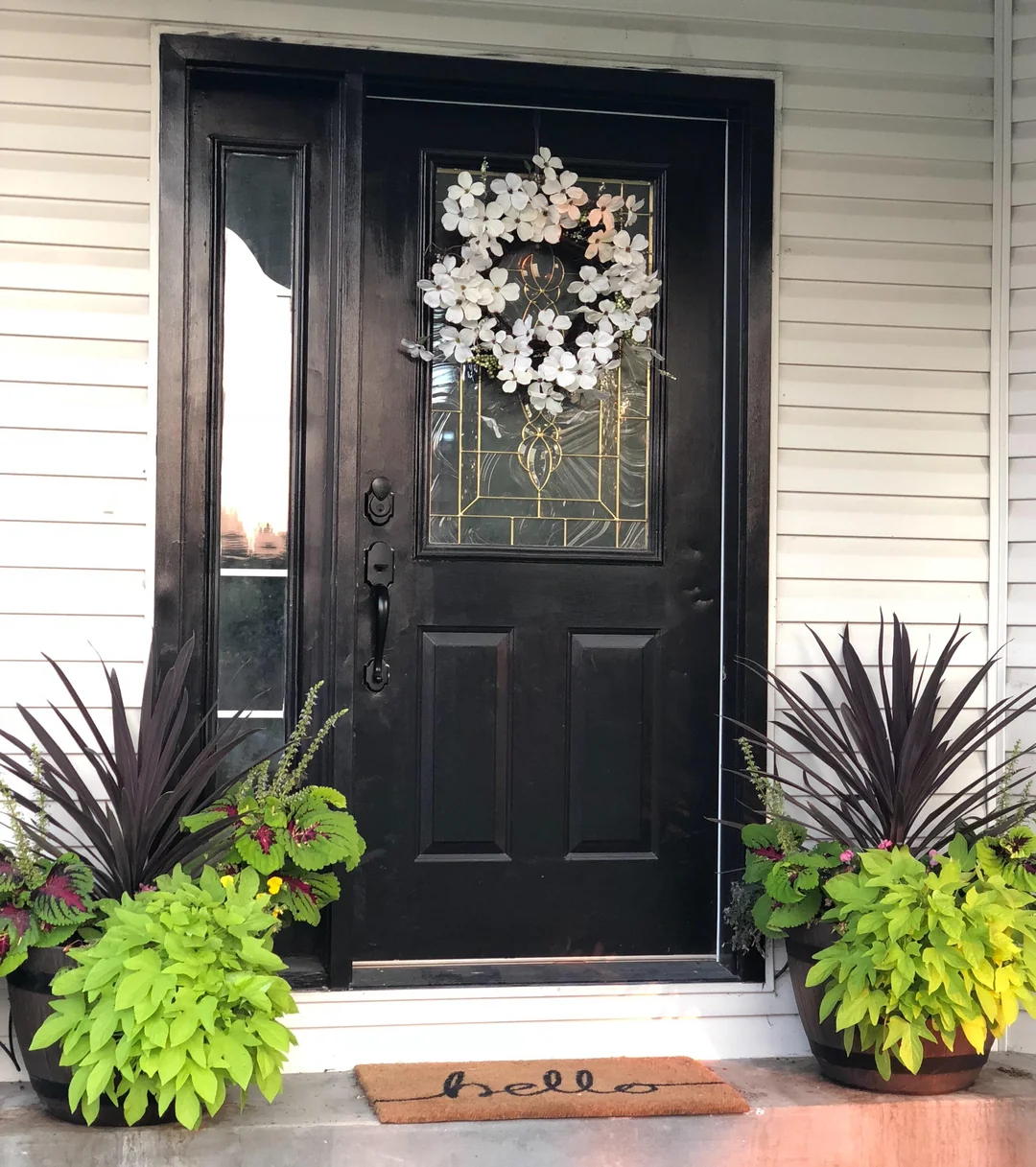
Plants bring life to an entryway. When placed with care, they can shape the space.
Using two planters on each side of the door creates balance. This works well on most homes. The plants should match in size and type to keep the look clean.
Tall plants add height. Low plants fill space without blocking the door. Seasonal changes can keep the look fresh, but the base structure should stay the same.
Planters should be strong and able to handle weather. Light plastic ones may shift or fade over time.
Modern House Numbers That Stand Out
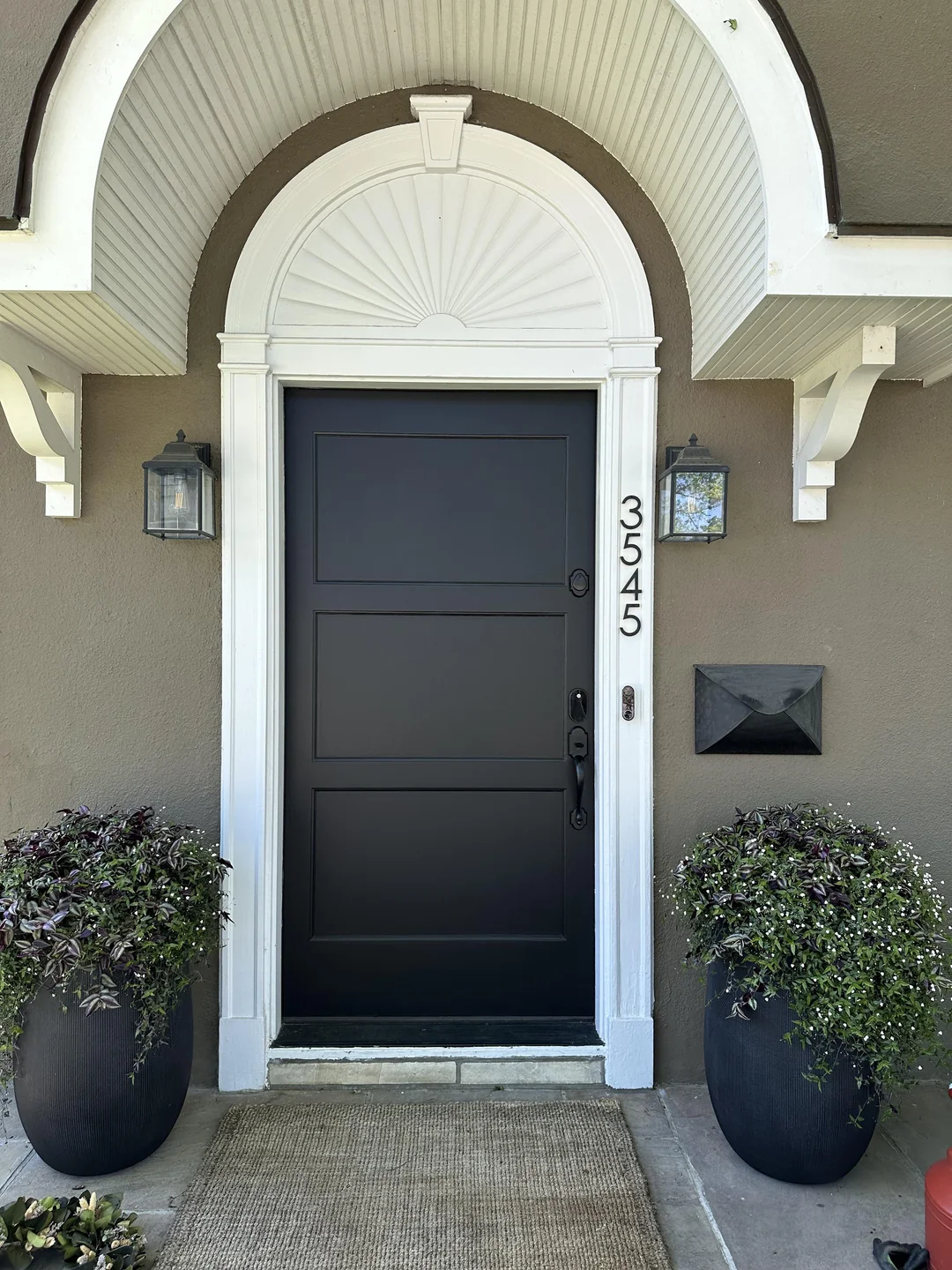
House numbers are small, but they matter. They help visitors find the home and add style at the same time.
The numbers should be easy to read from the street. Size and contrast are key. Dark numbers on a light wall or light numbers on a dark wall work best.
Placement should be near the door or along the path. They should not be hidden behind plants or decor.
Clean lines and simple fonts fit most homes. Overly complex styles can be hard to read.
Built-In Seating for a Lived-In Feel
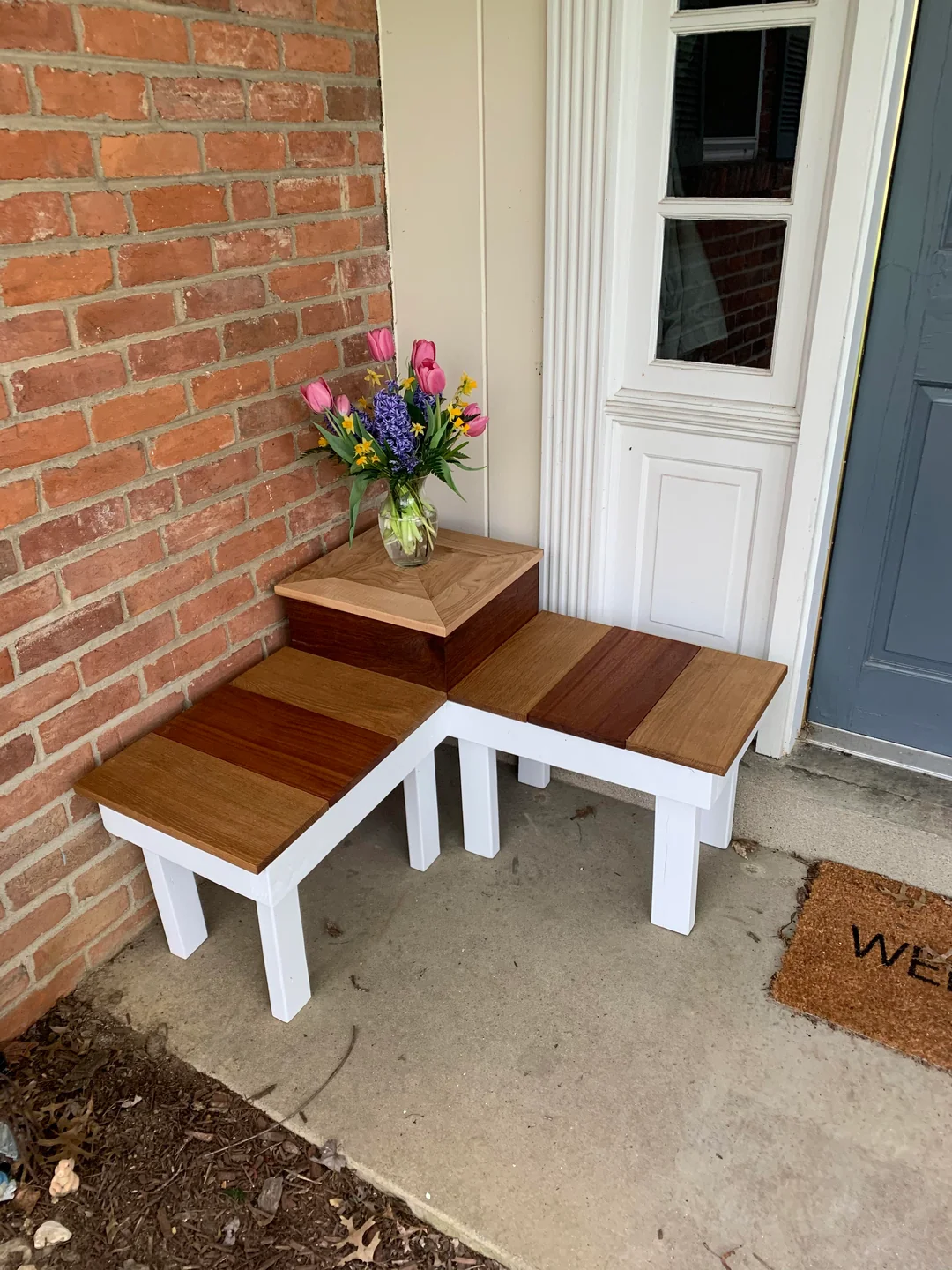
A small bench near the entry can change how the space is used. It gives a place to sit, set bags down, or wait.
Built-in benches work well in tight areas. They stay in place and can be made to match the house. Freestanding benches are easier to move but should be stable.
The material should handle weather. Wood, metal, or stone are all good options when treated well.
Adding a cushion can improve comfort, but it should be made for outdoor use to avoid damage.
Natural Stone Accents for Lasting Texture
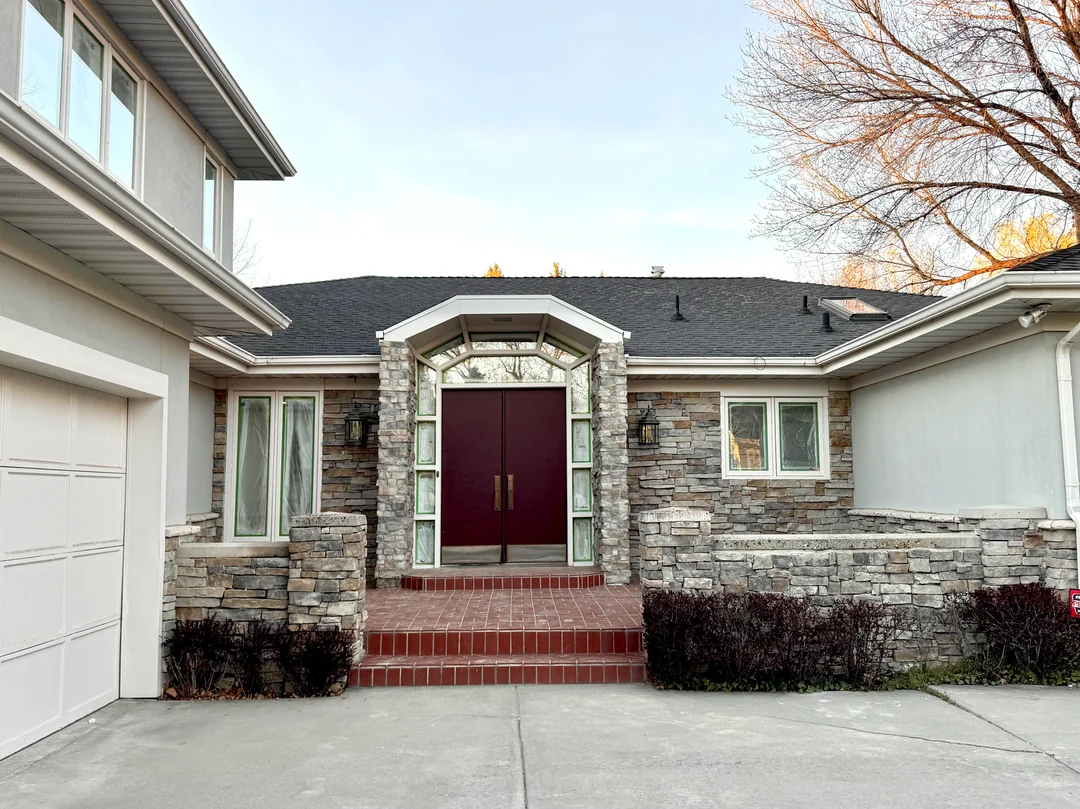
Stone adds depth and weight to an entryway. It works well on walls, steps, or columns.
The texture of stone catches light in a soft way. This makes the space feel grounded and stable. It also ages well, which is important for outdoor areas.
Using stone in small sections can be enough. A full stone wall is not always needed. Even a low border or step can make a difference.
The key is to keep it in balance with the rest of the materials.
Glass Elements for Light and Openness
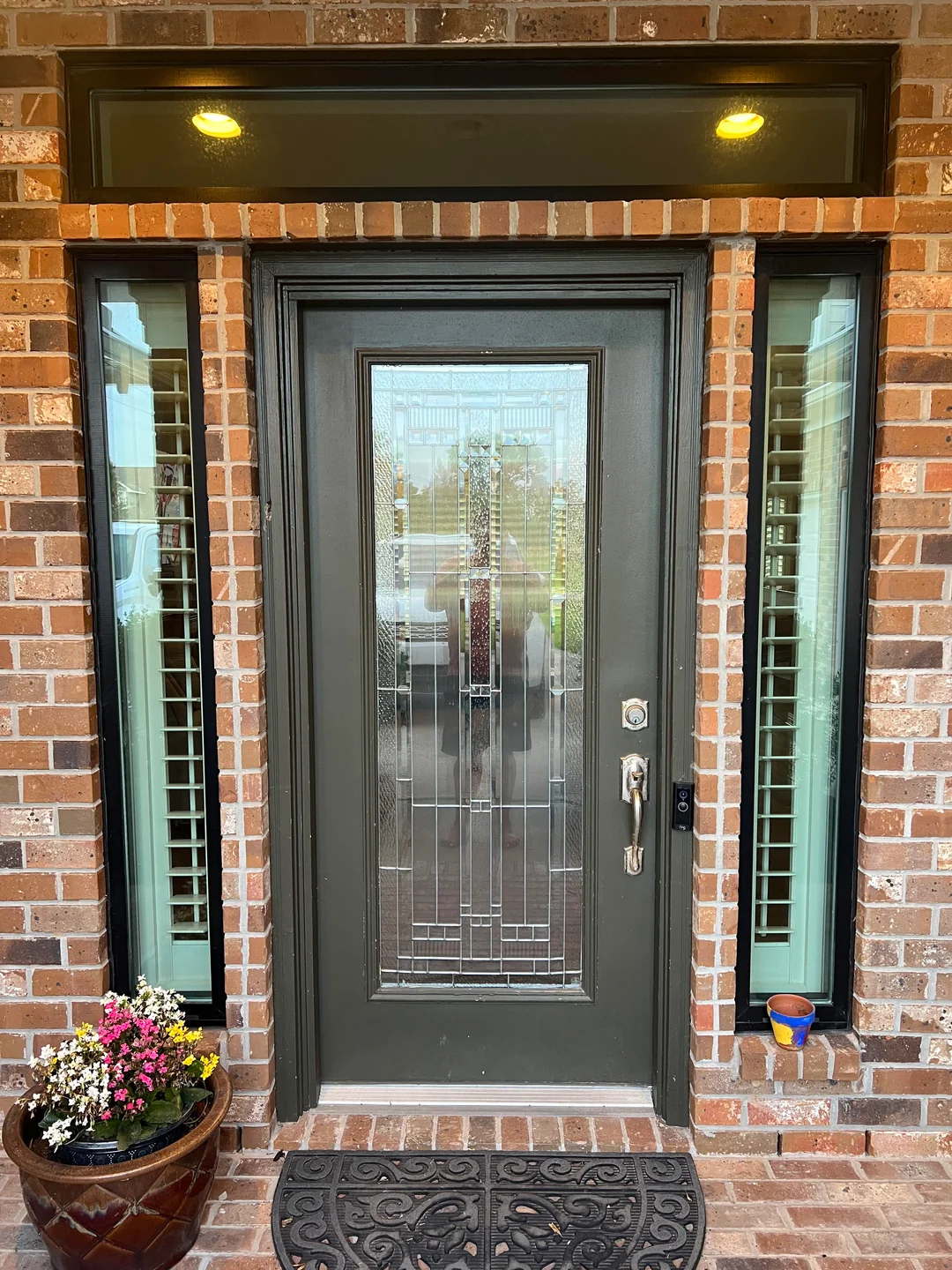
Glass can make an entry feel open without losing structure. It works well in doors, side panels, or small partitions.
Frosted or textured glass can give privacy while still letting light in. Clear glass works best when the entry is set back from the street.
Glass should be strong and made for outdoor use. It must handle changes in weather and impact.
When used right, glass helps the entry feel bright and easy to approach.
Green Framing with Climbing Plants
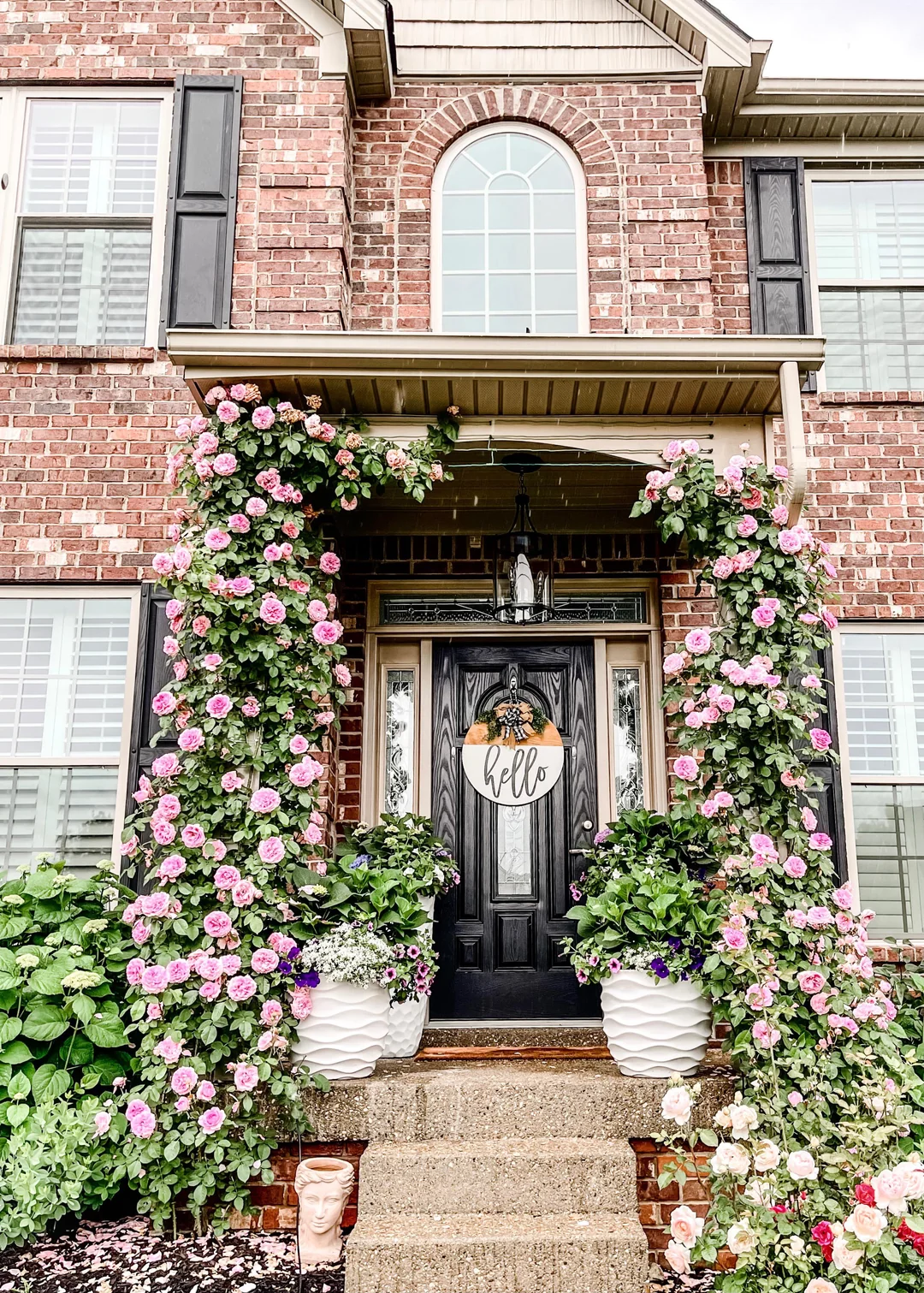
Plants can be used to frame the door, not just sit beside it. Climbing plants on a frame or trellis can shape the entry.
Over time, the plants grow around the frame and create a soft border. This draws the eye to the door without hard lines.
This setup needs care. Plants must be guided and trimmed. But the result is a natural look that changes through the year.
Choose plants that grow well in your climate to avoid extra work.
Raised Steps with Clean Edges
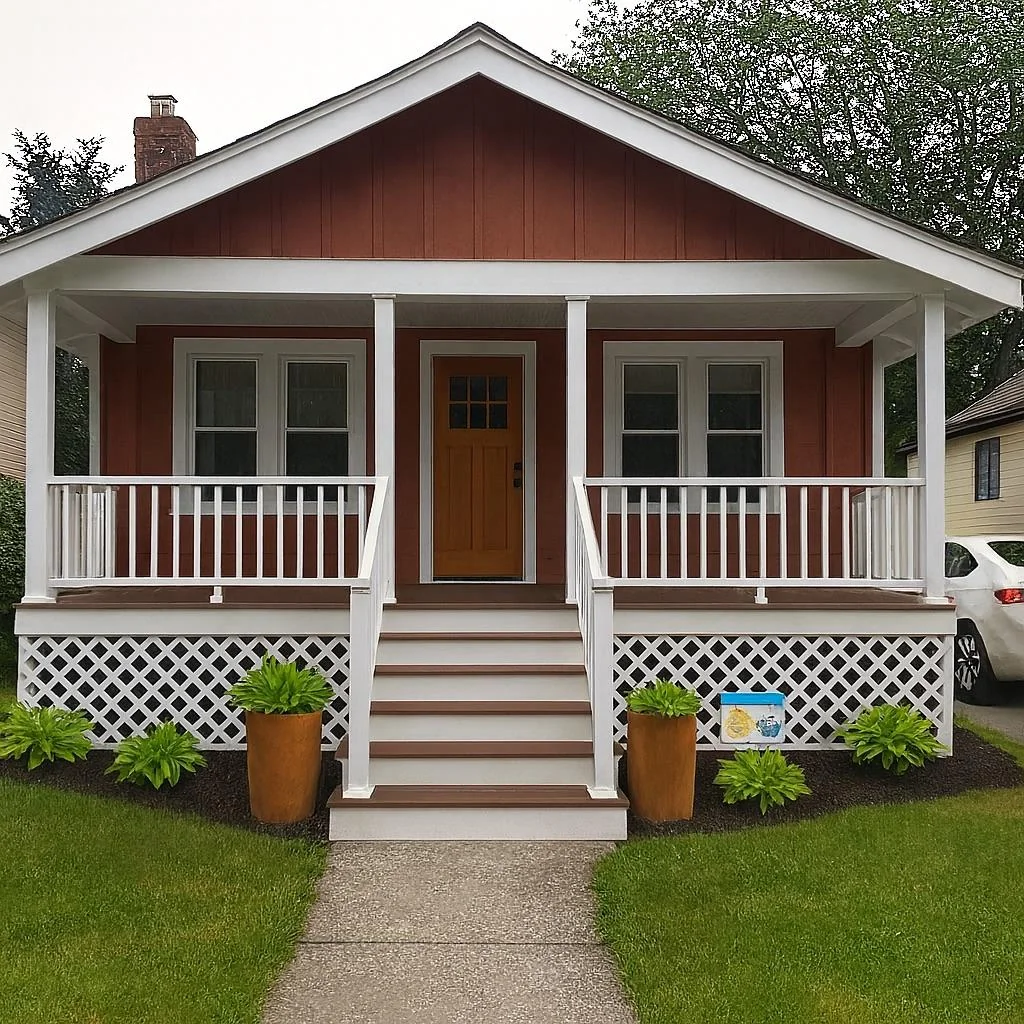
Steps are not just for height. They define the approach to the door.
Wide steps feel stable and safe. Narrow steps can feel tight and rushed. The height should be even to avoid trips.
Clean edges give a neat look. Materials should match or complement the walkway.
Adding a slight overhang or a different finish on the edge can help each step stand out. This improves both style and safety.
Minimal Canopy for Subtle Shelter
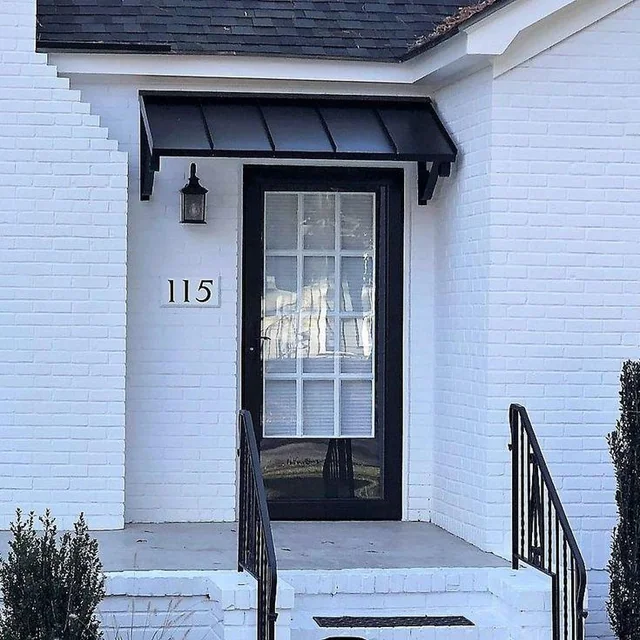
A canopy is a lighter option than a full porch. It gives some cover without changing the whole structure.
Metal or wood frames with a simple top can work well. The design should stay simple so it does not overpower the entry.
This works best for small homes or tight spaces. It adds function without taking up too much room.
Good drainage is important. Water should not collect or drip near the door.
Mixed Materials for a Balanced Look
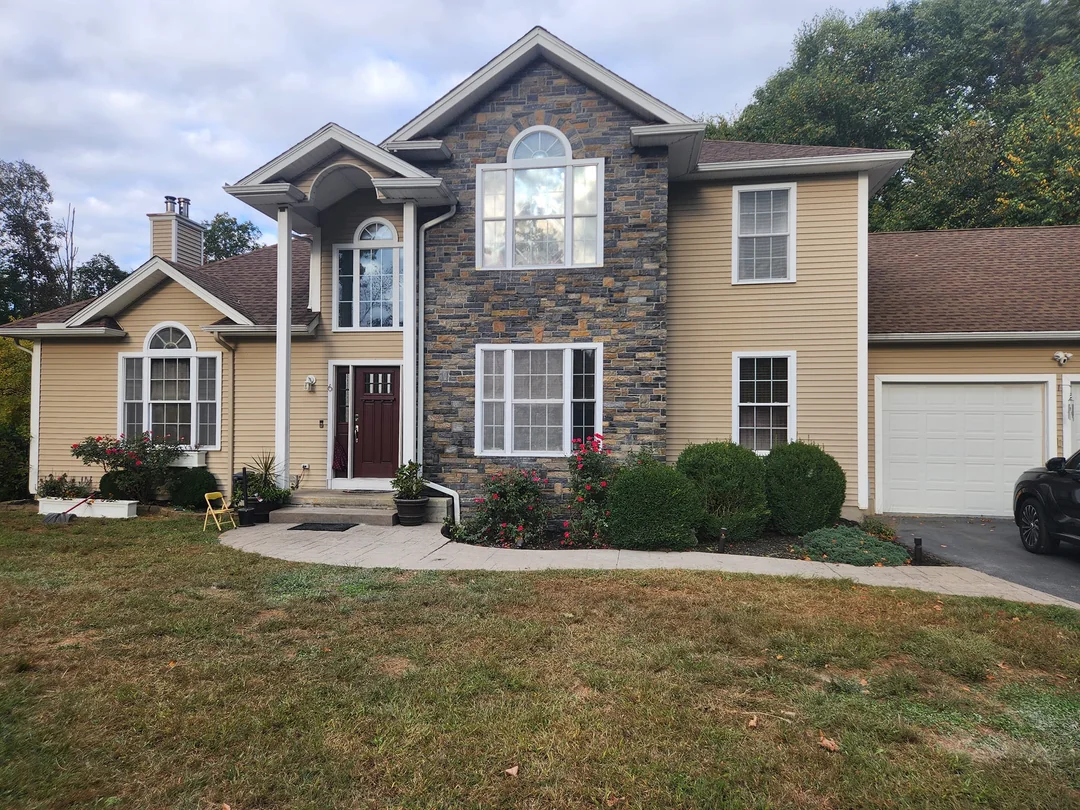
Using more than one material can bring depth to the entryway. Wood, metal, stone, and glass can all work together.
The key is balance. One material should lead, while others support. Too many strong elements can feel messy.
A common approach is to use wood for warmth, metal for strength, and stone for base. When done right, the mix feels natural and not forced.
This method allows more freedom in design while still keeping a clear structure.
Final Thoughts
A welcoming entryway is not built on one big idea. It comes from many small choices working together. Each part, from the door to the path, plays a role.
Focus on how the space is used each day. Think about comfort, safety, and ease. When those are right, style follows on its own.
A well-planned entryway does more than look good. It makes coming home feel right every time.

Fatima Khalid
BukayHome shares practical home decorating ideas, room inspiration, and simple styling tips to help readers create a home they truly love.