16 Magical Garden Lights Ideas for a Cozy Outdoor Look
16 Magical Garden Lights Ideas for a Cozy Outdoor Look
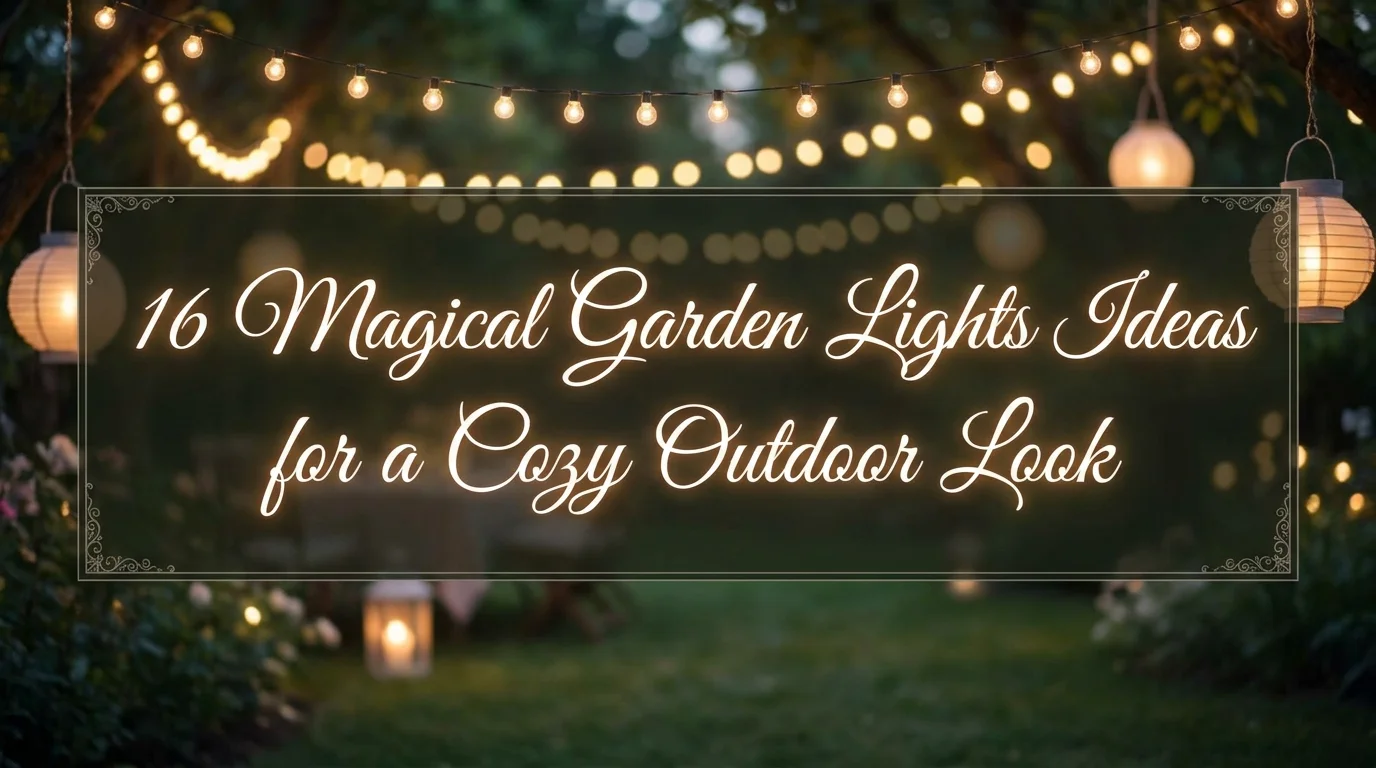
A garden changes when the sun goes down. Light can make it feel calm, safe, and easy to enjoy. After more than twenty years working with outdoor spaces, I have seen one simple truth. Good lighting is not about adding more fixtures.It involves positioning the appropriate light in the appropriate area.
A cozy garden does not need bright beams or heavy setups. It needs soft light, clear paths, and a few warm points that guide the eye. When done well, your yard feels like a place you want to stay in, even late at night.
Below are 16 ideas that help you build a garden that feels warm, simple, and ready to use every evening.
String Lights Overhead for Soft Glow
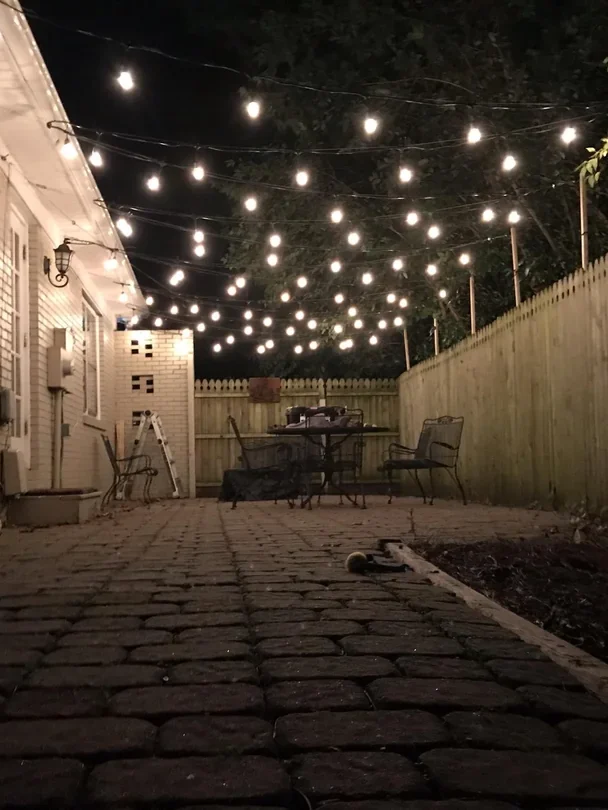
String lights are one of the easiest ways to shape a cozy space. Hang them above a seating area, across a patio, or between two walls. Keep the height low enough to feel close, but high enough to walk under without thinking.
Use warm light instead of bright white. The goal is to soften the space, not flood it. When placed right, string lights create a gentle ceiling that makes the garden feel like an outdoor room.
Solar Path Lights for Safe Walking
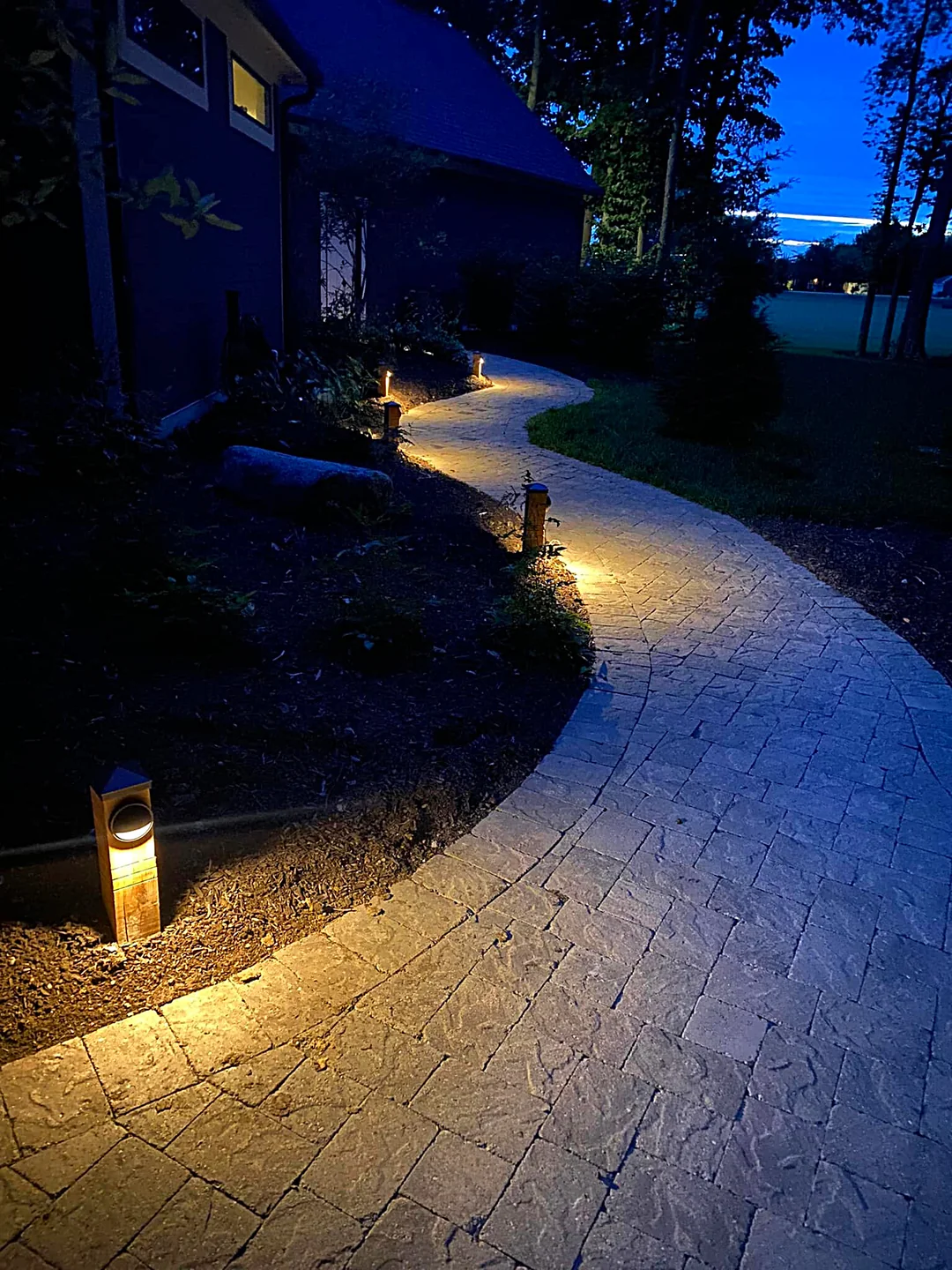
Paths should always be easy to see at night. Solar lights along a walkway solve this without wires or power use. Place them at even gaps so the light feels steady as you walk.
Do not push them too close together. Too many lights can feel harsh. A soft rhythm of light works better and keeps the path clear without taking over the space.
Lantern Lighting for a Warm Touch
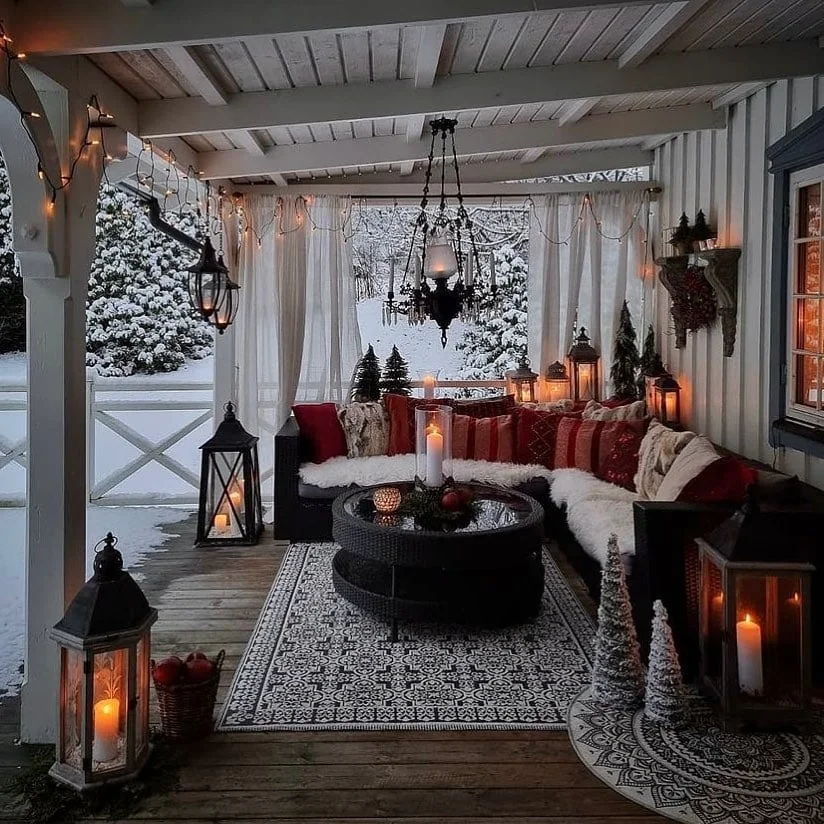
Lanterns bring a calm feel that fixed lights often miss. You can place them on the ground, hang them from hooks, or set them on a table.
Use candles or low-power bulbs inside. The flicker of light adds movement and makes the garden feel alive. Move them around when needed. This keeps your setup flexible.
Fairy Lights in Trees and Bushes

Fairy lights work well when tucked into plants. Wrap them around tree branches or weave them through bushes. The small points of light create depth without adding bulk.
Keep the layout loose and natural. Do not try to make perfect lines. The goal is to make the plants glow from within.
Wall-Mounted Lights for Structure
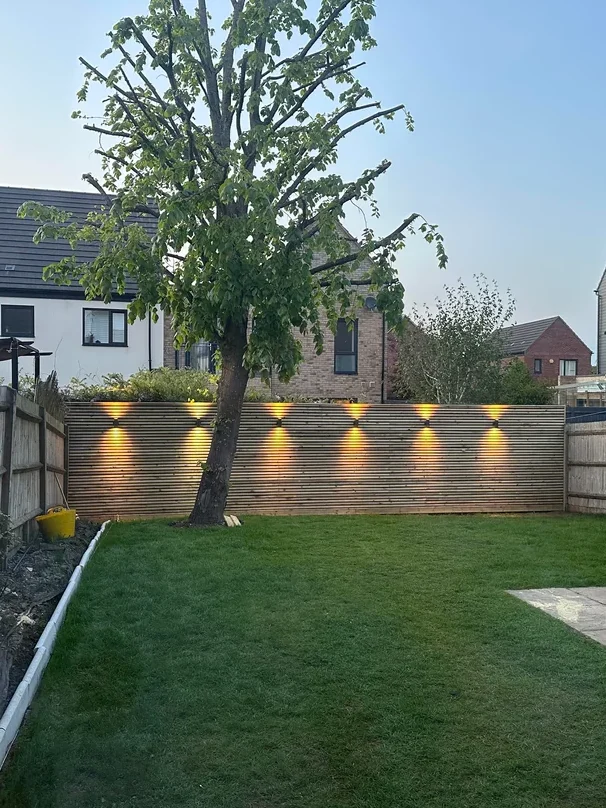
Walls often go unused at night. A few simple lights fixed to a wall can give shape to the garden. They help define space and make it easier to move around.
Choose a downward glow instead of a wide beam. This keeps the light focused and avoids glare.
Step Lights for Safety and Style
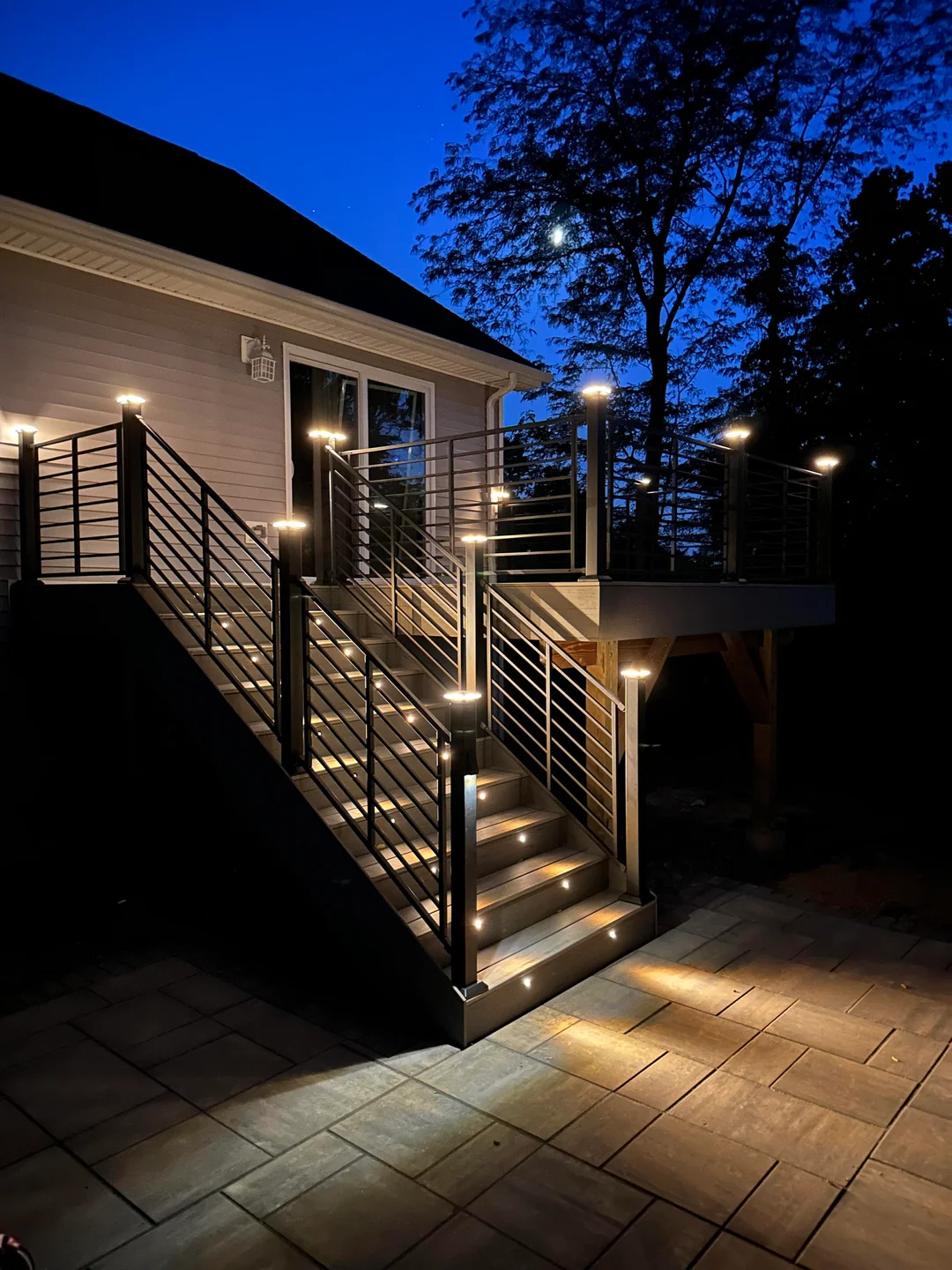
Steps can be risky in low light. Small lights built into or placed near steps make a big difference. They guide your feet without drawing too much attention.
Keep the light soft and low. Bright lights on steps can feel harsh and break the calm mood.
Hanging Bulbs for a Relaxed Look
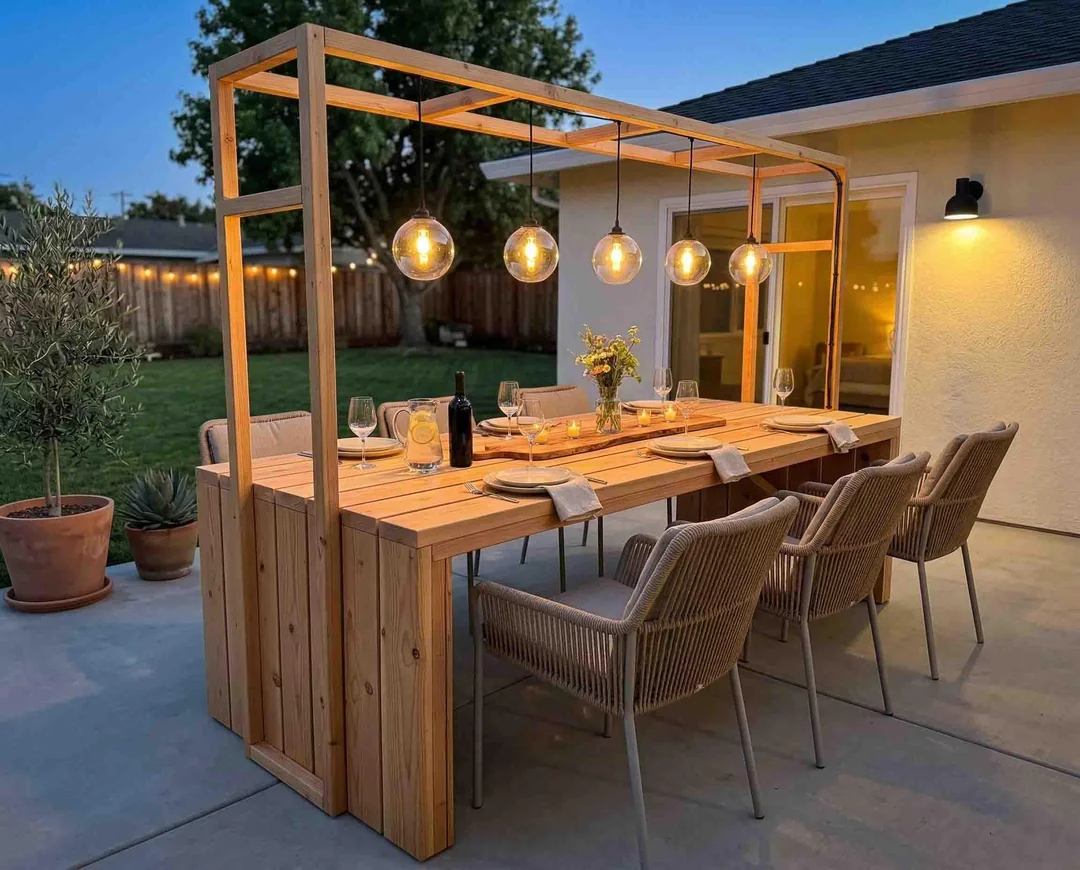
Loose hanging bulbs over a dining or seating area give a relaxed feel. Space them out so each one stands on its own.
Use warm bulbs and simple cords. Avoid heavy designs. The lighter the setup, the more natural it feels.
Ground Spotlights for Feature Areas
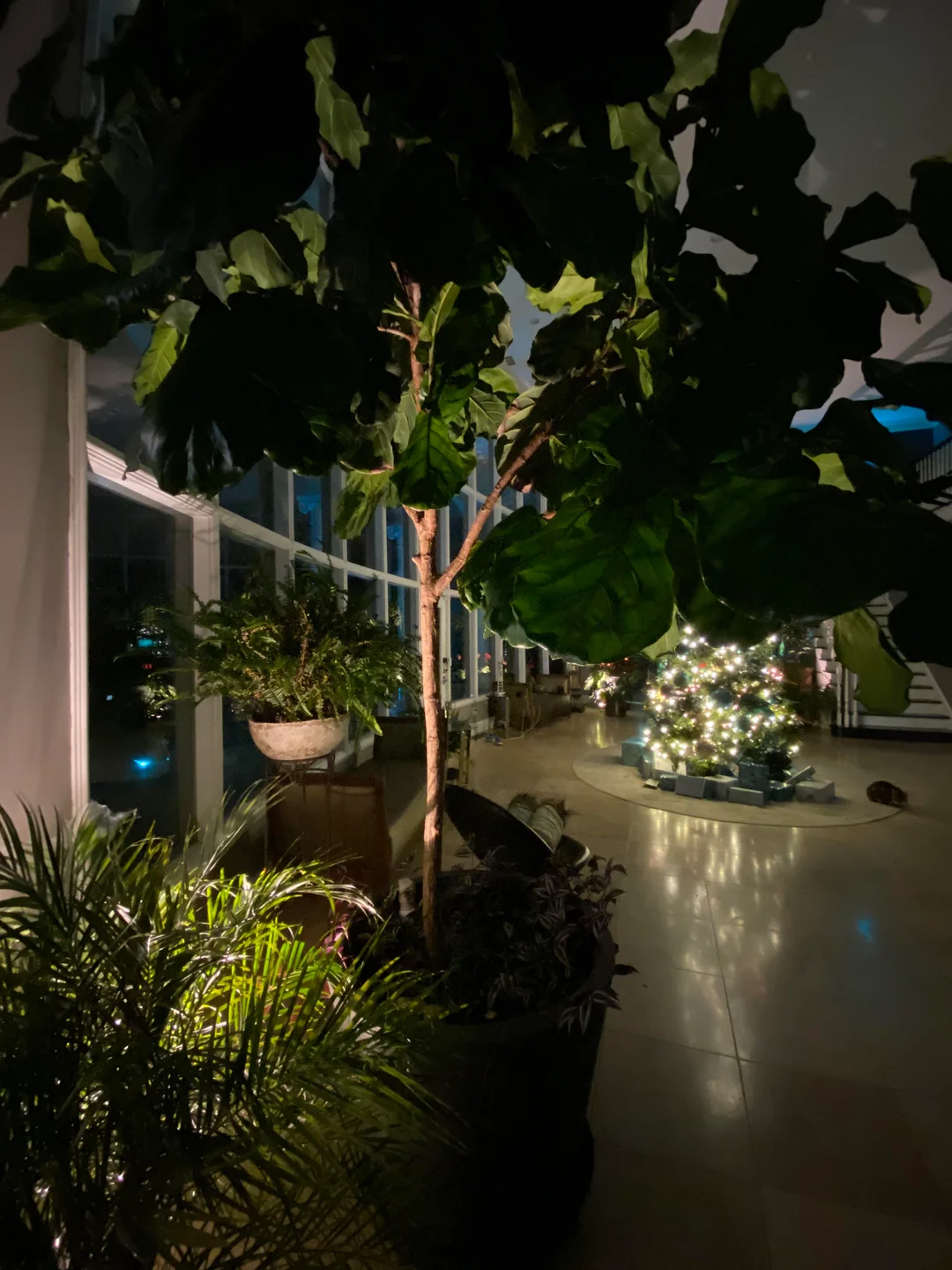
Some parts of your garden deserve a bit more focus. A tree, a stone wall, or a water feature can stand out with a small spotlight.
Aim the light upward or across the surface. Keep the beam soft. One or two spotlights are enough. Too many can make the space feel busy.
Candle Clusters for Quiet Corners
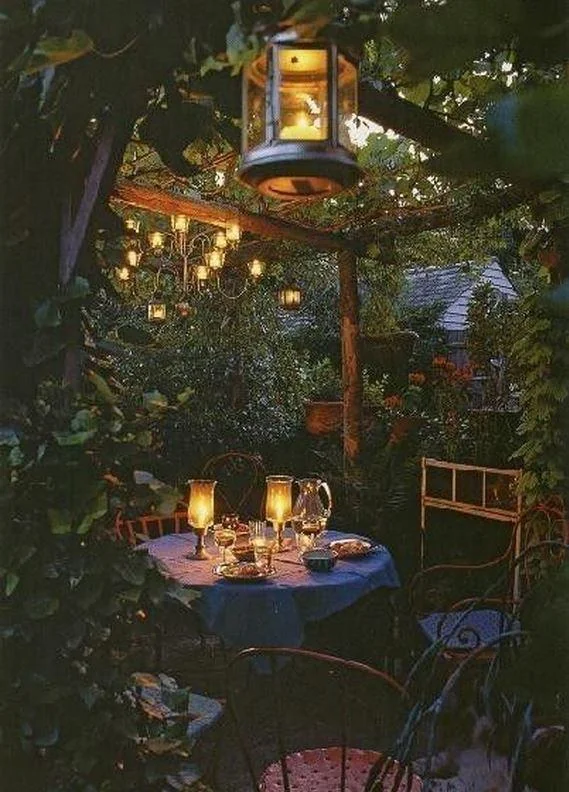
A few candles placed together can turn a small corner into a calm spot. Use safe holders and keep them away from wind.
Clusters work better than single candles. They give enough light to see while still keeping the area soft and quiet.
Deck and Patio Edge Lighting
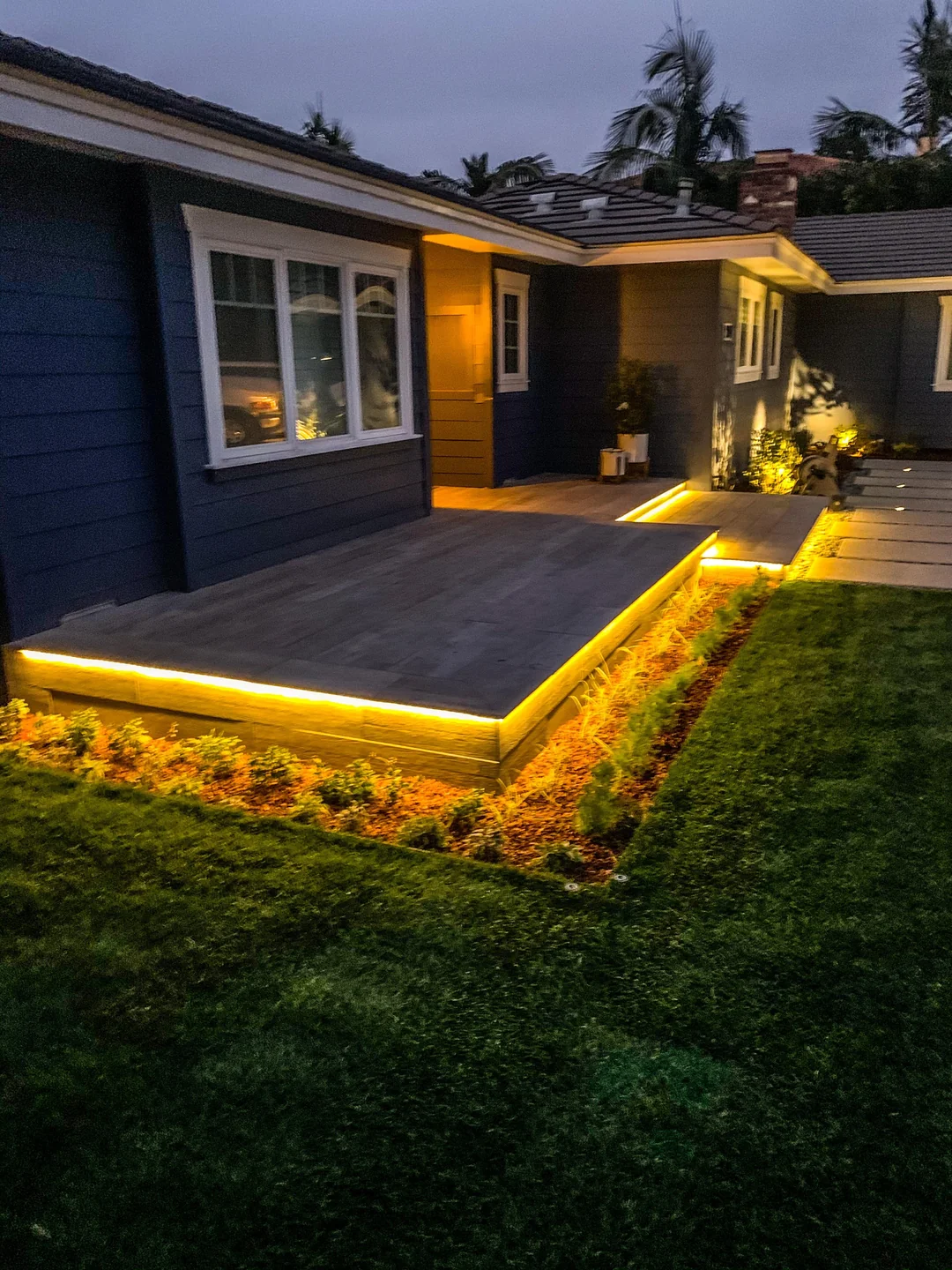
Edges of decks or patios can fade into darkness at night. A thin line of light along the edge keeps the space clear and easy to use.
This type of lighting also gives a clean look. It outlines the area without adding extra fixtures.
Mason Jar Lights for Simple Decor
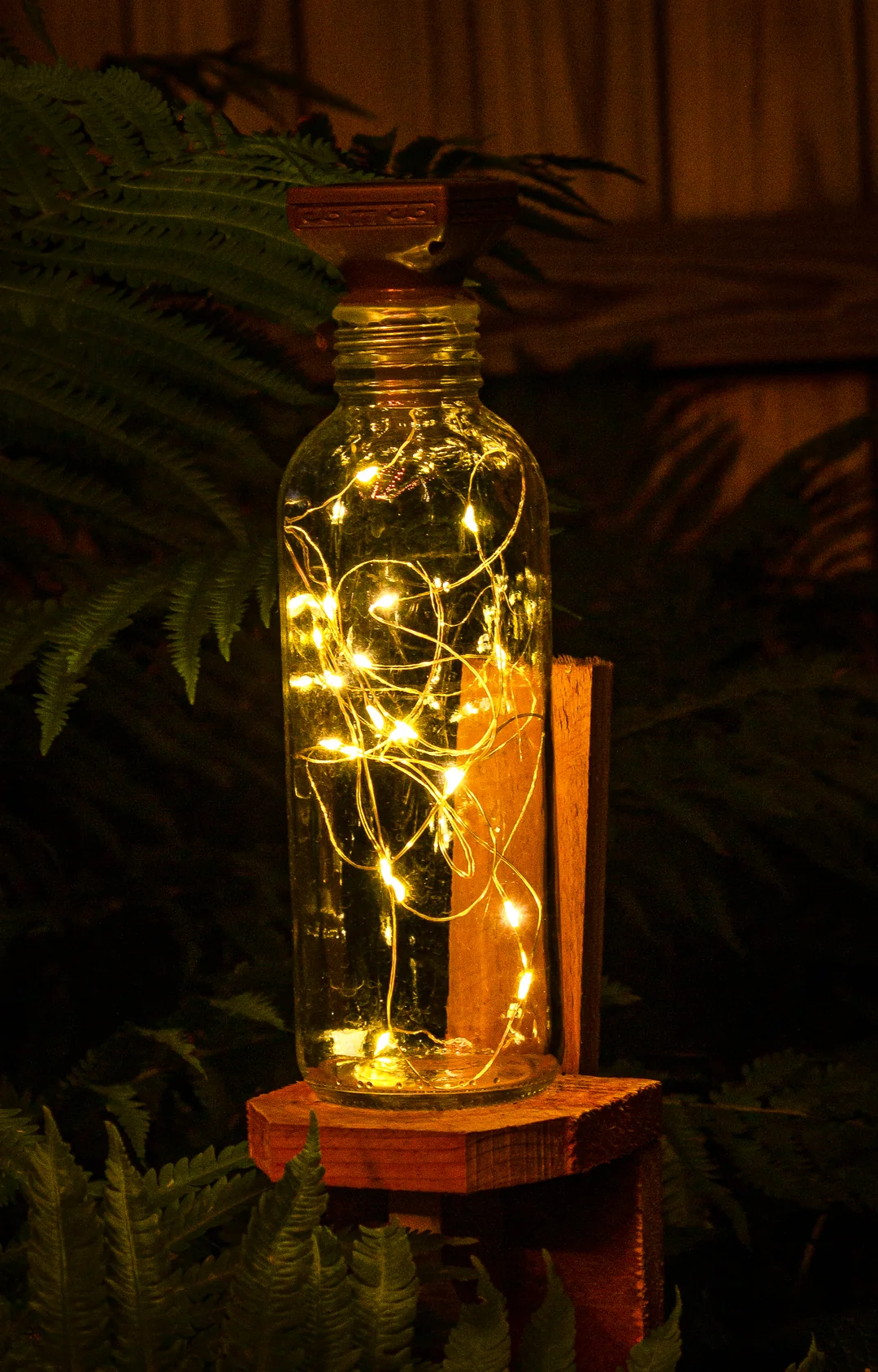
Mason jars with lights inside are easy to make and use. Place them on tables, steps, or hang them from hooks.
Use small LED lights or candles inside. The glass softens the light and spreads it evenly. This is a simple way to add charm without much cost.
Water Feature Lighting for Reflection
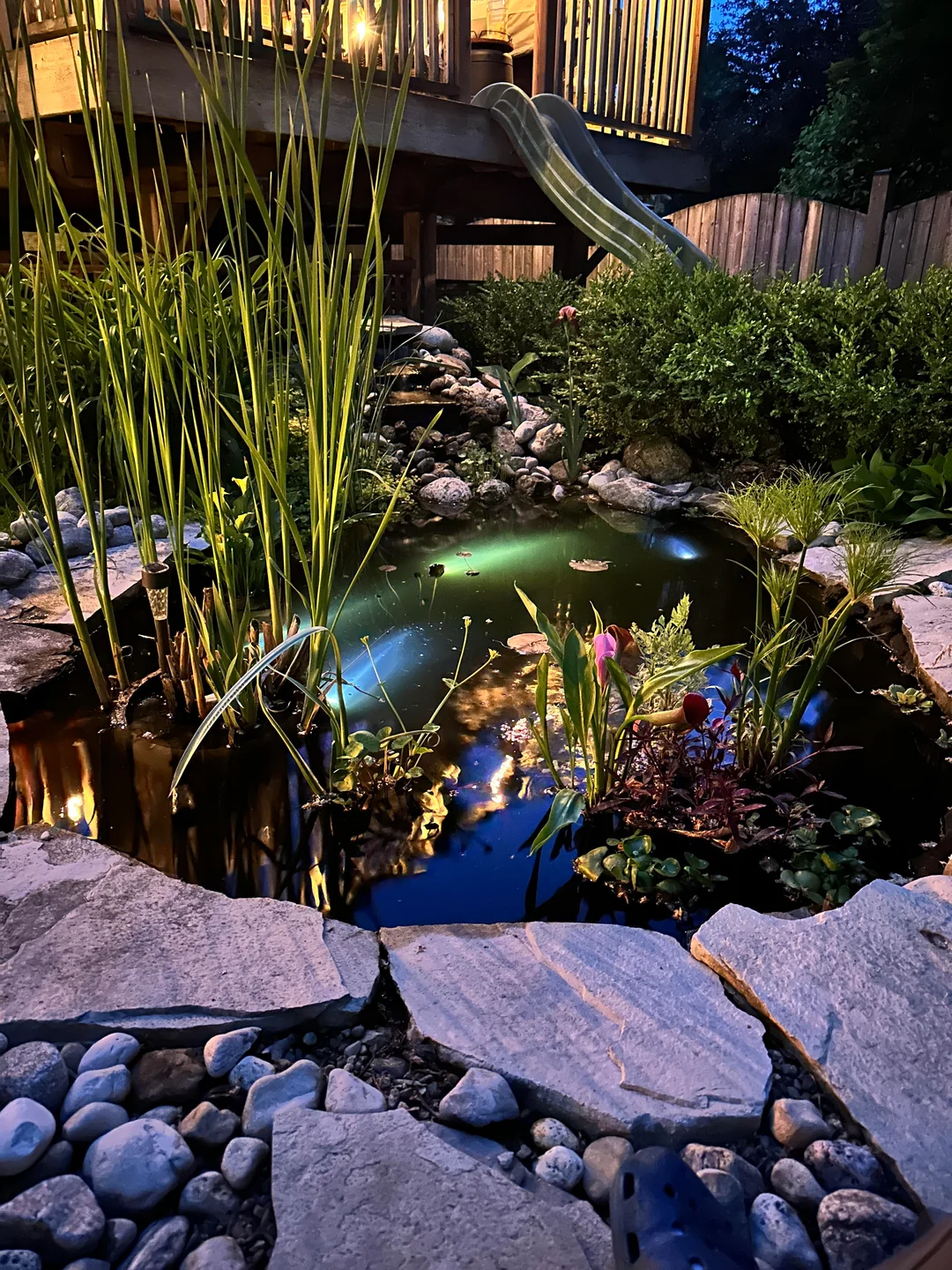
If you have a pond or fountain, adding light can change how it looks at night. A soft glow on water creates reflection and movement.
The light should be positioned so that it does not shine directly into your eyes. The best effect comes from light that hits the surface at an angle.
Fence Lighting for a Soft Border
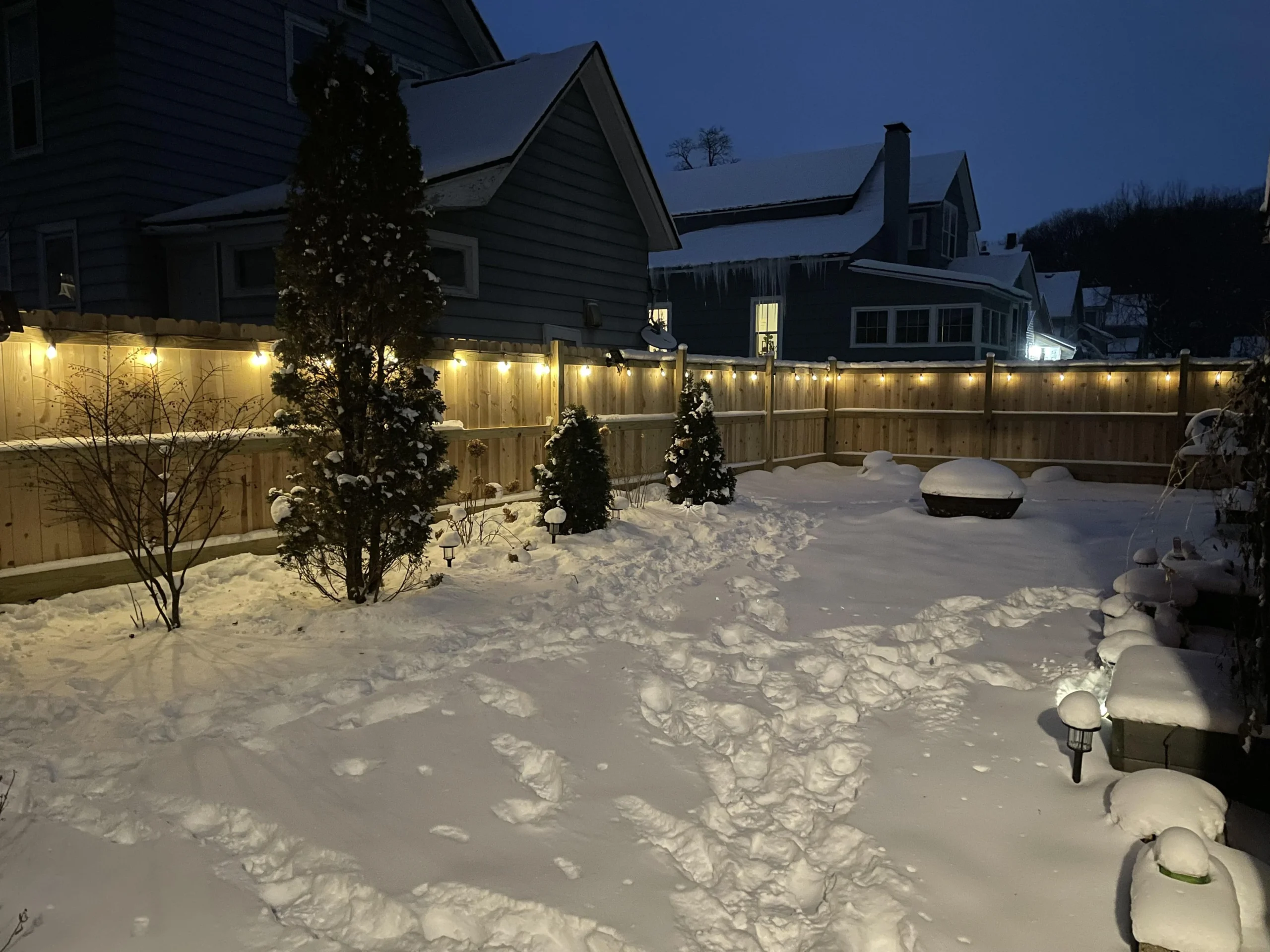
Fences can feel dark and closed at night. A few small lights along the fence line can open the space.
Keep the lights low and spaced out. This creates a soft border instead of a bright wall.
Tree Uplighting for Height and Depth
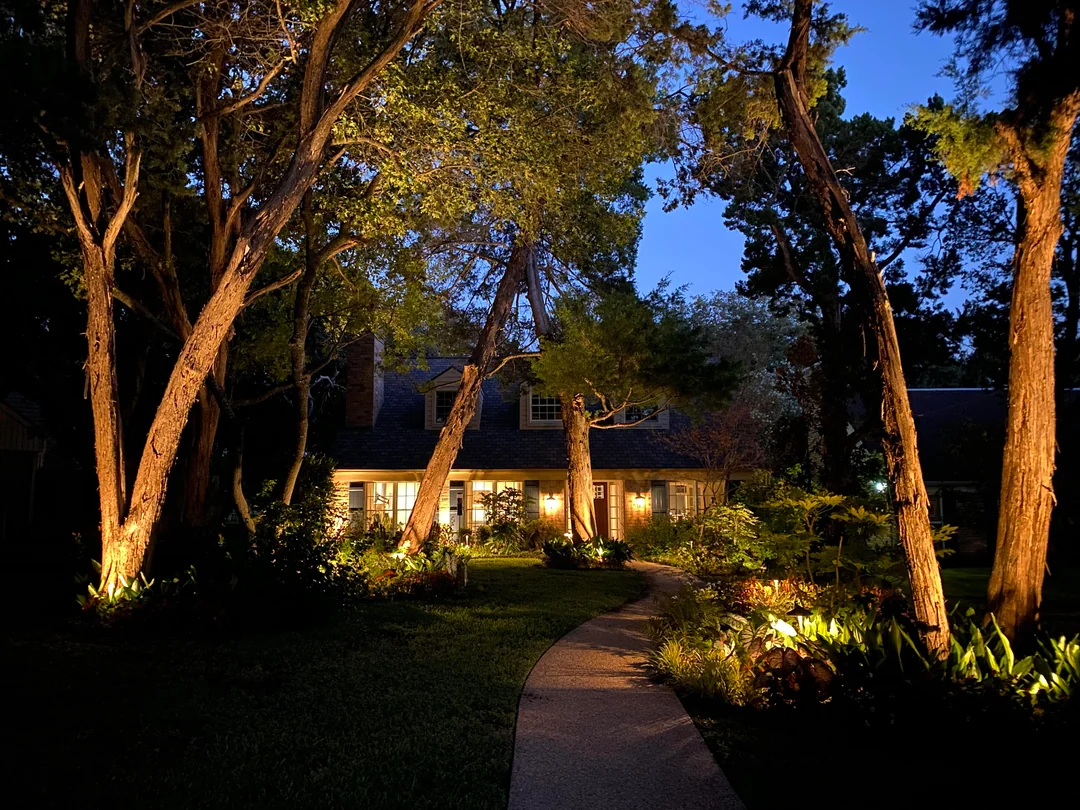
Tall trees can hold light well. A small light at the base pointing up can show the shape of the tree and add depth to the garden.
Do not overdo it. One or two trees lit this way can be enough to change the whole space.
Fire Pit Glow for Natural Light
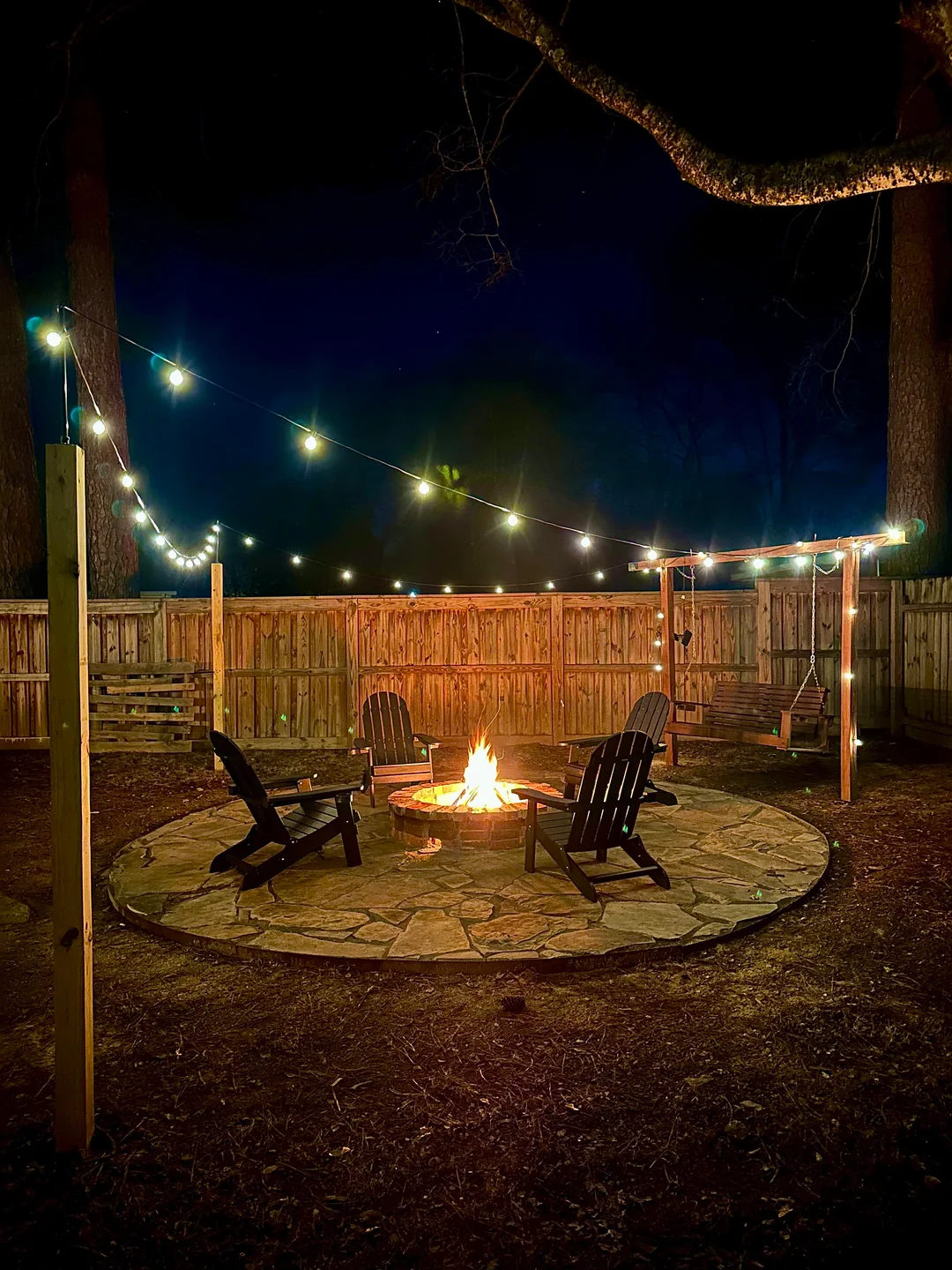
A fire pit gives both light and warmth. The glow is soft and moves with the flame, which adds life to the garden.
Place seating around it so people can gather and relax. Keep a safe distance and use proper materials to avoid risk.
Mixed Lighting for Balanced Design
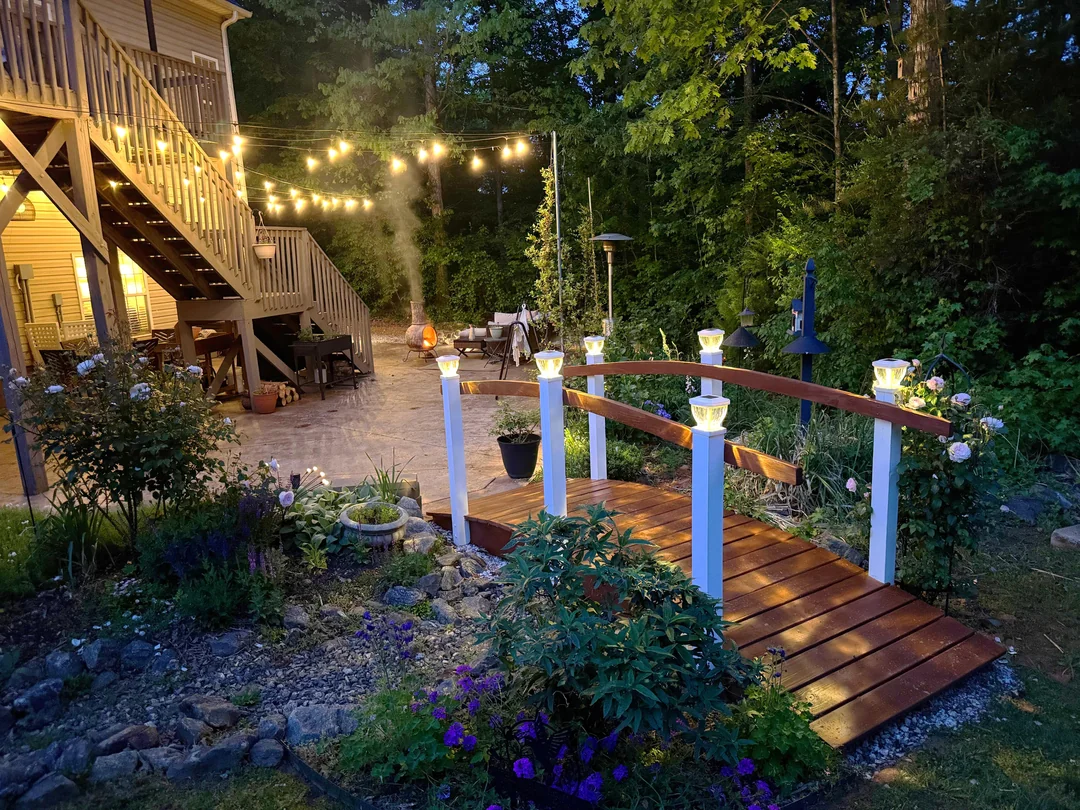
The best gardens do not rely on one type of light. A mix of string lights, path lights, and a few focused points creates balance.
Think about how you move through the space. Light the path, highlight one or two features, and keep the rest soft. This keeps the garden calm and easy to enjoy.
Final Thoughts
A cozy garden at night is built with care, not with more lights. Focus on how the space feels when you walk through it. Each light should have a purpose.
Start small. Add one layer at a time. Watch how the space changes. Over time, you will find the right balance that fits your home.
When the lighting feels right, your garden becomes more than a daytime space. It turns into a place where you can sit, relax, and enjoy quiet moments long after the sun is gone.

Fatima Khalid
BukayHome shares practical home decorating ideas, room inspiration, and simple styling tips to help readers create a home they truly love.