14 Stylish Garden Room Extensions for a Modern Home
14 Stylish Garden Room Extensions for a Modern Home
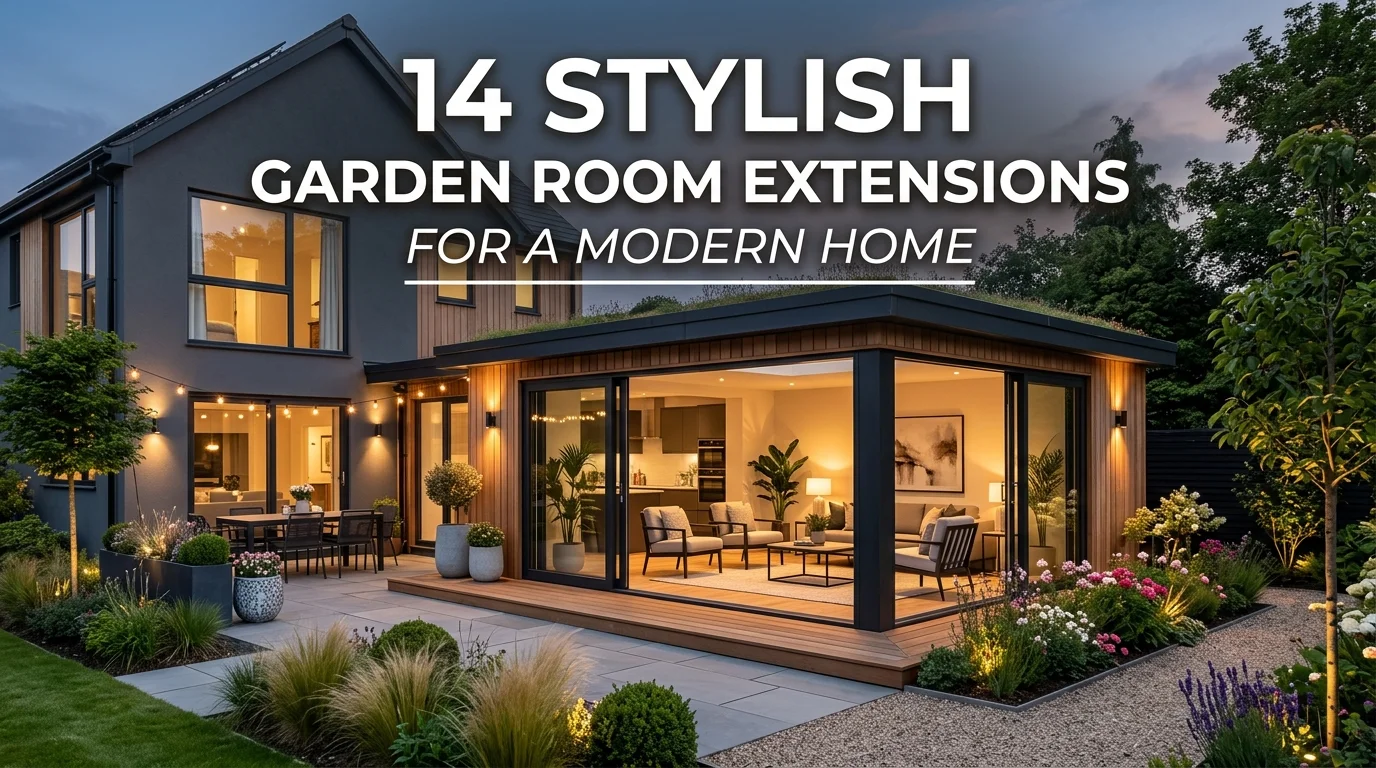
A garden room extension can change how you live in your home. It gives you more space without moving walls inside. After working on home extensions for over twenty years, I have seen one thing again and again. The best garden rooms are simple, useful, and built to fit daily life.
A modern garden room is not just about looks. It must work in all seasons, feel easy to use, and connect well with the house. When done right, it becomes part of your routine, not just an extra space.
This guide shares 14 ideas that help you build a garden room that feels clean, practical, and ready for real use.
Glass Garden Room for Full Outdoor Views
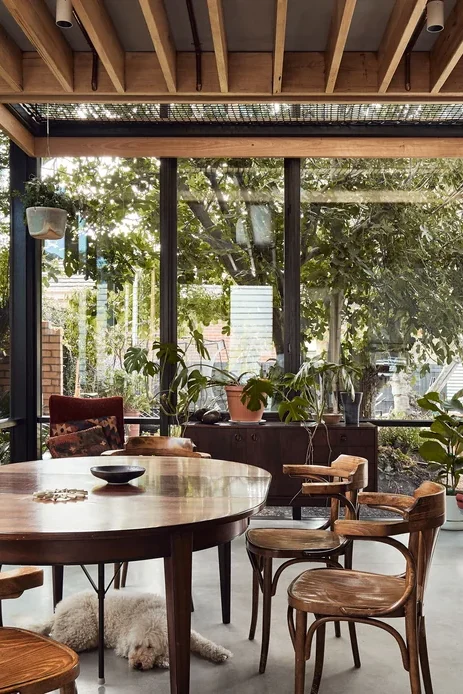
A glass garden room brings the outside in without losing comfort. Large glass panels let in light and give a clear view of the yard. This works well for people who want to feel close to nature while staying indoors.
Use strong, double-glazed glass to control heat and cold. Sliding doors make it easy to open the space on warm days. Keep the frame thin so the view stays open and clear.
Furniture should stay simple. Too many items can block the view and reduce the effect.
Compact Garden Office for Remote Work
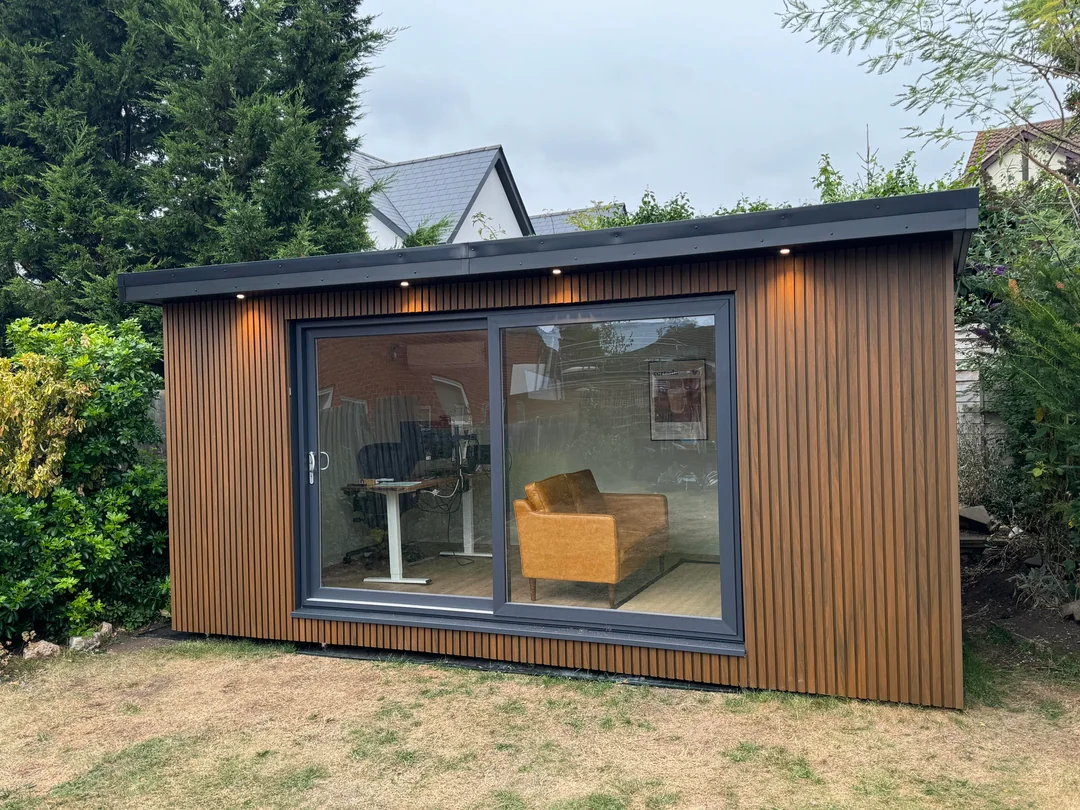
A garden office gives you a quiet place to work without leaving home. It creates distance from daily noise while still being close.
Sound control matters here. Use insulated walls and solid doors to keep the space calm. Add a desk near a window for natural light, but avoid glare on screens.
Keep storage simple and clean. A clutter-free office helps you focus better and use the space well.
Open-Plan Garden Lounge Extension
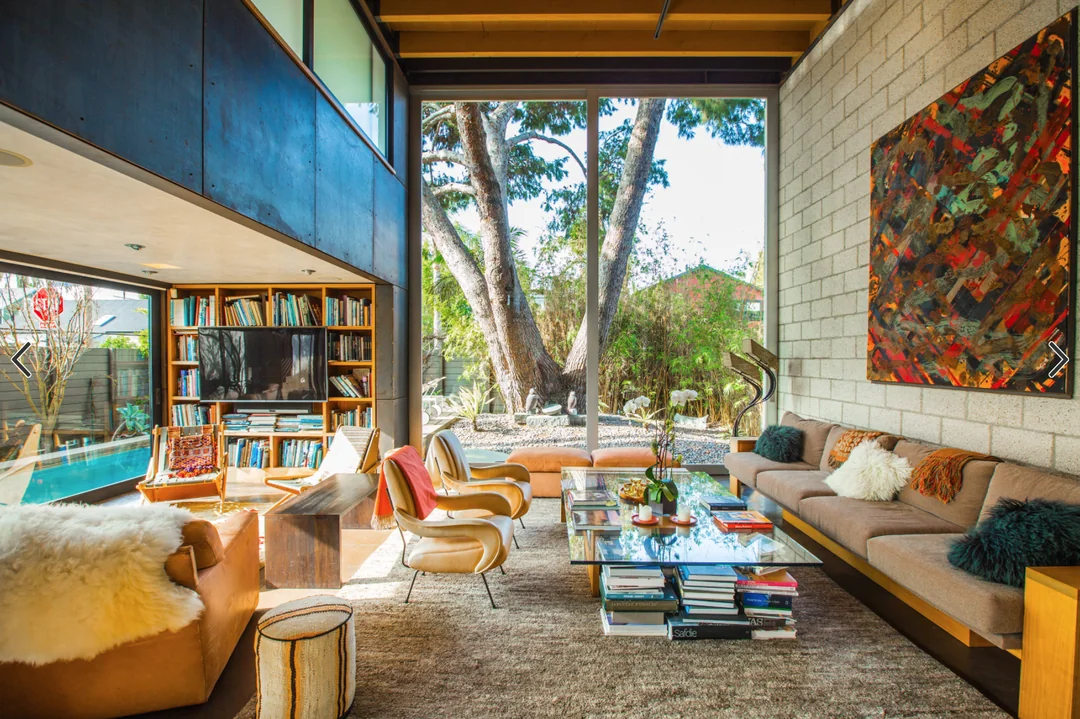
An open lounge extension connects your indoor living space to the garden. Large doors or folding panels help create one wide area when opened.
This setup works well for families or small gatherings. It allows people to move freely between inside and outside.
Use the same flooring style inside and out if possible. This helps the space feel connected and not broken.
Minimal Wooden Garden Room
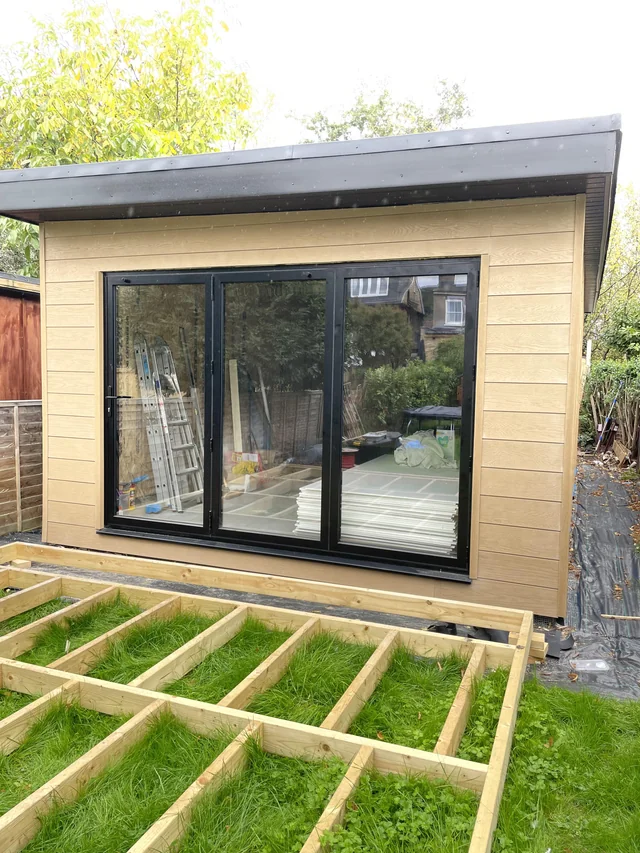
A wooden garden room brings warmth without adding too much detail. Clean lines and flat surfaces keep the design simple.
Use treated wood so it can handle weather over time. Light wood tones work well in modern homes and help reflect natural light.
Keep the structure simple. Straight edges and a clear shape make the room feel calm and easy to use.
Garden Dining Room for Daily Meals
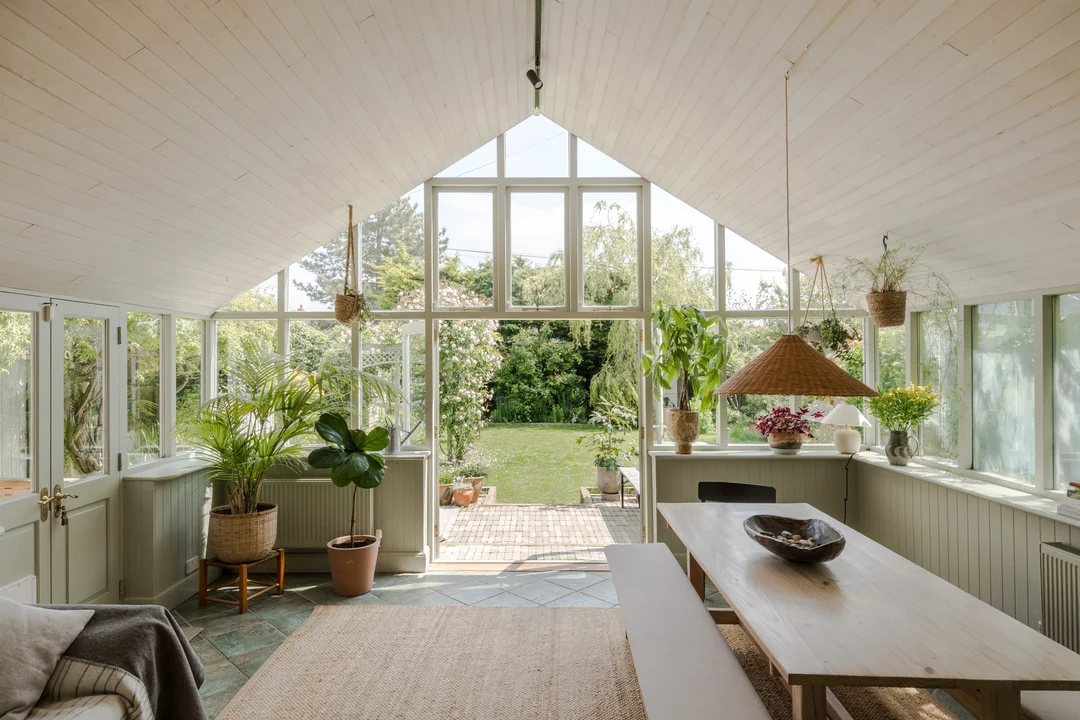
A garden dining room creates a calm place to eat with a view. It works well for both daily meals and small gatherings.
Place the table where it gets good light during the day. At night, use soft lighting to keep the space relaxed.
Make sure there is enough space around the table for easy movement. Tight layouts can make the room feel uncomfortable.
Garden Room with Sliding Glass Walls
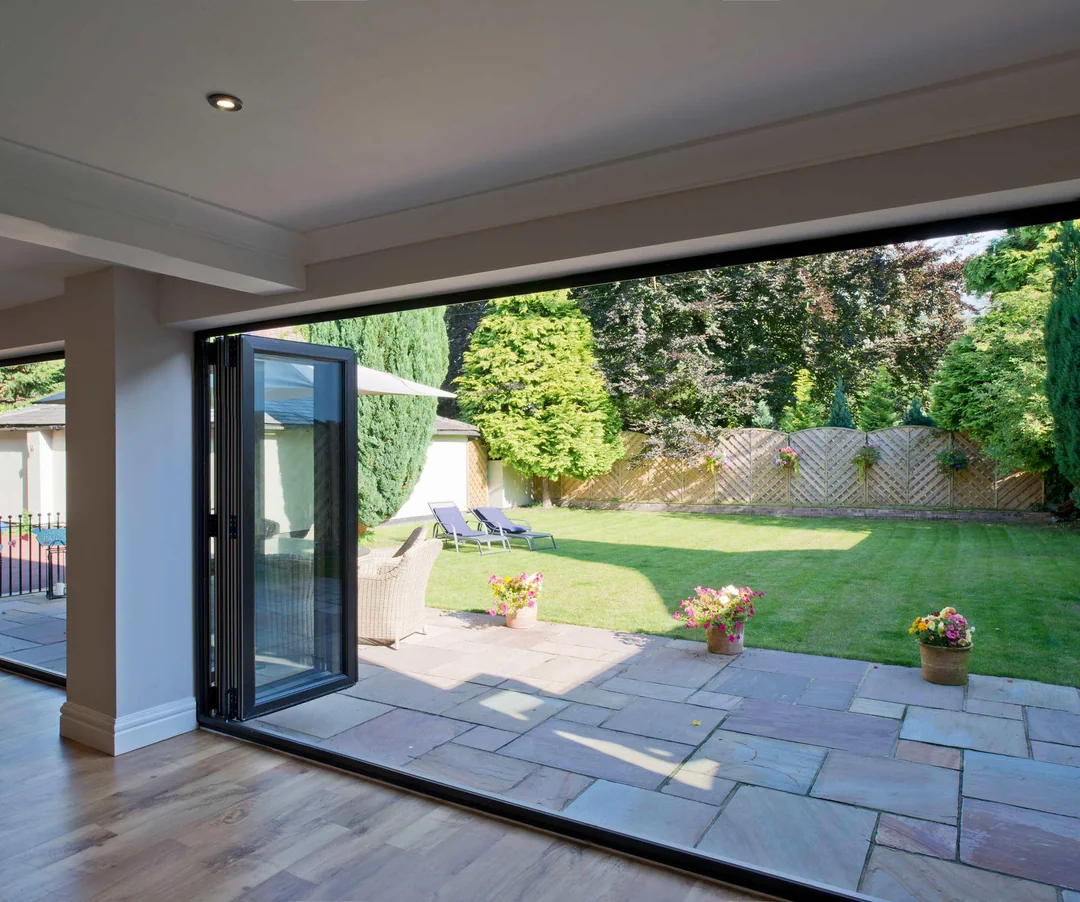
Sliding glass walls give you control over how open the space feels. You can close them in colder weather and open them fully when it is warm.
This type of extension works well in areas with changing seasons. It allows the room to adjust without needing major changes.
Use smooth tracks and quality fittings so the panels move easily over time.
Small Garden Studio for Creative Work
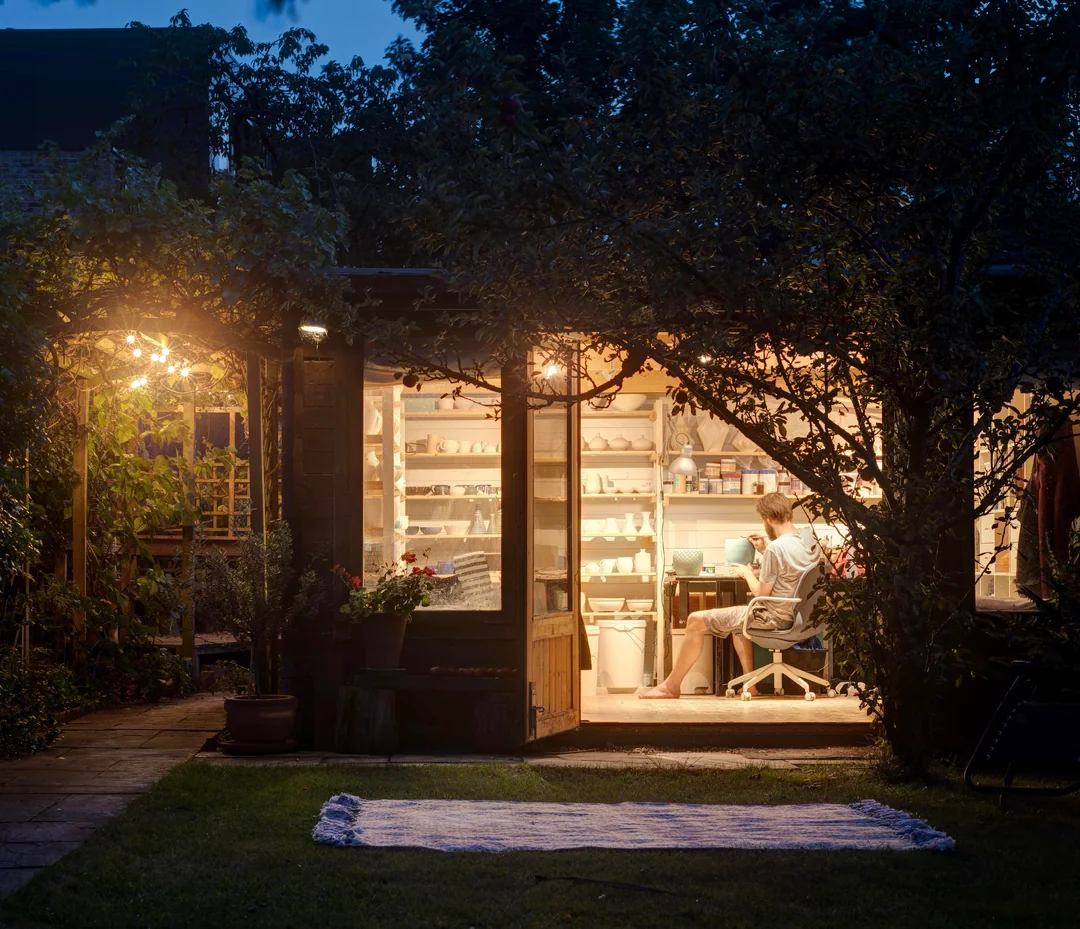
A garden studio is a quiet place for hobbies or creative tasks. It could be used for painting, writing, or any focused activity.
Natural light is important here. Large windows help, but direct sunlight should be managed to avoid discomfort.
Keep the layout open so you can move freely. A simple design helps keep your mind clear while working.
Garden Gym for Home Fitness
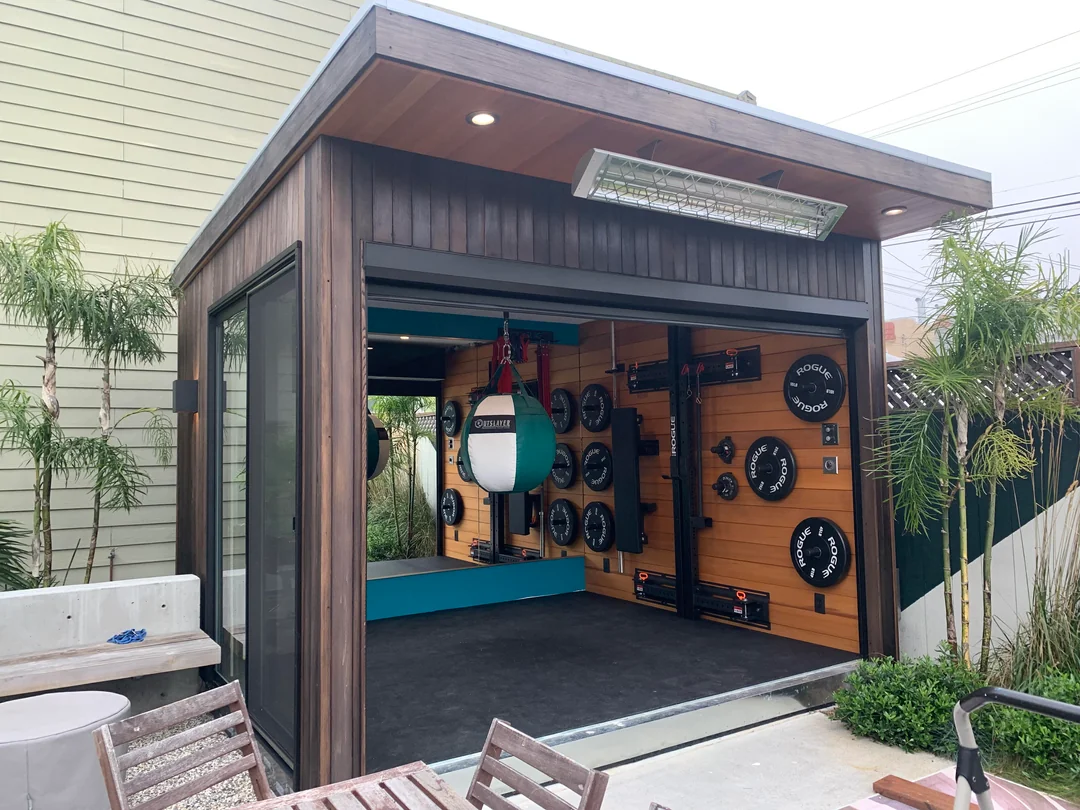
A garden gym saves time and gives you a private space to stay active. It removes the need to travel to a fitness center.
Use strong flooring that can handle weight and movement. Good airflow is also important to keep the space fresh.
Keep equipment to what you actually use. Too many items can make the room feel tight and hard to manage.
Indoor-Outdoor Living Room Blend
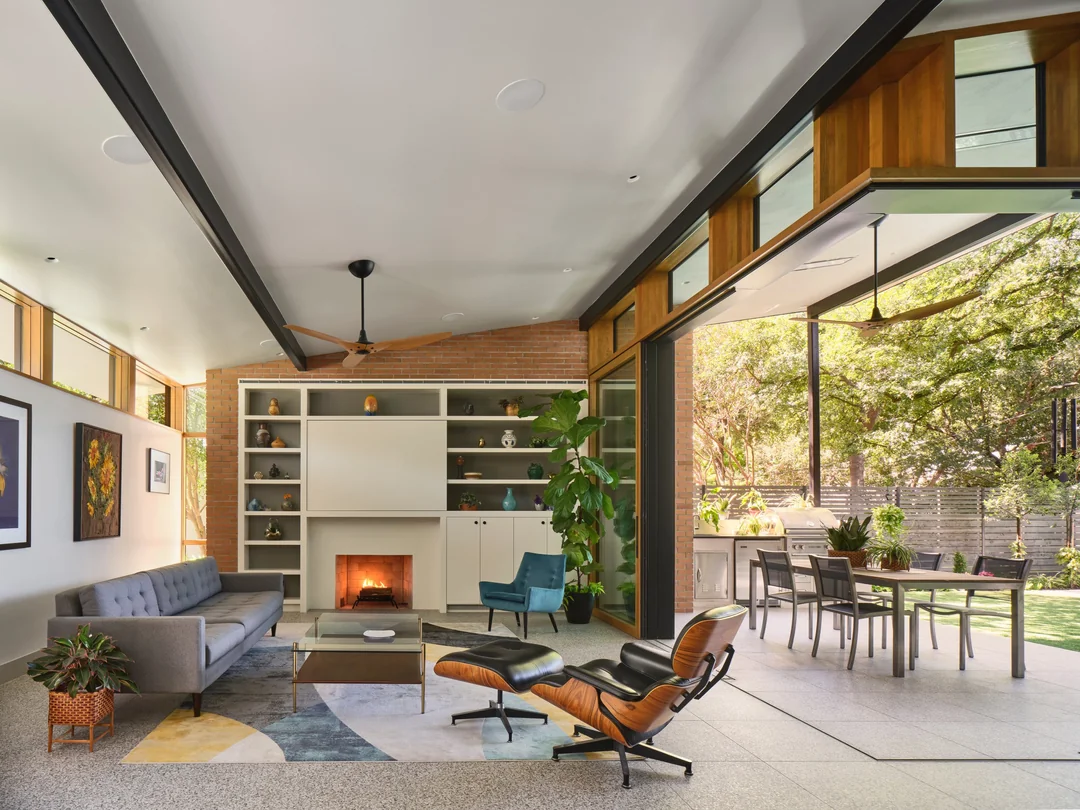
This idea blends indoor comfort with outdoor openness. Use wide openings and simple furniture to connect both areas.
Choose materials that work in both spaces. This keeps the design consistent and easy to maintain.
This setup works well for relaxing, reading, or spending time with family without feeling closed in.
Garden Room with Skylight Roof
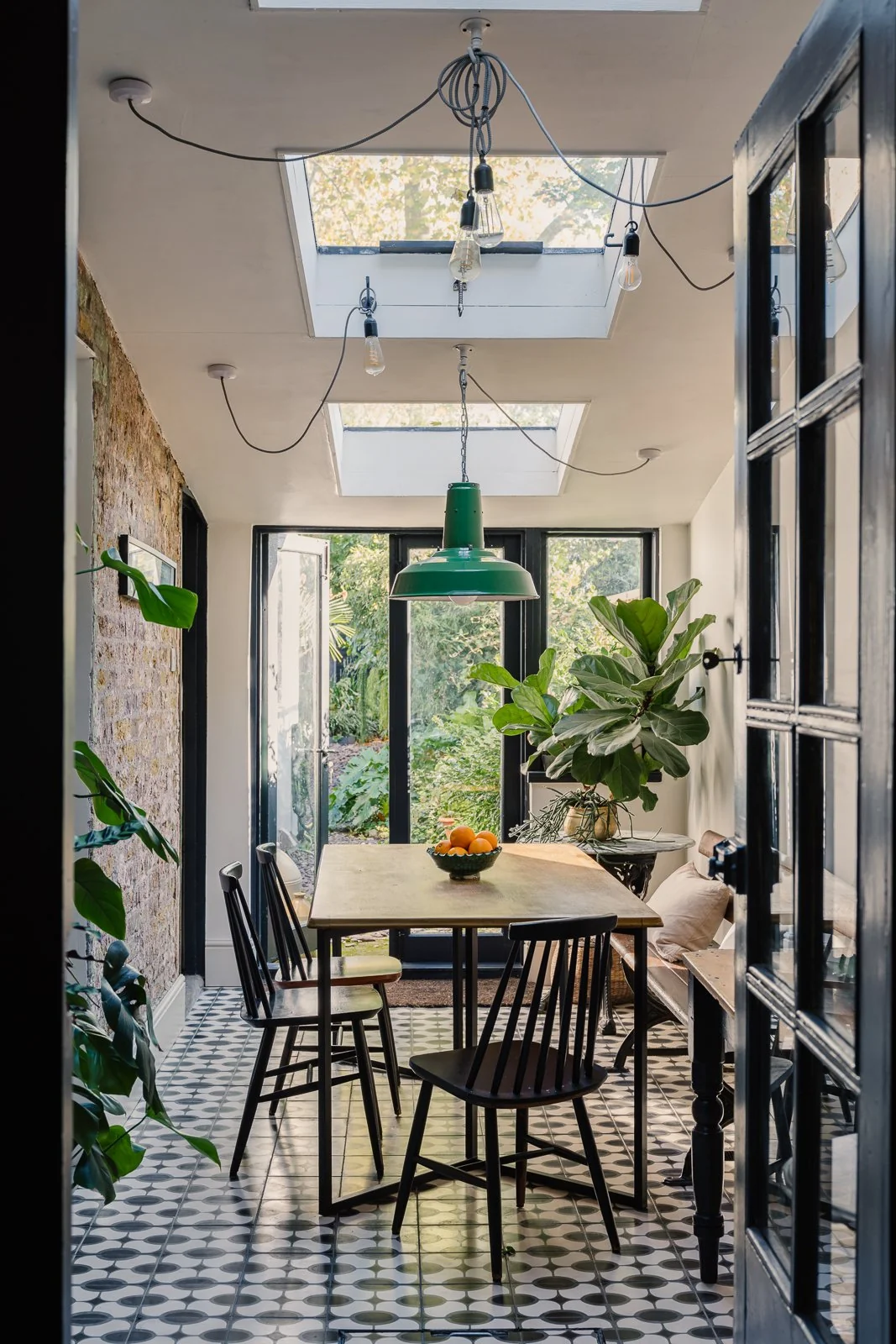
A skylight brings light from above, which changes how the room feels during the day. It reduces the need for artificial light and makes the space feel open.
Place the skylight where it spreads light evenly. Avoid placing it where it creates too much heat.
Use proper insulation around the frame to prevent heat loss or gain.
Brick Garden Extension for Strong Structure
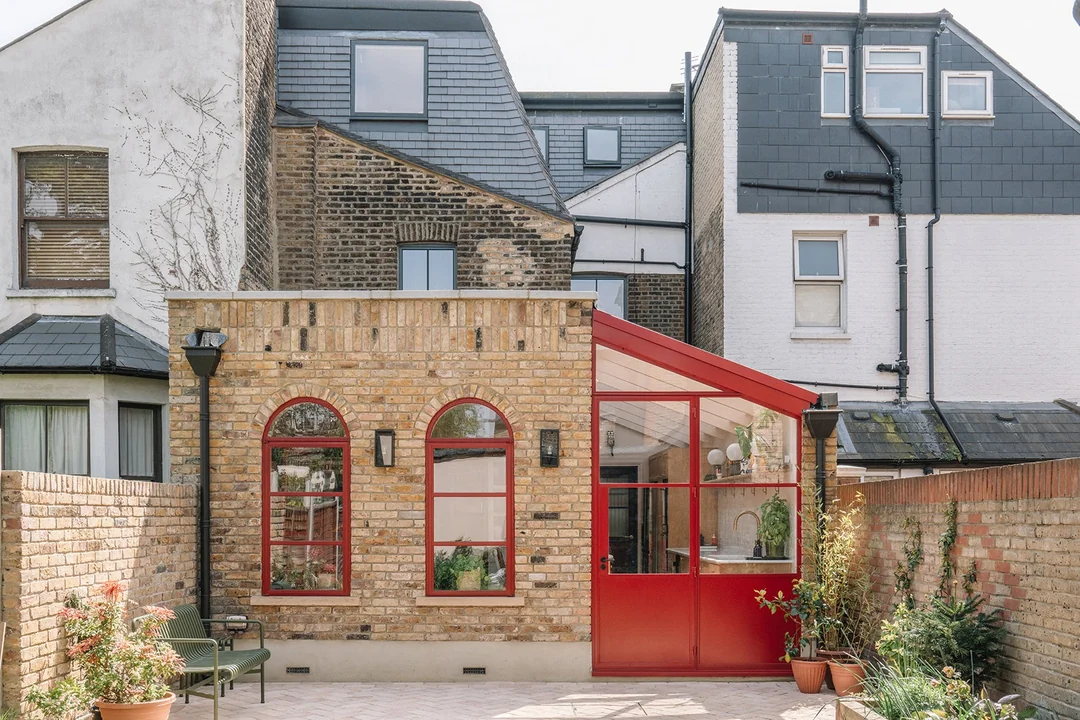
A brick extension gives a solid and long-lasting space. It blends well with many homes and requires less upkeep.
Brick holds temperature well, which helps in both summer and winter. This makes the room more comfortable year-round.
Keep the design simple to match modern styles. Clean lines and clear shapes work best.
Garden Room with Built-In Storage
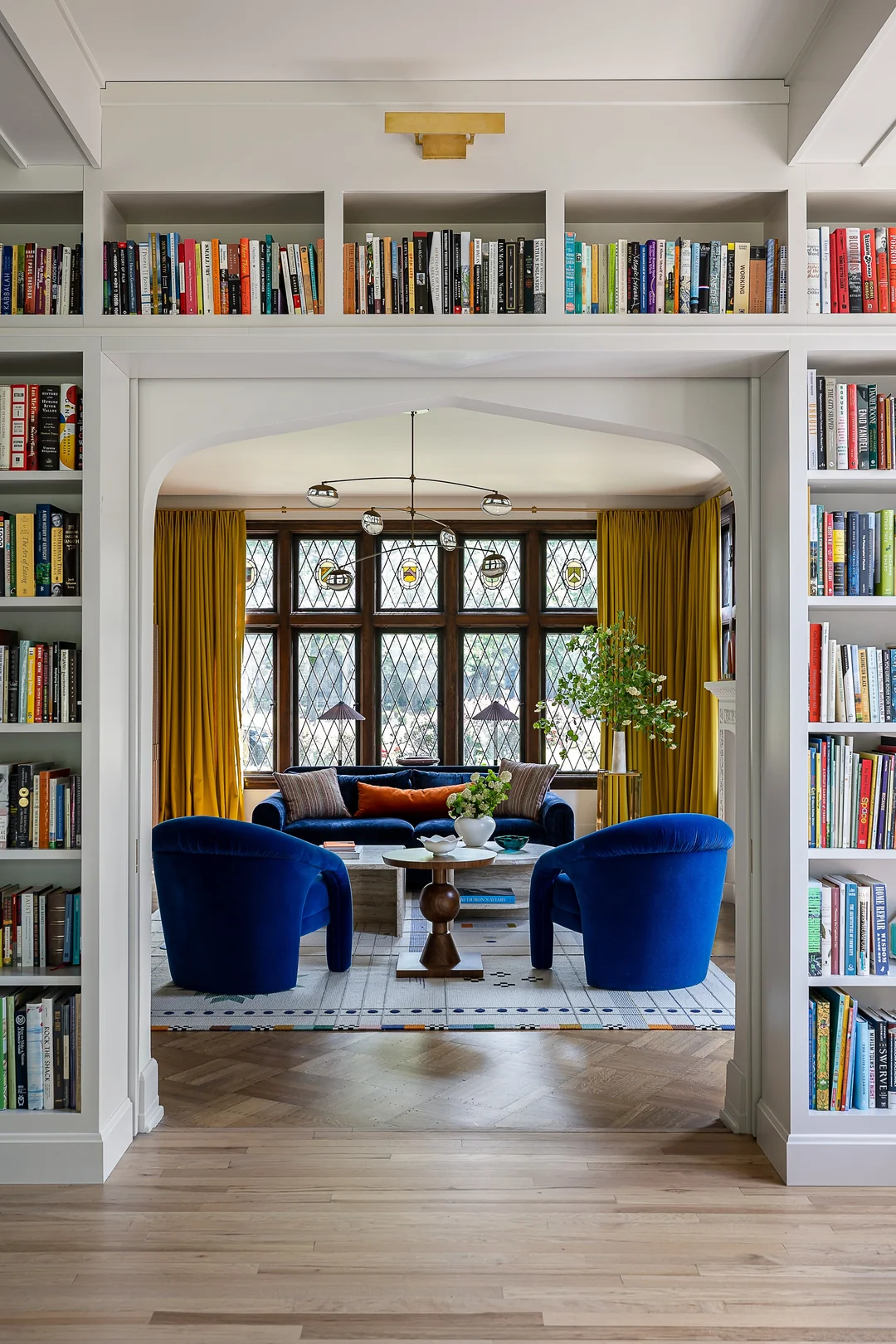
Storage is often overlooked in garden rooms. Built-in shelves or cabinets help keep the space clean and organized.
Plan storage based on how you use the room. This avoids adding extra furniture later.
Hidden storage works well in modern spaces. It keeps the room looking neat without extra effort.
Multi-Use Garden Room for Flexibility
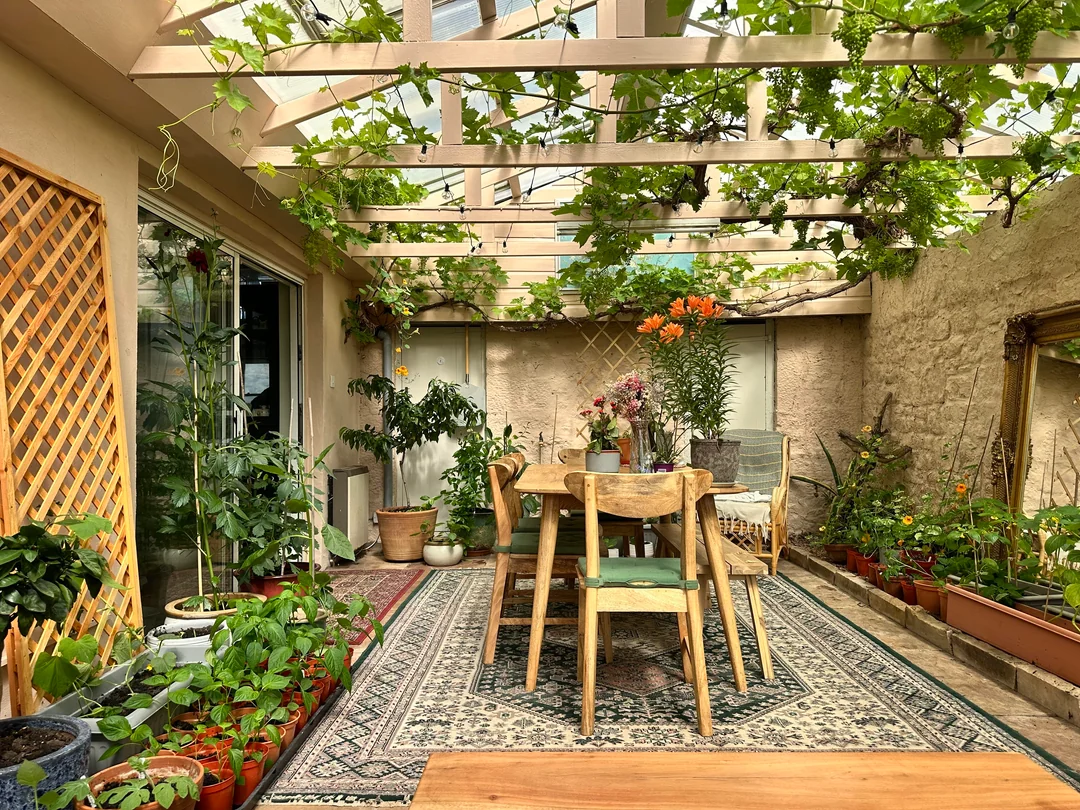
A multi-use room adapts to different needs. It can be a workspace during the day and a lounge in the evening.
Use flexible furniture like foldable tables or movable seating. This allows quick changes without effort.
Keep the layout open so the space can shift easily from one use to another.
Fully Insulated Garden Room for Year-Round Use
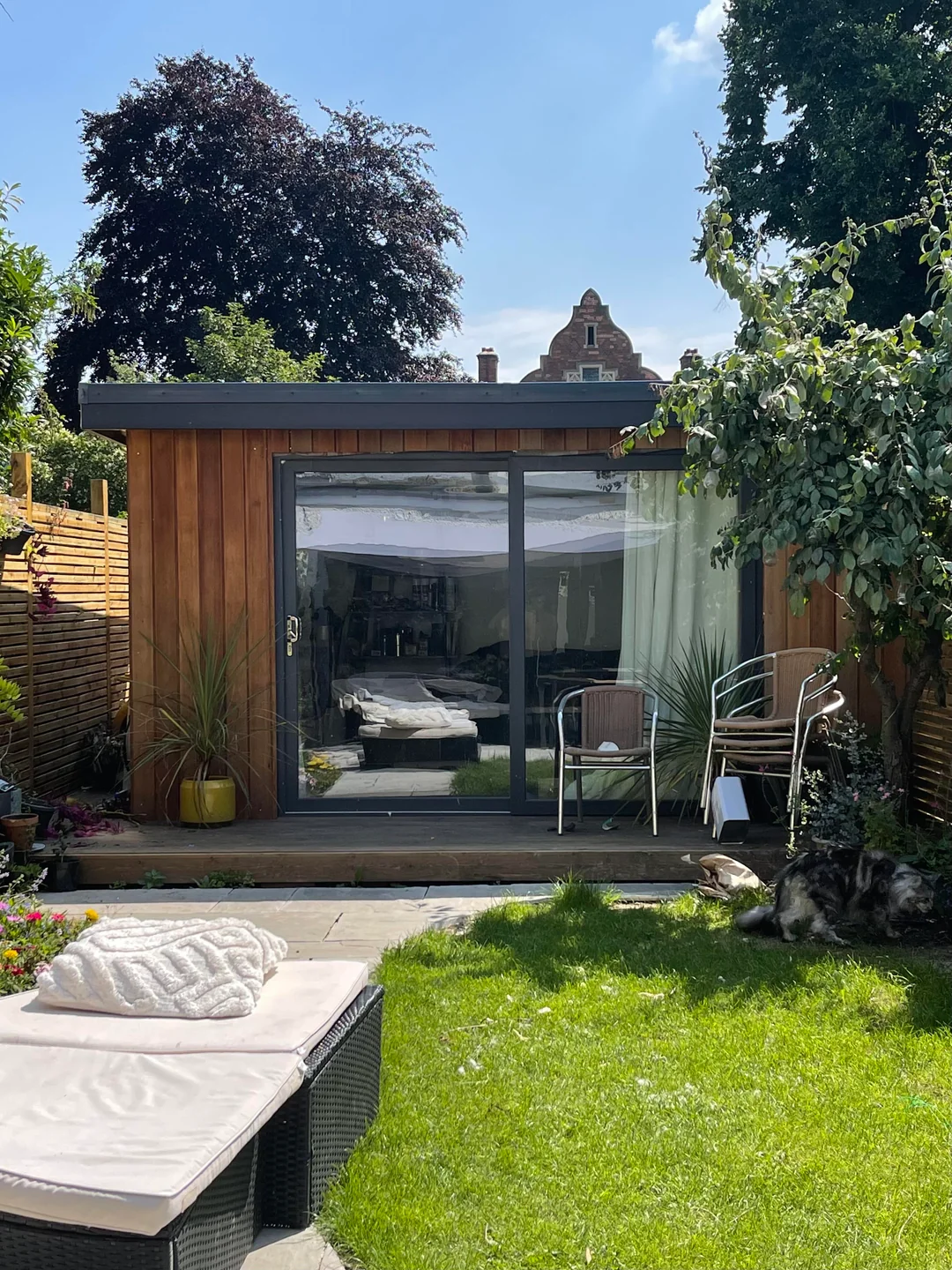
Insulation is key if you plan to use the space all year. Walls, floors, and ceilings should all be properly insulated.
This keeps the room warm in winter and cool in summer. It also helps reduce noise from outside.
Good insulation turns a garden room from a seasonal space into a full part of your home.
Final Thoughts
A stylish garden room extension is not about adding more space. It is about adding the right space. It should match how you live and what you need each day.
Focus on comfort, layout, and long-term use. Keep the design simple so it stays easy to manage over time.
When planned well, a garden room becomes more than an extra area. It becomes a place you use often, a space that adds value to your home, and a quiet spot that improves daily life.

Fatima Khalid
BukayHome shares practical home decorating ideas, room inspiration, and simple styling tips to help readers create a home they truly love.