
16 Beach Bedroom Ideas Perfect For 2026 Style
You know that feeling when you walk into a beach house and instantly relax? Yeah, that’s exactly what we’re trying to recreate here. A beach bedroom isn’t just about decor—it’s about mood, light, and that “I could nap forever here” energy.
I’ve tried a few of these ideas myself (some worked better than others—looking at you, sandy decor experiment :/). But trust me, when you get it right, your bedroom turns into a calm little escape you’ll actually want to hang out in.
So, ready to bring those beachy vibes home? Let’s get into it.
1. Stick to a Soft Coastal Color Palette
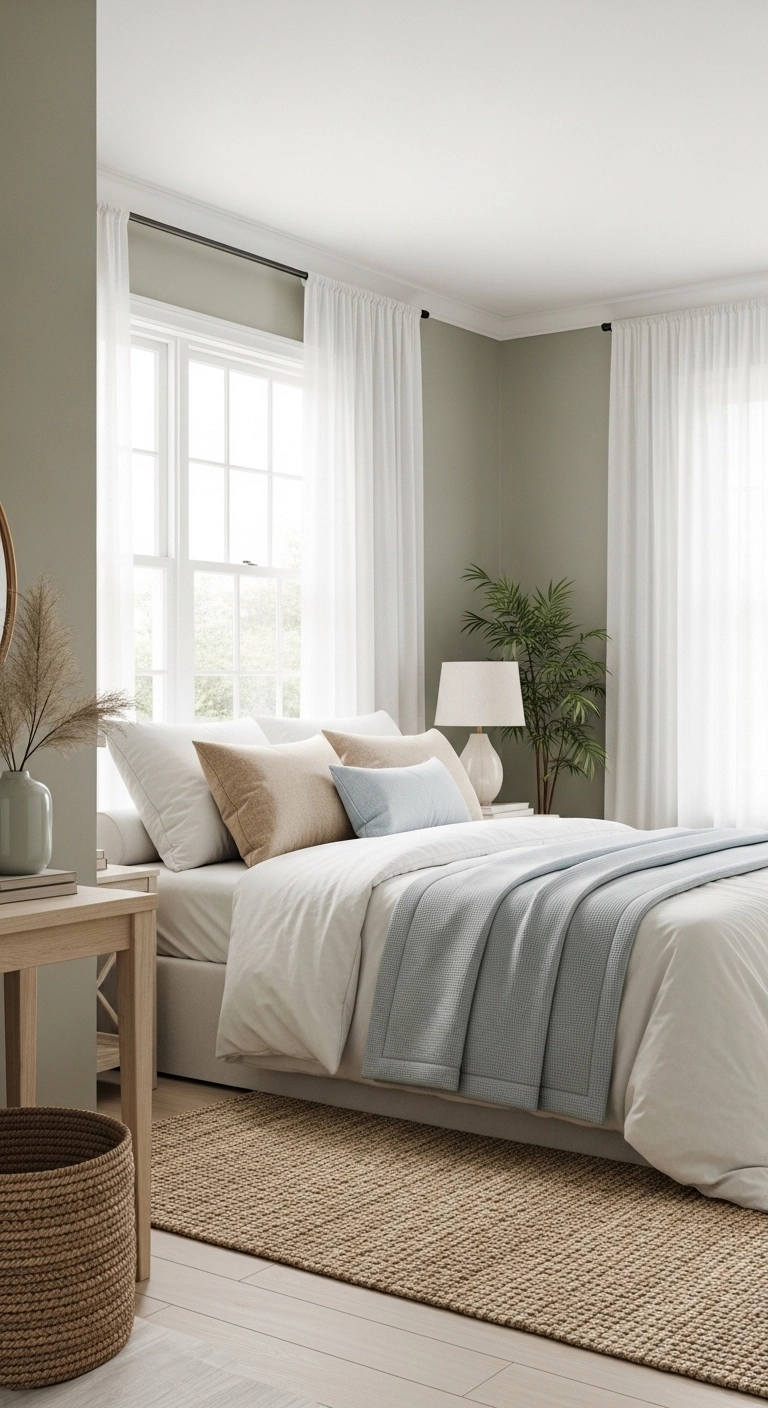
If you mess this up, everything else feels off. Colors set the tone—literally.
Think about the beach. What do you see?
- Soft whites
- Sandy beige tones
- Light blues
- Muted greens
Keep your palette light and airy. Avoid heavy or dark colors that kill the relaxed vibe.
IMO, I once tried navy walls thinking it would look “luxury coastal.” It didn’t. It felt like a submarine.
2. Use Natural Materials Everywhere
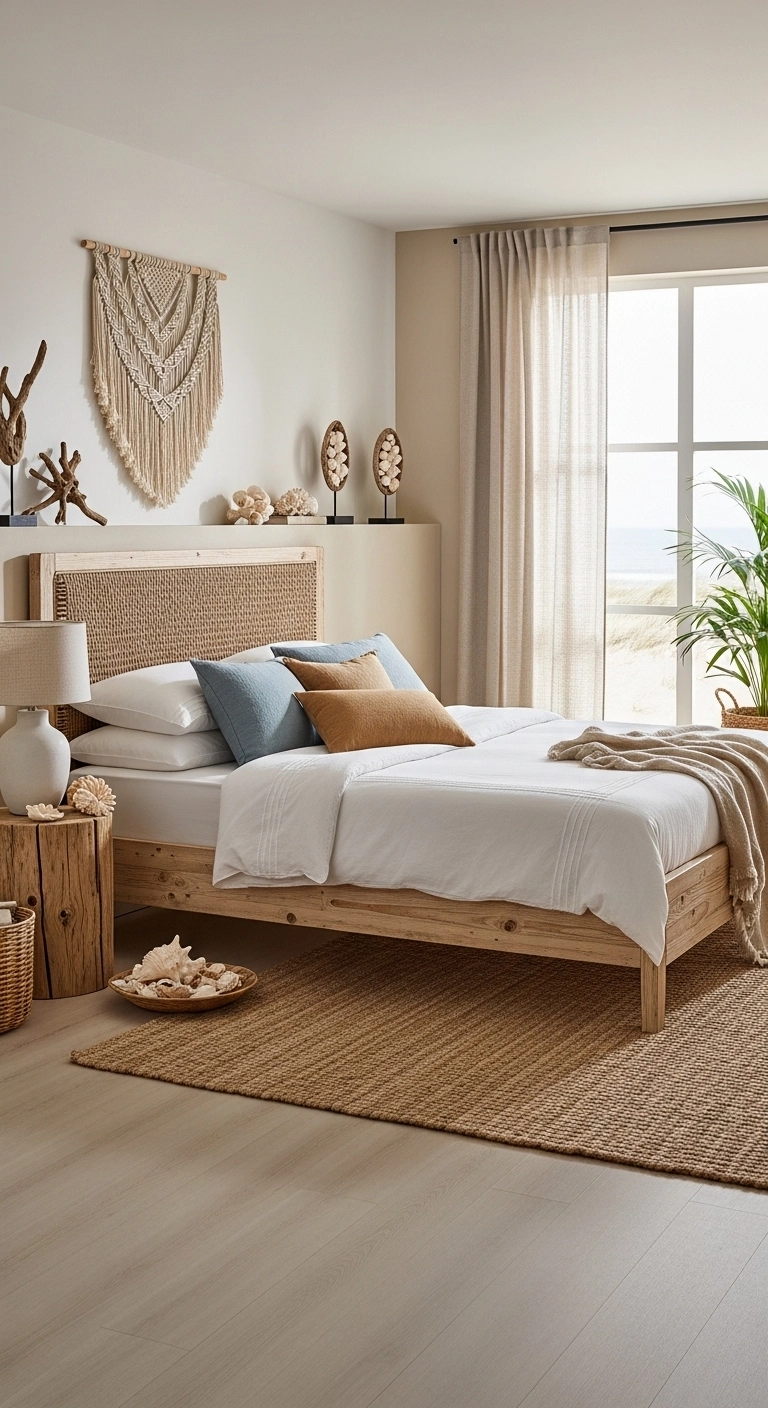
Beach style screams natural textures. You want your space to feel grounded, not overly polished.
Go for materials like:
- Wood (especially light or weathered)
- Rattan
- Wicker
- Linen
- Jute
Mix textures instead of matching everything perfectly. That slight mismatch makes the room feel organic and real.
Ever noticed how nothing at the beach looks perfectly coordinated? Exactly.
3. Choose Light, Breezy Bedding
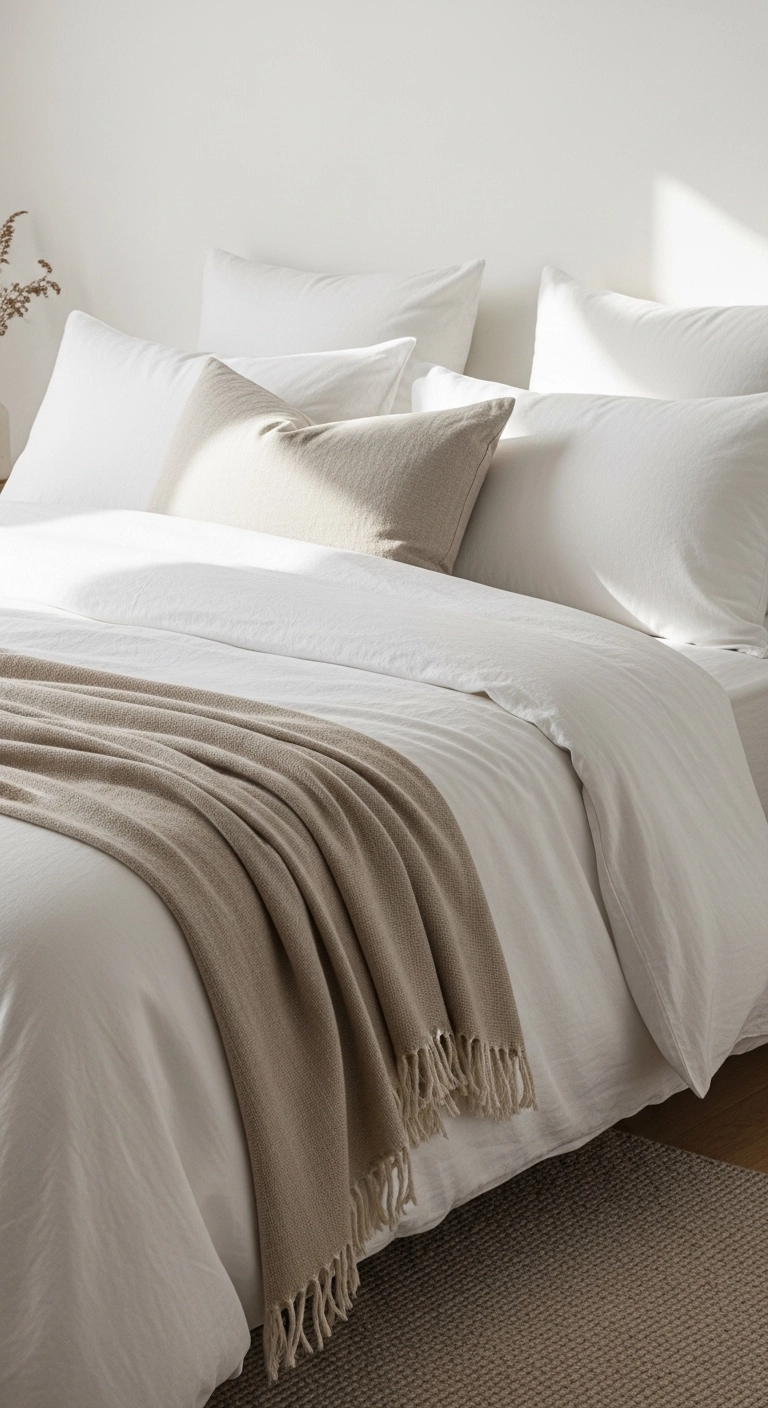
Your bed should look like you just want to flop into it after a long day.
Go for:
- White or neutral bed sheets
- Lightweight comforters
- Linen or cotton fabrics
Avoid heavy duvets unless you enjoy sweating at night (no judgment… kinda).
I personally switched to linen sheets, and wow—game changer. Slightly wrinkled, but in a “effortless cool” way 🙂
4. Add Coastal-Inspired Wall Art
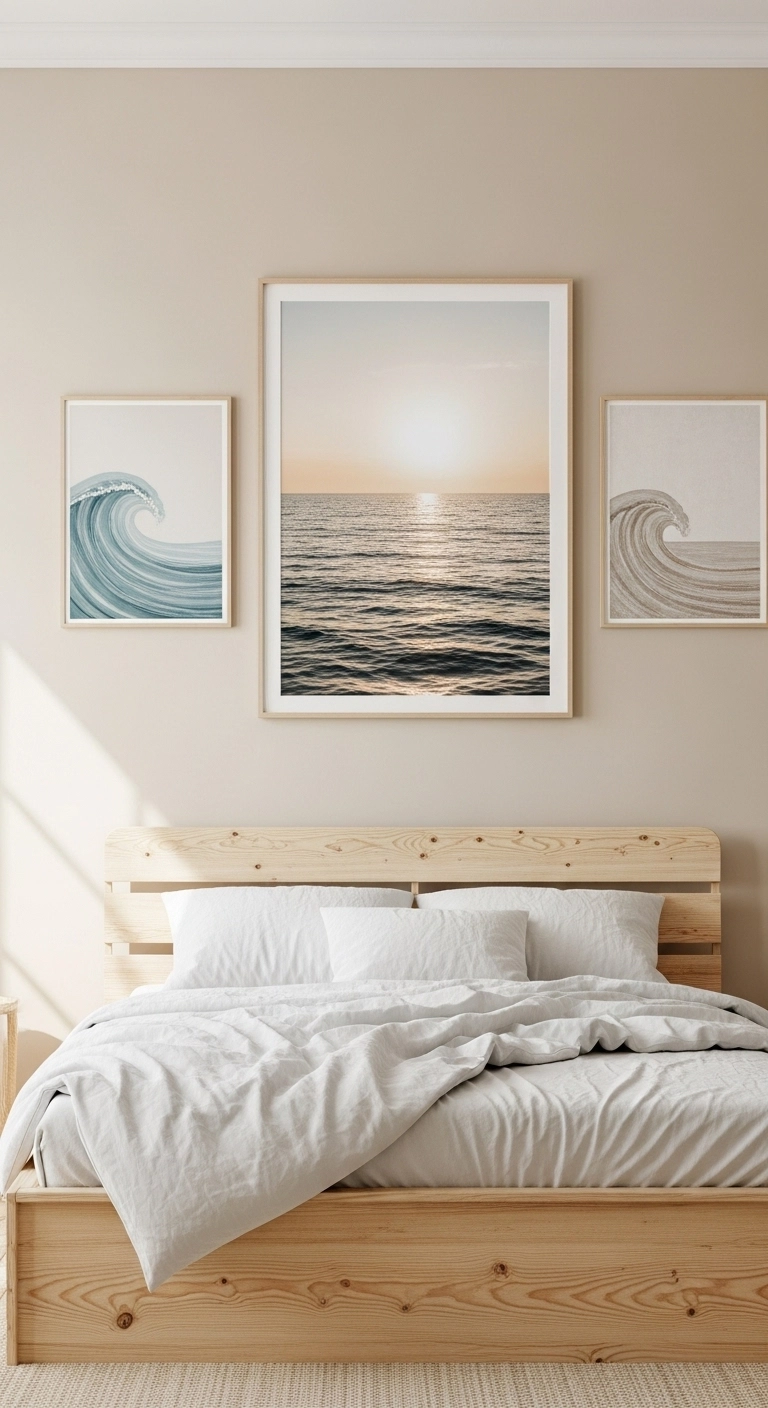
Blank walls feel boring, but overdoing it feels cluttered. Balance matters.
Good beach wall art ideas:
- Ocean photography
- Minimal wave prints
- Abstract coastal tones
- Driftwood frames
Keep it simple and meaningful. You don’t need a giant “BEACH LIFE” sign unless you really love shouting your theme.
5. Let Natural Light Take Over
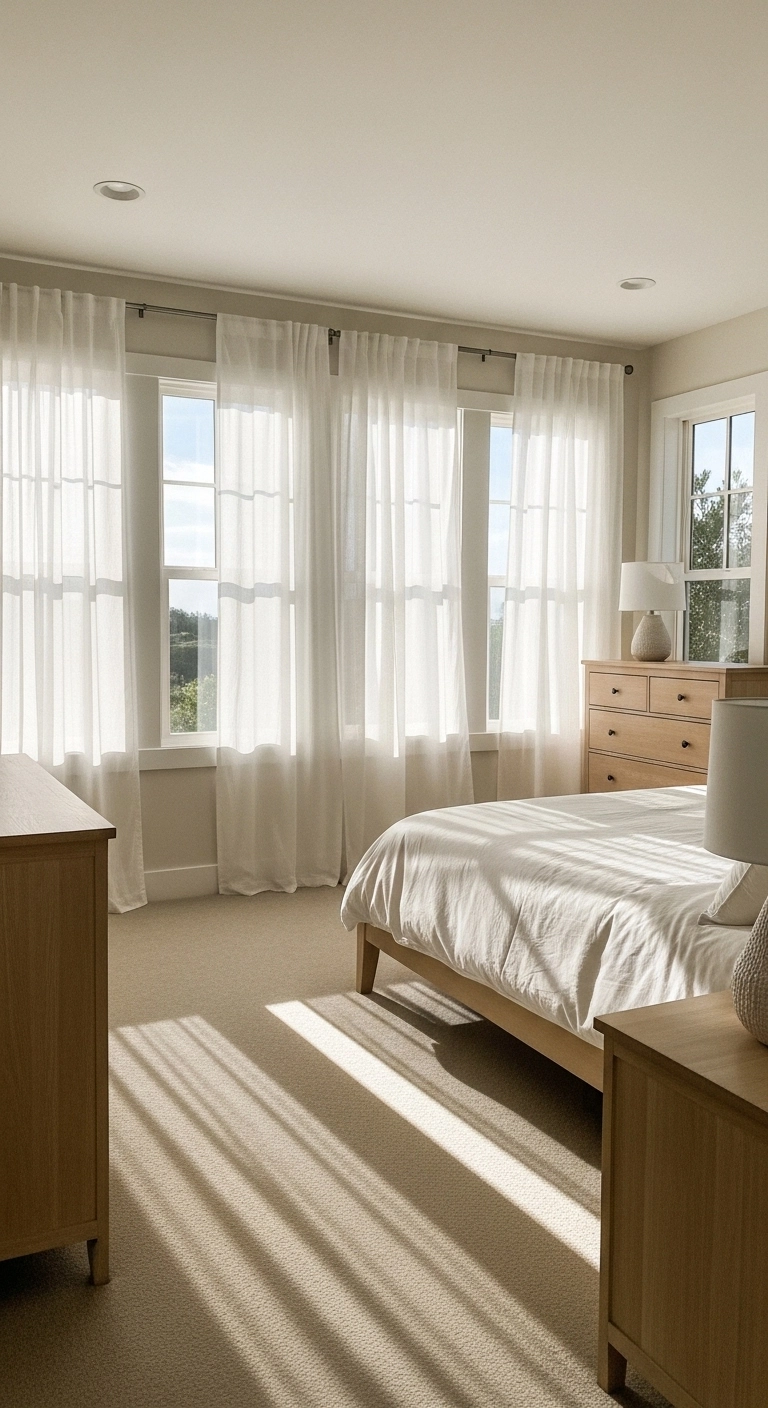
This one feels obvious, but people still block their windows with heavy curtains. Why?
Natural light = instant beach vibe.
Use:
- Sheer curtains
- Light blinds
- No curtains (if privacy allows)
Ever walked into a sunlit room and felt instantly better? That’s the goal.
6. Bring in Indoor Plants
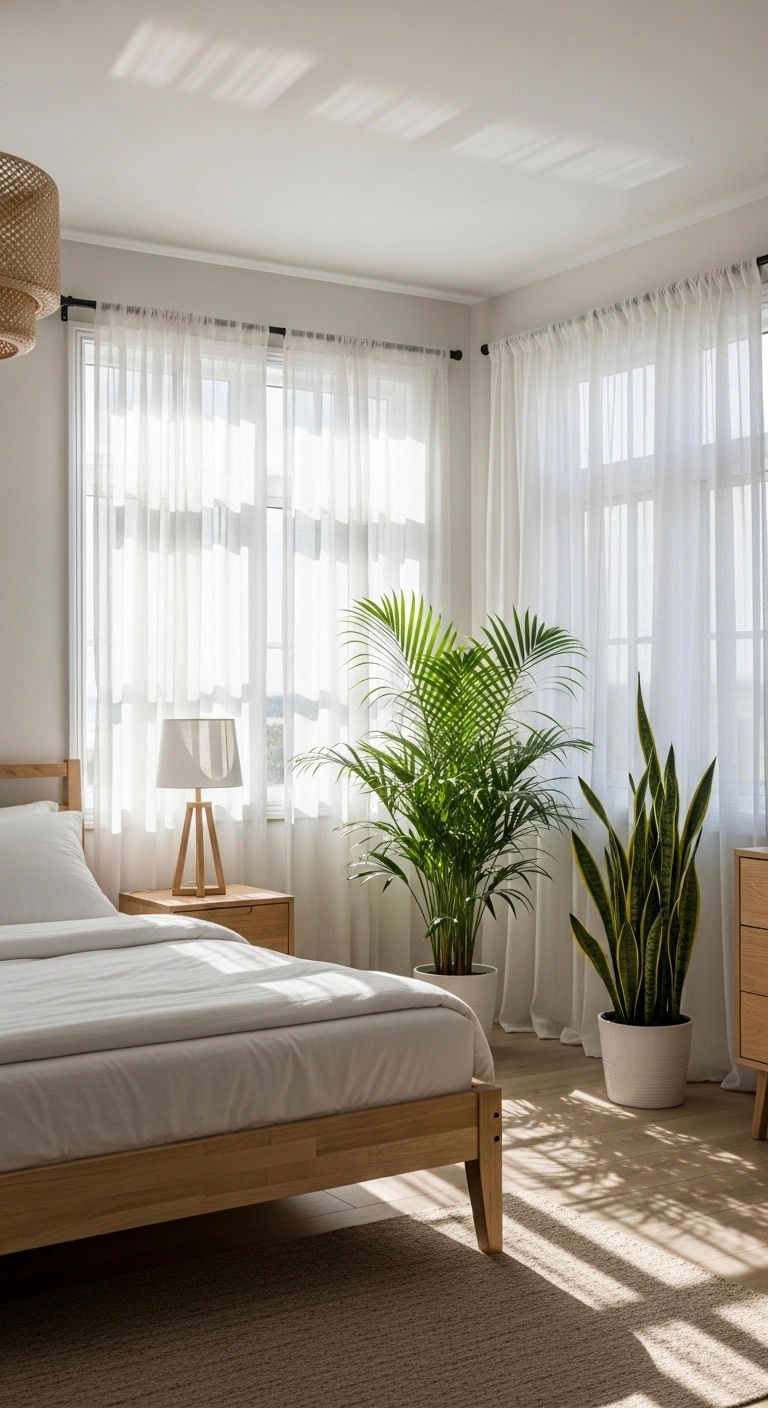
Plants make everything feel alive. Beach bedrooms love greenery.
Best options:
- Palm plants
- Snake plants
- Pothos
- Fiddle leaf fig
Stick to low-maintenance plants unless you enjoy daily plant therapy sessions.
FYI, I forgot to water mine for a week once… they survived. Barely. Choose wisely.
7. Use Weathered or Whitewashed Furniture
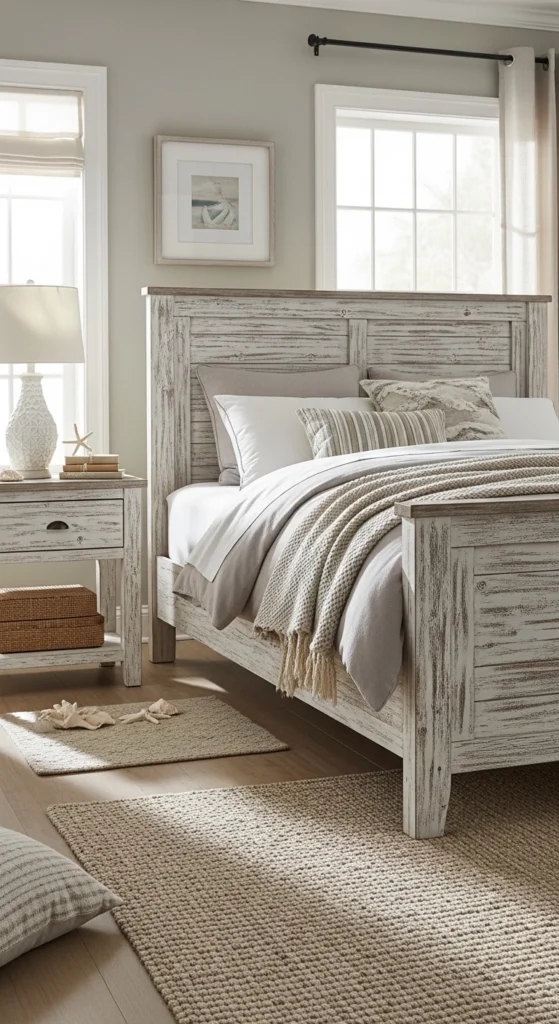
Glossy furniture feels too modern for a beach vibe.
Instead, go for:
- Distressed wood finishes
- Whitewashed dressers
- Vintage-style nightstands
Imperfect furniture adds character. Tiny chips and textures actually help the look.
Think “lived-in beach cottage,” not showroom perfection.
8. Add a Statement Rug
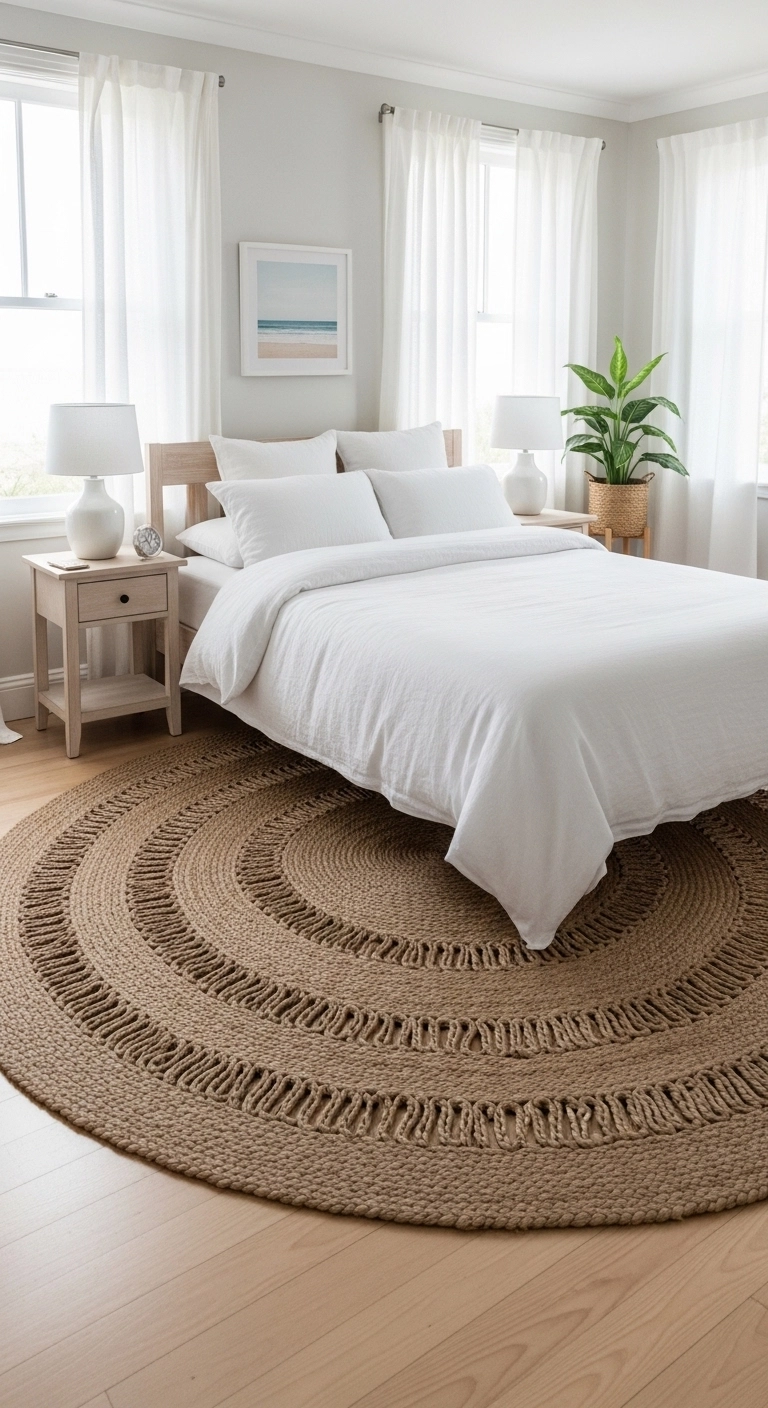
Floors matter more than people think.
A good rug can:
- Warm up the space
- Add texture
- Tie everything together
Best rug choices:
- Jute rugs
- Flatweave rugs
- Neutral patterned rugs
Avoid thick, dark rugs. They feel heavy and out of place.
9. Incorporate Subtle Nautical Touches
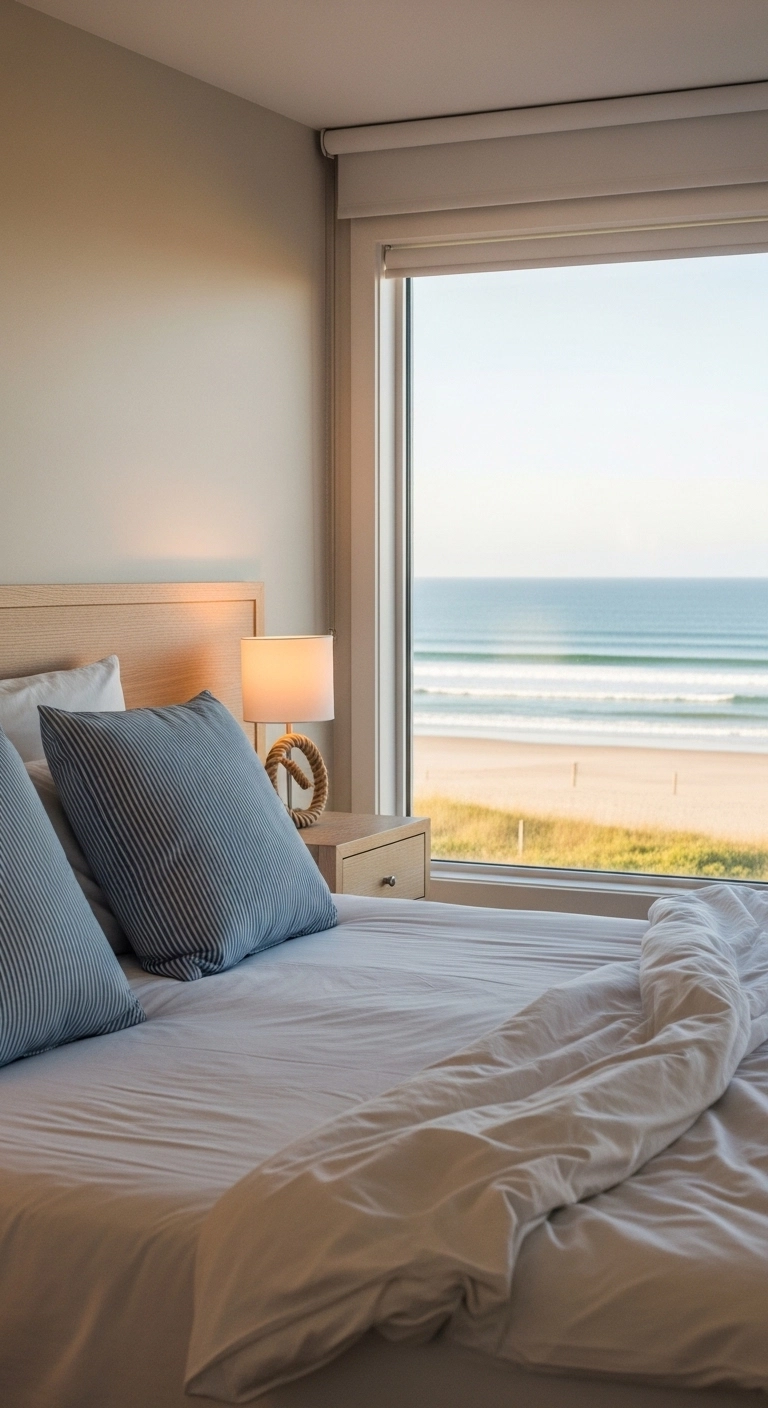
Okay, this is where people go wrong.
A little nautical? Great.
Too much? Suddenly your bedroom looks like a pirate ship.
Keep it minimal:
- Rope accents
- Small anchor decor
- Blue-striped pillows
Less is more here. Seriously.
10. Use Mirrors to Reflect Light
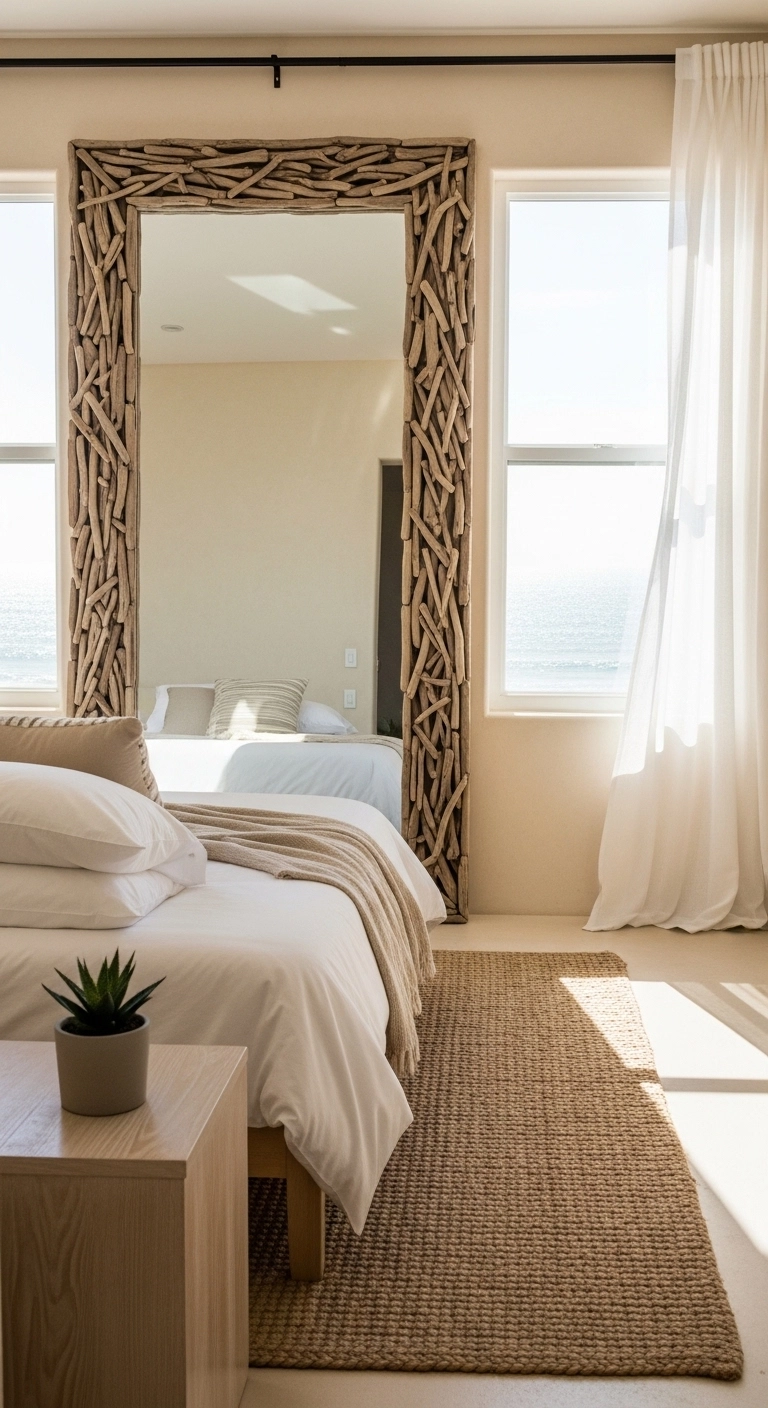
Mirrors don’t just help you check your outfit—they boost light and space.
Place mirrors:
- Across from windows
- Above dressers
- Near light sources
They make your room feel bigger and brighter instantly.
Ever noticed how beach houses feel open? Mirrors help fake that effect.
11. Keep Furniture Minimal
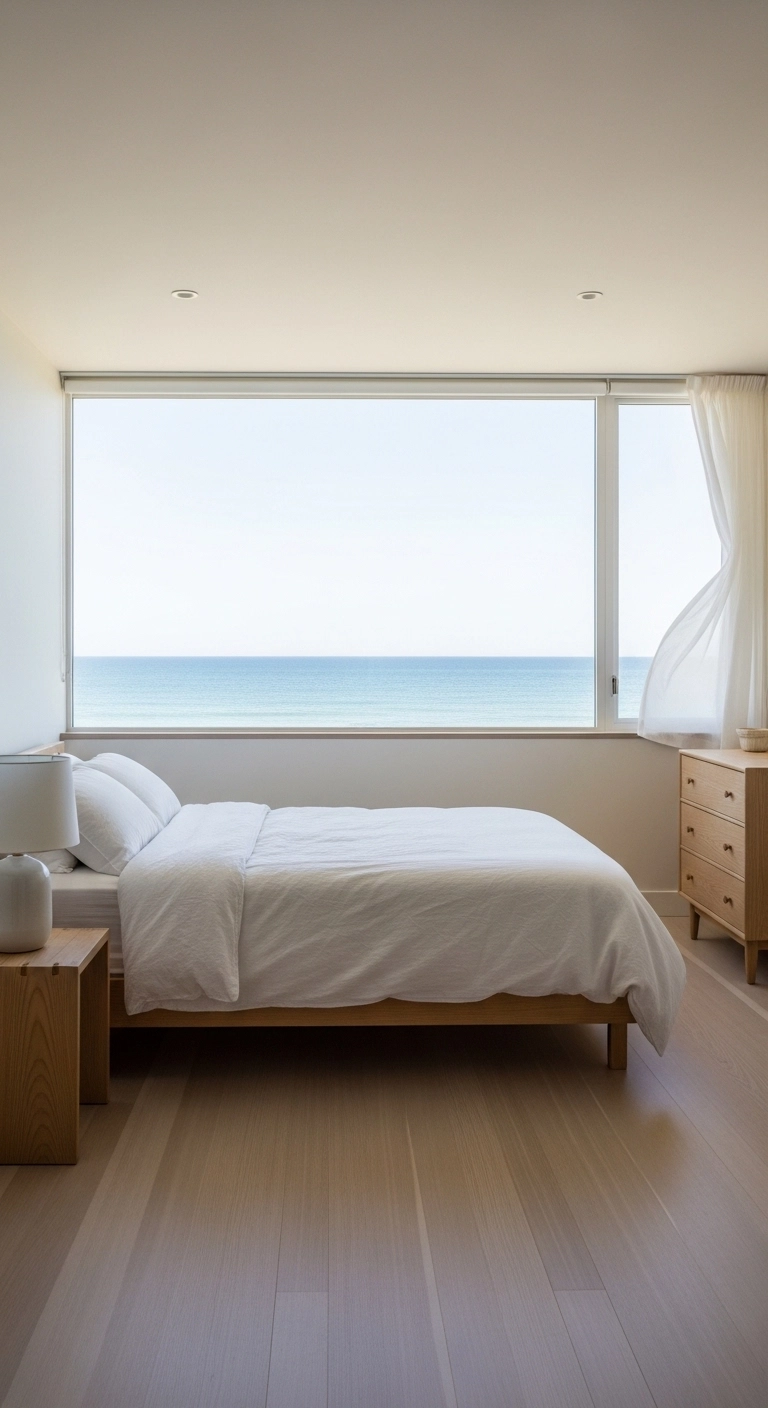
Clutter kills the vibe faster than anything.
Ask yourself:
“Do I actually need this piece of furniture?”
If not, remove it.
Focus on essentials:
- Bed
- Nightstand
- Dresser
- Maybe a chair
Space = calm.
I once overloaded my room with decor, and it felt stressful instead of relaxing. Lesson learned.
12. Add Soft Ambient Lighting
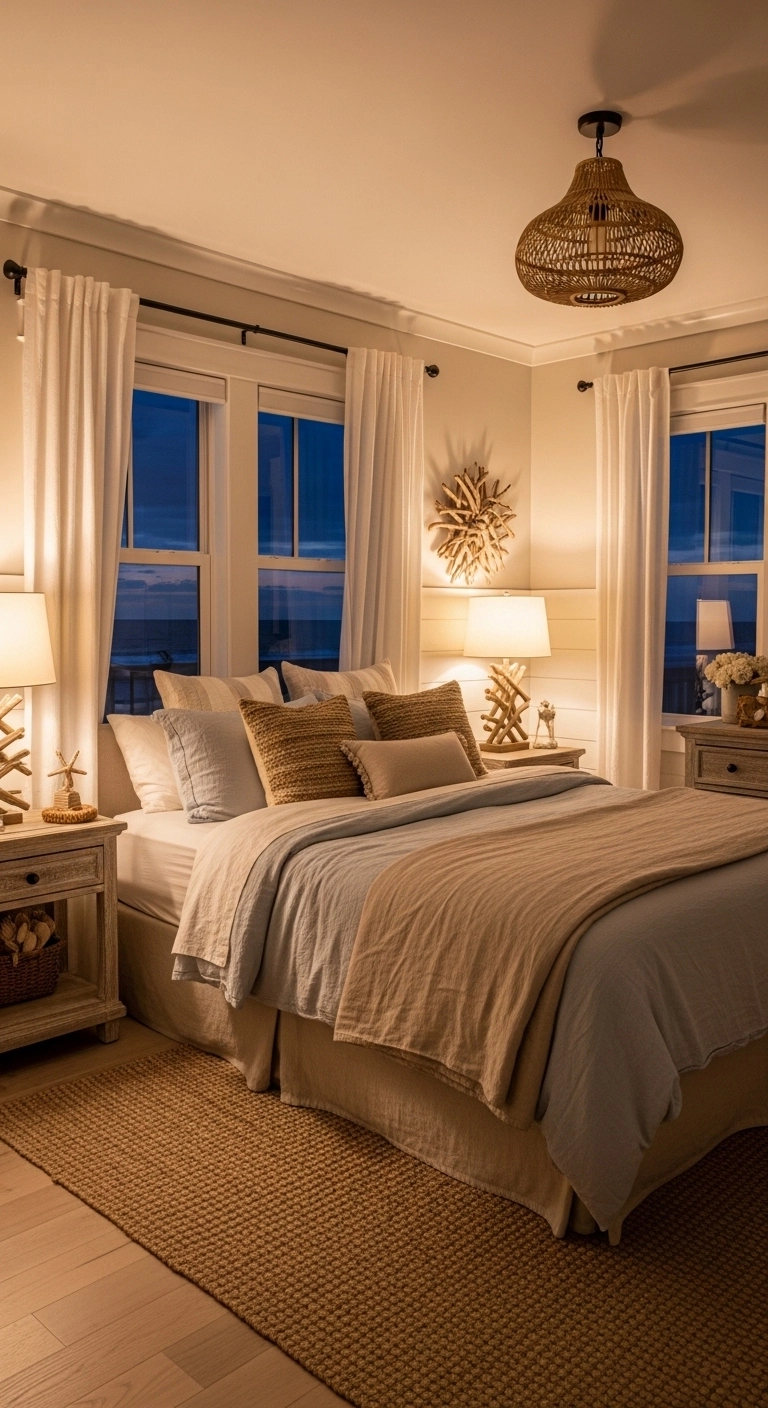
Overhead lighting feels harsh. You want a softer glow.
Use:
- Table lamps
- Warm LED bulbs
- String lights (subtle ones)
Lighting should feel cozy, not clinical.
Ever turned on bright white lights at night and instantly regretted it? Yeah, don’t do that here.
13. Layer Textures for Depth
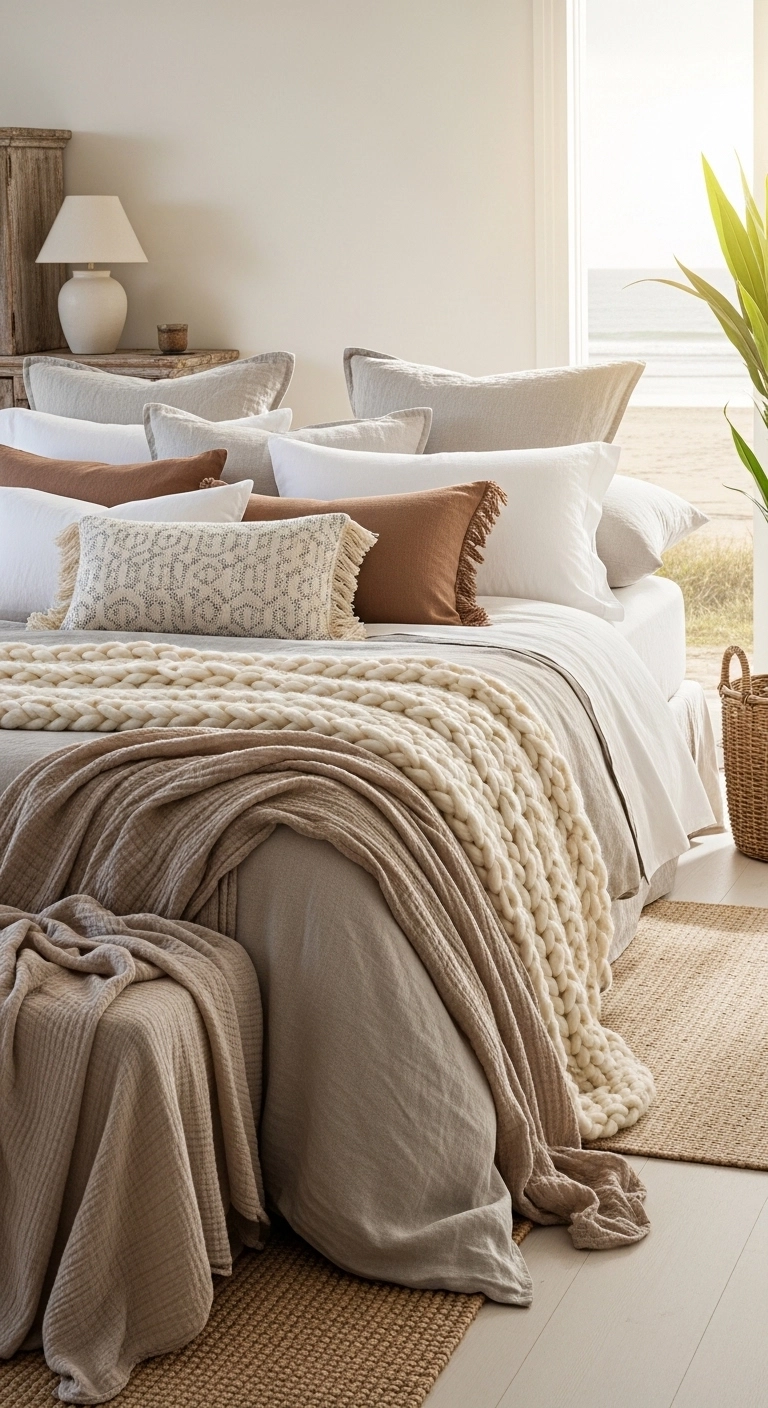
A flat room feels boring, even with good colors.
Layer things like:
- Throws
- Pillows
- Rugs
- Curtains
Mix soft and rough textures for contrast.
For example:
- Linen bedding + woven throw = perfect combo
14. Include Personal Beach Finds
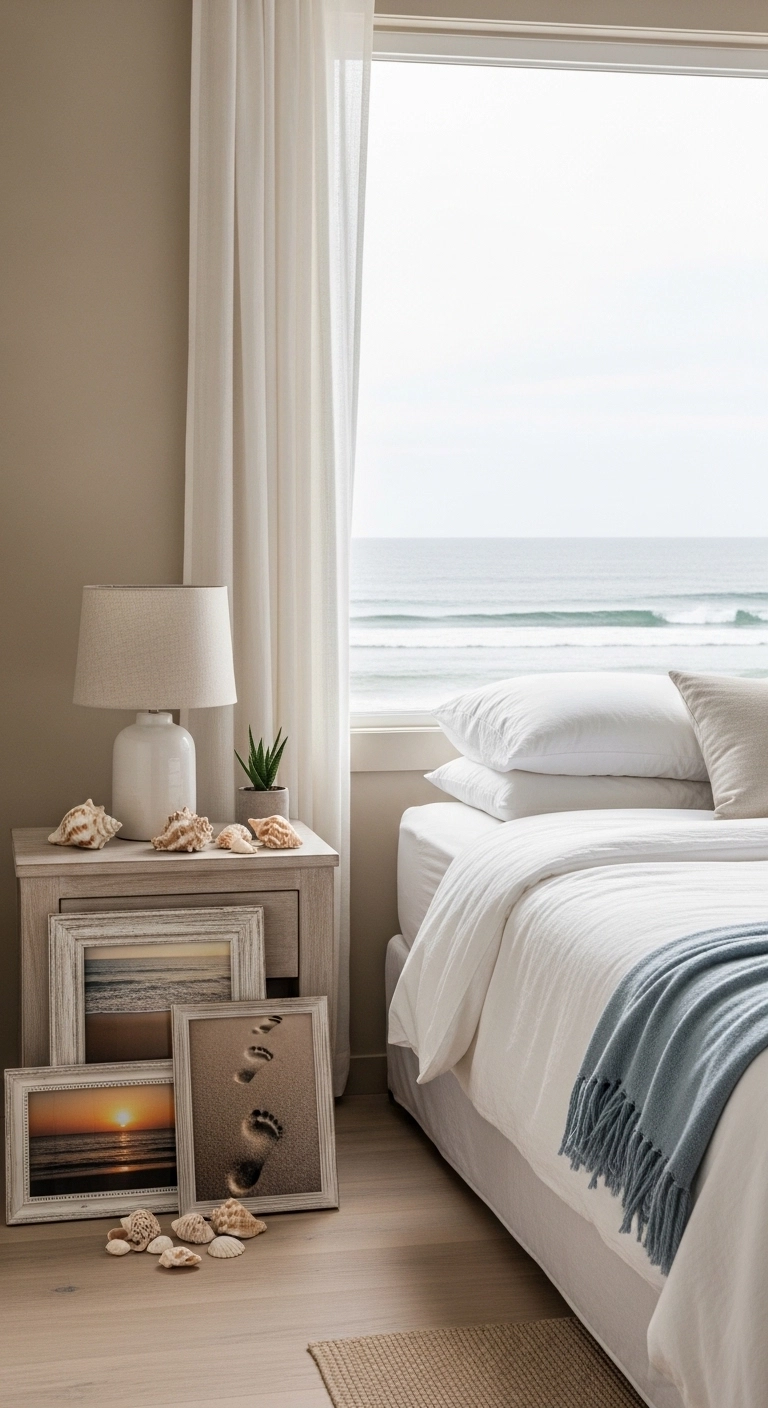
This is where your personality comes in.
Add things like:
- Seashells (tastefully, please)
- Travel souvenirs
- Photos from beach trips
Make the space feel yours, not copied from Pinterest.
I still keep a small shell from a trip, and it somehow makes the whole room feel more real.
15. Try a Feature Wall (But Keep It Calm)
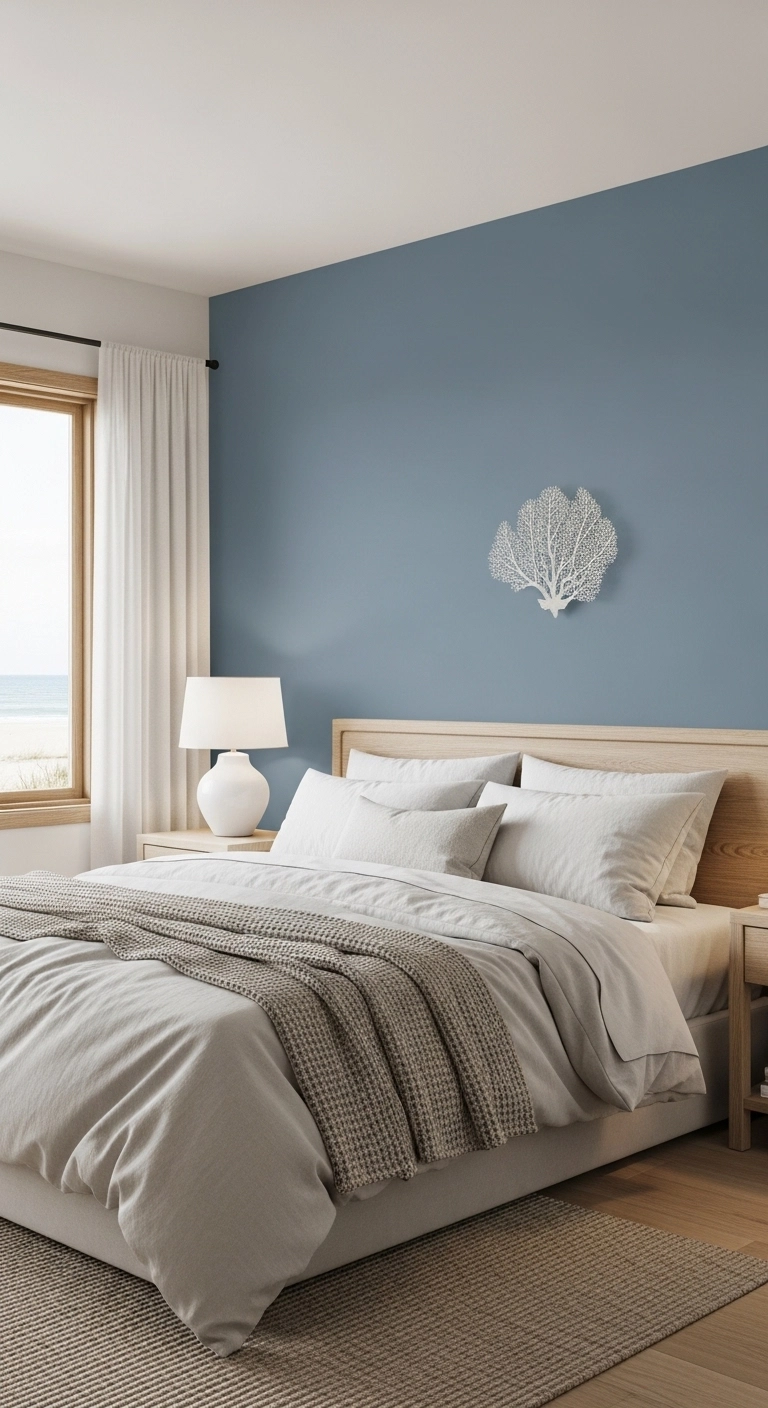
If you want something bold, go for a feature wall.
Ideas:
- Soft blue paint
- Textured wallpaper
- Wood paneling
Keep it subtle and soothing.
Avoid loud patterns unless you want your wall to scream at you every morning.
16. Keep It Clean and Airy
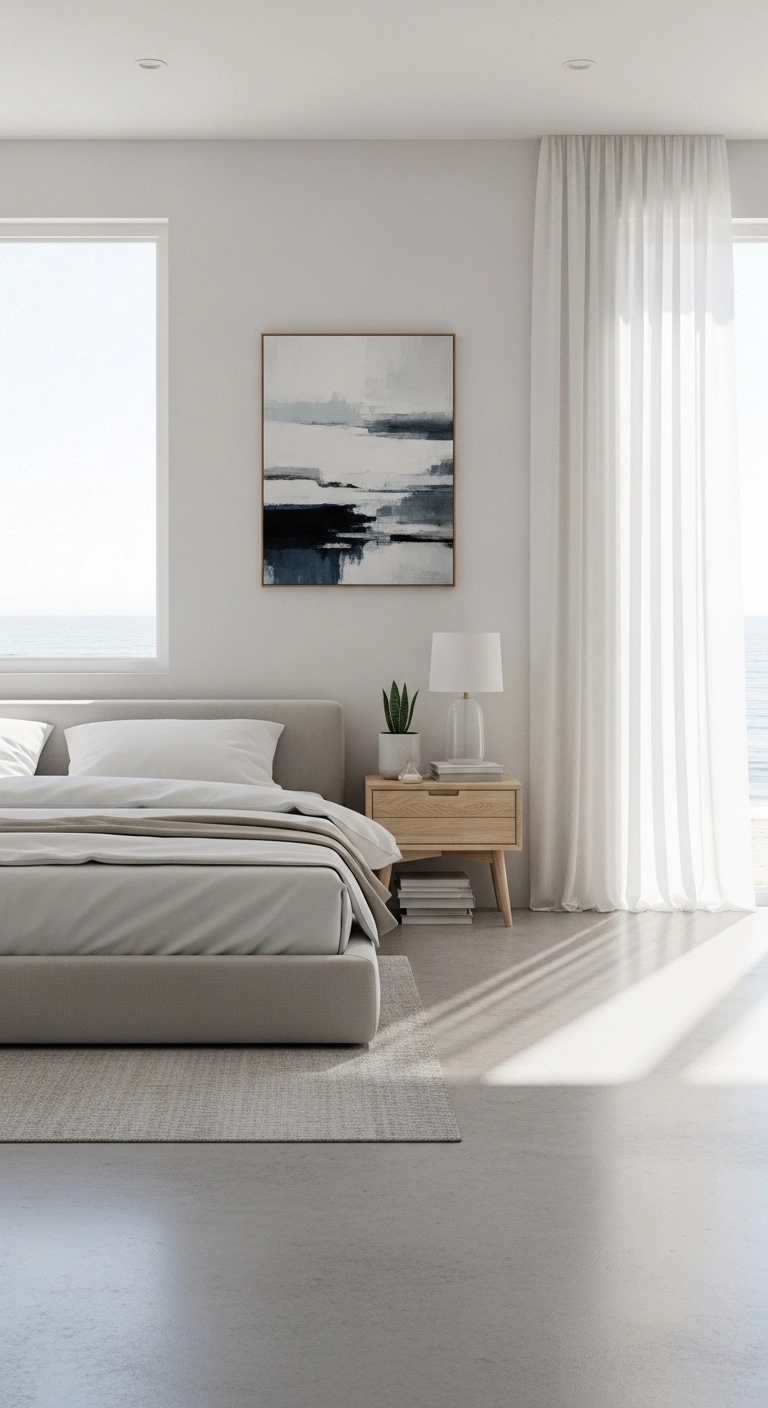
This one sounds boring, but it matters the most.
A beach bedroom should feel:
- Fresh
- Open
- Easy to maintain
Simple habits:
- Declutter weekly
- Keep surfaces clear
- Use storage smartly
Clean space = calm mind.
No one feels relaxed in a messy “beach” room. That’s just… a mess with a theme.
Final Thoughts
Creating the perfect beach bedroom in 2026 doesn’t require a huge budget or a full renovation. You just need to focus on light, texture, and simplicity.
Start small. Swap your bedding. Add a plant. Change your lighting. You don’t need to do all 16 ideas at once—unless you’re feeling ambitious (respect if you are).
At the end of the day, your bedroom should feel like a place where you can unwind without effort. If it makes you pause and think, “Yeah… this feels good,” then you nailed it.
So tell me—what’s the first change you’re going to try?