
17 Creative Door Painting Ideas To Refresh Your Home Fast
A painted door can change the feel of a room, entryway, porch, or hallway faster than almost any other small home update. It adds color, personality, and contrast without asking you to repaint entire walls or replace major fixtures. If you want a simple way to make your home feel more considered, these door painting ideas can help you create a finish that feels intentional instead of random.
Why Door Painting Ideas Work So Well
Doors sit at eye level, break up large wall areas, and naturally draw attention because people use them every day. That makes them a great place to add color, depth, or a focal point. The right paint choice can make a plain hallway feel designed, give an older front door more presence, or help interior doors feel cleaner and more modern. The key is choosing an idea that suits your space, light, and overall style rather than chasing a trend that does not fit your home.
Paint the Front Door a Bold Statement Color
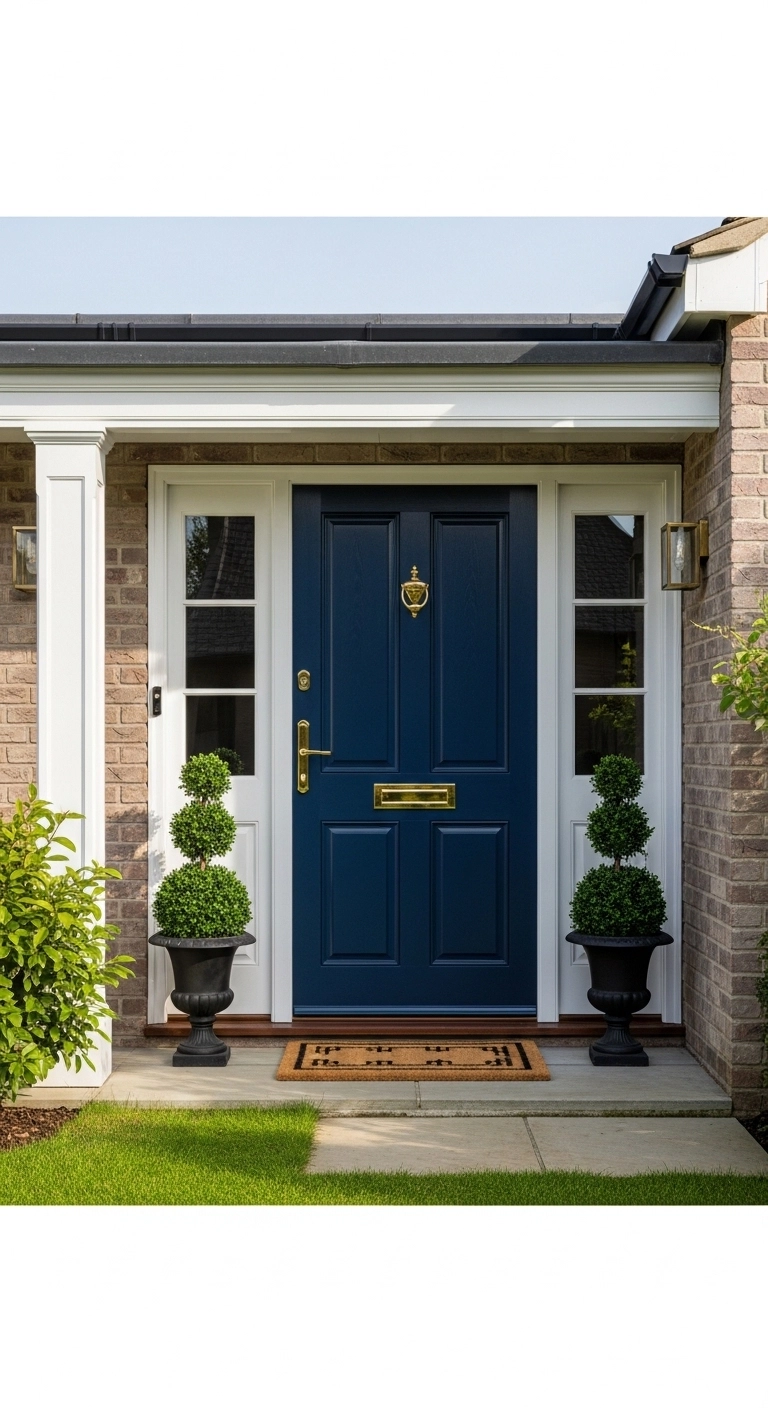
A bold front door is one of the most effective door painting ideas because it creates instant contrast and gives your home a clear focal point. Think deep blue, forest green, rich red, mustard, or even a strong black if the rest of the exterior is light.
This works especially well on homes that feel a little flat from the street or have neutral siding, brick, or stucco. A bold color helps the entrance feel intentional and welcoming.
To apply it well, first look at the fixed elements around the door, such as the brick color, roof color, trim, and hardware. Choose a color that stands out but still relates to these materials. Satin or semi-gloss often works well because it is easier to clean than flat paint.
One caution: a bold color can look great on a sample card and overwhelming on a full door. Test first, especially if your home gets strong direct sunlight.
Use a Soft Muted Tone for a Calm, Modern Look
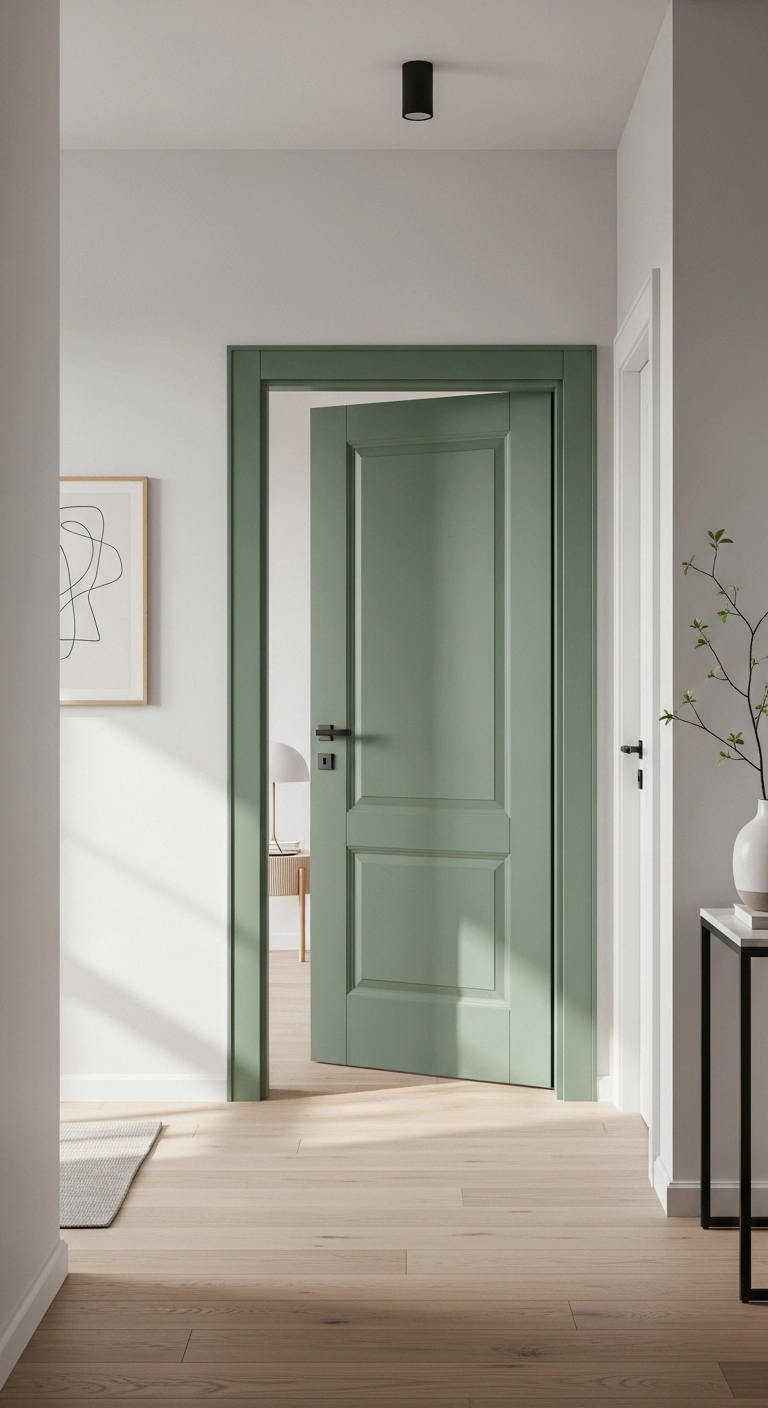
Not every painted door needs to demand attention. Soft muted colors like sage, dusty blue, warm gray, clay, or muted blush can make a home feel calm and updated without looking too busy.
This idea works well for interior doors, bedroom doors, home offices, and houses with a quiet, natural palette. It suits people who want character but prefer a softer finish than a bright accent color.
To make it work, repeat the tone somewhere else in the space through textiles, art, pottery, or trim details so the door feels connected rather than isolated.
The main mistake to avoid is choosing a color that is so close to the wall color that it looks accidental. There should still be enough contrast for the door to feel deliberate.
Paint Interior Doors Black for Instant Contrast
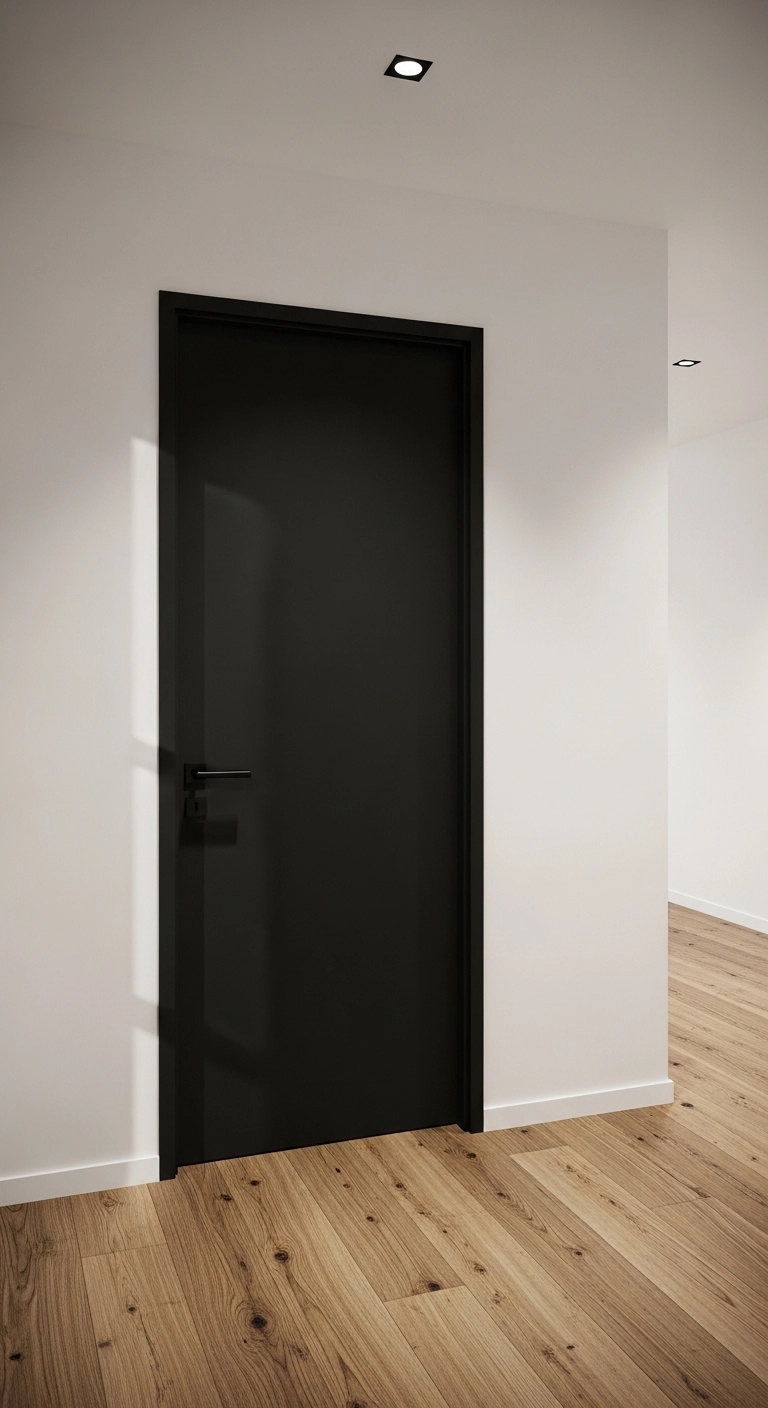
Black interior doors can make even a simple room feel sharper and more finished. They create structure, frame the doorway clearly, and pair well with light walls, wood floors, and simple trim.
It works best in modern, transitional, industrial, and classic homes where you want the doors to feel more architectural. It’s especially effective in hallways with multiple doors, where black creates a rhythm that looks cohesive.
Use a clean, durable finish and make sure the surrounding trim choice is intentional. Black doors with white trim create a crisp look. Black doors with matching black trim feel more dramatic.
One thing to keep in mind: black shows dust, fingerprints, and surface marks more than many mid-tone colors, especially in busy family areas.
Match the Door to the Wall for a Seamless Effect
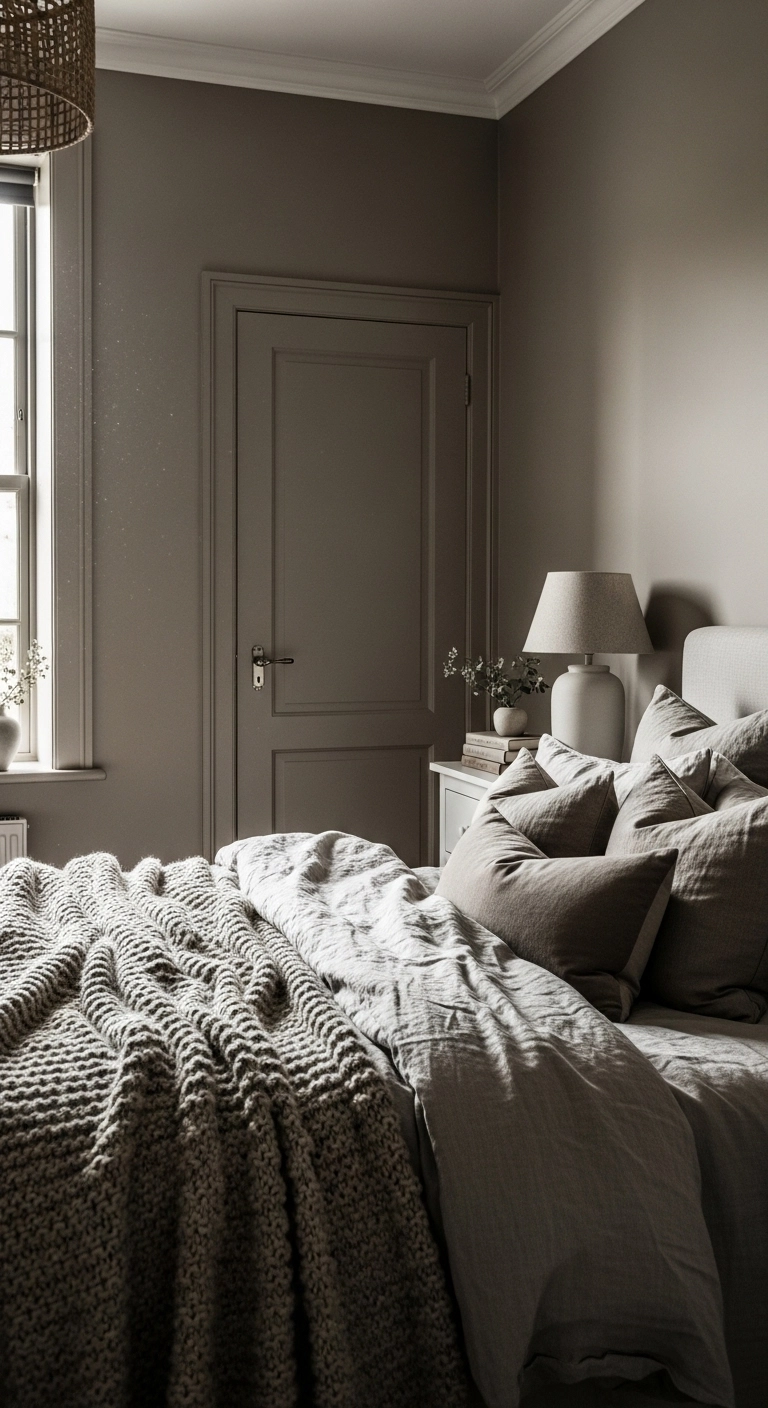
Painting the door the same color as the wall can make a room feel calmer, more immersive, and more high-end. Instead of the door standing out, it blends into the overall design and lets furniture, lighting, or art take the spotlight.
It works best in small rooms, cozy spaces, home libraries, bedrooms, and anywhere you want a cocoon-like atmosphere. It can also help make awkward doorways feel less visually overwhelming.
To apply this idea well, paint the door, frame, and sometimes even nearby trim in the same shade for a true seamless effect. This usually looks best with richer colors like olive, charcoal, navy, taupe, or warm beige.
The limitation is that it reduces contrast, so it may not suit spaces where you want clear visual definition or a bright, airy feel.
Try a Two-Tone Door for More Personality
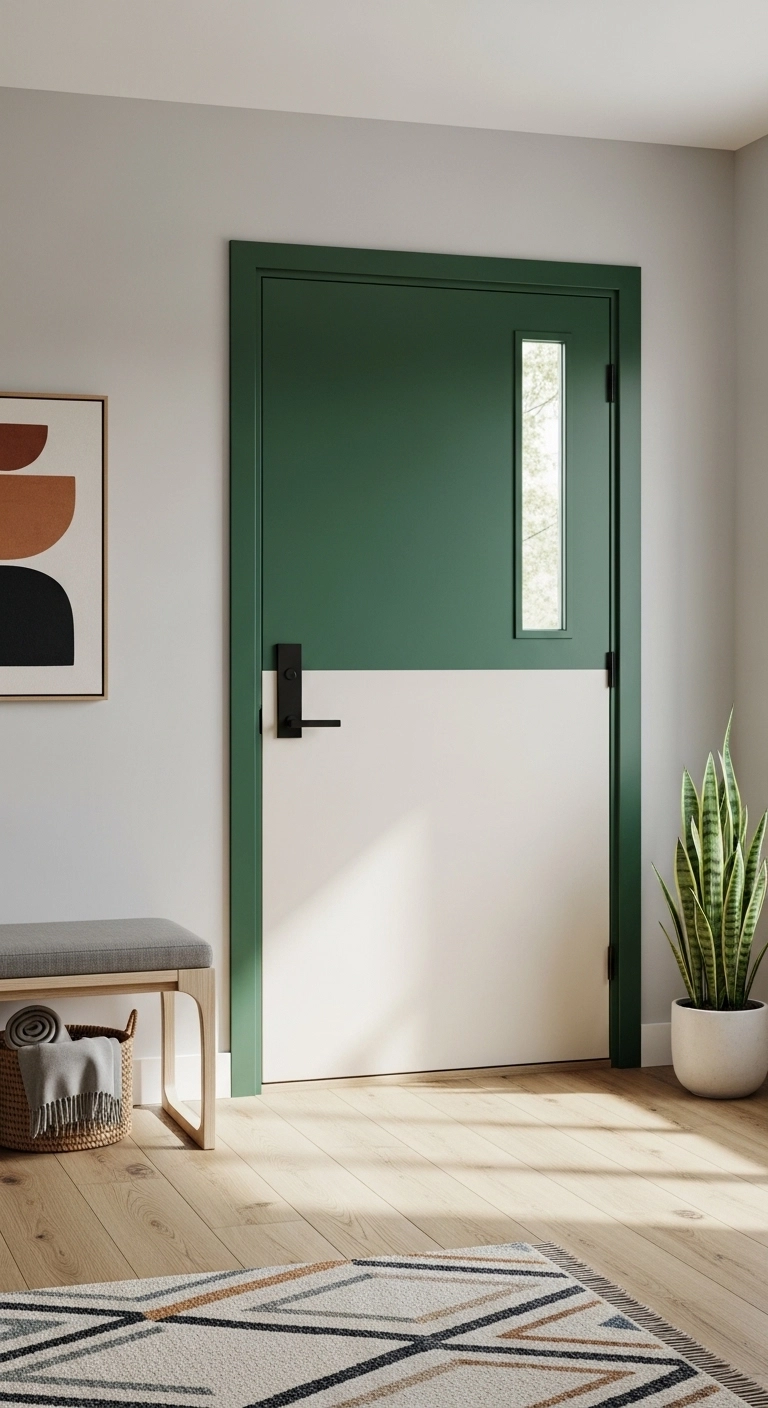
A two-tone door uses two colors instead of one, either split vertically, horizontally, or between panels and frame. It adds creativity without requiring complicated techniques.
This idea works well in playful homes, kids’ spaces, creative studios, and entryways where you want something more personal than a standard single-color finish. It can also help tie together two colors already used in the room.
For a clean result, decide on a clear division before painting and use painter’s tape carefully. Pair colors with a clear relationship, such as dark green and cream, navy and pale gray, or terracotta and blush.
The main risk is ending up with a look that feels more crafty than polished. Keep the palette restrained and the lines crisp.
Highlight Raised Panels in a Different Shade
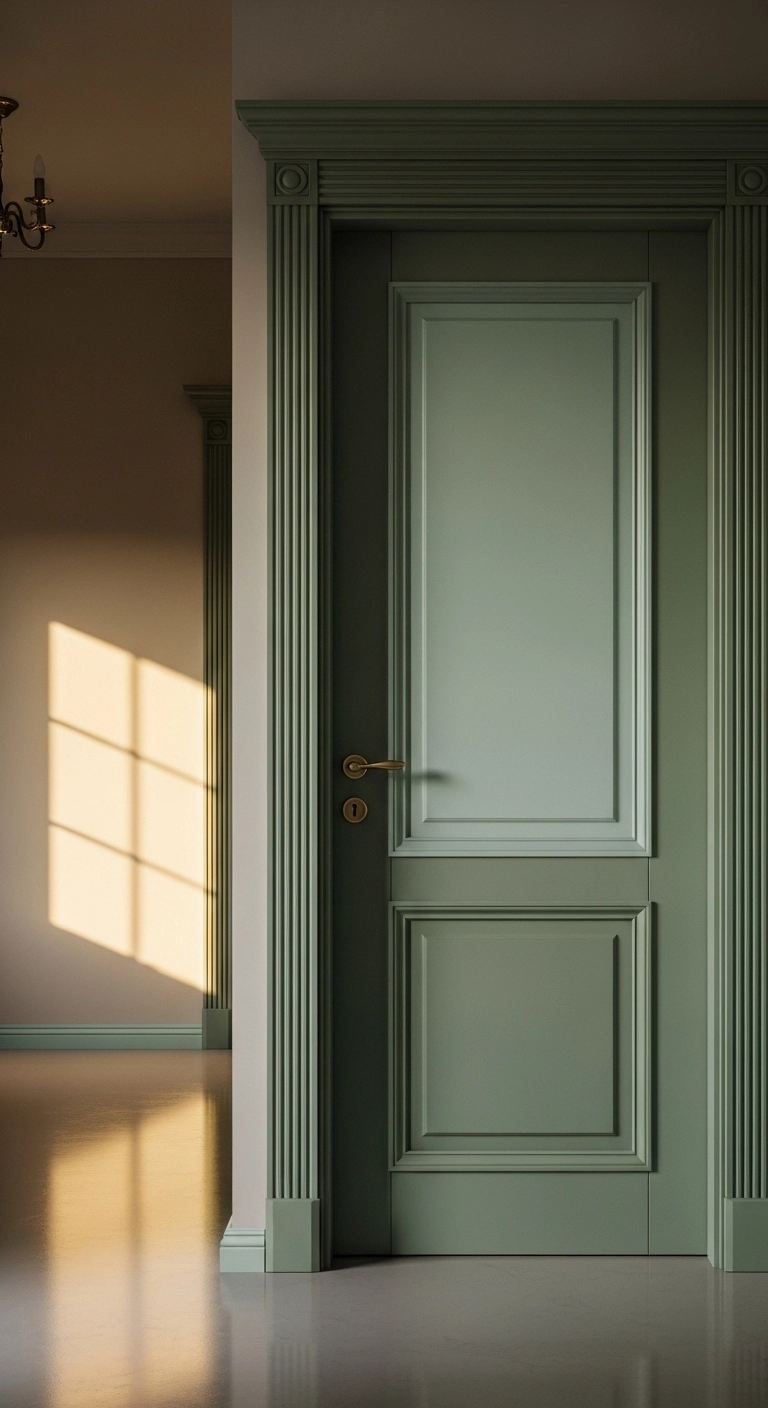
If your door has panels, you can paint the main surface one color and the recessed or raised sections another. This adds subtle dimension and makes the door design more visible.
It works best on traditional interior doors, older homes, and spaces with detailed millwork. It suits anyone who wants something more interesting than a flat painted surface without going too bold.
Choose closely related tones for a beautiful effect, such as warm white and mushroom, navy and slate, or sage and olive. Strong contrast can also work, but it creates a more decorative look.
Be careful not to overcomplicate the result. Too many colors on one door can make the design feel busy rather than refined.
Go Glossy for a Rich, Reflective Finish
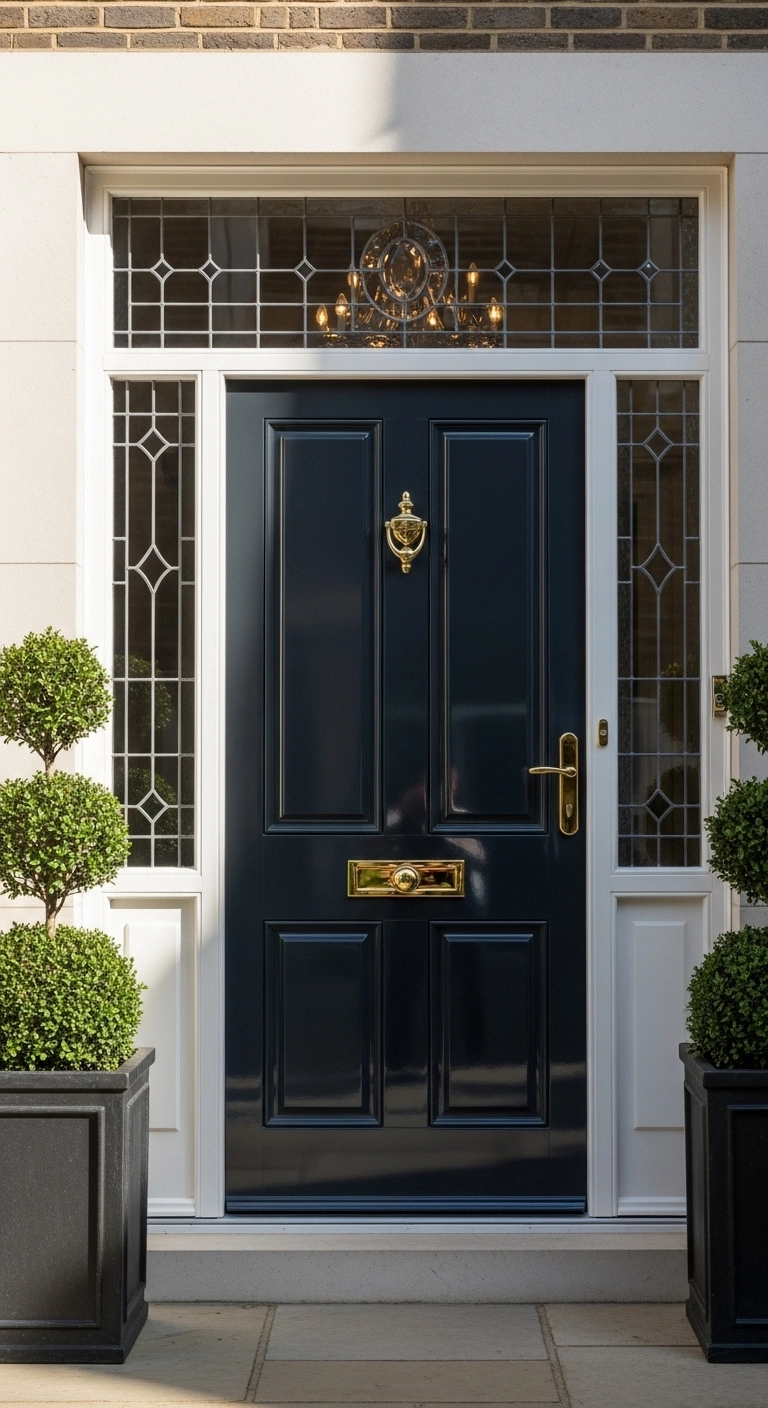
A high-gloss door can feel polished, dramatic, and surprisingly luxurious. The reflective finish catches light and gives the door more visual weight, even if the color itself is simple.
This works best on front doors, powder room doors, dining room doors, and formal spaces where you want more drama. It suits both bold colors and deep neutrals.
Preparation matters here more than usual. Glossy paint tends to show imperfections, so sanding, cleaning, and smoothing the surface before painting makes a big difference.
The caution is simple: gloss highlights flaws. If the door is dented, uneven, or poorly patched, the finish may draw more attention to those problems instead of hiding them.
Choose a Warm Earth Tone for a Grounded Feel
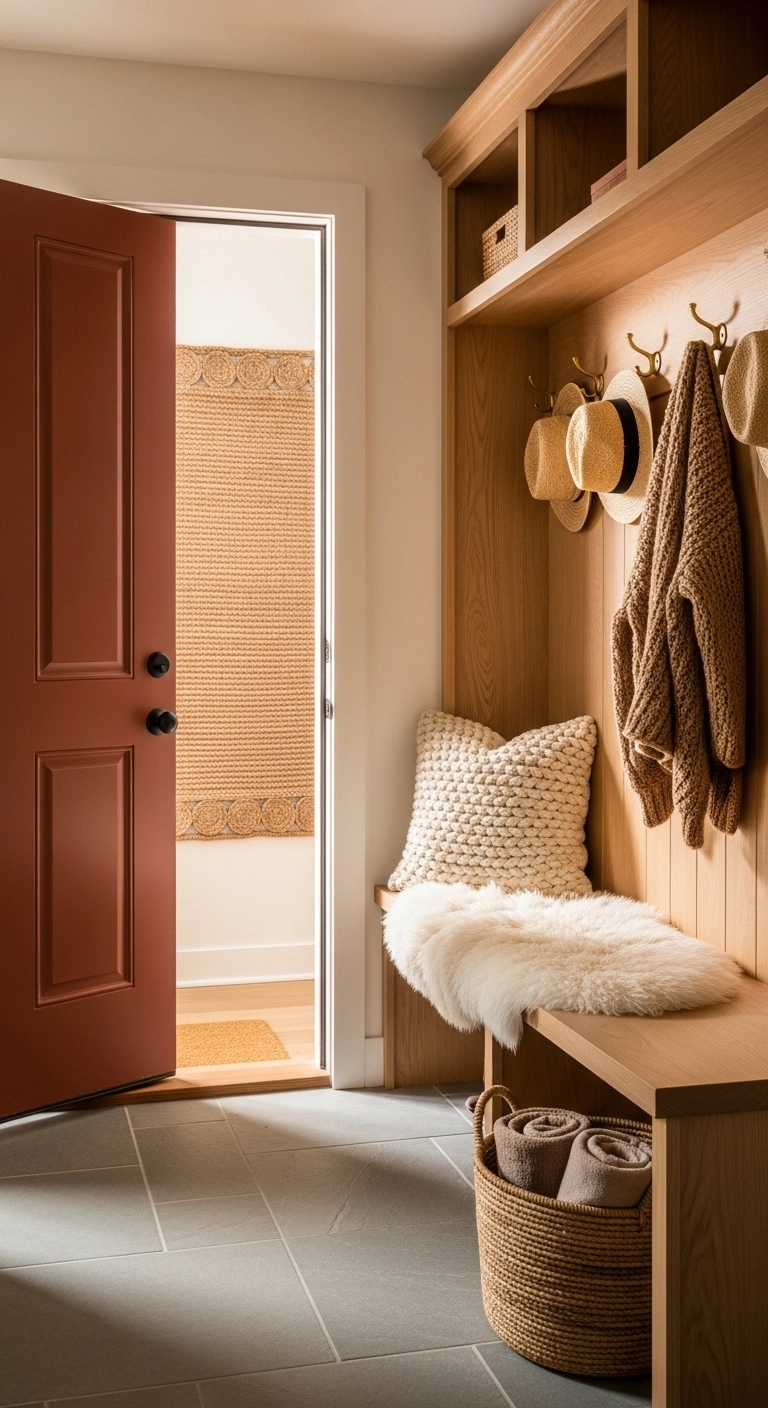
Earthy shades like terracotta, rust, olive, ochre, mushroom, and clay can make a door feel warm, inviting, and current without being flashy.
These colors work especially well in homes with natural wood, woven textures, stone, linen, or other organic materials. They suit relaxed, lived-in interiors and exterior entryways that need warmth.
To apply them well, think about undertones. An earthy tone might look beautiful with cream walls but muddy with faux gray. Compare samples with your flooring, trim, and nearby finishes before committing.
One limitation is that some earth tones can feel dull in low light. Test them in the actual room at different times of day.
Use a Crisp White in the Right Setting
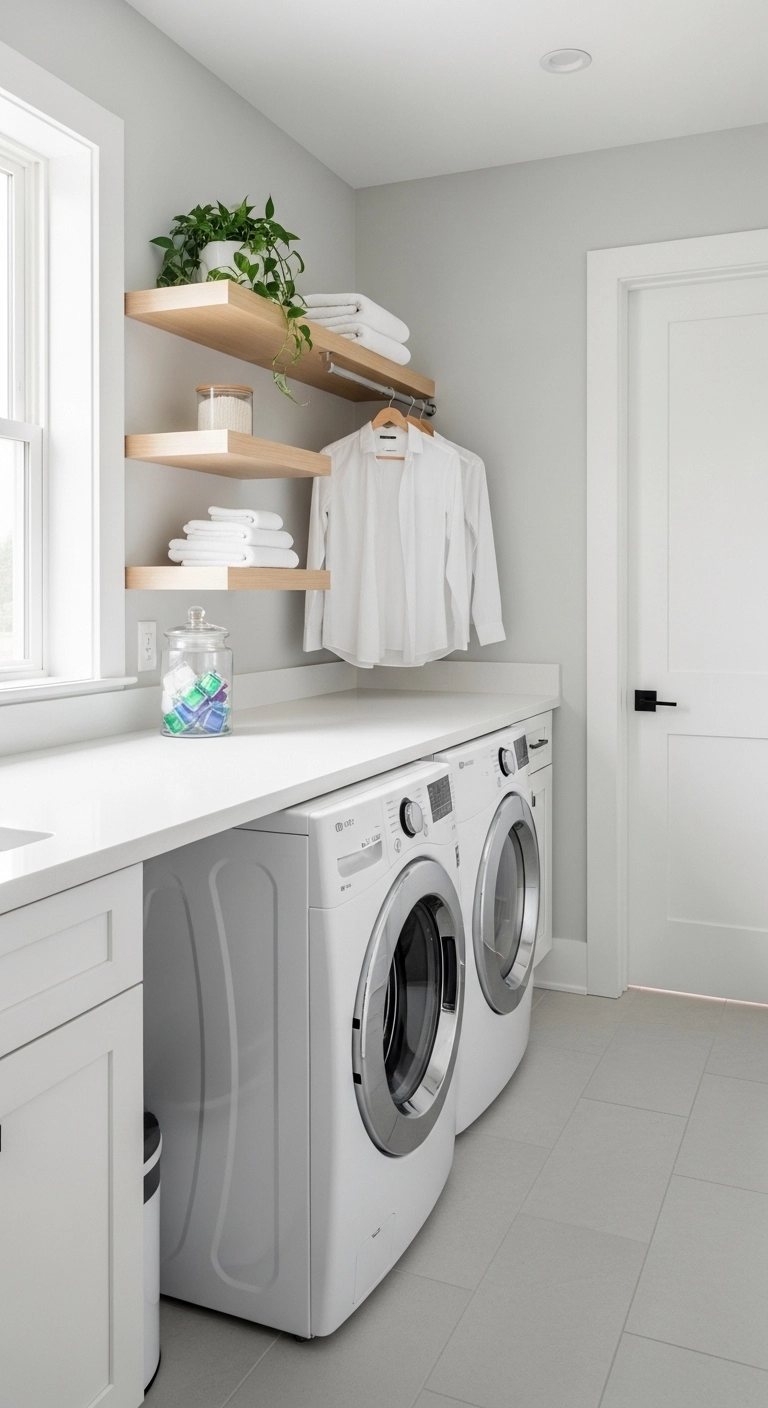
White may not sound creative at first, but the right white door can completely refresh a tired space. It can make trim feel cleaner, lighten a dark hallway, and help older doors look more intentional.
This is a strong choice for small interiors, low-light spaces, minimalist homes, and anyone who wants a fresh look without making the door a strong focal point.
To do it well, pick a white that suits the rest of the room. A bright cool white can feel harsh next to warm flooring, while a soft warm white often blends more naturally in lived-in homes.
The common mistake is assuming all whites look the same. They do not, and the wrong undertone can make the whole room feel off.
Paint Closet Doors to Match Furniture or Built-Ins
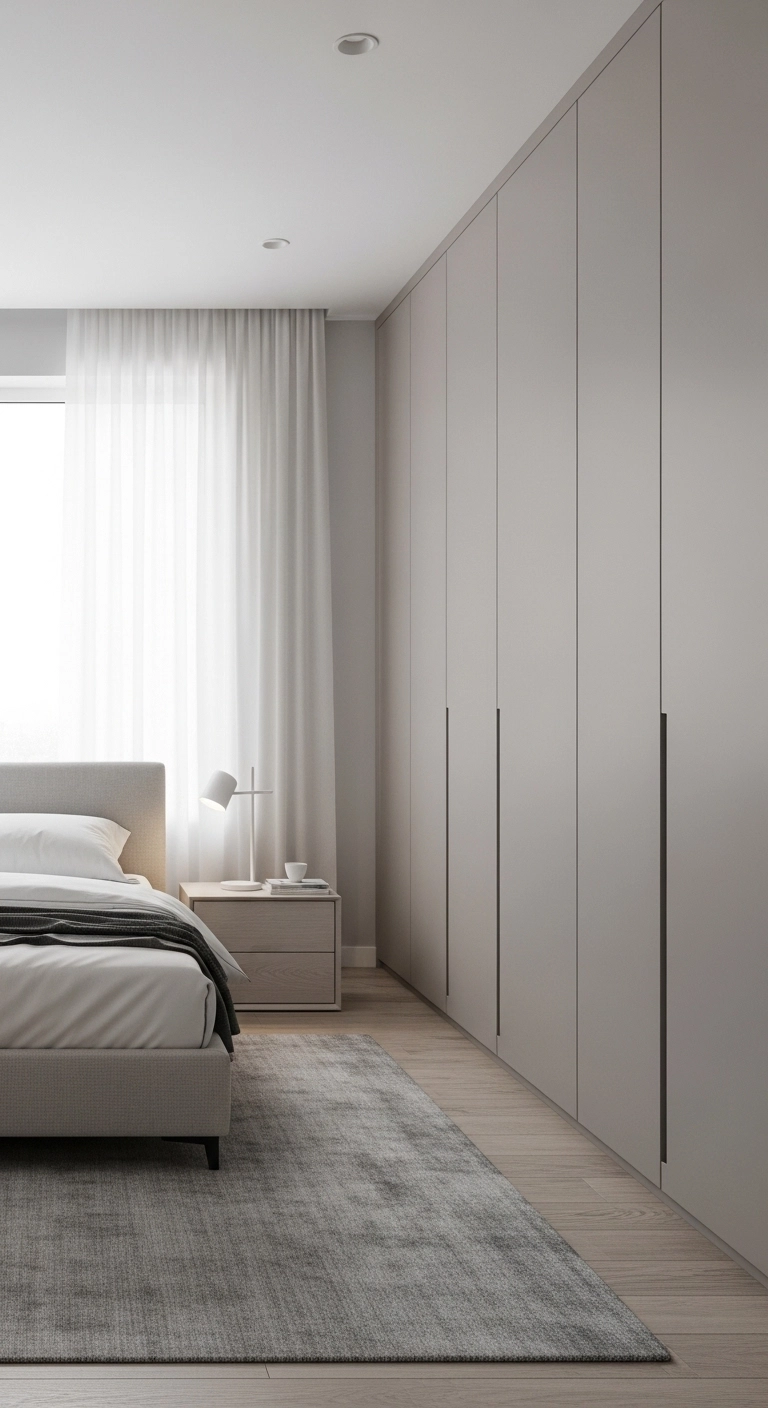
Closet doors are often ignored, but painting them to coordinate with nearby furniture or cabinetry can make a room feel much more finished. This works especially well in bedrooms, mudrooms, laundry rooms, and home offices.
If your wardrobe, desk, shelving, or built-ins have a distinct tone, repeating it on the closet doors can create a more cohesive look. It helps those doors feel integrated rather than like blank interruptions.
Stick to colors already present in the room so the design feels connected. This is especially useful in smaller spaces where too many unrelated finishes can feel messy.
A caution here: if the room already has a lot going on, another colored surface can add clutter instead of cohesion. Simpler spaces handle this idea best.
Add a Painted Border or Frame Detail
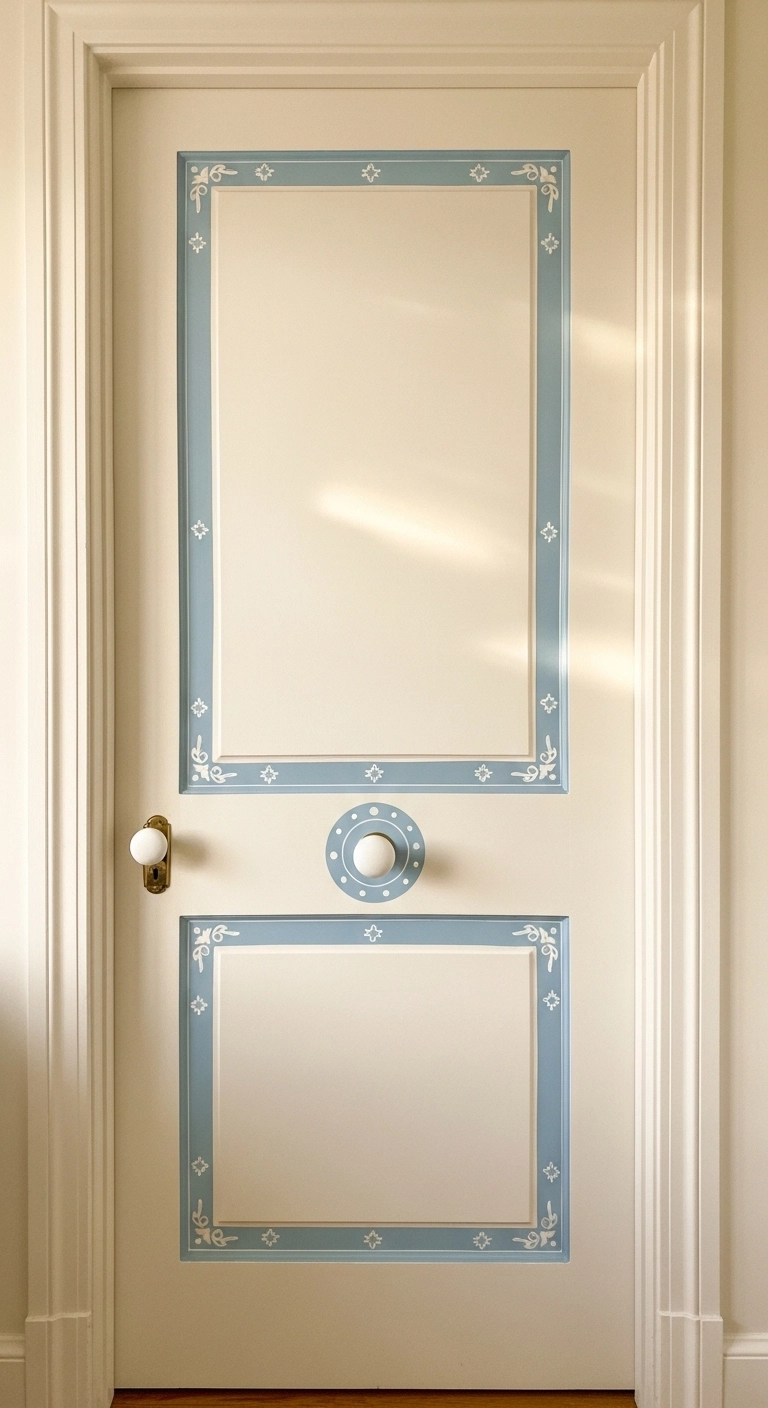
A painted border around the edge of the door can create a custom look without changing the whole surface. It adds definition and can make a plain door feel more tailored.
This works well in entryways, children’s rooms, creative spaces, and homes that lean a little eclectic. It also suits renters who can paint but want something more distinctive than a full color block.
Keep the design simple. A thin border in a contrasting or slightly darker tone often looks cleaner than a wide decorative band. This is one of those door painting ideas where restraint usually yields better results.
The main mistake is making the border too thick or too bright, which can tip the door into looking novelty-heavy.
Paint the Trim and Door the Same Color
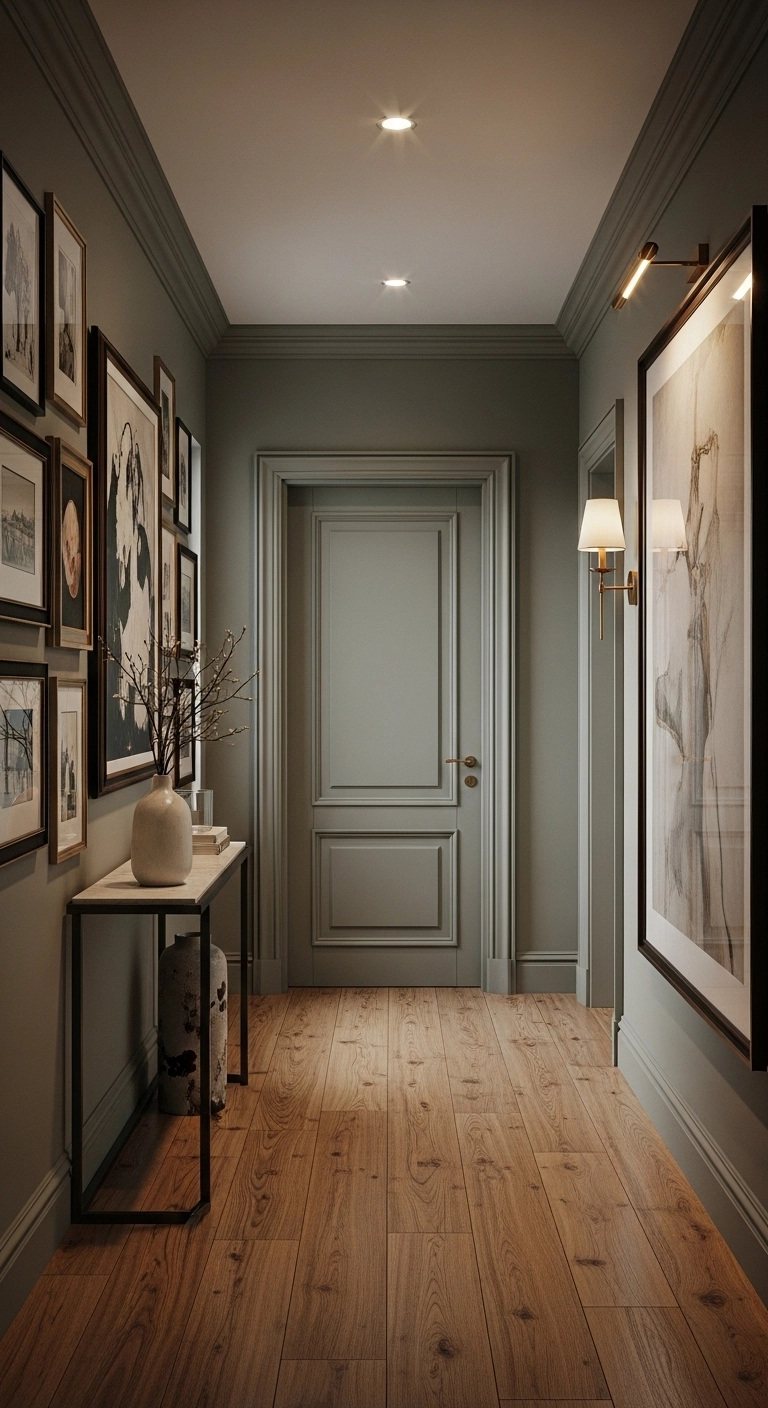
When you paint the door and its trim the same shade, the whole opening feels more intentional and architectural. Instead of the trim acting as a separate element, it becomes part of one unified shape.
This works especially well in older homes with detailed casings, modern homes with strong color schemes, and rooms where you want more depth than a standard white-trim setup provides.
Use this approach when you want the doorway to feel designed rather than just functional. It is particularly effective with mid-tone and dark colors.
One thing to watch for is balance. If every door and all trim in a small space are dark, the room can start to feel heavy unless there is enough light and contrast elsewhere.
Try a Color-Drenched Hallway
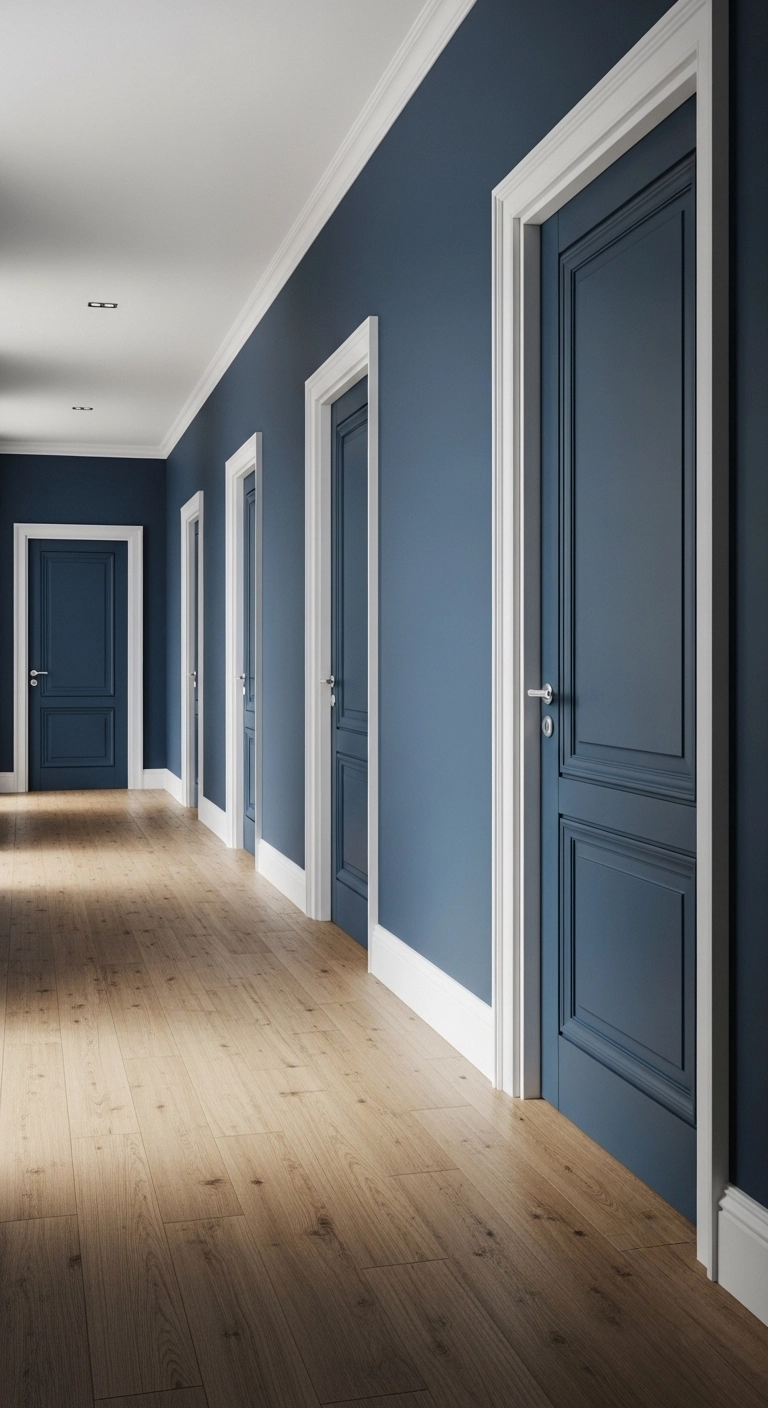
Instead of painting just one door, paint several hallway doors in the same shade as each other, and possibly the trim too. This creates a stronger design statement and makes a plain corridor feel purposeful.
This works best in long hallways, upper floor landings, or older homes where many doors sit close together. Instead of seeing each door as a separate visual noise, your eye reads them as a cohesive design move.
Choose a color that can handle repetition. Deep blue, green-gray, warm taupe, and charcoal often work well for this.
The caution is commitment. A repeated color has more impact than a single painted door, so sampling first matters even more.
Use a Heritage-Inspired Color in an Older Home
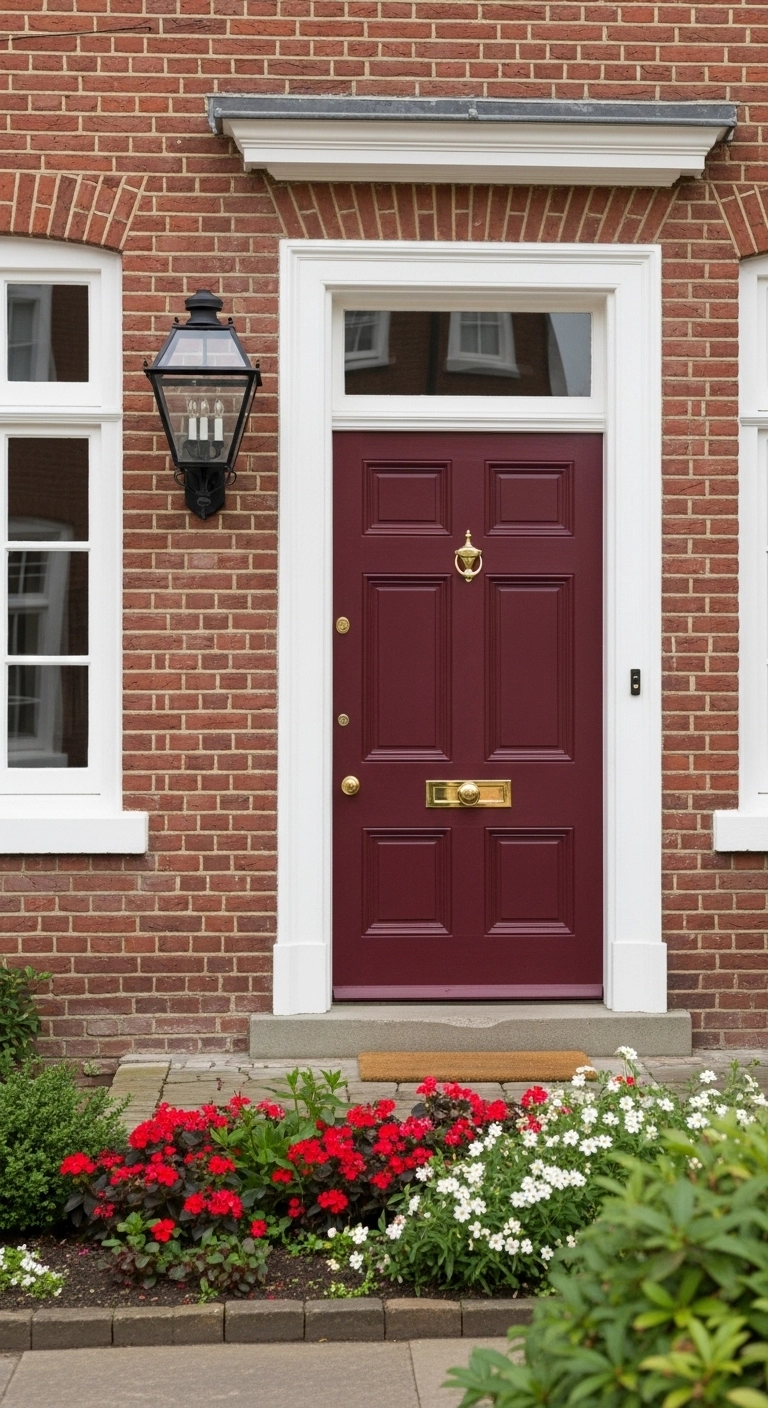
If your home has original details, traditional trim, or period character, a heritage-style shade can feel more natural than a trendy one. Think muted green, deep burgundy, inky blue, smoky teal, or warm cream rather than neon or overly slick modern colors.
This works best in cottages, colonials, farmhouses, and houses with classic proportions. It helps the door feel in harmony with the architecture.
Apply it well by paying attention to the age and mood of the home. The goal is not to make the house feel like a museum piece, but to choose something that respects the existing character.
The limitation is that some heritage tones may feel too formal if the rest of your interior is very modern or casual.
Paint Just the Inside of the Front Door
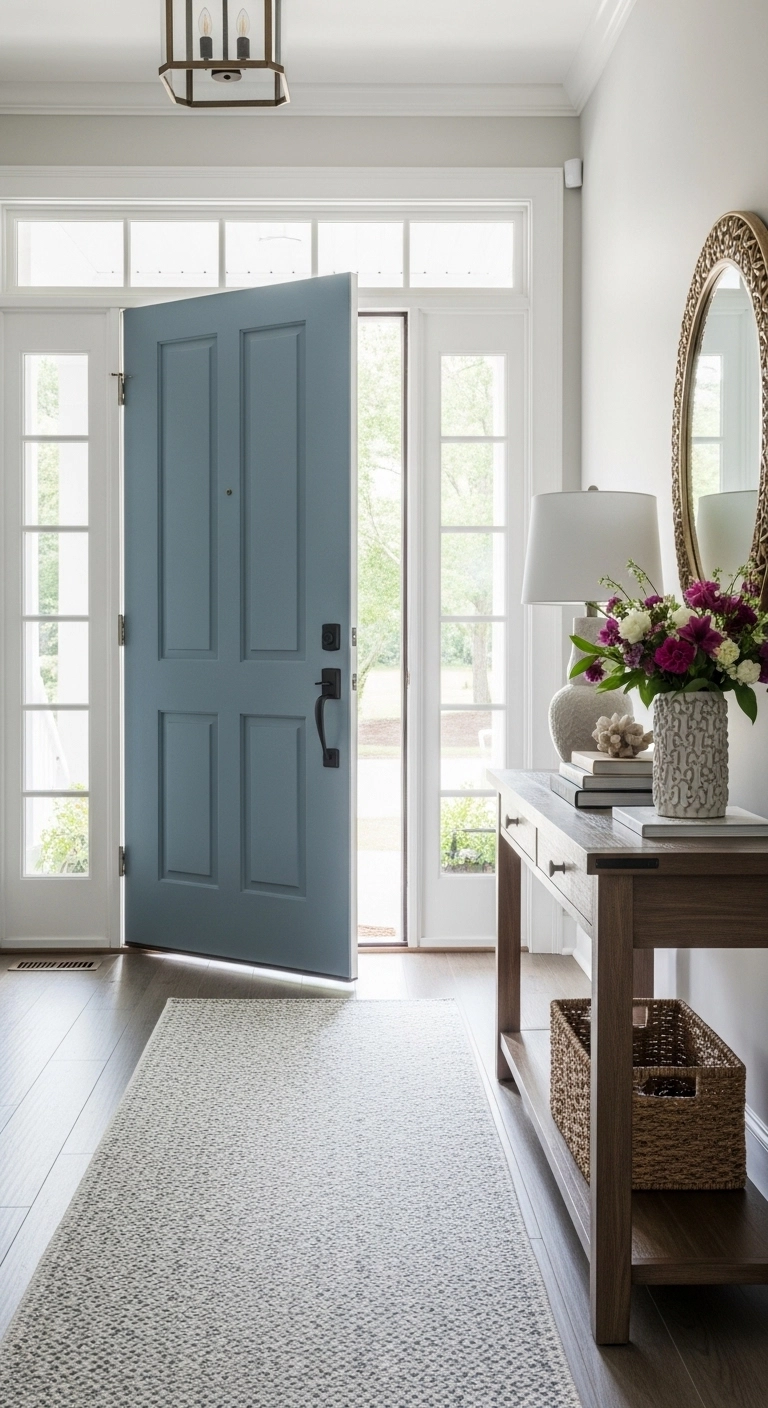
The outside of the front door gets most of the attention, but painting the inside can be just as effective. It gives your entryway a finished look and adds color where you actually see it every day.
This is a great idea if you want personality indoors but prefer a more restrained exterior. It also works for apartments or homes with exterior color restrictions.
Choose a color that works with the inside entry space rather than the exterior facade. That gives you more freedom and can help connect the door to your flooring, runner, console table, or wall paint.
One caution: if the inside and outside colors are very different, take extra care with the edges so the transition looks clean when the door is open.
Use a Painted Finish to Refresh a Worn Door Instead of Replacing It
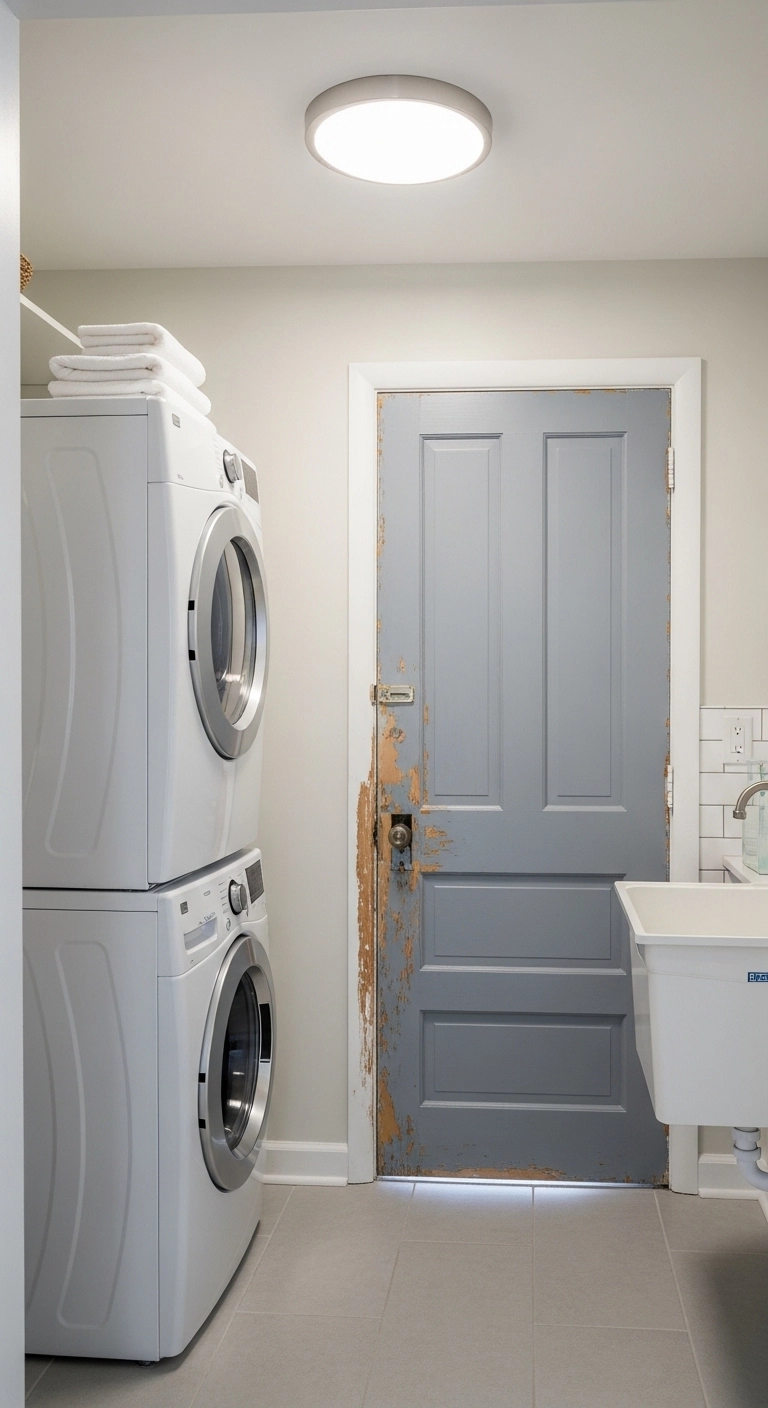
Sometimes the best door painting idea is simply using paint to rescue a door that looks tired, dated, or scratched. A solid, carefully chosen color can make an old door feel intentional again and save it from looking neglected.
This works well for builder-grade doors, older hollow-core doors, basement doors, garage entry doors, and utility spaces where replacement is not the priority.
To do this well, clean thoroughly, patch visible damage if needed, sand lightly, and use a paint suited to the door material and location. Good prep makes a basic paint color look much better.
The caution is that paint can improve appearance, but it will not solve structural problems. If the door sticks badly, warps, or has serious damage, painting alone may not be enough.
Create Contrast With the Hardware in Mind
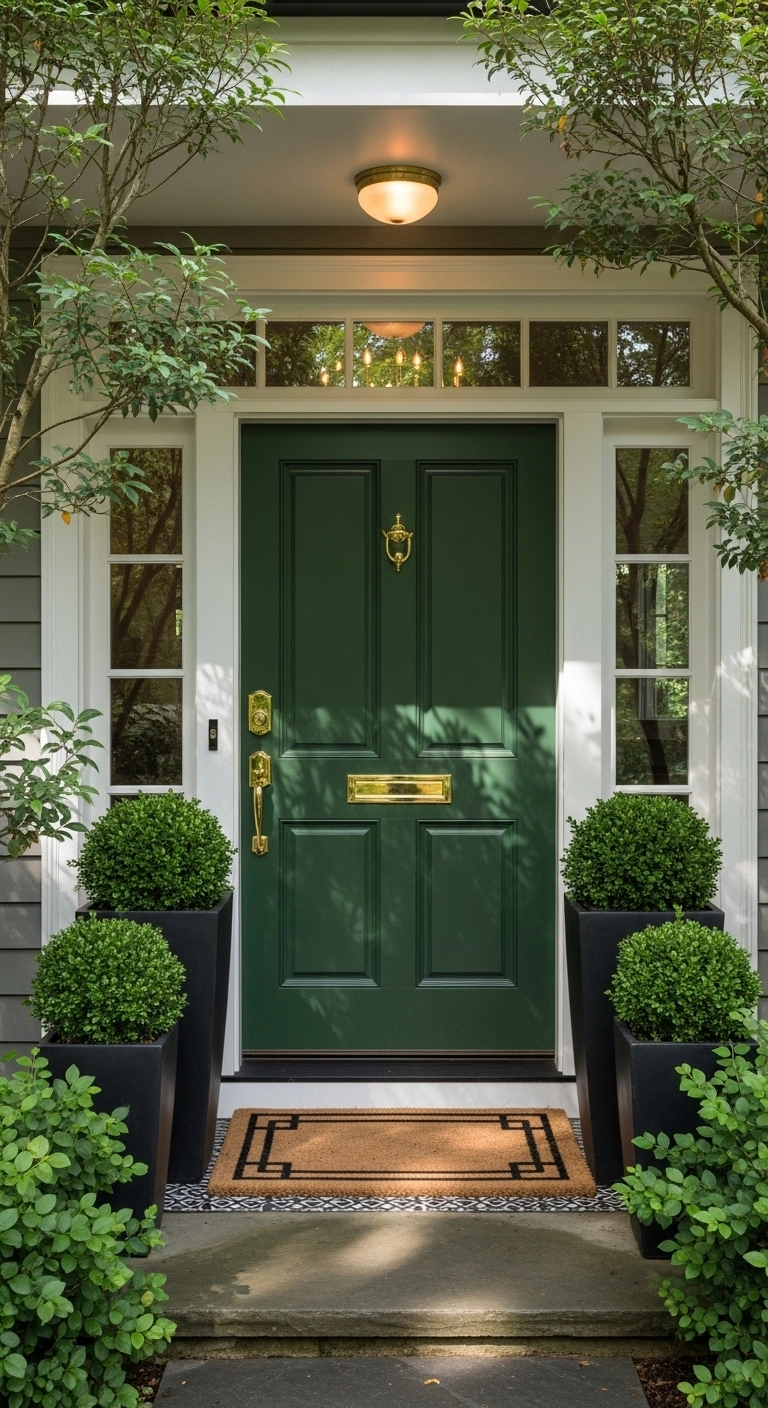
One of the smartest door painting ideas is to pick the paint color only after thinking about the hardware. The handle, hinges, lockset, and even house numbers can all affect whether the finished door feels polished.
A deep green with brass can feel warm and classic. Black with matte black hardware feels modern and sharp. Soft blue with brushed nickel can feel lighter and cleaner. When the paint and hardware support each other, the result looks more complete.
This works in both interior and exterior settings, especially if you are already planning to update knobs or handles.
The mistake to avoid is treating hardware as an afterthought. A beautiful paint color can fall flat if the metal finish clashes or looks worn beside it.
Conclusion
The best door painting ideas aren’t always the loudest. They’re the ones that suit your home, work with your lighting, and make the space feel more intentional when you see them every day. Whether you want a bold front door, a calming color-matched interior door, or a dramatic black finish, a well-chosen paint color can refresh your home surprisingly quickly. Start with one door, sample carefully, and focus on a result that feels right in your space rather than following what looks popular elsewhere.