
16 Chic White Living Room Ideas For A Soft Modern Cozy Feel
A white living room can feel calm, bright, and beautifully modern, but it can also turn flat or cold if everything blends together. The difference usually comes down to layering. The best white living room ideas do not rely on one shade or one style. They mix texture, tone, shape, and warmth so the space feels soft and inviting instead of stark.
If you want a room that looks clean without feeling sterile, these ideas can help you build that balance in a practical way.
Why White Living Room Ideas Work So Well
White has a way of opening up a room visually. It reflects light, helps smaller spaces feel airier, and gives you a flexible backdrop that works with modern, cozy, classic, and even slightly rustic details. It also makes it easier to refresh your look over time because you can change the mood with textiles, wood tones, art or lighting rather than changing everything.
That said, a good white living room is rarely pure white from wall to wall. It usually includes soft variations like ivory, cream, oatmeal, stone, beige, warm gray, pale wood, black accents, and tactile fabrics. Those layers are what make the room feel finished.
Start With Warm White Walls
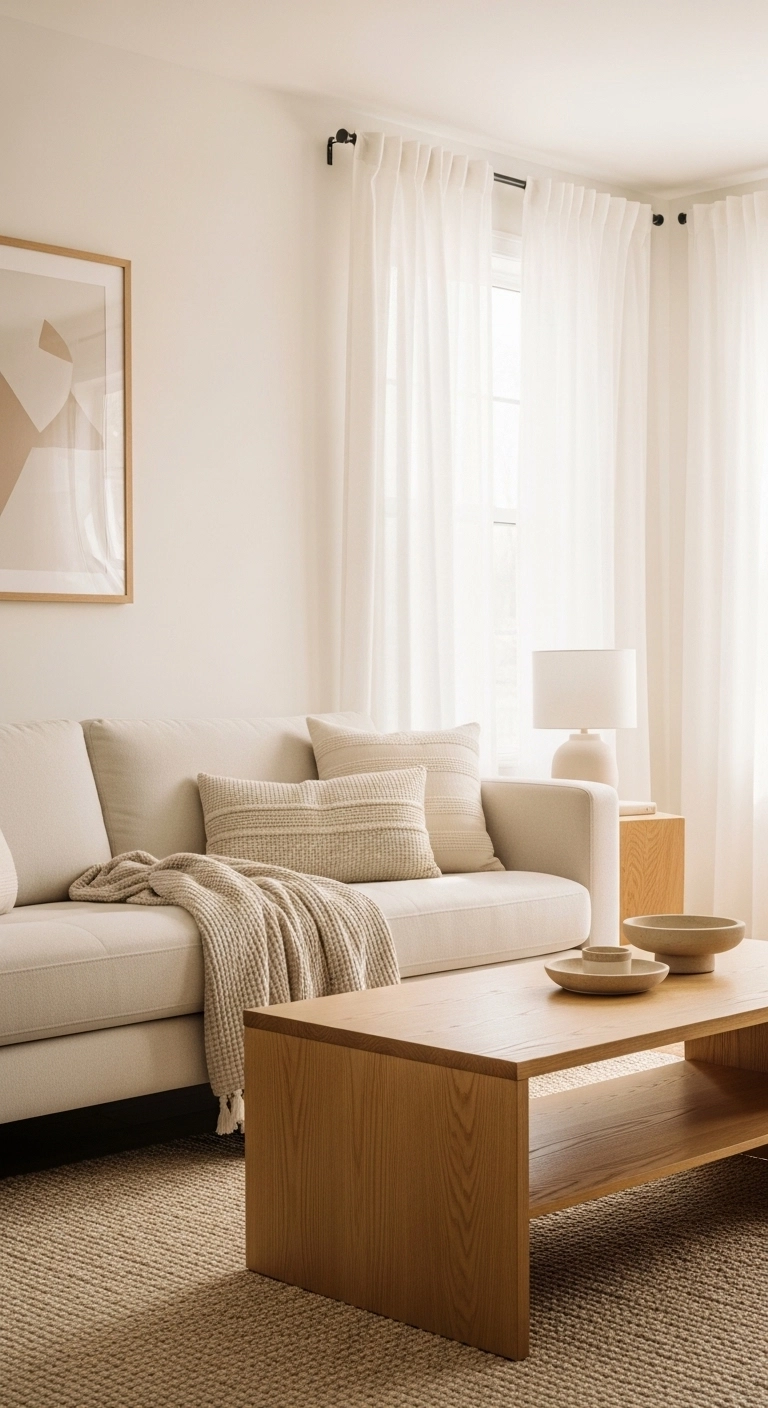
Warm white walls are one of the easiest ways to set a soft foundation. Instead of a crisp, blue-based white, choose a white with a gentle creamy or neutral undertone. That subtle warmth helps the room feel more relaxed and lived-in.
It works especially well in living rooms that need to feel cozy rather than gallery-like. It suits homes with wood floors, textured rugs, linen curtains, and lots of natural light. A warm white also flatters both modern and traditional furniture, making it easy to match your room’s style.
To apply it well, test paint swatches on more than one wall and look at them in morning, afternoon, and evening light. White shifts more than people expect. A shade that looks soft in one room can look yellow or gray in another. The main caution here is choosing a white too quickly from a sample card. Undertones matter, and lighting changes everything.
Layer More Than One Shade of White
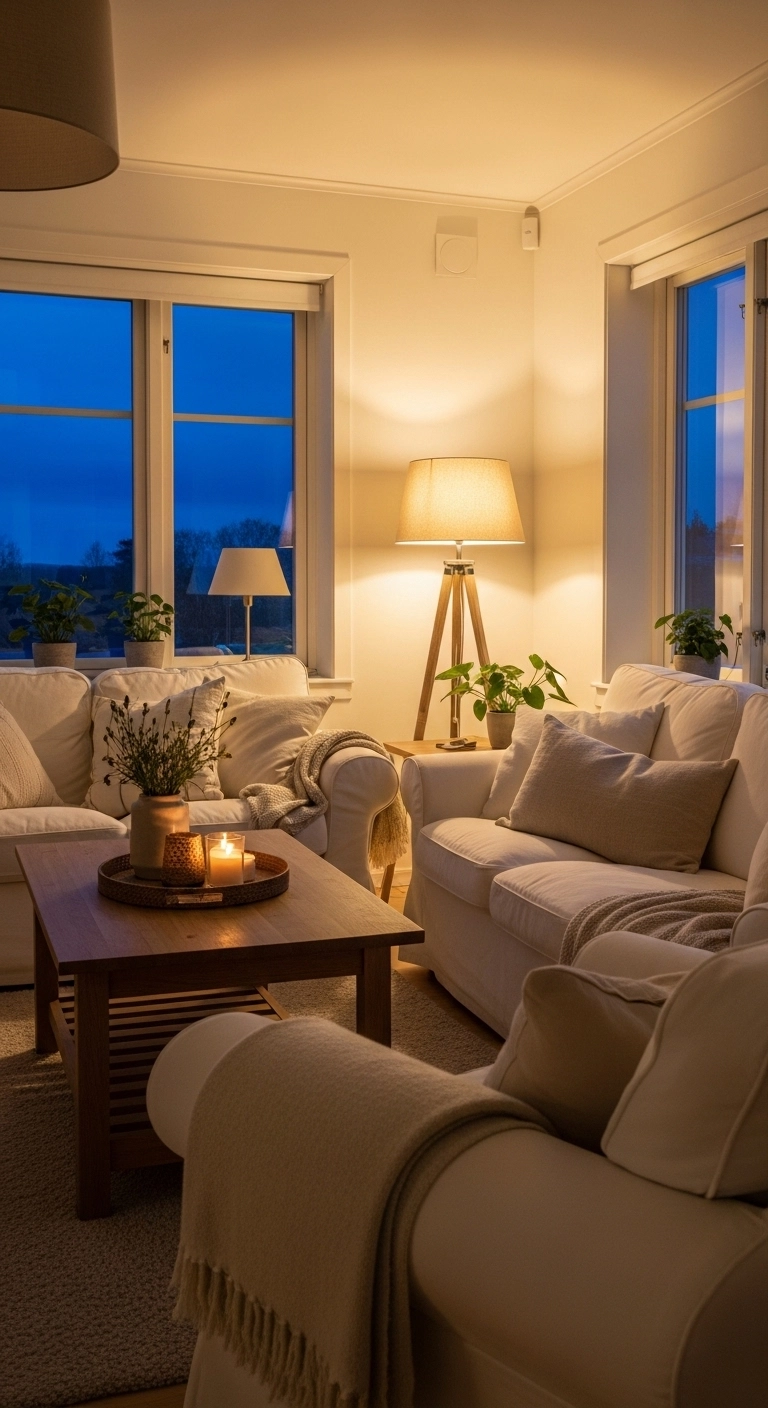
One of the strongest white living room ideas is also one of the simplest: do not use only one white. Pair soft white walls with an ivory sofa, cream curtains, an off-white rug, or a pale boucle chair. The room still reads as white, but it gains depth.
This works because tonal variation keeps the space from looking flat. It gives the eye something to move across without disrupting the calm palette. It is especially useful in minimalist or modern living rooms where the color palette stays restrained.
To make it intentional, keep the whites in the same temperature family. If your walls are warm, keep your upholstery and textiles warm as well. Pairing icy white with creamy white looks accidental rather than layered. The caution is subtle but important: Contrasting tones is helpful, but clashing undertones can make a room feel uncomfortable.
Bring In Light Wood for Natural Warmth
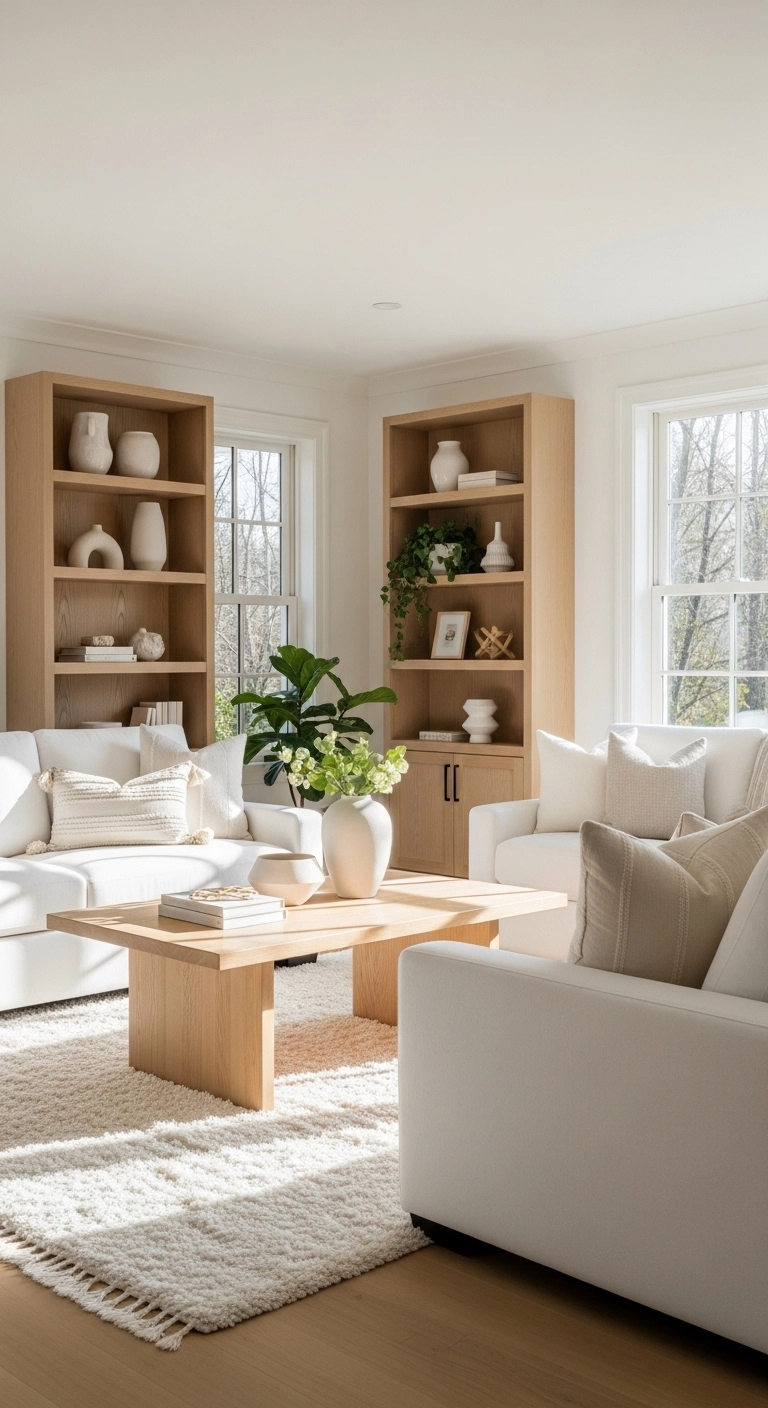
White and light wood are one of the most reliable pairings for a soft modern cozy feel. Think oak coffee tables, ash shelving, pale wood frames, or a natural wood sideboard. These elements break up the white and bring in an organic note.
This combination works because wood adds visual warmth without making the room feel heavy. It keeps the palette airy while still grounding the space. It’s perfect for Scandinavian-inspired rooms, modern organic interiors, and homes that want a clean look without sacrificing comfort.
A good way to apply it is to repeat the same or similar wood tone in at least two or three places so it feels connected. You might use a wood coffee table, a small stool, and a frame or lamp base. The mistake to avoid is adding too many unrelated wood tones. A little variation is fine, but too much can make a calm room feel scattered.
Use Texture as Your Main Design Tool
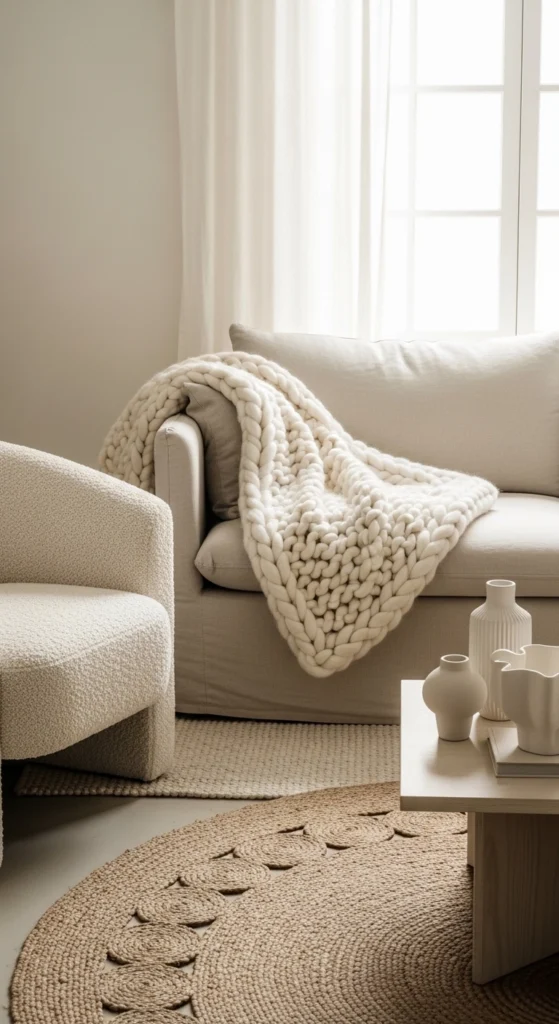
In a white room, texture often matters more than color. Boucle, linen, cotton, wool, plaster, jute, ribbed ceramic, and brushed wood all help the space feel layered and soft. Without texture, a white living room can feel unfinished even when it is fully furnished.
This approach works best for anyone who loves a quiet palette but still wants visual richness. It is especially useful in rooms with few bold colors or patterns. Texture creates interest without breaking the calm.
To apply it well, spread texture throughout the room rather than loading it up in one spot. A knobby chair, a woven basket, a soft rug, a slubby curtain, and a matte lamp can all work beautifully together. One caution: Too many modern textures in a single room can feel over-styled. Aim for variety, but balance shapes and finishes.
Choose a Sofa With Soft, Relaxed Lines
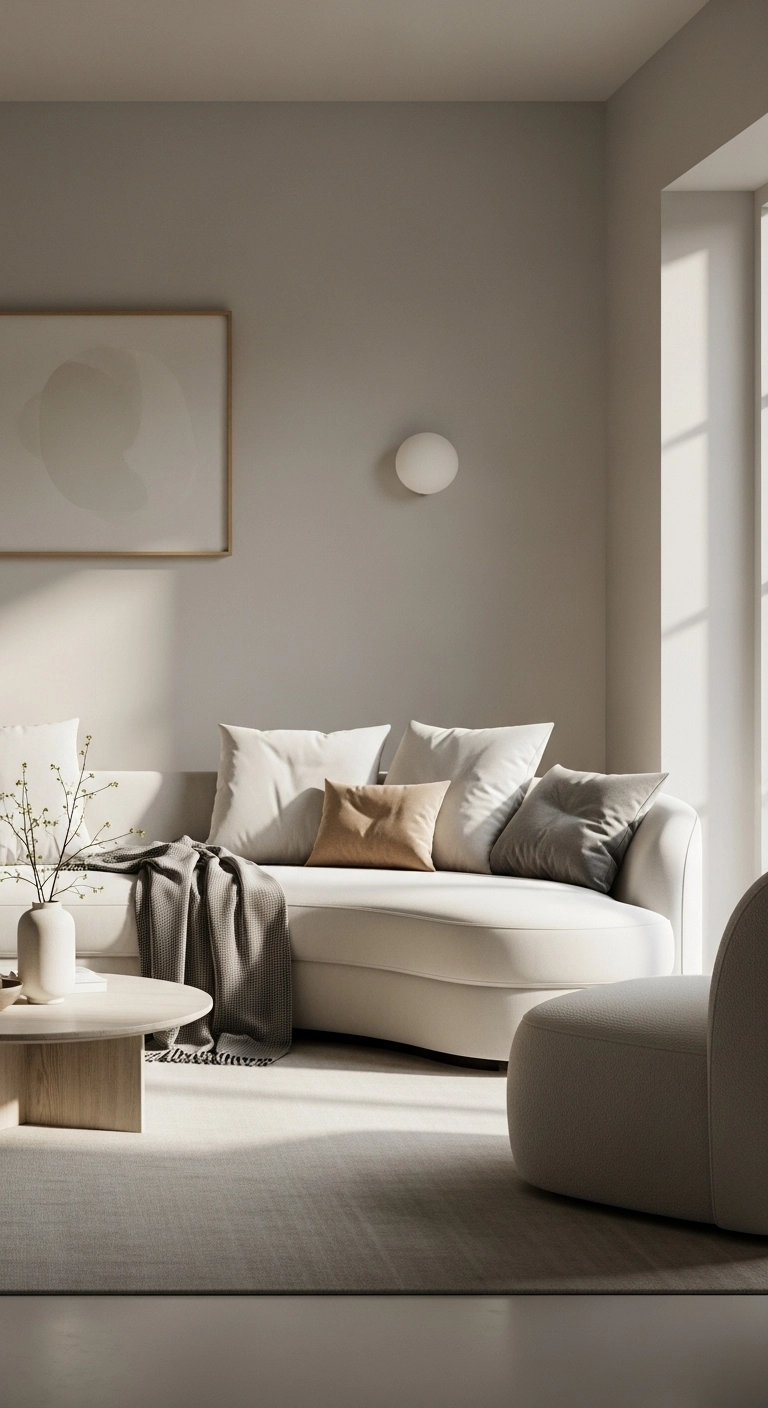
A white or cream sofa often becomes the centerpiece of the room, so its shape matters. Sofas with rounded edges, deep seats, slipcovered finishes, or gently relaxed lines tend to feel cozier than very sharp, rigid silhouettes.
This works because soft shapes make a room feel more inviting. Even in a modern setting, a slightly more comfortable sofa keeps the space from feeling too formal. It becomes part of the visual appeal of family rooms, lounge-style living rooms, and anything that requires comfort.
To make this practical, think about both the color and the fabric. Performance fabrics, washable slipcovers, or textured upholstery can be helpful if the room gets daily use. The main caution is choosing a beautiful white sofa that does not match your lifestyle. A room can look chic and still be usable, but the materials need to fit how you live.
Add a Large Cream or Ivory Rug
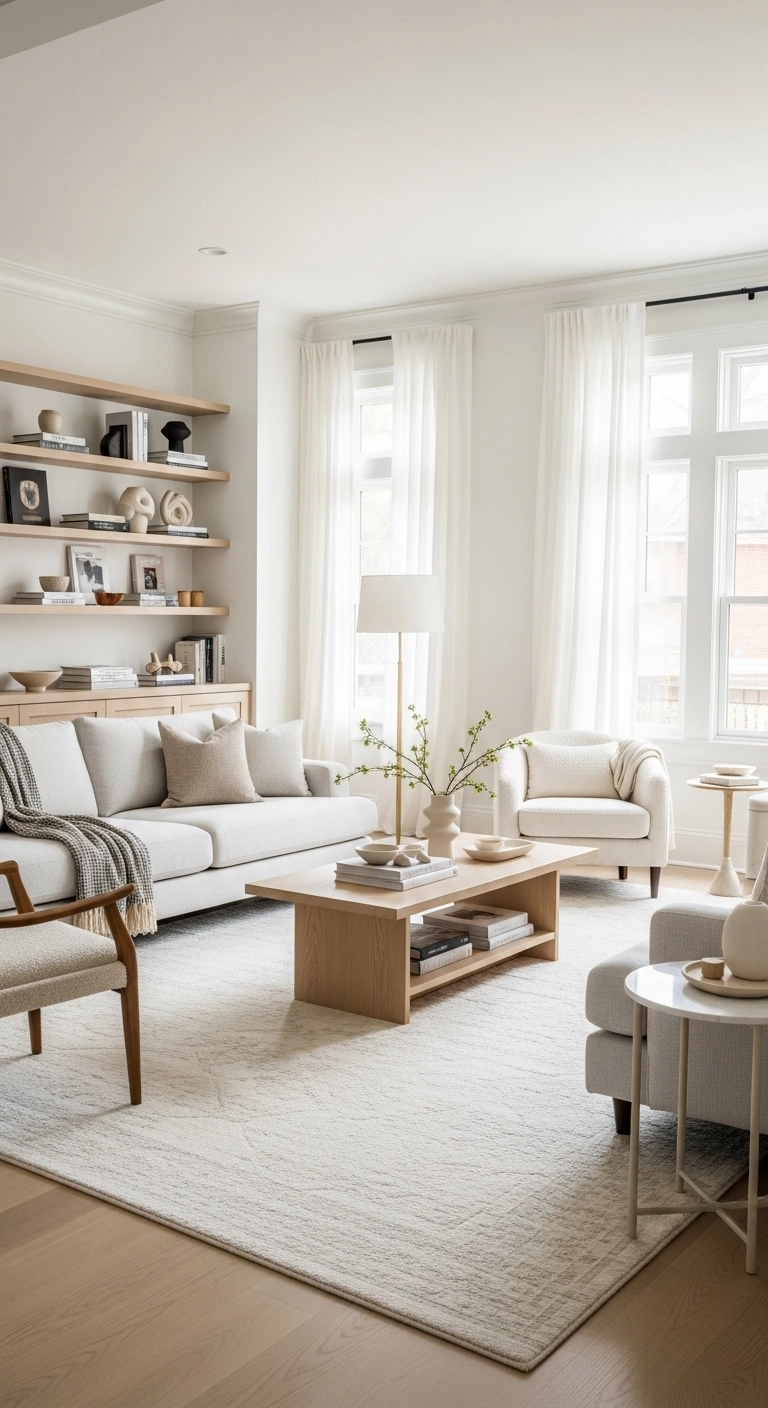
A large rug in cream, ivory, or a subtle pattern can anchor the seating area and make the room feel softer right away. It also helps connect furniture pieces so the layout feels intentional instead of floating.
This idea works well in open living rooms, apartments, and spaces with hard flooring that need warmth. A rug adds comfort underfoot and visually lowers the sharpness that white walls and modern furniture can sometimes create.
To apply it well, go larger than you think. A rug that is too small can make the room feel disconnected. Ideally, the front legs of your main seating pieces should sit on the rug. A caution here is practical: very light rugs show wear more quickly in busy areas. Pattern, texture, or a slightly mottled finish can help hide everyday life better than a flat solid tone.
Mix White With Beige, Oatmeal, or Taupe
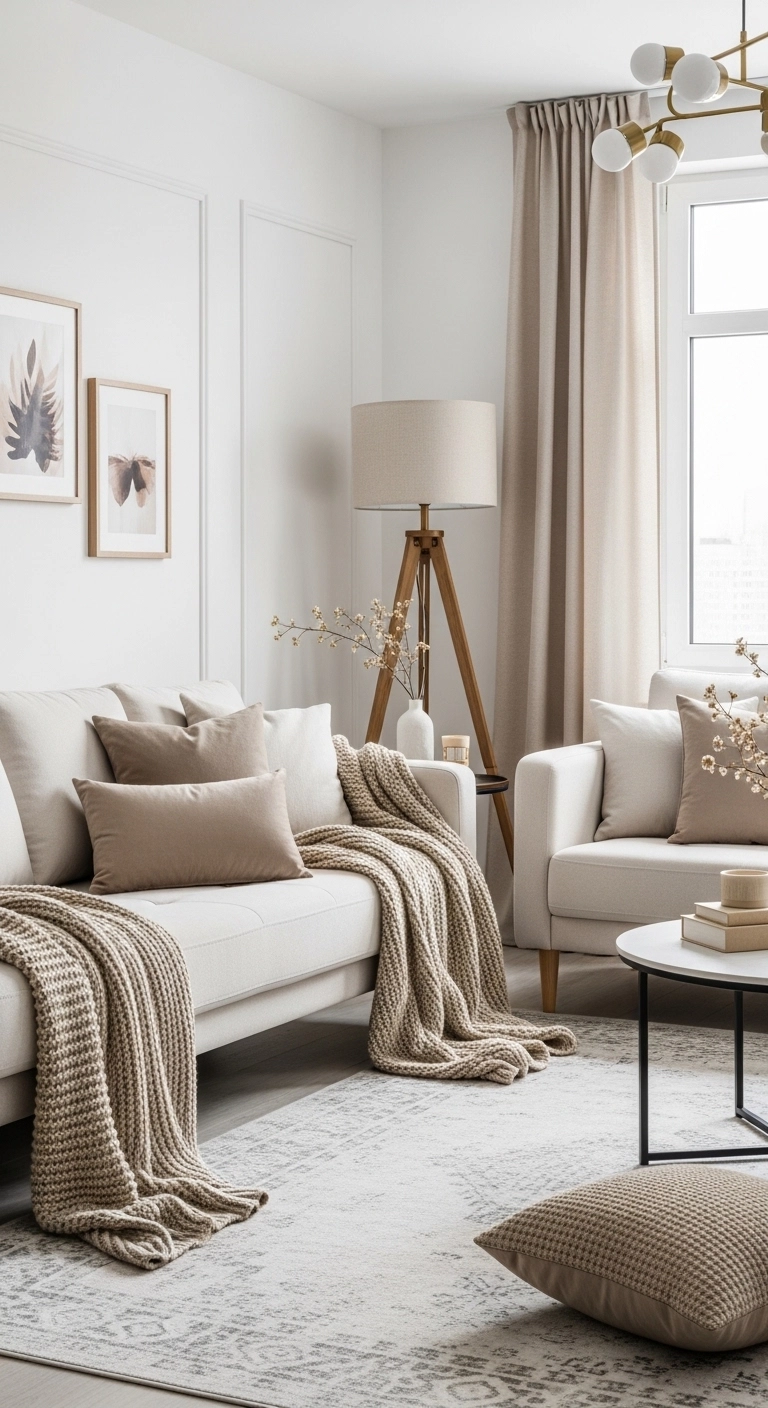
If an all-white palette feels too stark, soften it with gentle neutrals like beige, oatmeal, sand, or taupe. These shades keep the room light while adding warmth and depth.
This works because white often looks best when surrounded by supporting tones. They make a muted neutral room feel more grounded and comfortable. They’re especially good in spaces that don’t get strong natural light or in homes where a white color palette feels too delicate.
You can bring these colors in through throw pillows, curtains, a rug, artwork, or an accent chair. The key is restraint. Let white stay dominant and use these neutrals as support. The mistake to avoid is turning the palette muddy by using too many similar shades with no contrast in texture or shape. Tone-on-tone works best when the materials are varied.
Use Black Sparingly for Definition
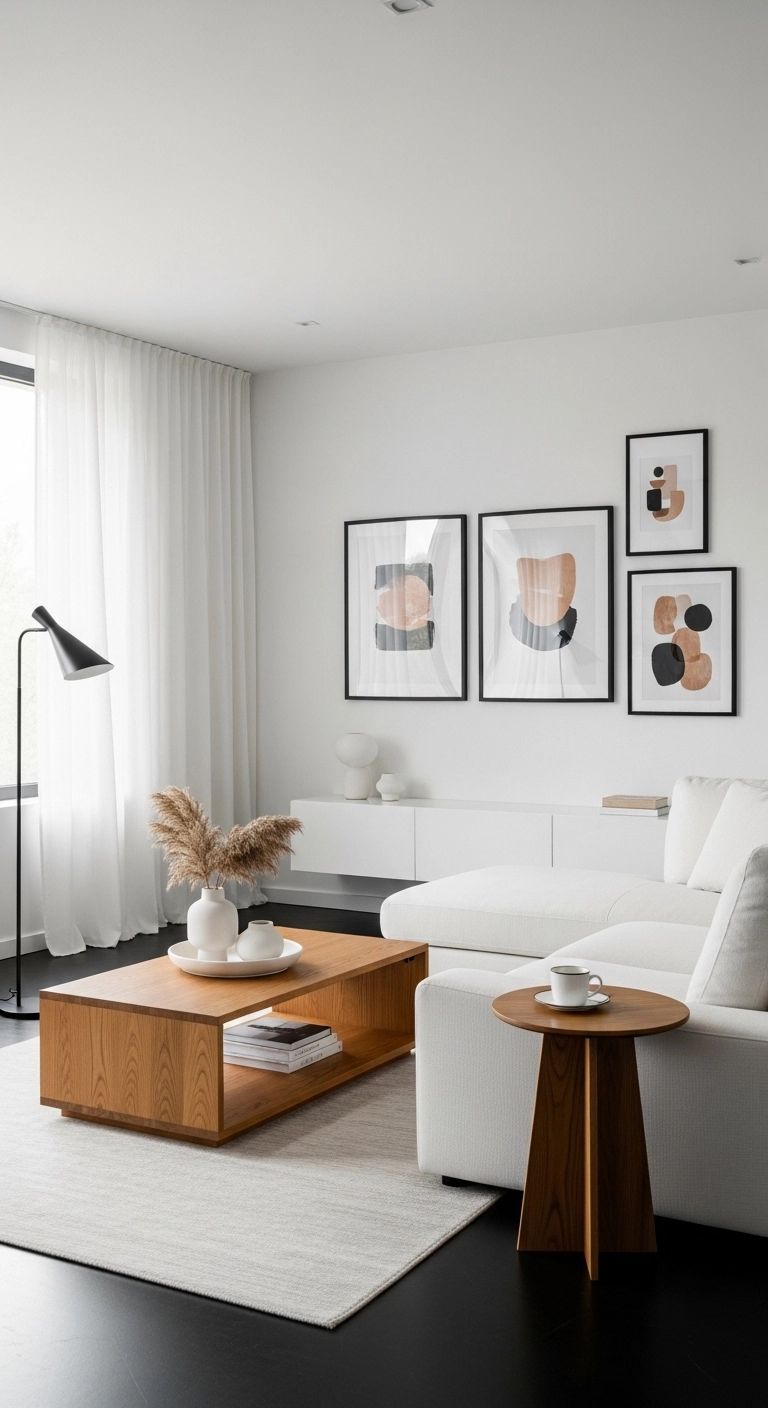
A soft white room often benefits from a little contrast. Black accents can outline the space and keep it from feeling washed out. A black floor lamp, picture frame, side table, or window trim can add just enough structure.
This works because contrast gives the eye a place to rest. In a pale room, even small black details can sharpen the overall design. It is especially effective in modern and transitional living rooms where you want the space to feel clean and intentional.
The best way to use this idea is lightly. Instead of relying on one isolated element, repeat black two or three times in different parts of the room. The caveat is simple: Too much black can take a room away from being soft and cozy and turn it into high-contrast and dramatic. If softness is the goal, think of black as an accent, not a central theme.
Choose Sheer or Light-Filtering Curtains
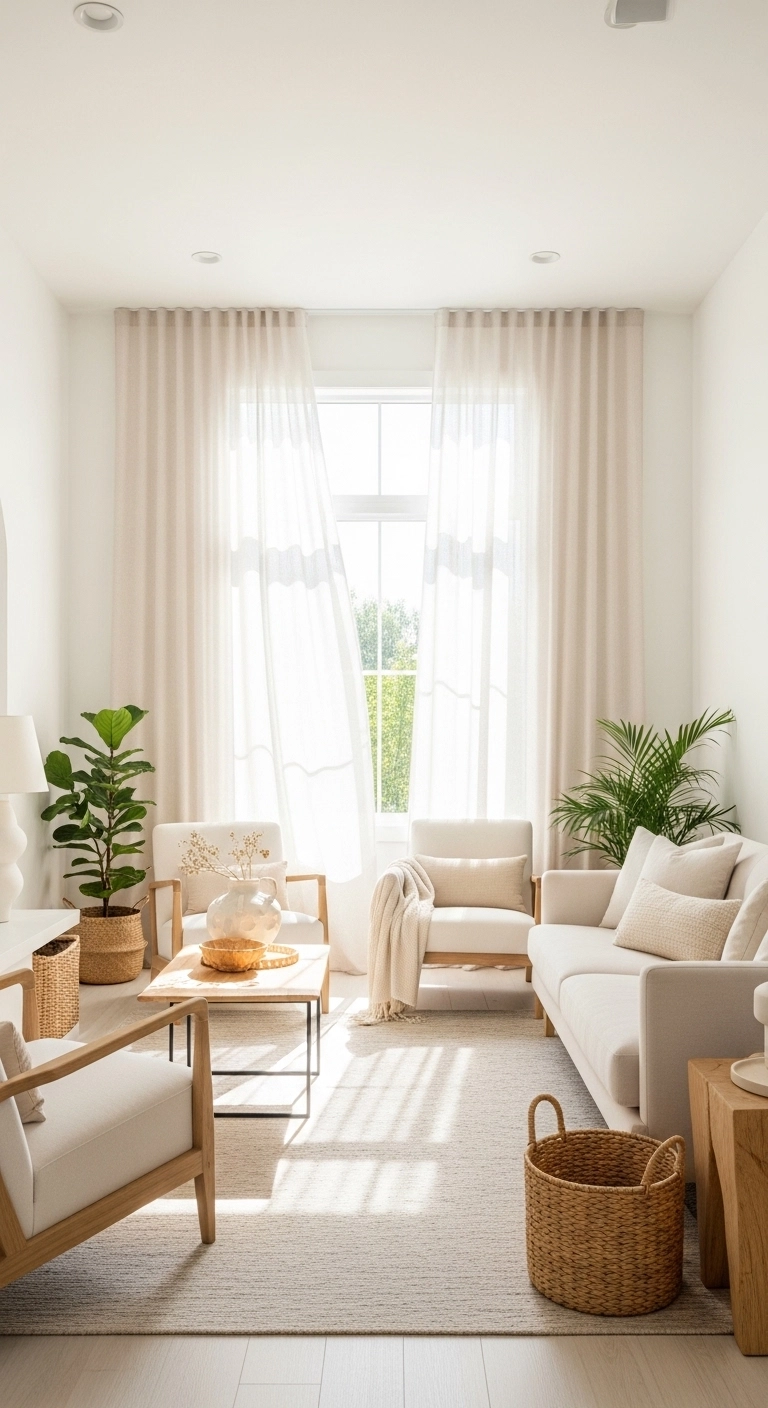
Window treatments can change the entire mood of a white living room. Sheer linen curtains or soft light-filtering panels help keep the room airy while adding movement and texture.
This works particularly well in rooms with good daylight. The fabric softens incoming light and helps the room feel gentler throughout the day. It also makes the space feel more finished than bare windows do, even in minimalist interiors.
To apply it well, hang curtains higher and wider than the window frame so the room feels taller and more polished. Floor-length panels usually look softer and more intentional than short ones. One caution is function: if privacy or glare is a concern, sheer curtains alone may not be enough. Layering them with a more practical shade can solve that without losing the soft look.
Introduce Curved Furniture or Decor
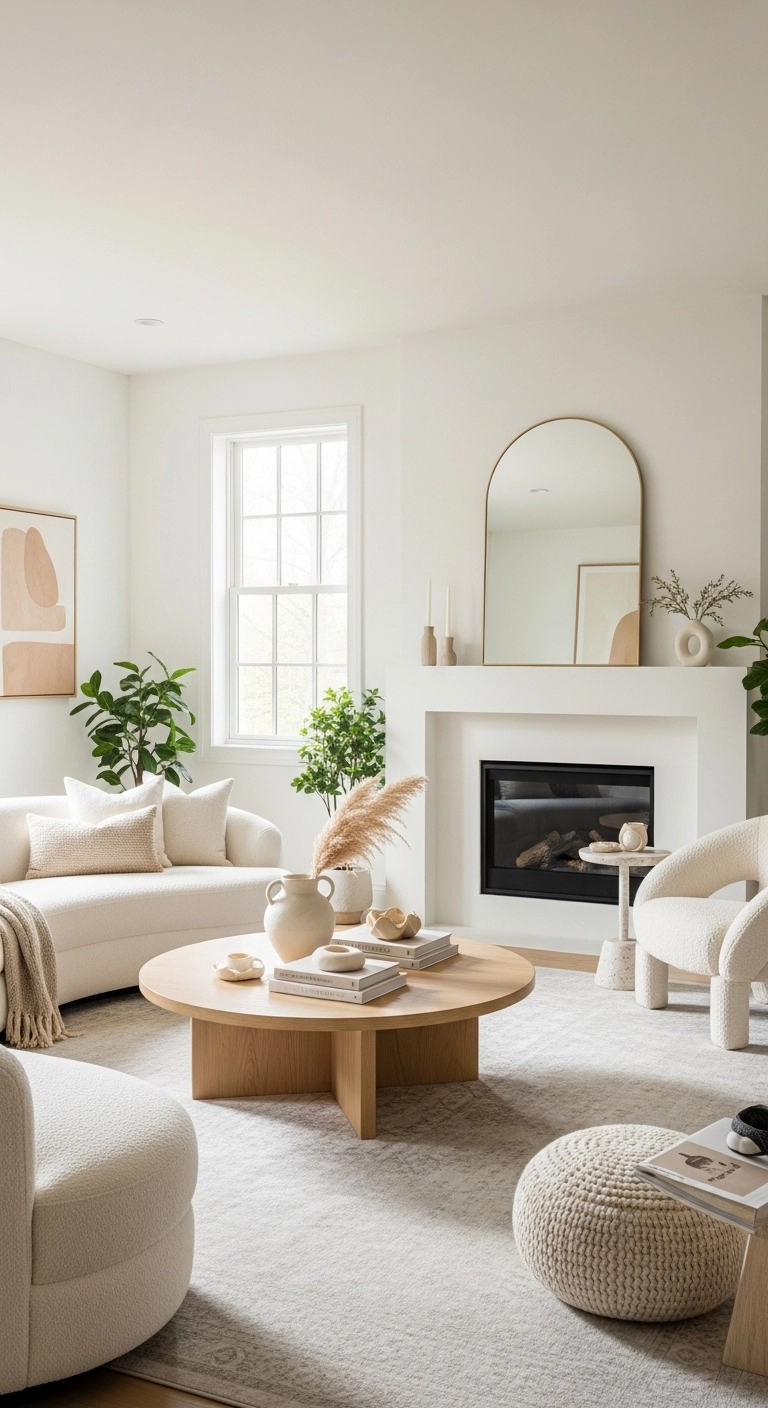
Curves can make a white living room feel more welcoming. A round coffee table, an arched mirror, a curved armchair, or softly rounded lamp bases can ease the sharpness of straight-lined architecture.
This idea works because curves bring flow. In a room dominated by squares and rectangles, they soften the layout and make it feel less rigid. They are especially well suited to modern spaces because they add warmth without the need for additional color.
To use this idea effectively, choose one or two curved elements that stand out rather than filling the room with rounded forms. A single circular coffee table can do a lot. The caution is balance. If every piece is curved and plush, the room may lose structure. Softness usually looks best when paired with a few cleaner lines.
Style With Natural Materials
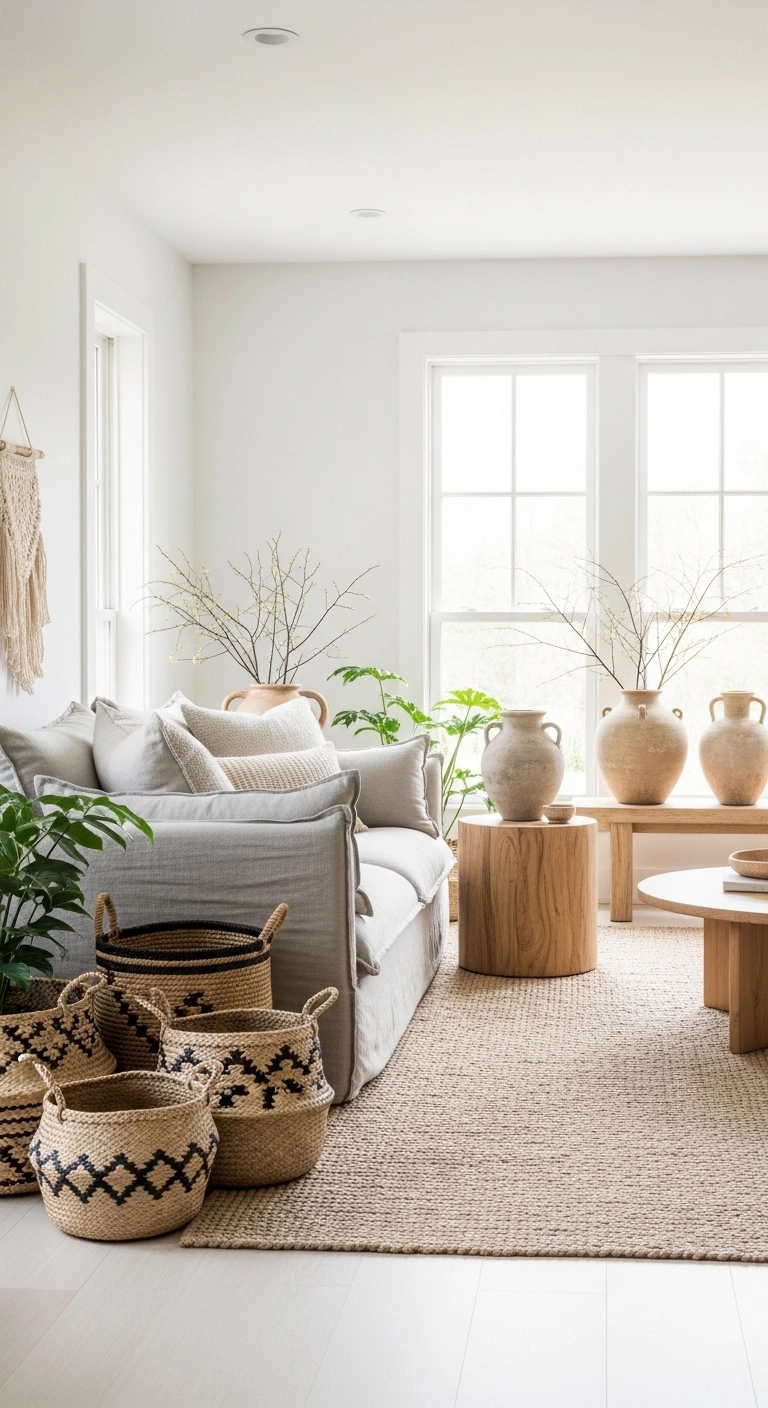
Natural materials are one of the easiest ways to keep white living room ideas from feeling too polished or lifeless. Stone, rattan, wicker, clay, seagrass, raw wood, and linen all bring in a quiet sense of texture and authenticity.
This works best for people who want a room that feels calm, casual, and elevated at the same time. Natural materials have enough imperfection to make a pale room feel human. They fit especially well in modern organic, coastal, and relaxed contemporary spaces.
You can use them in baskets, trays, vases, side tables, or lighting. The key is to mix them thoughtfully so they support the room’s theme rather than overpower it. The mistake to avoid is forcing too many rustic elements into a sleek room. Let the materials soften the space, not overpower it.
Keep Decor Minimal but Not Empty
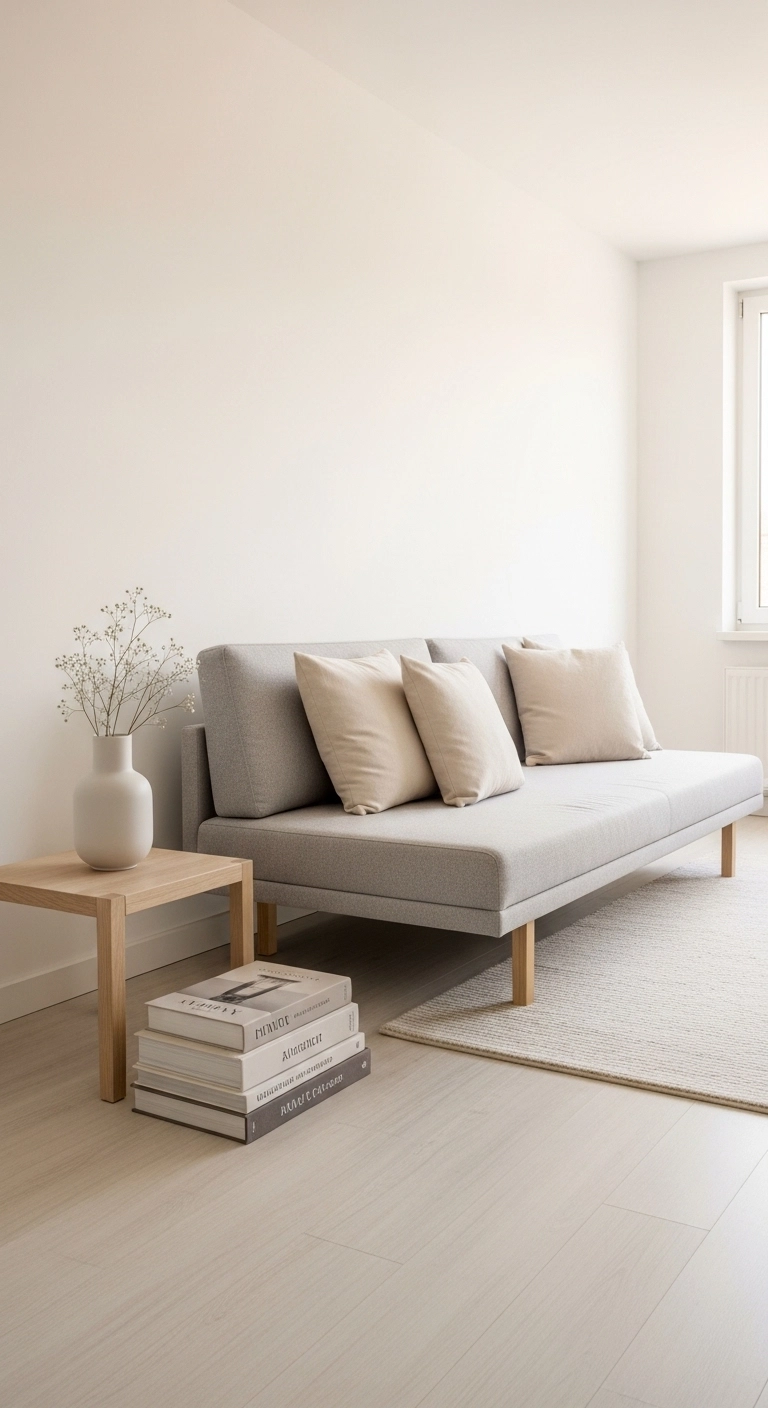
A white living room usually looks best when styling is edited. Too many small objects can make the room feel busy, while too few can make it look unfinished. The goal is calm, not emptiness.
This works because a restrained palette benefits from visual breathing room. A few well-chosen pieces often look more sophisticated than many decorative items competing for attention. It suits anyone drawn to a modern look but still wanting warmth.
A simple approach is to group decorations into small, deliberate moments: a stack of books, a ceramic vase, a candle, a bowl, or a branch arrangement. Vary the heights and materials to create a display. Be careful not to confuse minimalism with coldness. A room still needs softness, personality, and a lively touch to make it inviting.
Add Soft Lighting at Multiple Levels
Lighting can make or break a white room. Overhead light alone often feels flat or harsh, especially in the evening. A mix of floor lamps, table lamps, sconces, and candlelight-like glow creates a softer atmosphere.
This works because layered lighting adds depth and helps the room transition from bright daytime calm to cozy evening comfort. It is useful in nearly every living room, but especially in white spaces where shadows and glow play a big role in the mood.
To implement this well, think in layers rather than one source. A floor lamp by the sofa, a table lamp on a side table, and a warm bulb overhead can work well together. One caveat is the bulb temperature. A bulb that is too cool can make white surfaces feel harsh, while a warmer bulb generally supports the relaxing effect better.
Use Art to Add Warmth Without Visual Noise
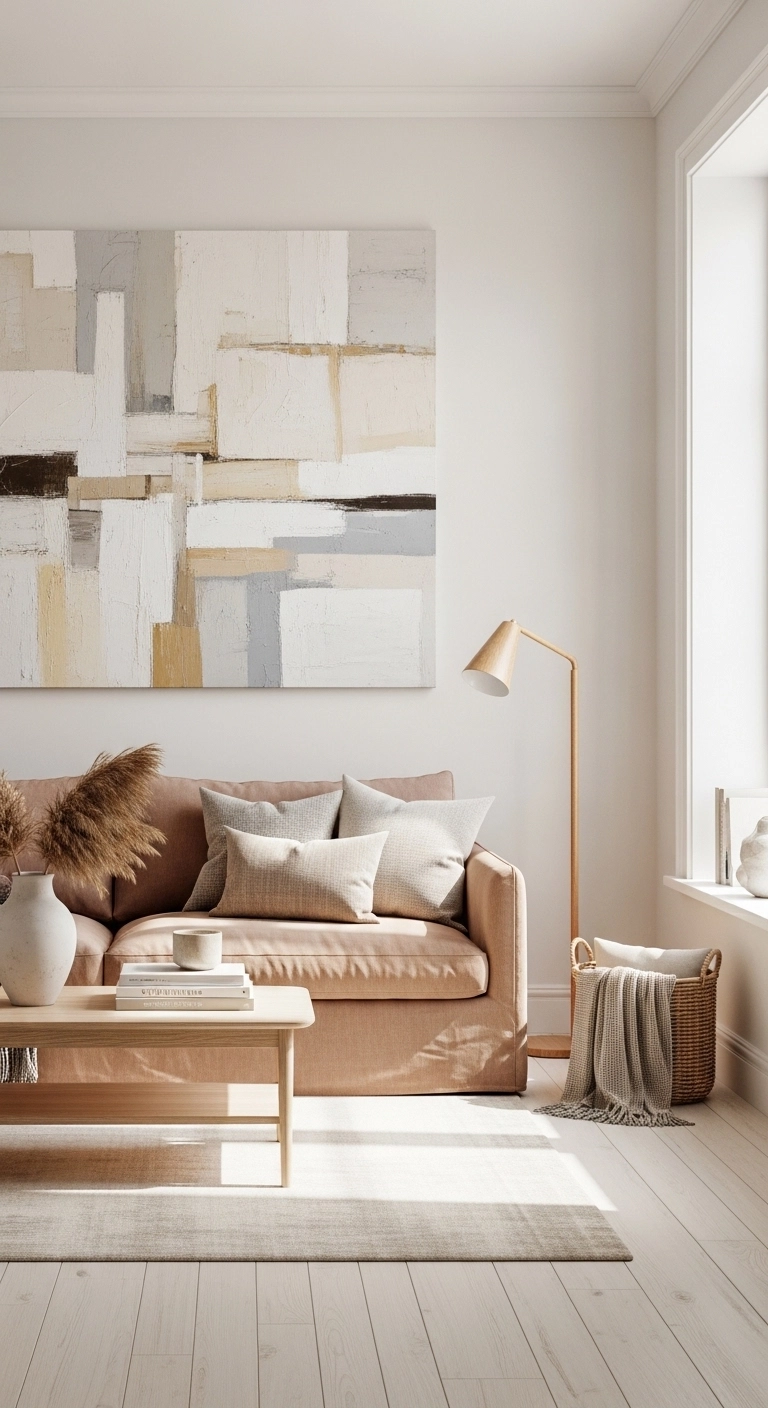
Art gives a white living room personality. In a soft modern room, the best art often stays within a quiet palette: abstract neutrals, line drawings, soft landscapes, black-and-white photography, or textured canvases.
This works because art helps a pale room feel intentional and personal. It can introduce subtle contrast, shape, and mood without requiring bold color. It is ideal for walls that feel too blank but do not need a loud statement.
Choose pieces that echo the overall tone of the room. Large-scale art can be especially effective because it makes a strong impact without creating clutter. Be careful with scale and framing. Art that is too small will look lost on white walls, and overly flashy or ornate frames can counteract the casual modern feel.
Include One Cozy Accent Piece
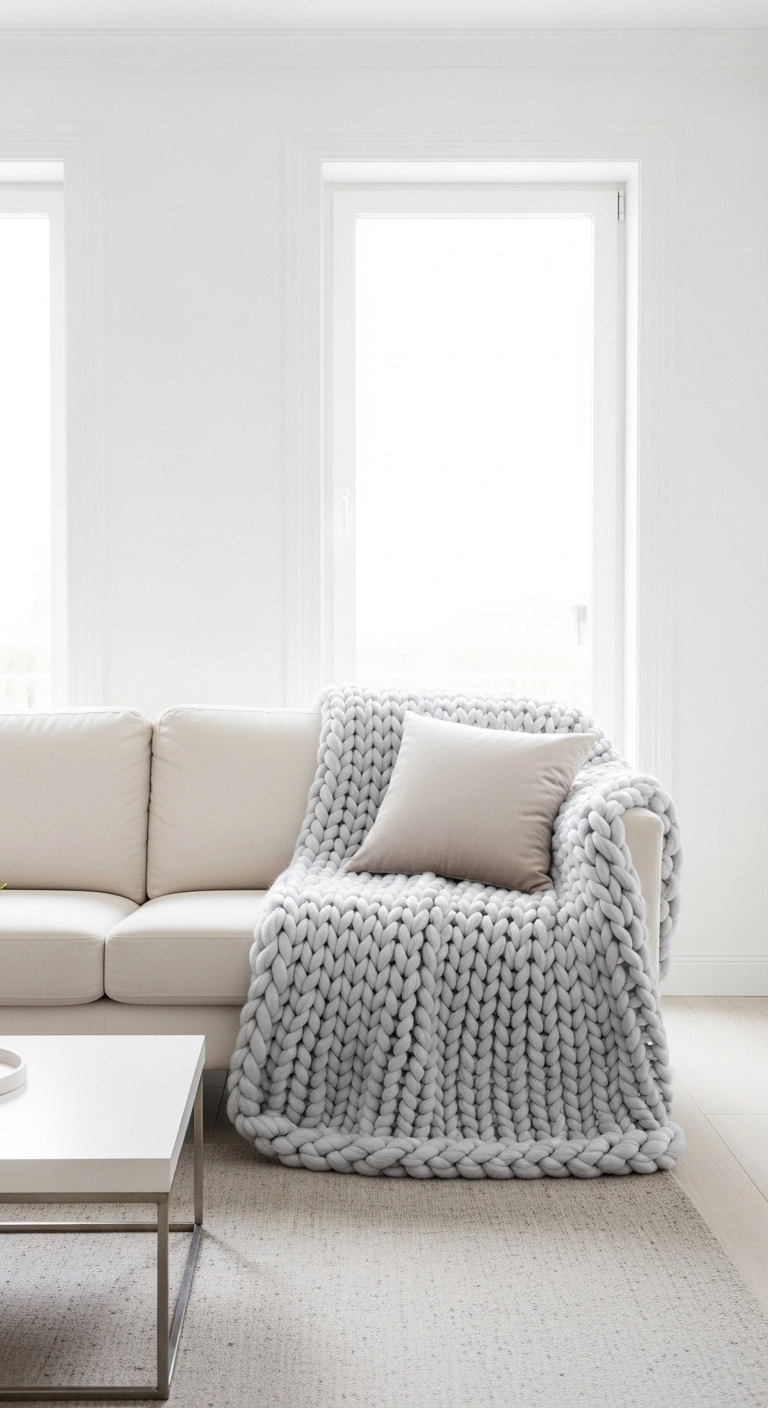
Even a very polished white living room benefits from one item that feels especially cozy. That might be an oversized knit throw, a deep accent chair, a plush ottoman, or a soft bench by the window.
This works because every room needs a visual invitation. A cozy accent piece signals that the room is meant to be used, not just admired. It suits both formal and casual spaces because it adds warmth without changing the whole design.
To make it feel integrated, choose an accent piece that fits the palette but shifts the texture or shape. A chunky knit throw on a smooth linen sofa, for example, creates contrast in a subtle way. The caution is not to overdo it with too many “cozy” add-ons. One or two are enough to keep the room refined.
Let Empty Space Be Part of the Design
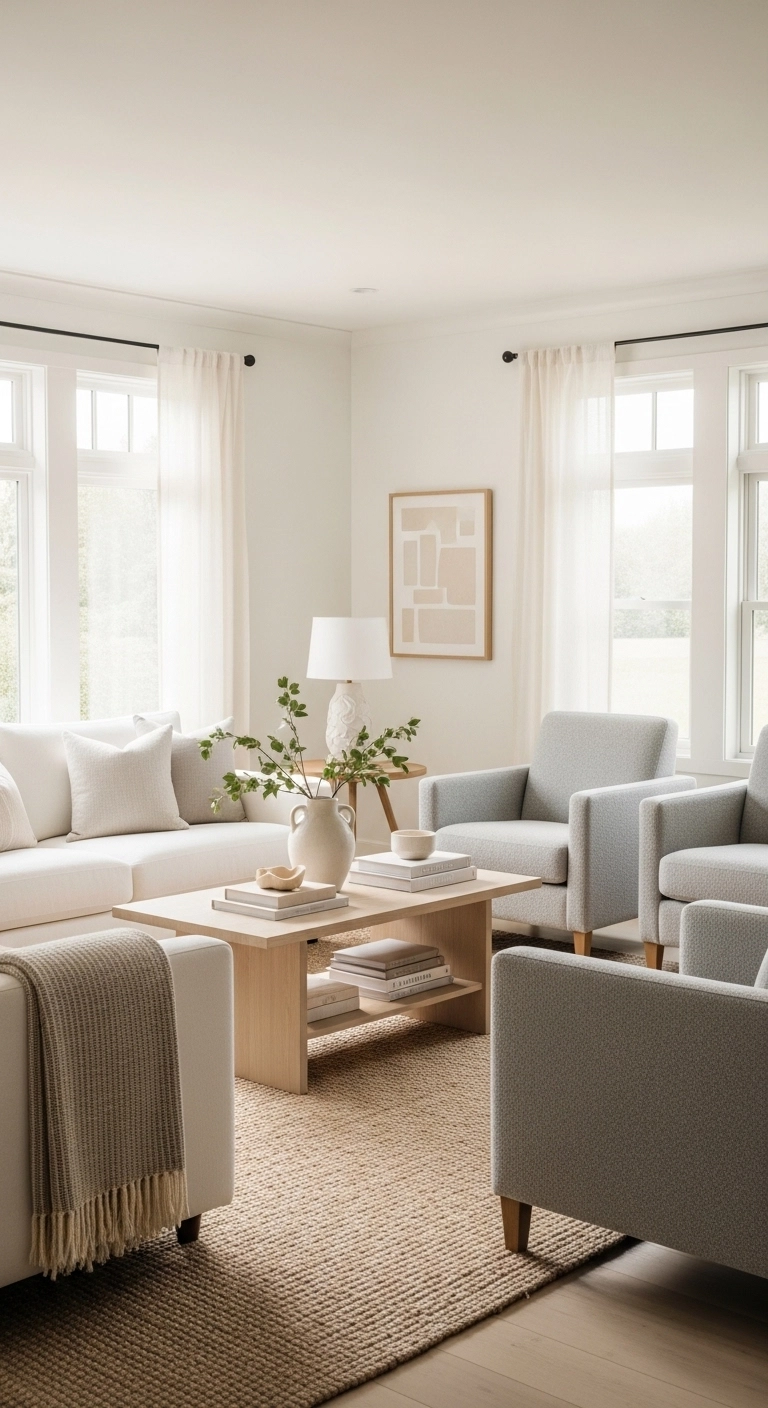
Not every corner needs filling. In a white living room, a little open space can make the room feel calmer, lighter, and more intentional. Negative space helps the furniture, textures, and materials stand out.
This works especially well in smaller rooms or in spaces with beautiful windows, architectural details, or a few strong furniture pieces. It gives the room a sense of ease and keeps the design from feeling crowded.
To implement it well, focus on the essentials first, then pause before adding more. Ask yourself if a piece enhances the room or just fills a void. The trick is to avoid making the room feel empty. Empty space should feel intentional, not unfinished, so balance it with plenty of softness and function.
Conclusion
The most successful white living room ideas are not really about white alone. They are about softness, contrast, texture, and warmth working together in a quiet way. A room can be bright and modern without feeling cold, and it can feel cozy without becoming heavy or cluttered.
If you’re starting from scratch, focus on warm whites, natural textures, good lighting, and a few grounding materials like wood or woven accents first. Those choices usually do more than add more decor to the room. When the layers are right, a white living room feels timeless, calm, and genuinely comfortable to live in.