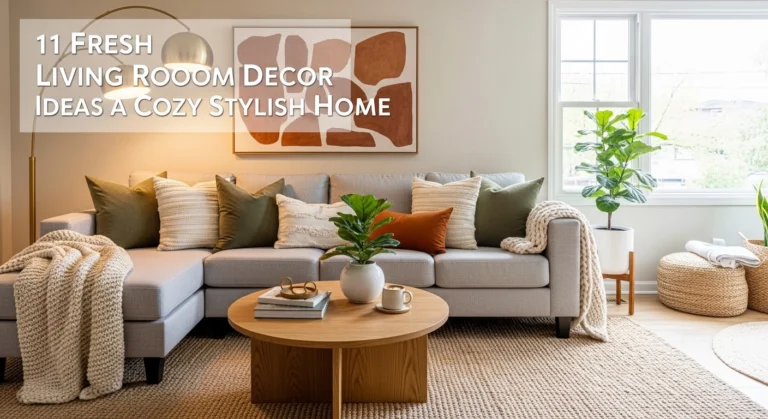
17 Easy House Decor Ideas That Make Every Room Feel Warm
17 Easy House Decor Ideas That Make Every Room Feel Warm

A warm home is not always the one with the newest furniture or the biggest budget. More often, it is the one that feels settled, comfortable, and thoughtfully put together. That is what many people are really looking for when they search for house decor ideas: not a showpiece, but a home that feels inviting the moment they walk in.
The good news is that warmth is usually created through simple choices. Better lighting. Soft textures. Smart furniture placement. A few natural materials. A little editing. Details are important, but they don’t have to be complicated.
These ideas are practical, realistic, and easy to use in ordinary homes. Some are decorative, some are functional, and the best ones do both.
Use Warm Lighting Instead of Relying on One Bright Overhead Fixture
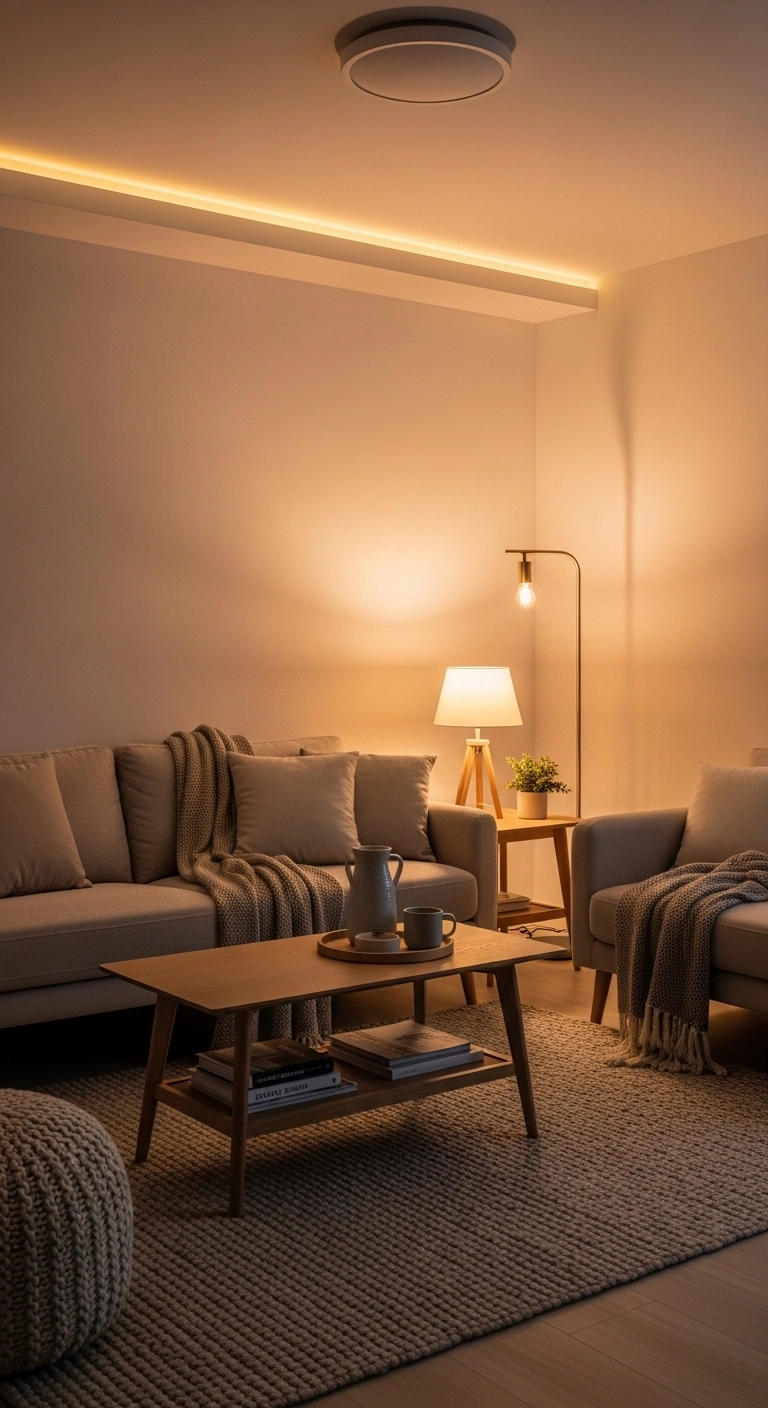
Lighting changes the emotional temperature of a room faster than almost anything else. A space can be clean and nicely decorated but still feel cold if the light is too harsh or too flat.
The easiest fix is to stop depending on one ceiling light. Add layers. A table lamp in the living room, a floor lamp in a reading corner, a small lamp on a bedroom dresser, or a soft sconce in a hallway can make the entire house feel calmer by evening. Light should not only help you see the room. It should help the room feel good to be in.
Warm bulbs usually create a gentler mood than bright cool ones. They also make wood tones, fabric textures, and wall colors look more natural. This is one of the simplest house decor upgrades because it works in nearly every room and does not require a full redesign.
Add Rugs Where a Room Feels Bare or Echoes Too Much
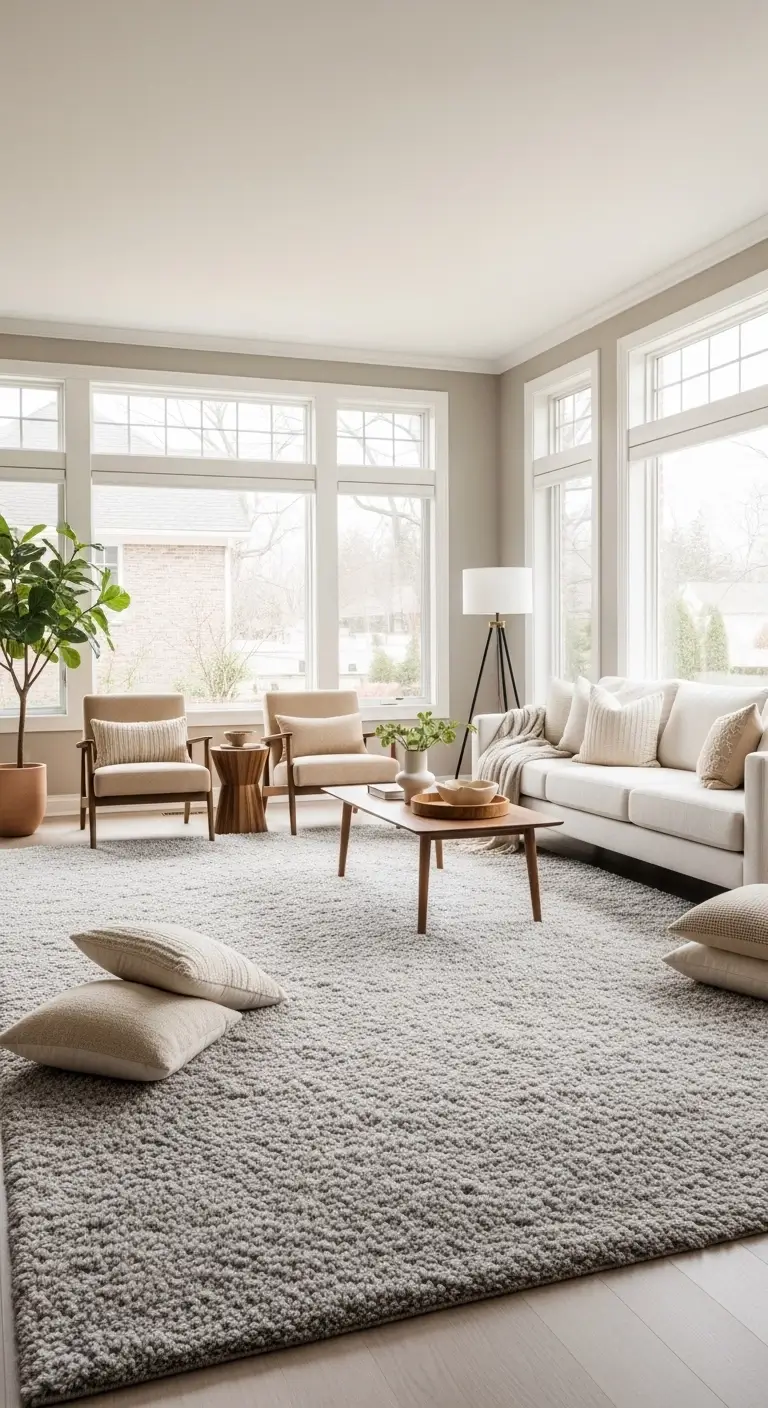
A rug does more than cover floor space. It softens sound, adds comfort underfoot, and gives furniture a visual place to belong. Rooms without rugs often feel unfinished, especially if they have hard flooring and minimal fabric elsewhere.
In living rooms, a rug should help connect the seating area rather than float awkwardly in the center. In bedrooms, a rug can make the first step out of bed feel less abrupt. In dining rooms, it can ground the table and chairs if the size is chosen carefully. Even a narrow runner in a hallway can make the passage feel less like a corridor and more like part of the home.
The important part is scale. A rug that is too small can make a room feel scattered. A rug with the right size and texture quietly improves everything around it.
Bring in Natural Wood for Instant Warmth
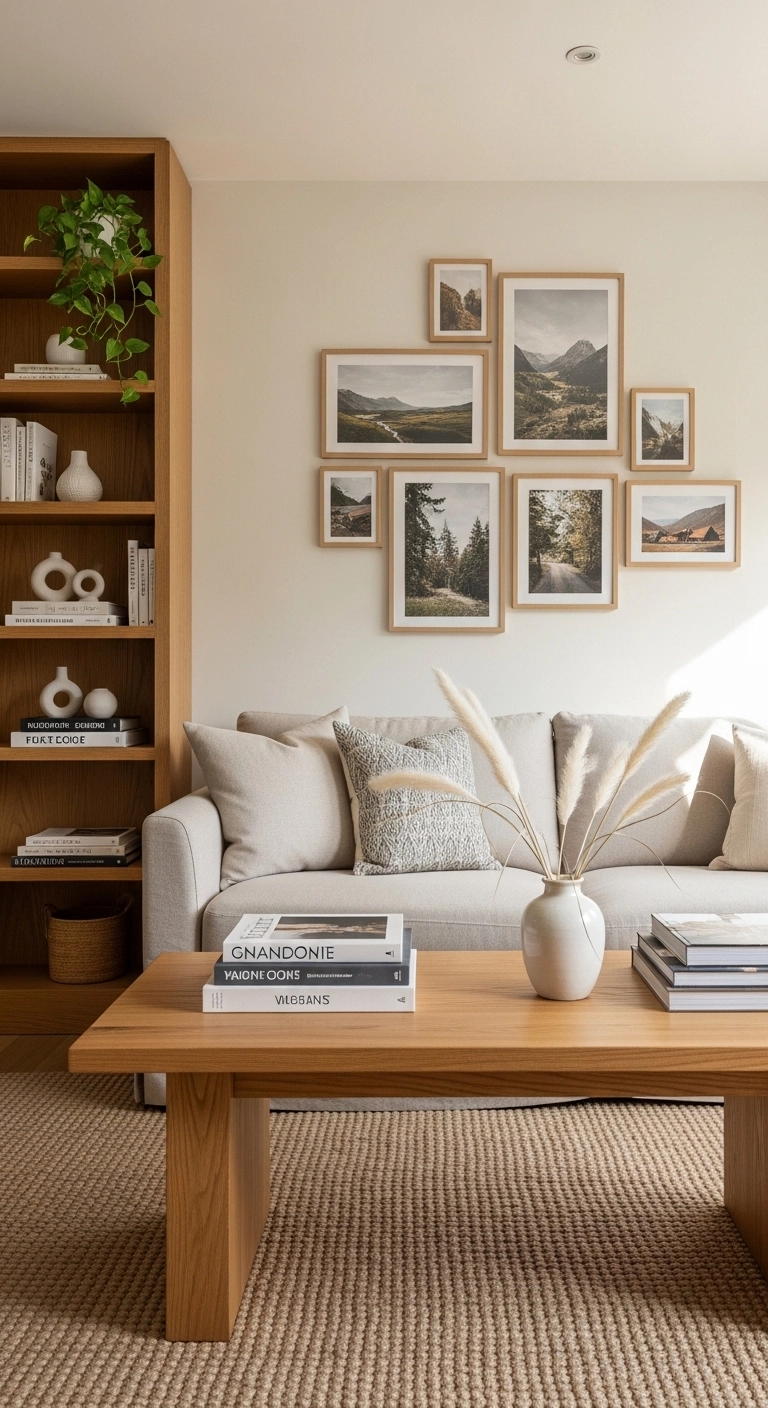
If a room feels tidy but slightly lifeless, it often needs something natural. Wood is one of the easiest ways to bring that in. It adds depth and warmth without asking for much attention.
That doesn’t mean every room needs wood furniture. In fact, mixed tones often feel more natural than a perfect set. A wooden coffee table, a bench with an insert, oak picture frames, walnut shelves, or even a small stool used as a side table can soften a space that feels too plain or too polished.
Wood works especially well in rooms with white walls, neutral upholstery, black accents, or a lot of metal and glass. It introduces a lived-in quality that makes the whole house feel less manufactured.
Hang Curtains Higher Than You Think You Should
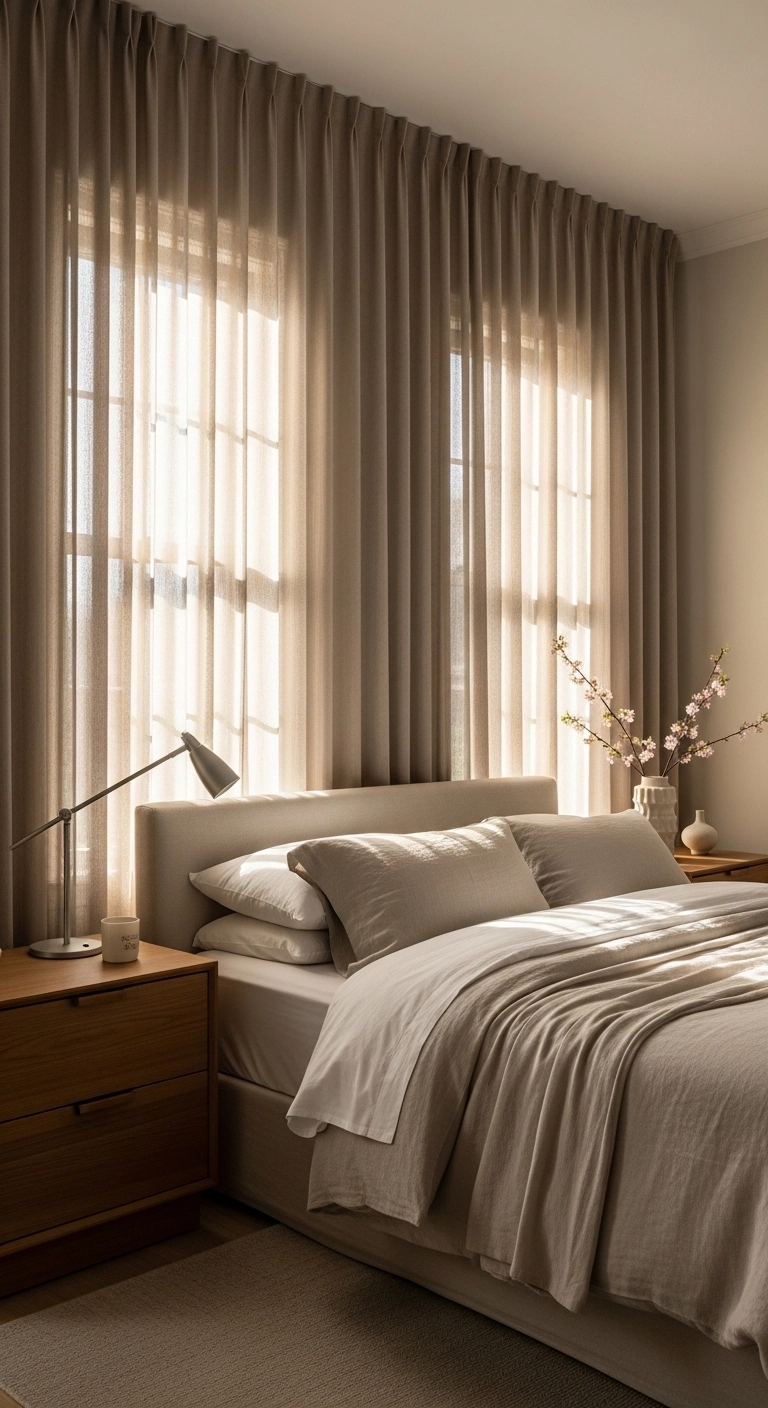
Curtains are often treated as an afterthought, but they have a big influence on how a room feels. They soften hard lines, add fabric to the room, and make windows look more finished.
One of the easiest ways to improve the look is to hang the curtain rod higher and wider than the window frame when possible. This makes the room feel taller and gives the window more presence. It also helps the curtains fall in a way that looks more relaxed and intentional.
Fabric matters too. Heavy drapes can be useful in some rooms, but many homes benefit from medium-weight or light-textured curtains that soften daylight without making the room feel closed off. A room with bare windows can feel exposed or incomplete. Curtains add privacy, softness, and structure all at once.
Style the Entryway Like It Matters
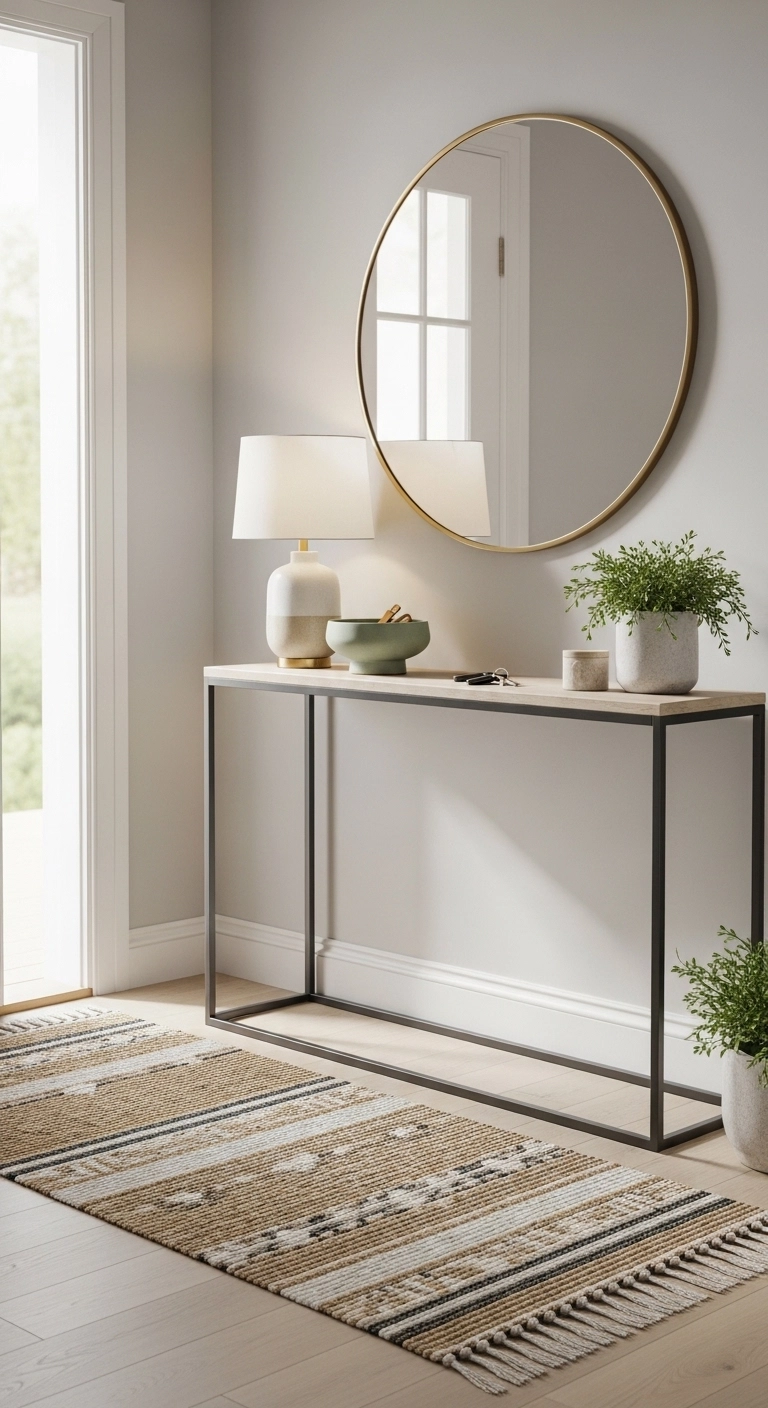
The entryway sets the tone for the rest of the house. It does not need to be grand, but it should feel considered. When it is ignored, the home can feel disorganized before anyone even reaches the living room.
A warm entry usually needs a few basics: a place to drop keys, somewhere to sit or pause, a mirror or artwork, and some kind of softness such as a runner, basket, or lamp. Even a very small entry can feel welcoming with a narrow console table, a tray, and one good light source.
This is also a smart place for something personal, such as a framed photo, a ceramic bowl, or a simple vase with branches. It tells the eye that someone lives here with intention, not just with stuff.
Use Throw Blankets Where People Actually Sit
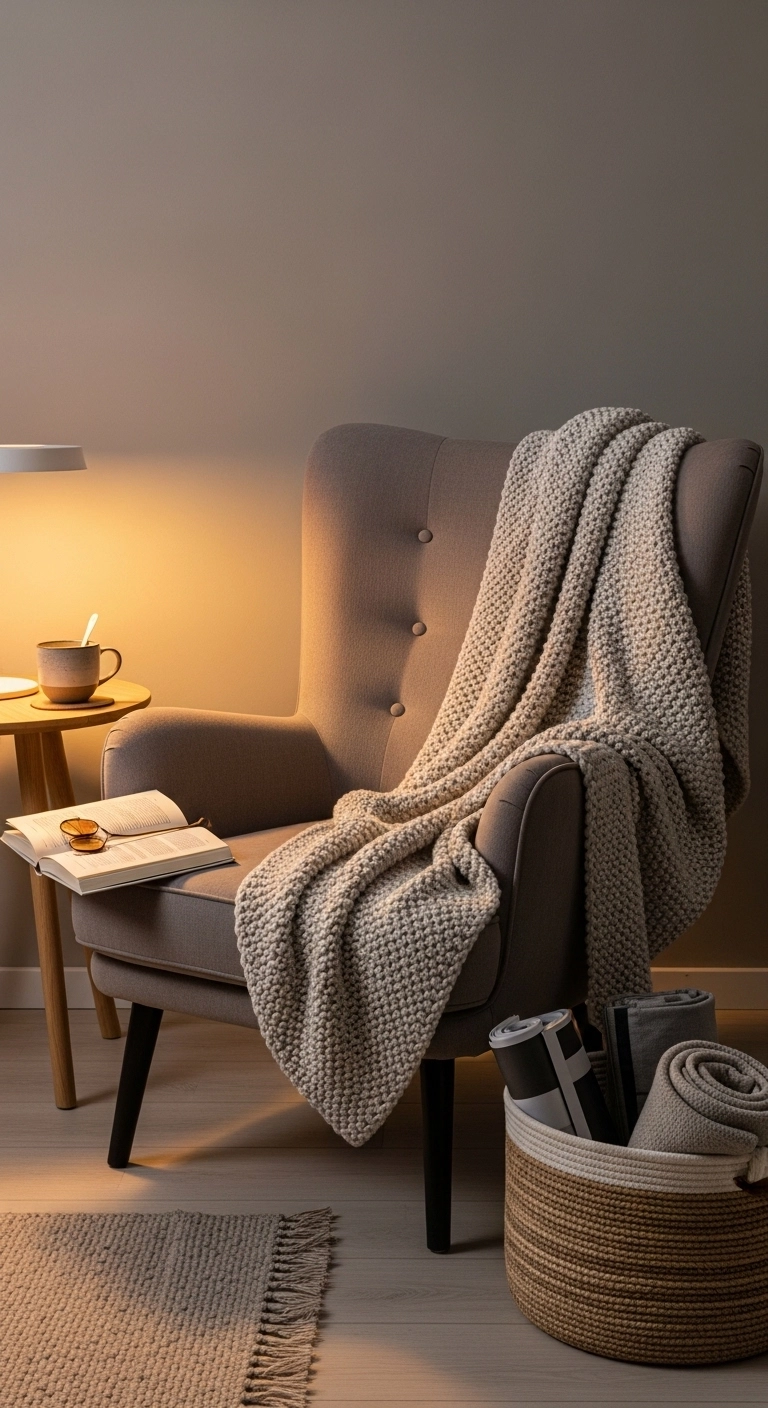
Blankets are one of the easiest warm-up tools in the house, but they work best when they look natural rather than staged. A folded throw over a sofa arm, a blanket draped at the foot of a bed, or one tucked into a basket near a favorite chair can make a room feel more comfortable immediately.
Texture matters more than quantity. One good cotton, wool-blend, or knit throw can do more for a room than a pile of decorative ones that are never used. The best blankets look like they belong there because someone might actually reach for them.
They also help break up flat upholstery and add softness to rooms that need more texture. This is a small detail, but it makes a real difference in how inviting a room feels.
Decorate With Baskets That Hide the Everyday Mess
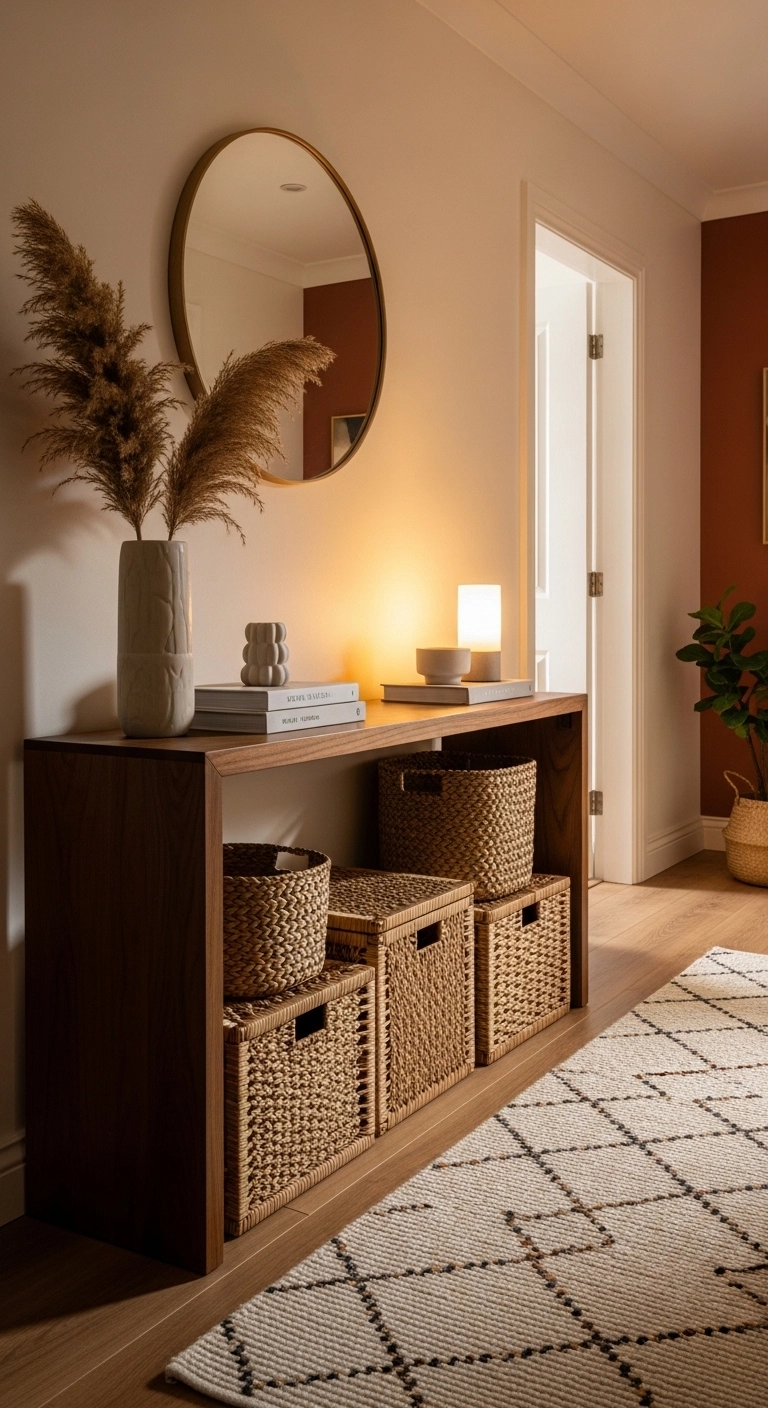
A warm home is not the same as a perfectly empty one. Most people want a house that feels relaxed and lived in, but not cluttered. Baskets help bridge that gap beautifully.
Use them where life tends to spill out: under a console table, beside the sofa, in the bathroom for extra towels, in a child’s room for books or toys, or near the entry for shoes and small accessories. Woven baskets add texture while solving a real storage problem, which is part of why they work so well.
They also keep daily items from turning into visual noise. Good decor often comes down to making practical things easier to live with.
Mix Textures Instead of Adding More Random Decor
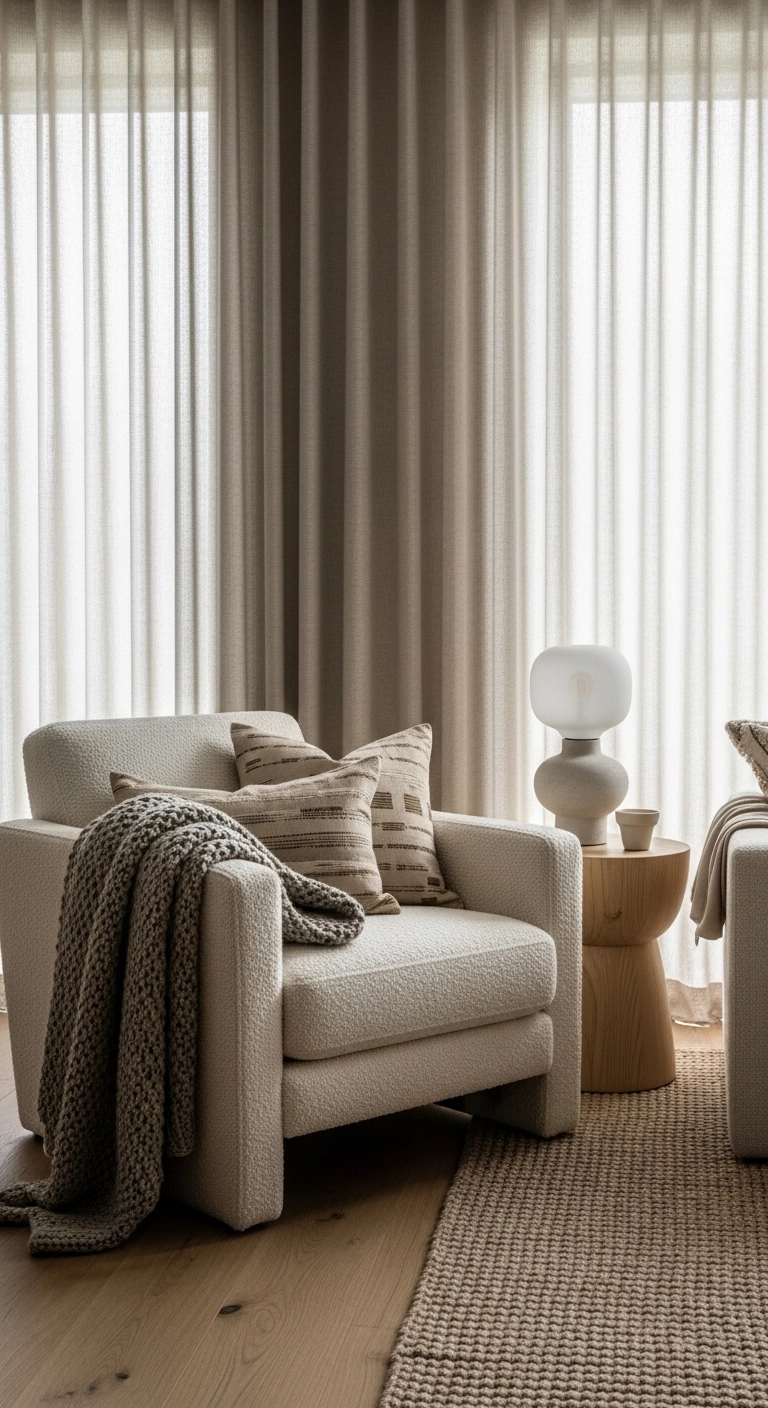
When a room feels flat, the answer is not always more objects. Very often, it needs more contrast in material. Texture is what makes a room feel layered and comfortable instead of one-note.
A space becomes more interesting when smooth surfaces meet softer ones. Think linen curtains near painted walls, a ceramic lamp on a wood table, a chunky knit throw on a tailored sofa, or woven shades paired with crisp bedding. These combinations add depth without demanding attention.
This approach works better than filling a room with small decorative pieces that do not really add anything. Texture gives warmth in a quiet way. It makes the house feel fuller without making it feel crowded.
Use Lamps in Unexpected Places
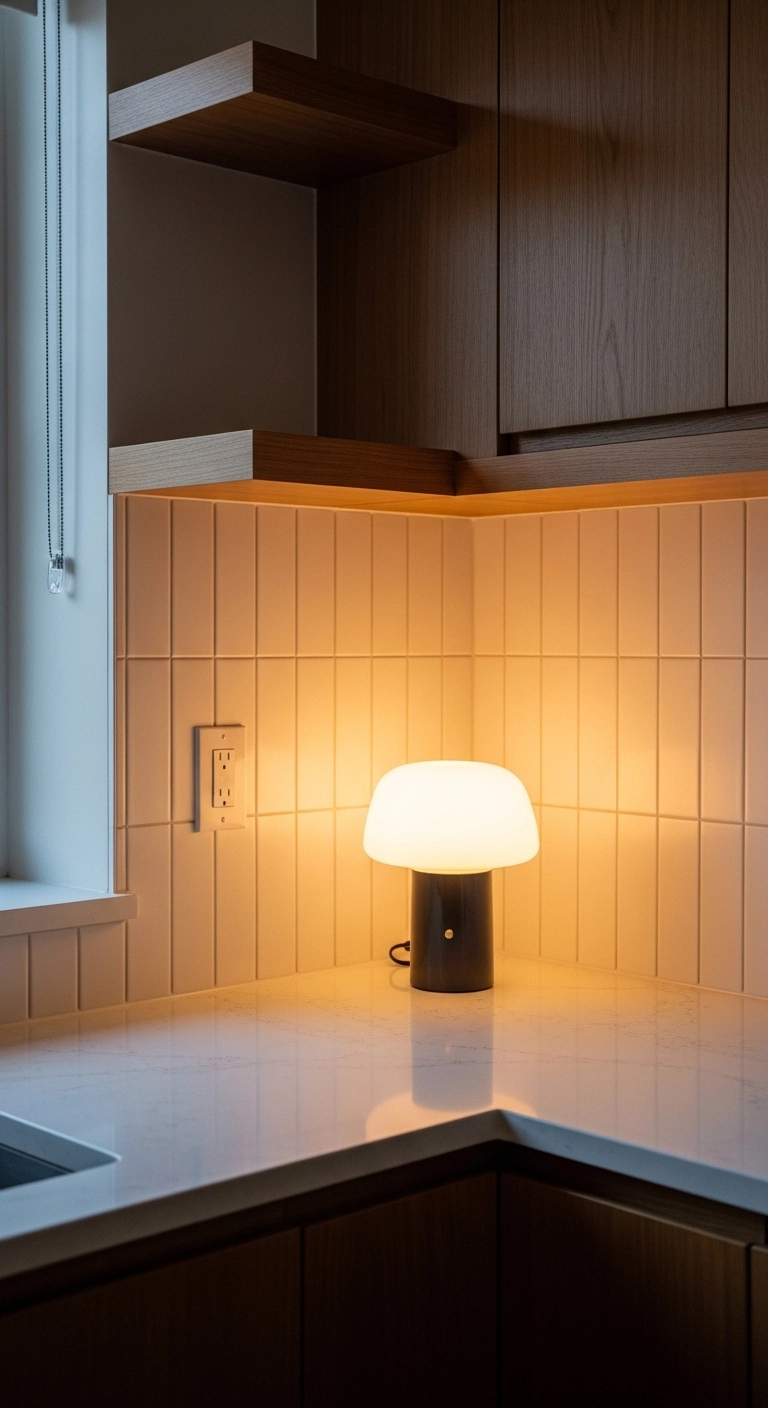
Most people think of lamps for living rooms and bedrooms, but they can improve the mood in other areas too. A small lamp on a kitchen counter, a lamp on a hallway chest, or one on a bathroom vanity can make the house feel softer and more personal.
This is especially helpful in the evening, when overhead lights often feel too sharp. A lamp in an unexpected place creates a gentle pool of light that changes how the room is experienced. It adds comfort, not just brightness.
Lamps also make rooms feel occupied in the best sense. They suggest that the home is used, cared for, and enjoyed rather than just maintained.
Display Art That Feels Personal, Not Just Filler
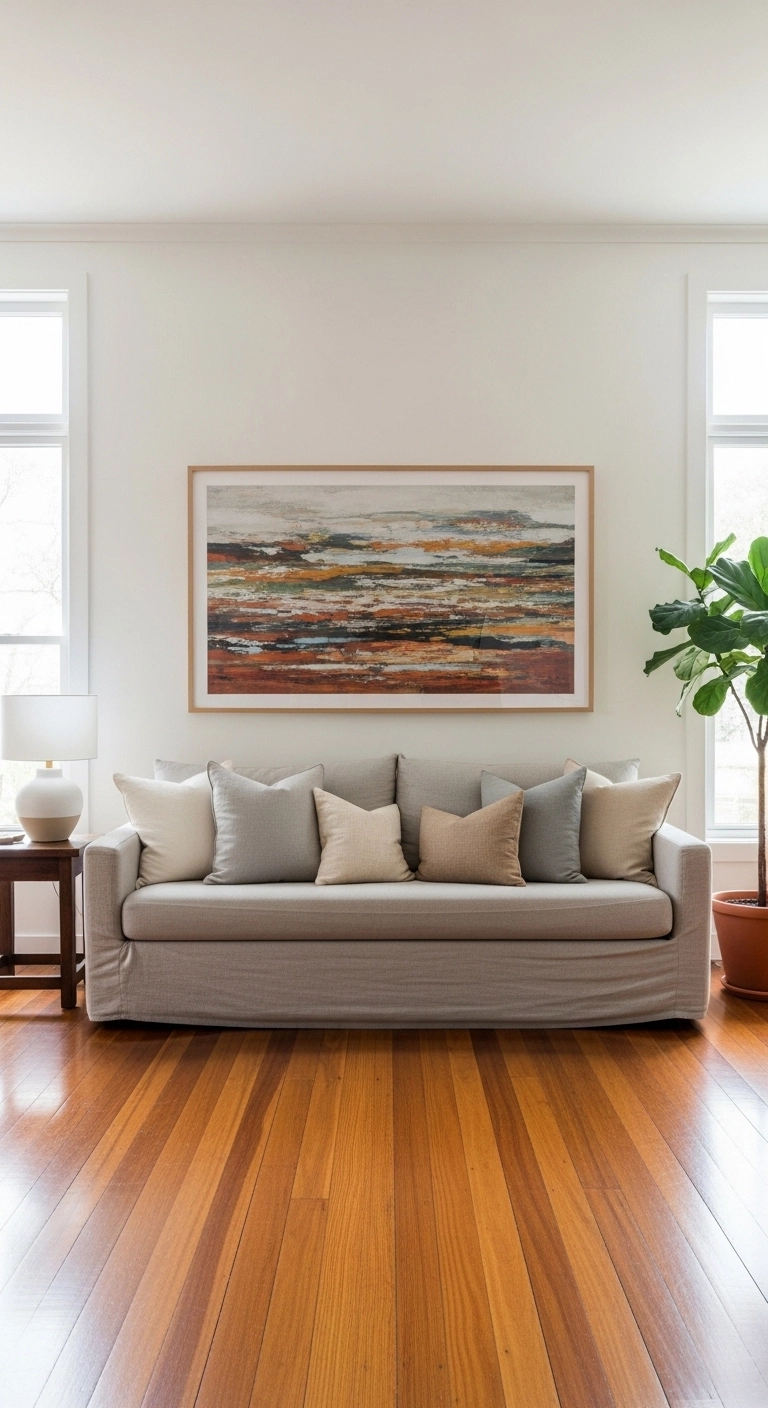
Art has a strong effect on the atmosphere of a home. It does not need to be expensive or dramatic, but it should feel chosen. Walls filled with generic pieces can make a house look decorated without making it feel warm.
The best approach is to use art that supports the tone of the room. Soft landscapes, abstract pieces with calm movement, black and white photography, old family photos, handmade prints, or even framed textiles can all work. What matters is scale, placement, and relevance to the room.
One larger piece often does more than several small ones that are placed without purpose. A home feels warmer when what is on the wall reflects taste, memory, or interest rather than just the need to cover a blank space.
Bring Plants Into the Rooms That Feel Still
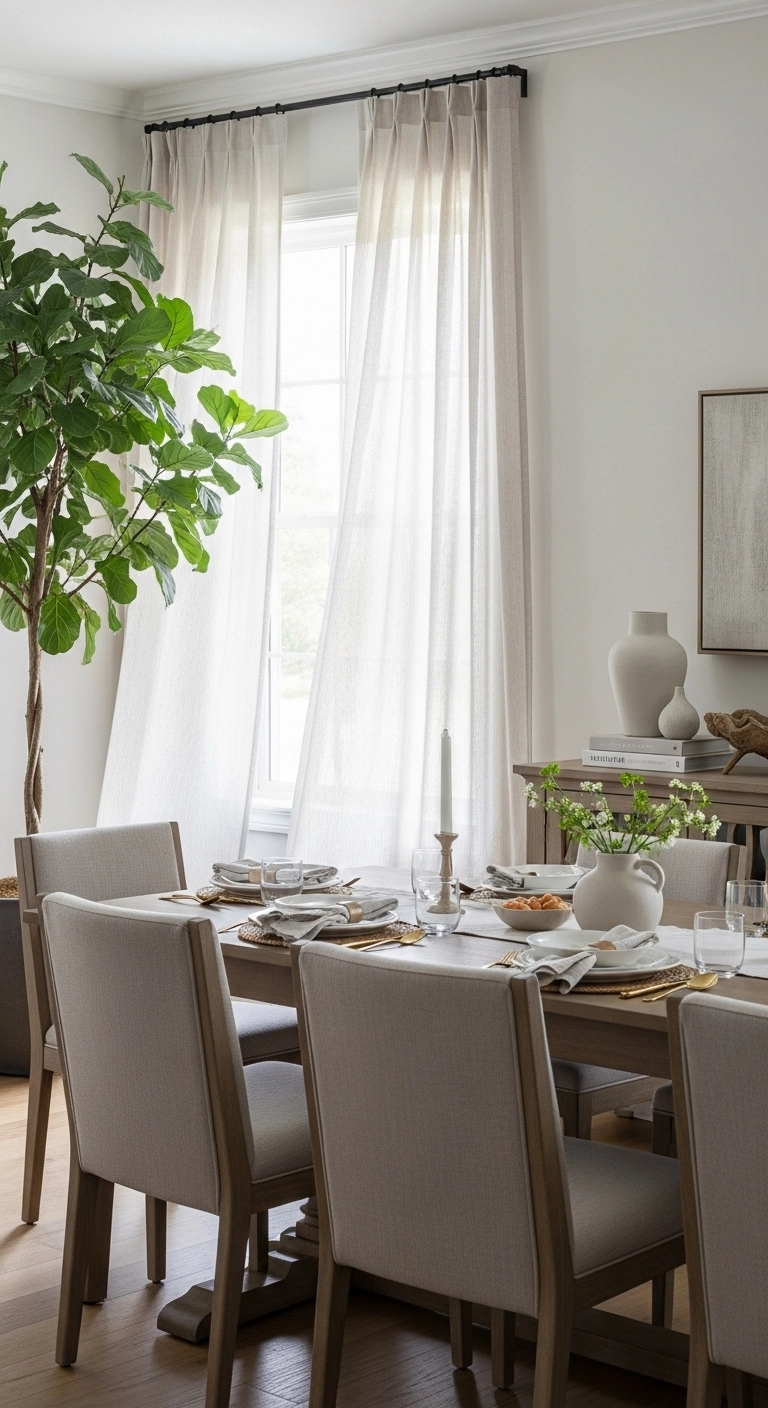
A house without anything living in it can sometimes feel strangely stiff, even when everything is neat and stylish. Plants, branches, and greenery add movement, shape, and a sense of life that furniture cannot provide.
This does not require turning every room into a greenhouse. A tall plant in a dull corner, a vase of fresh stems on the dining table, or a small potted herb in the kitchen can be enough. The goal is not abundance. It is balance.
Plants also help soften corners, fill awkward empty spots, and break up rooms that feel too rigid. If maintaining live plants is not realistic, even a few well-chosen branches or seasonal greenery can help.
Create Small Resting Spots for the Eye
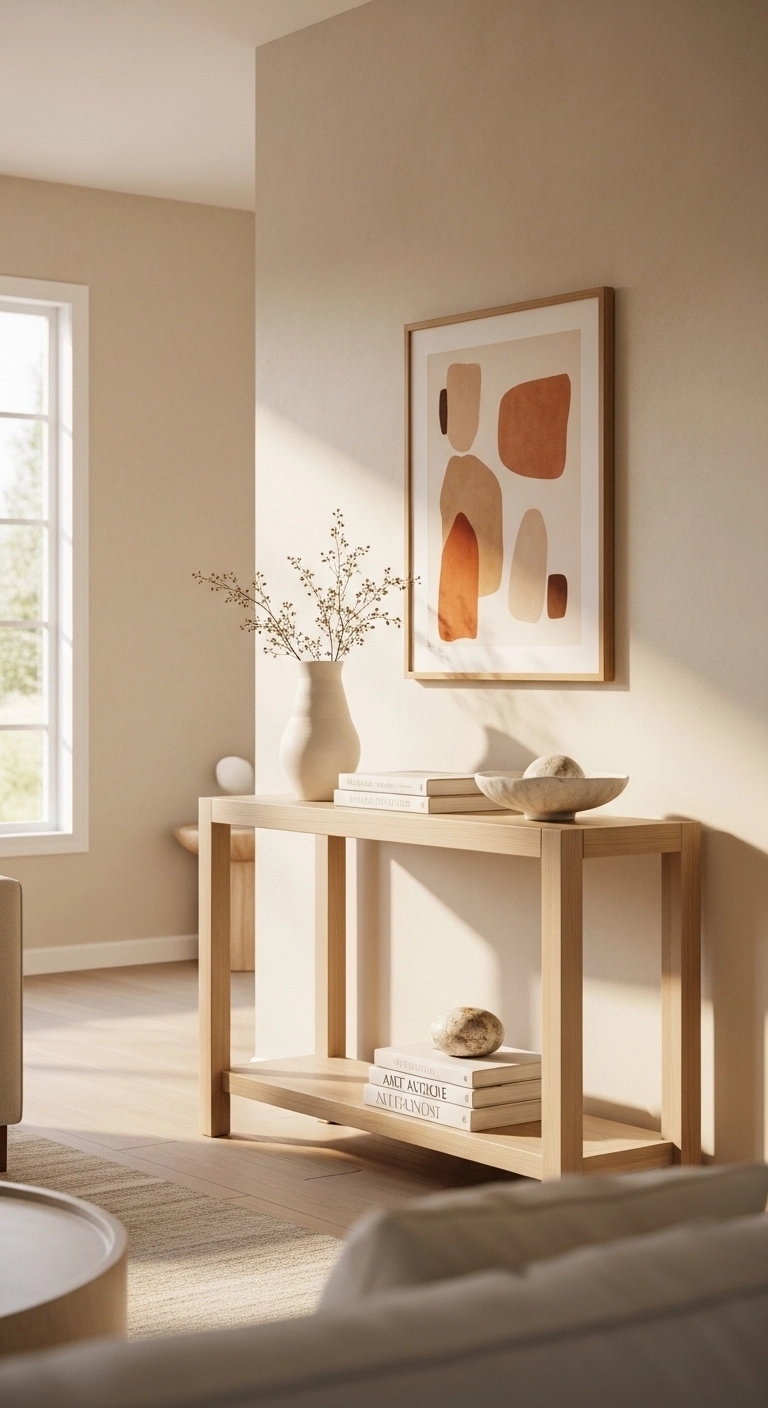
Not every surface needs decoration. In fact, one reason many homes feel unsettled is because every table, shelf, and corner is trying too hard. Warmth comes from balance, and balance includes empty space.
A styled console looks better when one side is left open. A shelf feels calmer when it holds fewer, better items. A coffee table needs some breathing room to remain useful. Rooms become easier to enjoy when the eye has a place to pause.
This idea is less about adding something and more about editing. Removing three unnecessary items can sometimes improve a room more than buying one new one. Warm spaces are rarely cluttered, even when they are full of character.
Use Scent as Part of the Decor Experience
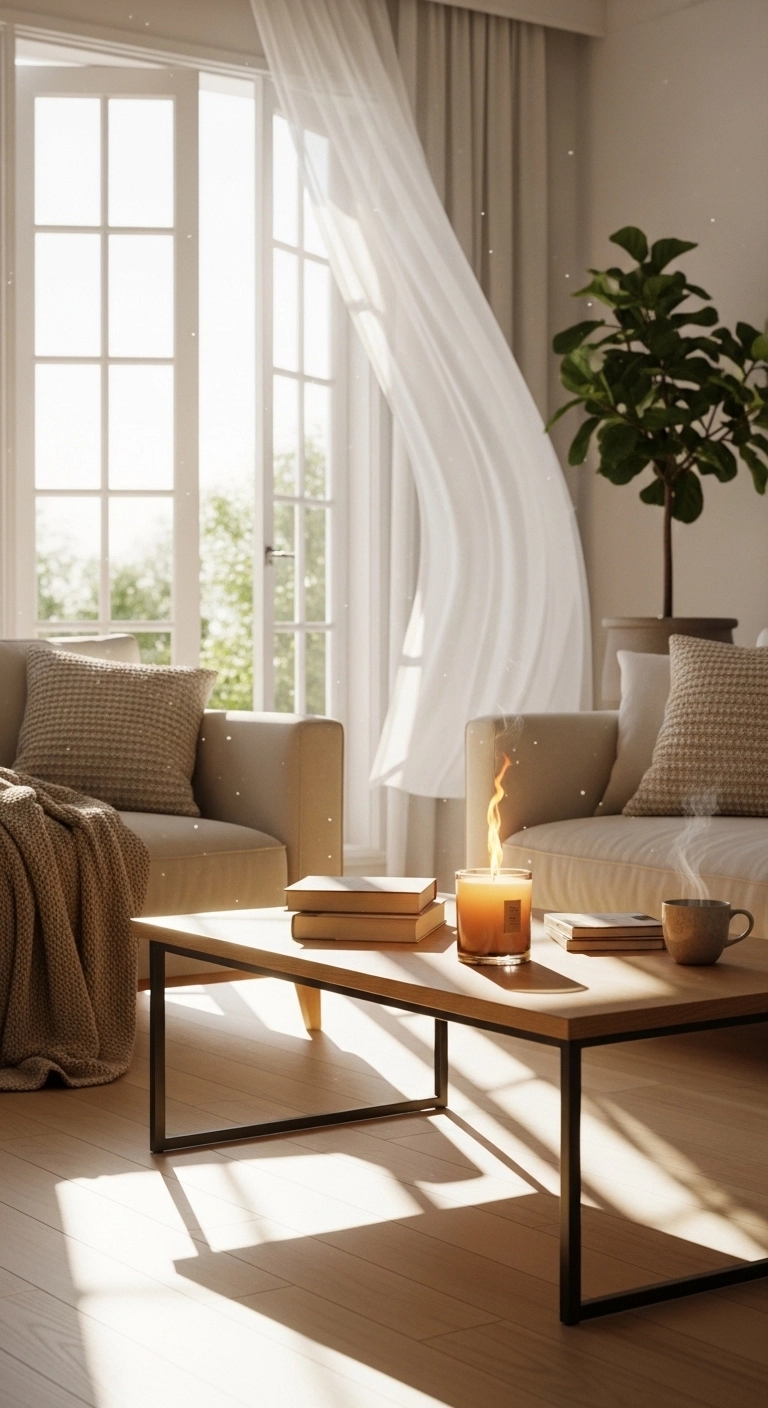
People do not always think of scent as decor, but it plays a big role in how a house feels. A room that looks beautiful but smells stale will never feel truly welcoming.
This does not mean flooding the house with heavy fragrance. Usually, subtle is better. A candle with a clean scent, fresh air from opened windows, a simmer pot in cooler months, cedar blocks in storage areas, or even fresh laundry in the right place can influence how the home is experienced.
Scent works best when it feels natural and quiet. It should support the room, not arrive before you do.
Soften Hard Corners With Rounded Shapes
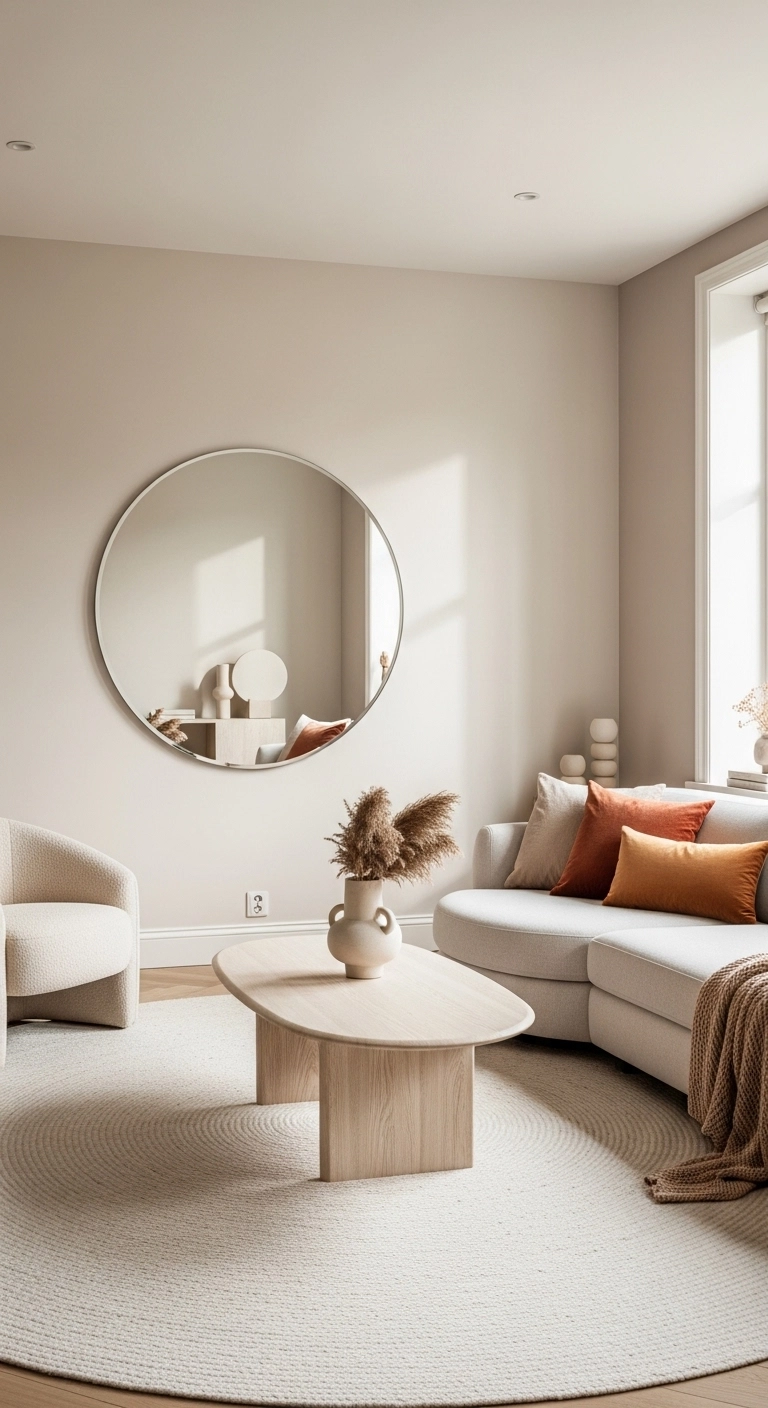
Many homes are full of straight lines without anyone really noticing. Square sofas, rectangular tables, flat-front cabinets, sharp-edged shelving, and boxy layouts can all add up to a house that feels strict.
Rounded shapes help soften that. A round mirror in an entry, a curved lamp base, an oval coffee table, a soft-arched headboard, or even a large bowl on a console table can ease the visual tension. These shapes make a room feel more relaxed without changing the whole design style.
This is particularly useful in modern homes, where the lines are often clean but can sometimes feel a little severe. One or two rounded pieces can make the entire room feel more approachable.
Treat the Dining Table Like a Real Part of the House
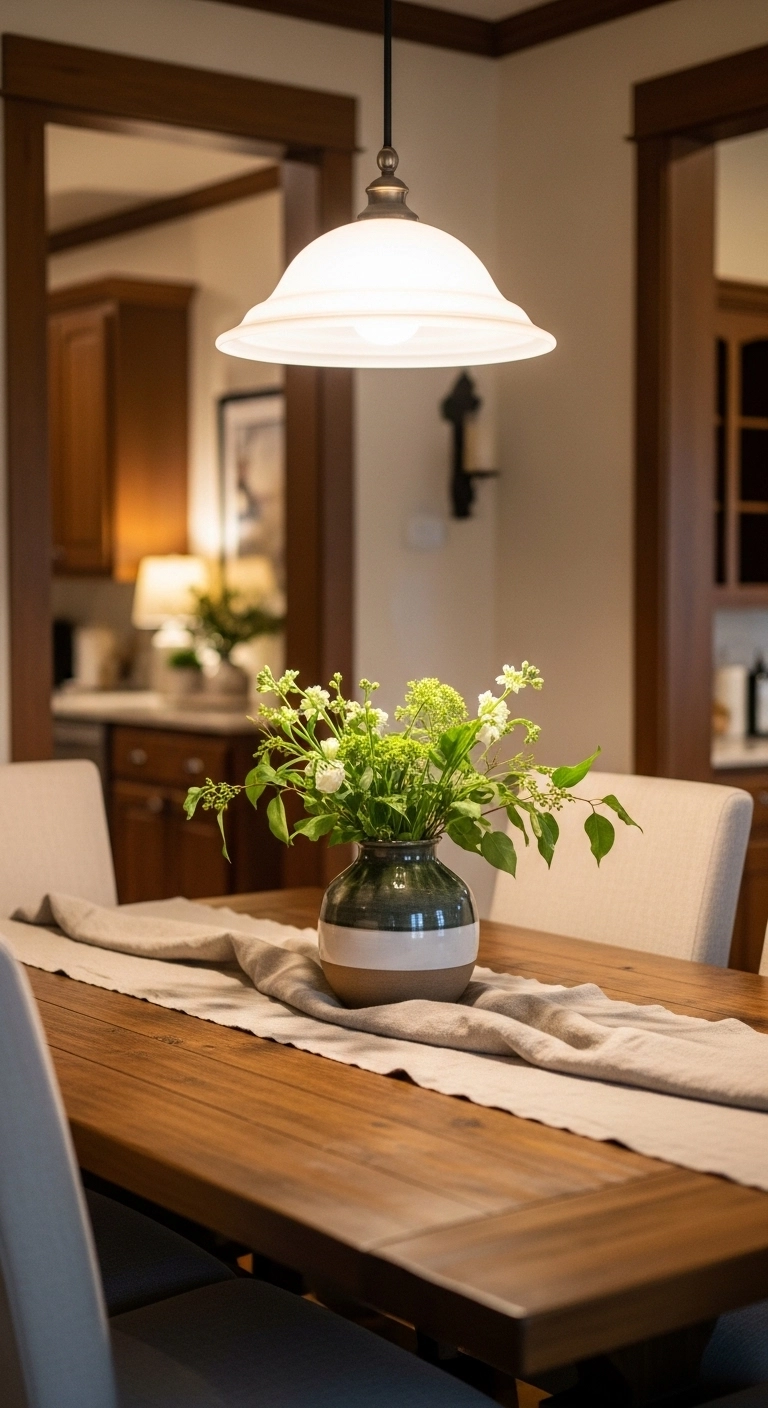
Dining tables often become work surfaces, drop zones, or empty furniture islands. When they are styled lightly and thoughtfully, they help the entire house feel more cared for.
A simple centerpiece is often enough. A bowl of fruit, a ceramic vase, a linen runner, or a few candlesticks can make the table feel present without making it difficult to use. The point is not to create a permanent display that needs to be moved every night. It is to stop the table from feeling forgotten.
Even if the room is small or the table is used every day, a little attention here makes the surrounding space feel more complete.
Make Bedrooms Feel Calm Before You Add More Decor
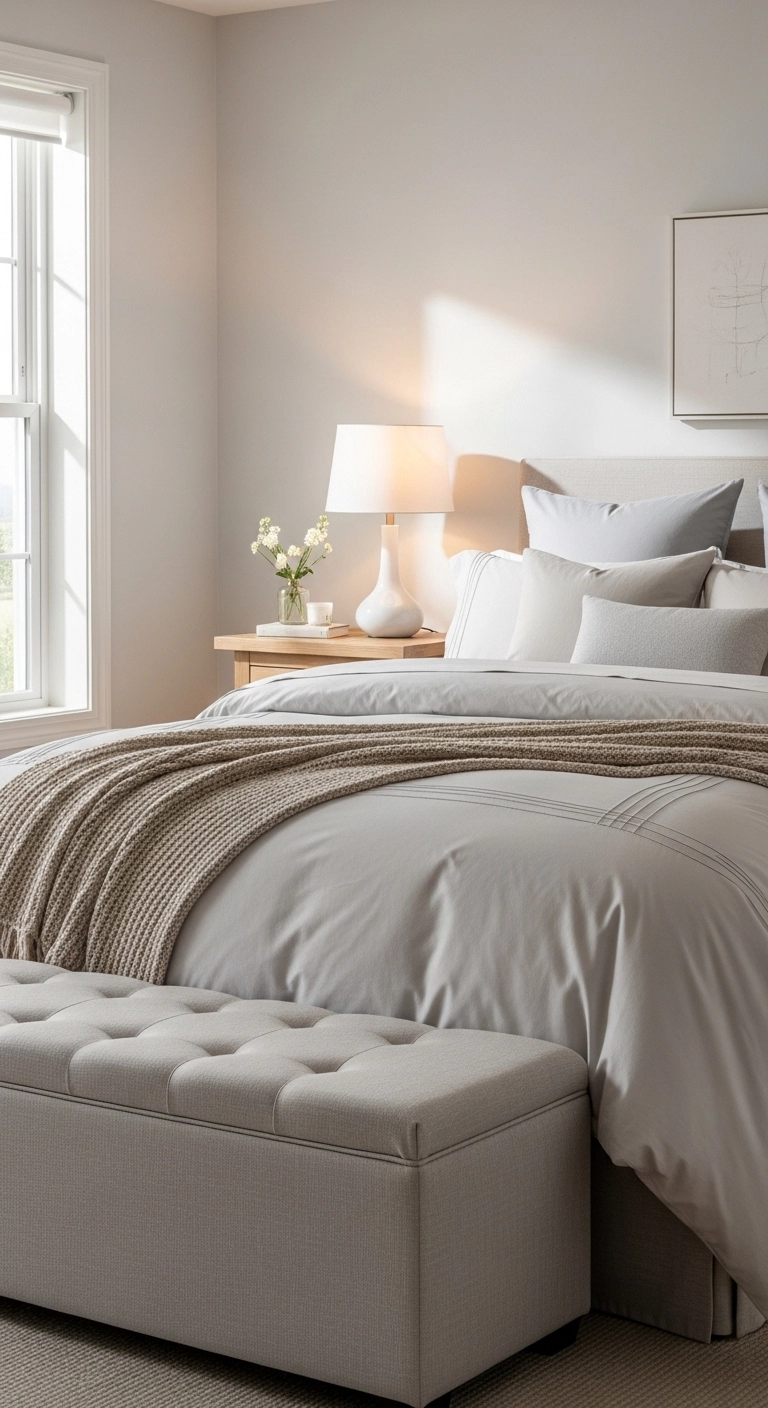
Many people try to warm up a bedroom by adding more accessories, but the better first move is usually to make the room feel quieter. Bedrooms need softness, order, and comfort more than they need decoration.
Start with the bed. A nice bed, a layered quilt or blanket, a bedside lamp, and some structure through pillows or a bench at the foot of the bed go a long way. After that, keep surfaces reasonably clean and only use decor that facilitates relaxation. Bedrooms don’t benefit from too many competing details.
When a bedroom feels calm, the whole house feels better. It gives the home a place to exhale.
Add Personal Objects, but Edit Them Carefully
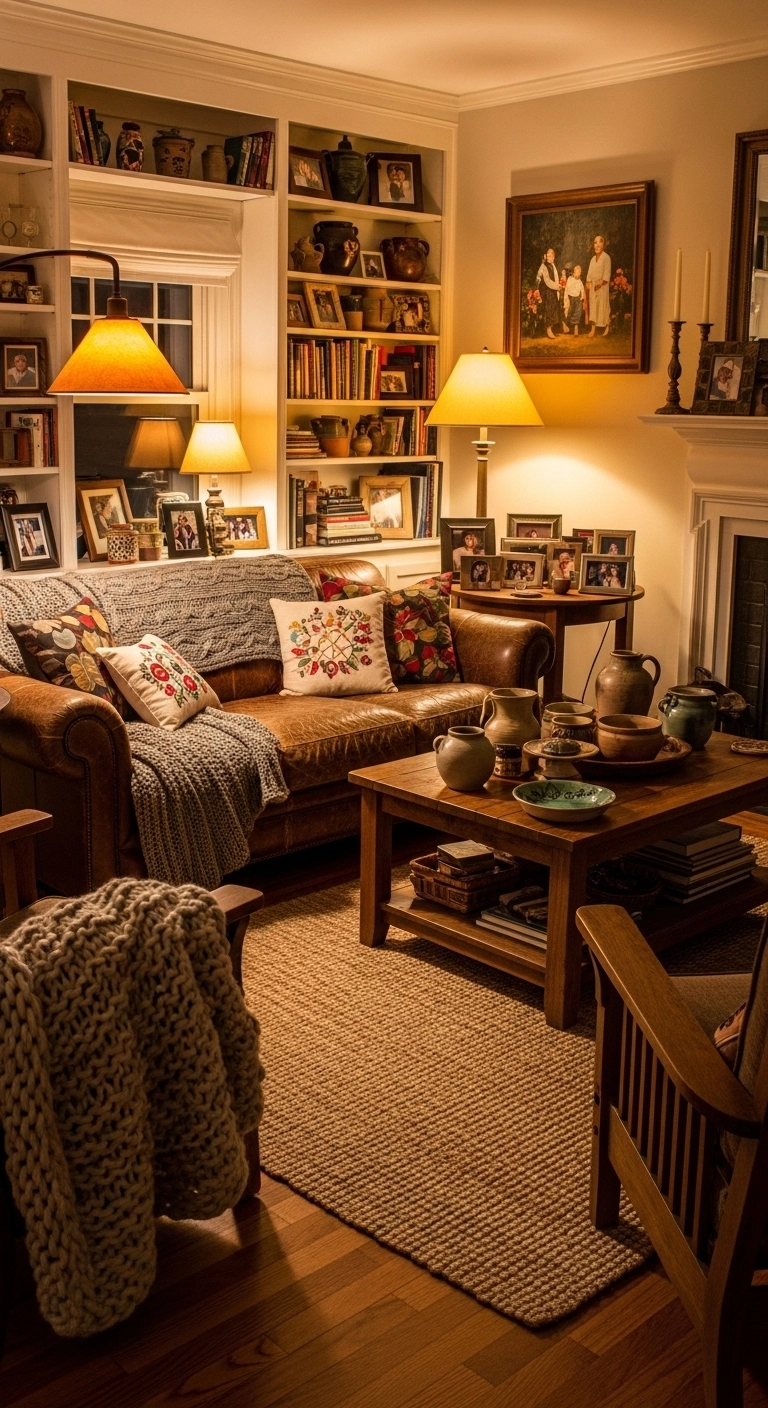
The warmest homes have evidence of the people who live there. Books that are actually read. Framed photos that mean something. Handmade pottery. Travel finds. Old pieces passed down through the family. These details give a house its identity.
But personal should not become overcrowded. A few meaningful objects displayed well will always feel warmer than dozens of items competing for attention. Group things with some intention. Give them room. Let them be seen.
This is often the final layer of good house decor. It is what keeps a home from feeling generic. A warm house should look like someone lives there with care, not like it was copied from a catalog.
How to Make These House Decor Ideas Work Together
The trick is not to use every idea at once. That is usually how a home becomes overdone. The better approach is to notice what your rooms are missing.
If the house feels cold, start with lighting and texture. If it feels bare, look at rugs, curtains, and art. If it feels cluttered, add baskets and remove unnecessary surface decor. If it feels nice but slightly impersonal, bring in more wood, greenery, and a few meaningful objects.
Warmth is usually created through layers, not grand gestures. The home starts to feel better when the lighting softens, the materials feel more natural, and each room gets a little more thought behind it.
FAQs About House Decor
How can I make my house feel warmer without buying all new furniture?
Start with the easiest layers: lamps, rugs, curtains, throw blankets, baskets, and a few natural materials such as wood or woven pieces. These changes shift the mood of a home without requiring a full replacement of large furniture.
What colors help a house feel warm?
Soft whites, cream, taupe, warm gray, muted green, clay, tan, deep blue, and natural wood tones often help. The exact color matters less than the balance. A room feels warmer when the colors work gently together instead of fighting for attention.
What is the most important room to decorate first?
Usually the living room or the entryway. The living room influences the daily comfort, and the entryway creates the first impression of the entire home. Starting with either one can quickly improve the overall feel of the home.
How do I decorate a house so it feels cozy but not cluttered?
Focus on useful decor. Choose pieces that add comfort, storage, light, or texture instead of filling surfaces just to fill them. Leave some open space in each room so the house feels calm rather than crowded.
Do matching decor sets make a house look better?
Not necessarily. Homes usually feel warmer when they look collected over time rather than bought all at once. Pieces can relate through color, material, or mood without matching exactly.
How do I make every room feel connected?
Repeat a few elements throughout the house. That could be similar wood tones, a consistent style of lighting, related colors, or recurring textures like linen, ceramic, or woven materials. Small connections between rooms make the whole home feel more settled.
Final Thoughts
Good home decor is less about impressing people and more about making everyday life feel a little better. A warm home supports the way people live. It includes soft lighting in the evening, useful storage where needed, comfortable textures, and details that feel personal without being cluttered.
You do not need to redo everything at once. Start with the room that feels the least inviting, make one or two thoughtful changes, and let the house grow from there. Warm homes are usually built that way anyway—one practical, well-chosen layer at a time.

Muskan Saleem
BukayHome shares practical home decorating ideas, room inspiration, and simple styling tips to help readers create a home they truly love.