14 Kids Room Renovation Ideas for a Fun Creative Space
14 Kids Room Renovation Ideas for a Fun Creative Space
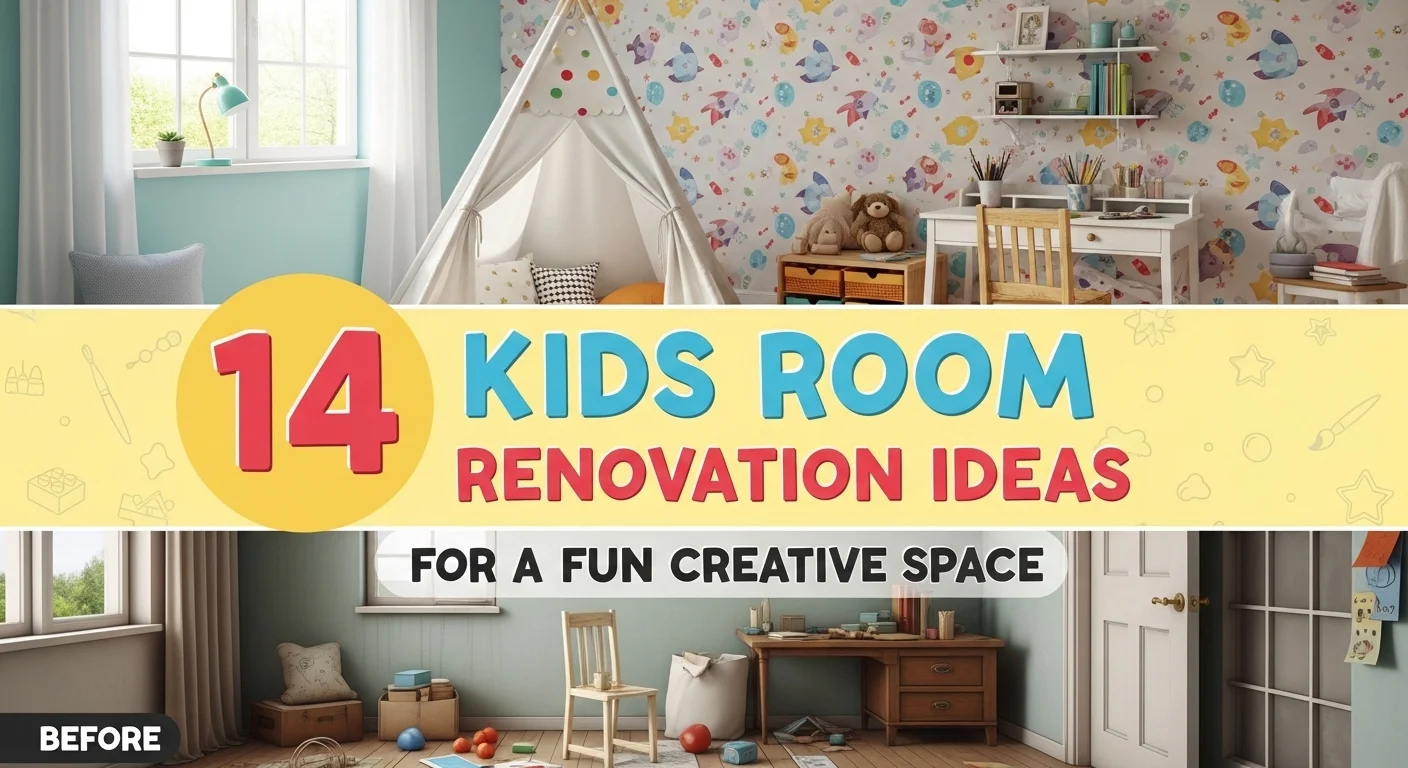
Kids room renovation ideas fun creative space should always start with one clear goal: the room must work for real life. A child’s room is not only for sleep. It is also where toys land, books pile up, school work happens, clothes get changed, and big feelings show up after a long day. A good kids room must handle all of that without feeling messy or hard to use.
After working with family spaces for many years, I have learned one thing parents often miss. A pretty room is not always a useful room. The best kids rooms are simple, safe, easy to clean, and easy for the child to understand. When a room has clear zones, smart storage, soft lighting, and space to move, the child uses it better.
Before any renovation, safety should come first. Heavy furniture, dressers, bookcases, and TVs should be secured because the CPSC warns that furniture and TV tip-overs can seriously injure children. If your home was built before 1978, be careful before sanding or scraping old paint, because the EPA says renovation work that disturbs paint in older homes may need lead-safe certified work practices.
Build the Room Around Clear Activity Zones
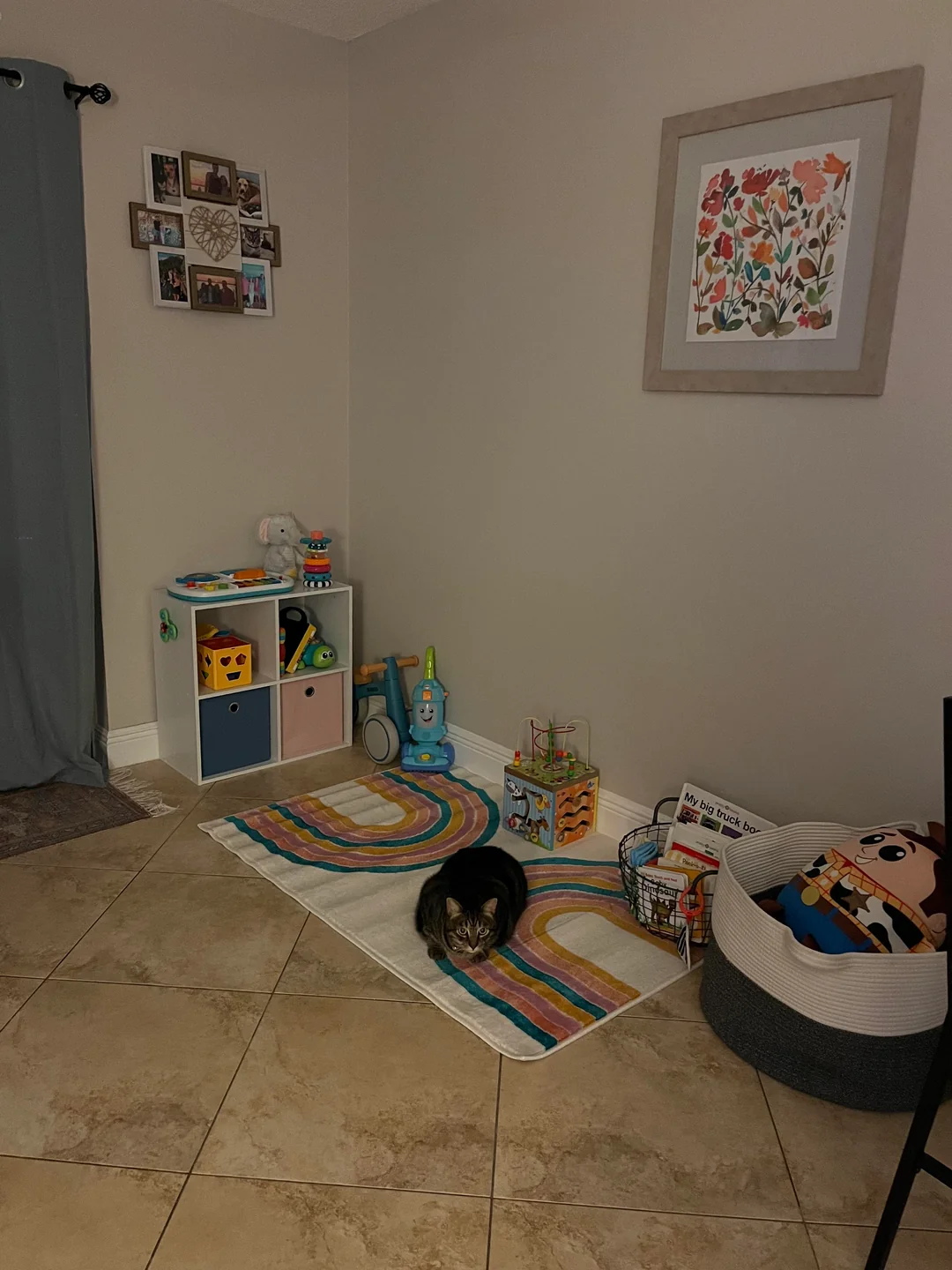
A kids room works better when each part has a job. The bed should feel calm. The play space should feel open. The desk should feel focused. The closet should be easy to reach. This simple plan helps children understand where things belong.
Start by watching how your child uses the room now. Notice where toys pile up, where clothes fall, and where your child likes to sit. This tells you more than any trend. If your child plays on the floor, keep the center open. If your child loves books, put the reading space near soft light. If homework is hard, move the desk away from the toy shelf.
Use rugs, wall color, furniture, and shelves to mark each zone. You do not need walls or dividers. A small rug can show the play area. A lamp can mark the reading spot. A low shelf can divide toys from sleep space. When zones are clear, the room feels less crowded, even if it is small.
Choose a Bed That Saves Space and Feels Safe
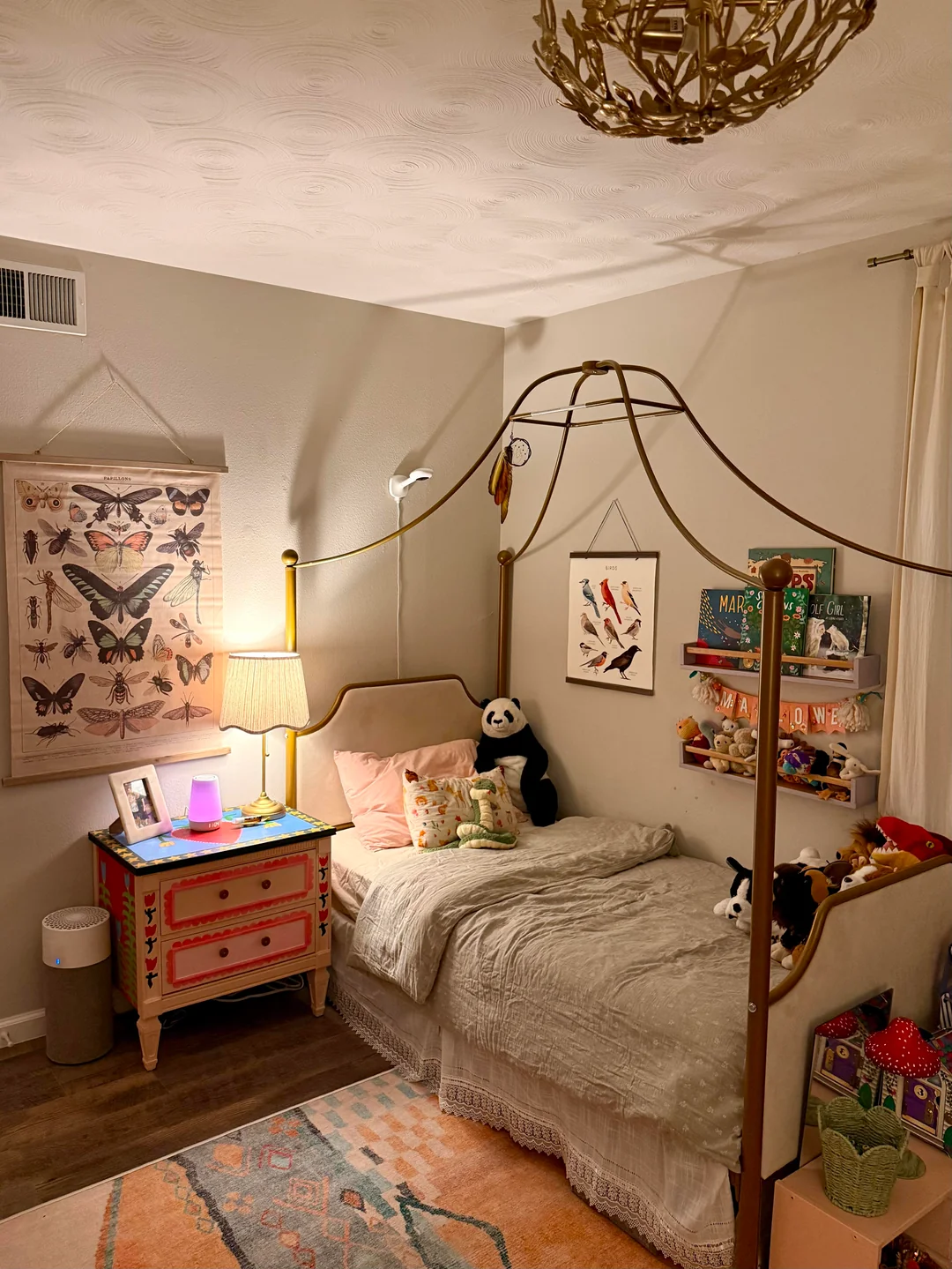
The bed is the largest piece in most kids rooms, so it should do more than hold a mattress. A storage bed with drawers can hold blankets, toys, or out-of-season clothes. A daybed can work well in a narrow room. A low platform bed can make a young child feel safer and make the room look more open.
For shared rooms, bunk beds can help save floor space, but they must be chosen with care. The CPSC says bunk beds have safety rules, including guardrails for upper bunks, because the rules help reduce risks like falls and entrapment. Always check the ladder, mattress height, ceiling fan space, and the child’s age before using the top bunk.
If the room is for one child, a loft bed can create space under the bed for a desk, play mat, or reading corner. But do not force a tall bed into a low room. A child should be able to sit up without hitting the ceiling. The safest bed is the one that fits the child, the room, and the daily routine.
Add Storage That Children Can Actually Use
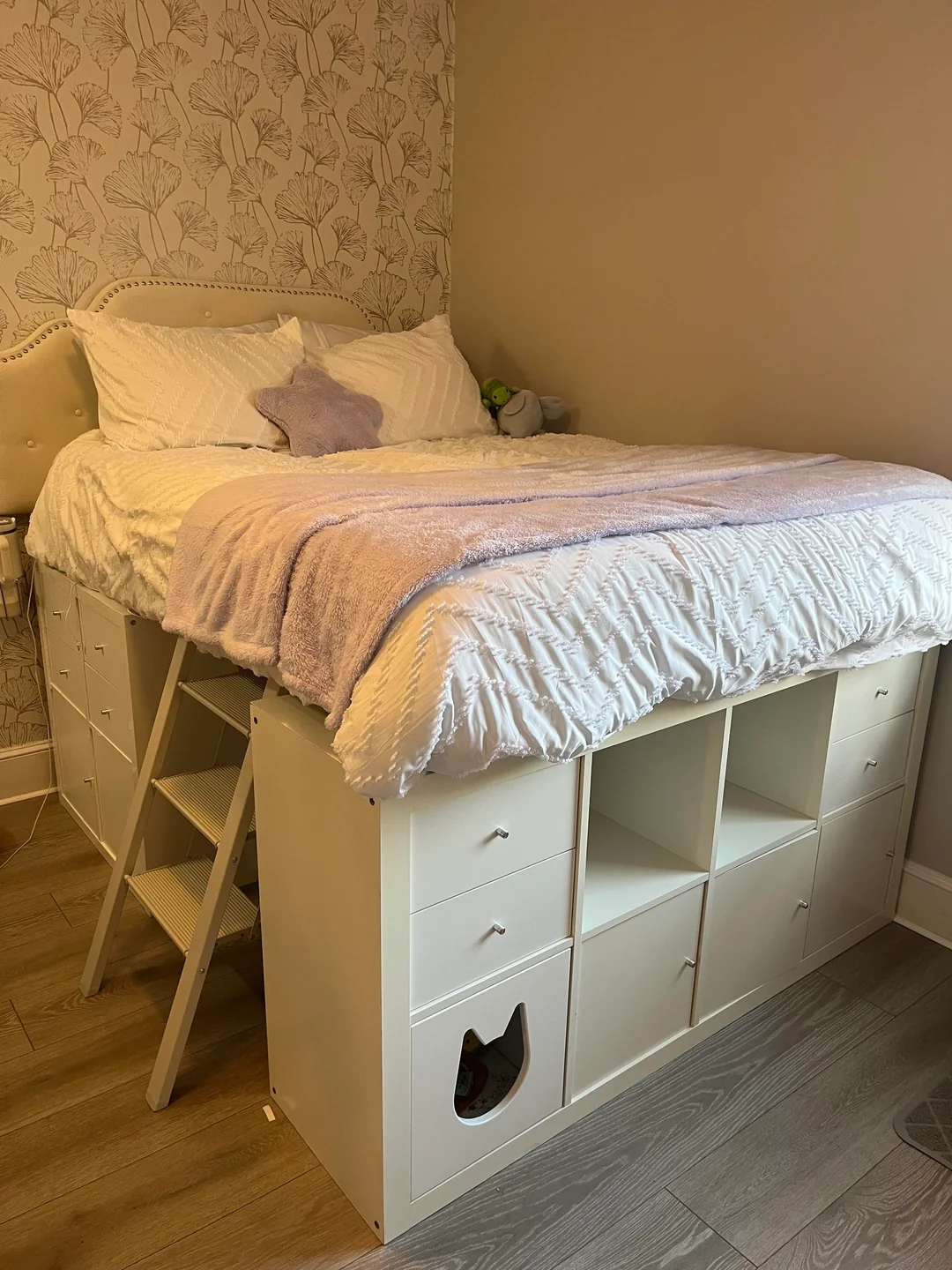
Storage fails when children cannot reach it. High shelves may look neat, but they do not help a child clean up alone. The best storage sits low, opens easily, and has a clear purpose. Use bins, drawers, cubbies, and baskets that fit the child’s height.
Group items by use. Blocks can go in one bin. Art supplies can go in one drawer. Stuffed toys can go in a soft basket. Books can face forward on a low shelf. This helps children clean without asking where everything goes.
Closed storage keeps the room calm, while open storage helps children see what they own. A mix of both works best. Use closed bins for messy items and open shelves for books or favorite toys. Keep labels simple. Picture labels work well for younger kids. Word labels work well for older children.
Use Wall Space Without Making the Room Feel Busy
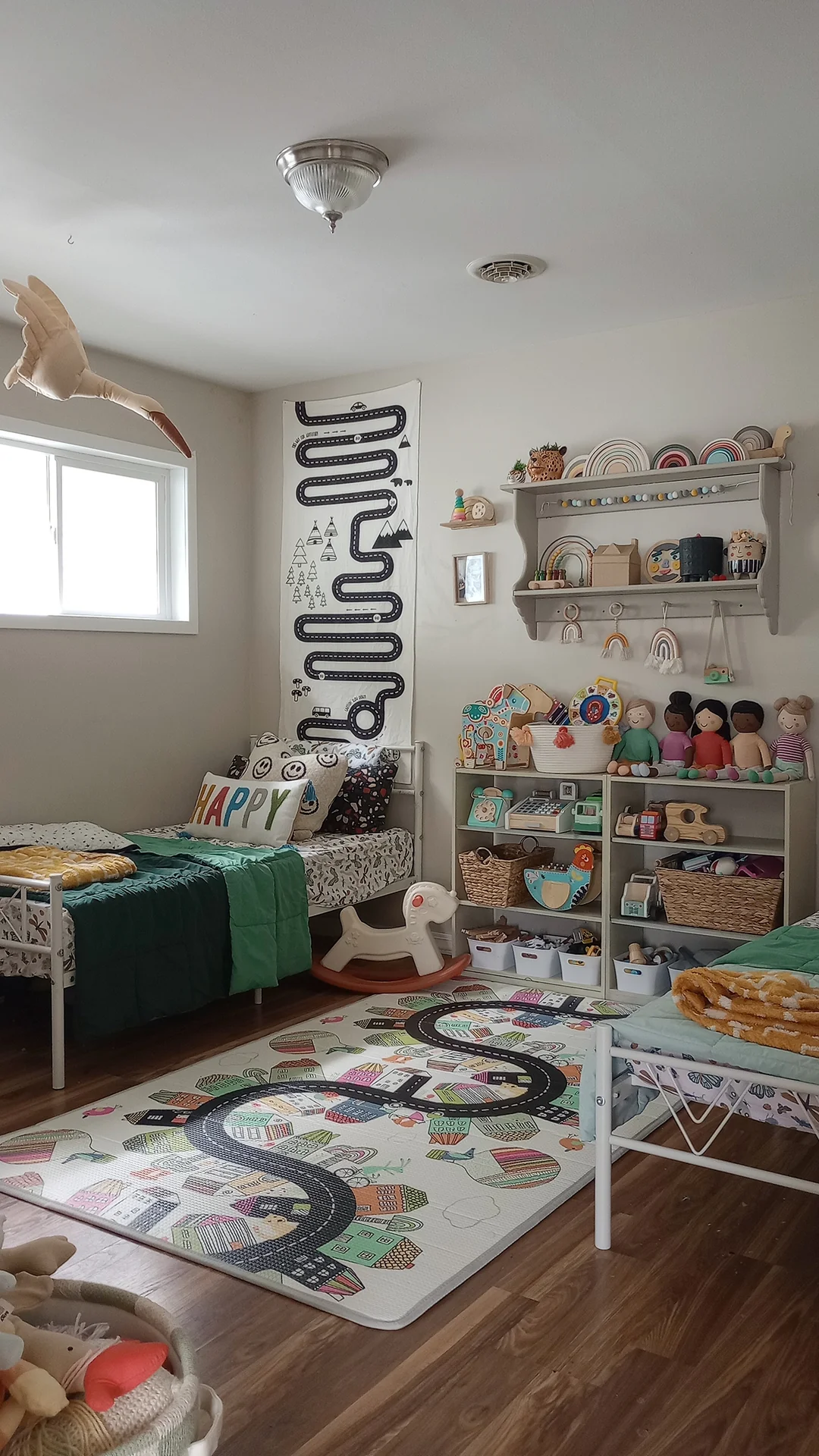
Walls can hold a lot, but they should not feel packed. A few strong wall choices are better than many small ones. Floating shelves, peg rails, wall pockets, and slim book ledges can free up the floor and make the room easier to clean.
A peg rail near the door can hold bags, hats, robes, or dress-up clothes. A book ledge near the bed can hold bedtime stories. A wall pocket above a desk can hold paper and school notes. These small changes make daily life smoother.
Keep the wall design simple. One feature wall is enough. It could be a soft paint color, a mural, a wallpaper panel, or a set of shelves. Children need space for their eyes to rest. If every wall is full, the room can feel loud even when it is clean.
Create a Reading Nook That Feels Like a Small Hideaway
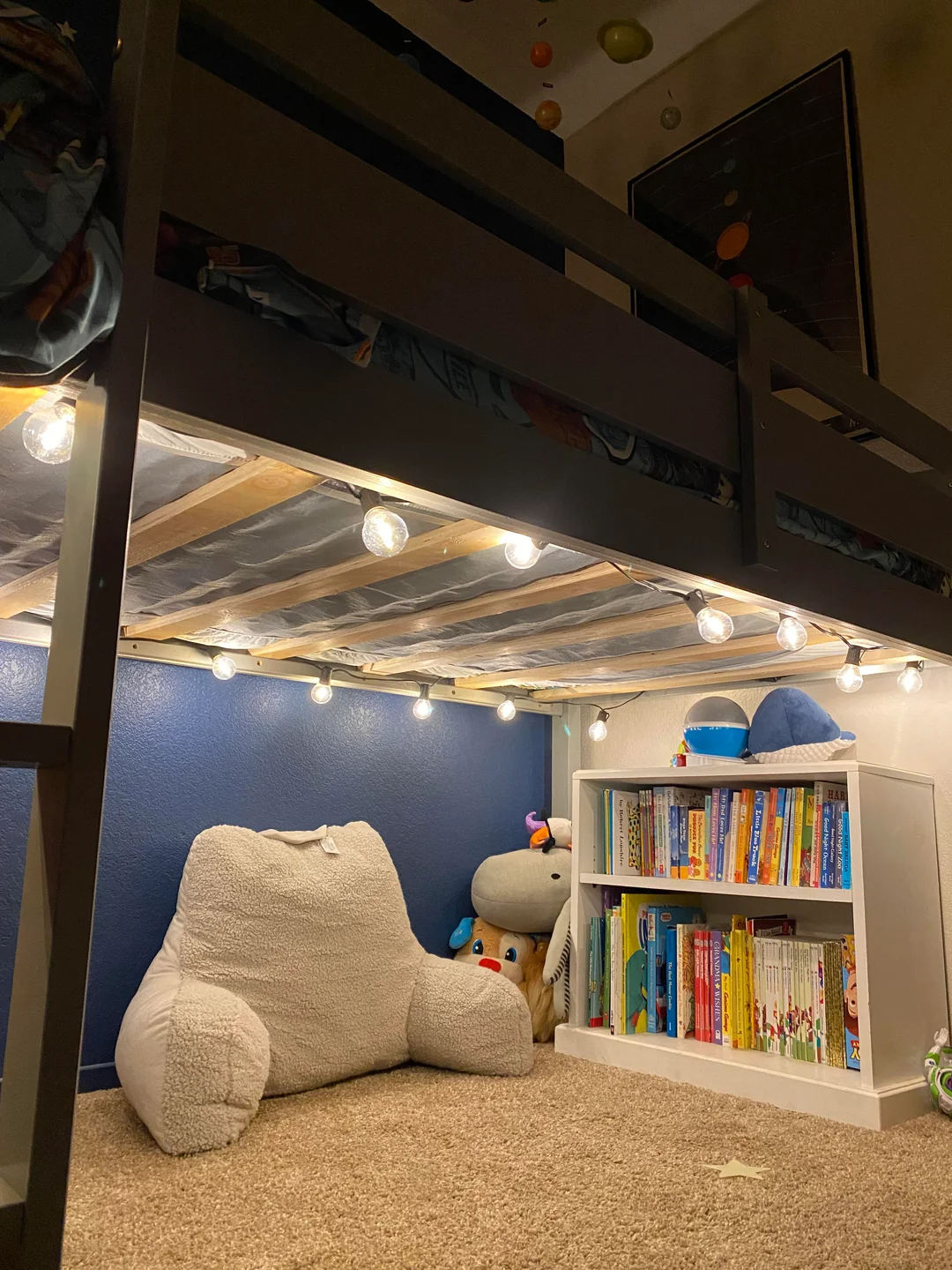
A reading nook does not need much space. A corner, floor cushion, low shelf, and small lamp can be enough. The goal is to make books feel easy to reach and nice to enjoy.
Place the nook away from busy toy storage if possible. This helps the child slow down. Add a soft rug or cushion so the space feels different from the rest of the room. Keep books at the child’s eye level. Rotate them often so the shelf does not feel stale.
A small canopy, curtain, or tent can make the nook feel special, but keep it easy to clean and safe. Avoid heavy fabric near lamps. Use soft light, not harsh light. A good reading corner becomes a quiet place for books, rest, and calm time.
Design a Desk Area That Supports Focus
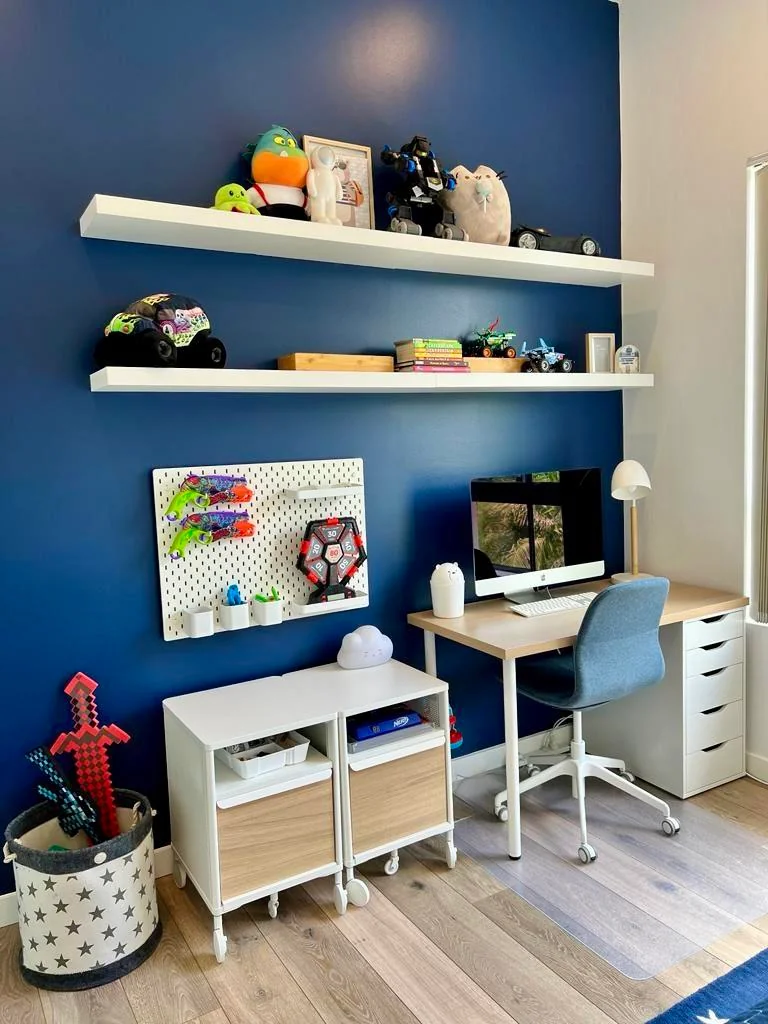
A child’s desk should not feel like a grown-up office. It should feel clear, comfortable, and easy to use. The desk needs good light, a chair that fits, and a place for school supplies.
Place the desk near natural light if glare is not a problem. If the room is small, use a wall-mounted desk or narrow table. Keep only the needed items on top. Too many pencils, toys, and papers can make focus harder.
Add a small drawer or rolling cart for supplies. Keep cords tucked away if the child uses a tablet or laptop. A pinboard or whiteboard can help with reminders, but do not cover it with too much. The desk should tell the child, “This is where I can think.”
Pick Paint Colors That Can Grow With the Child
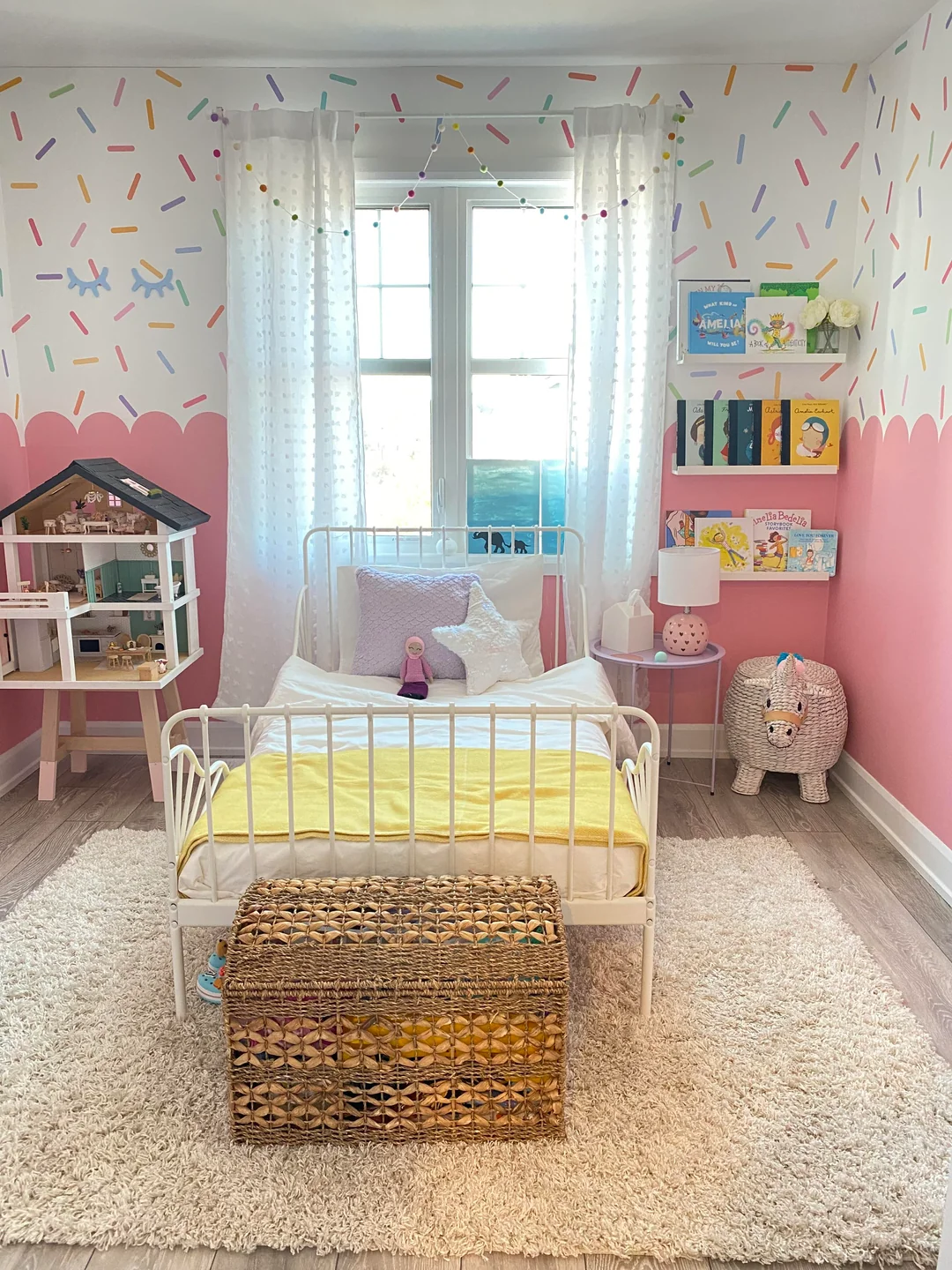
Color changes the whole room, but it does not need to be wild to feel fun. A soft base color can last for years. You can add fun through bedding, rugs, art, curtains, and pillows. This saves money because those items are easier to replace than paint or built-in furniture.
For young children, soft blue, green, cream, warm white, pale yellow, or gentle pink can make the room feel calm. For older kids, muted colors can feel more grown up. If your child wants a strong color, use it on one wall or in small details.
Avoid making the room too theme-heavy with paint alone. A full cartoon wall may feel fun now but may not fit next year. A better choice is a simple wall color with changeable decor. This lets the room grow as the child grows.
Make the Floor Soft, Strong, and Easy to Clean
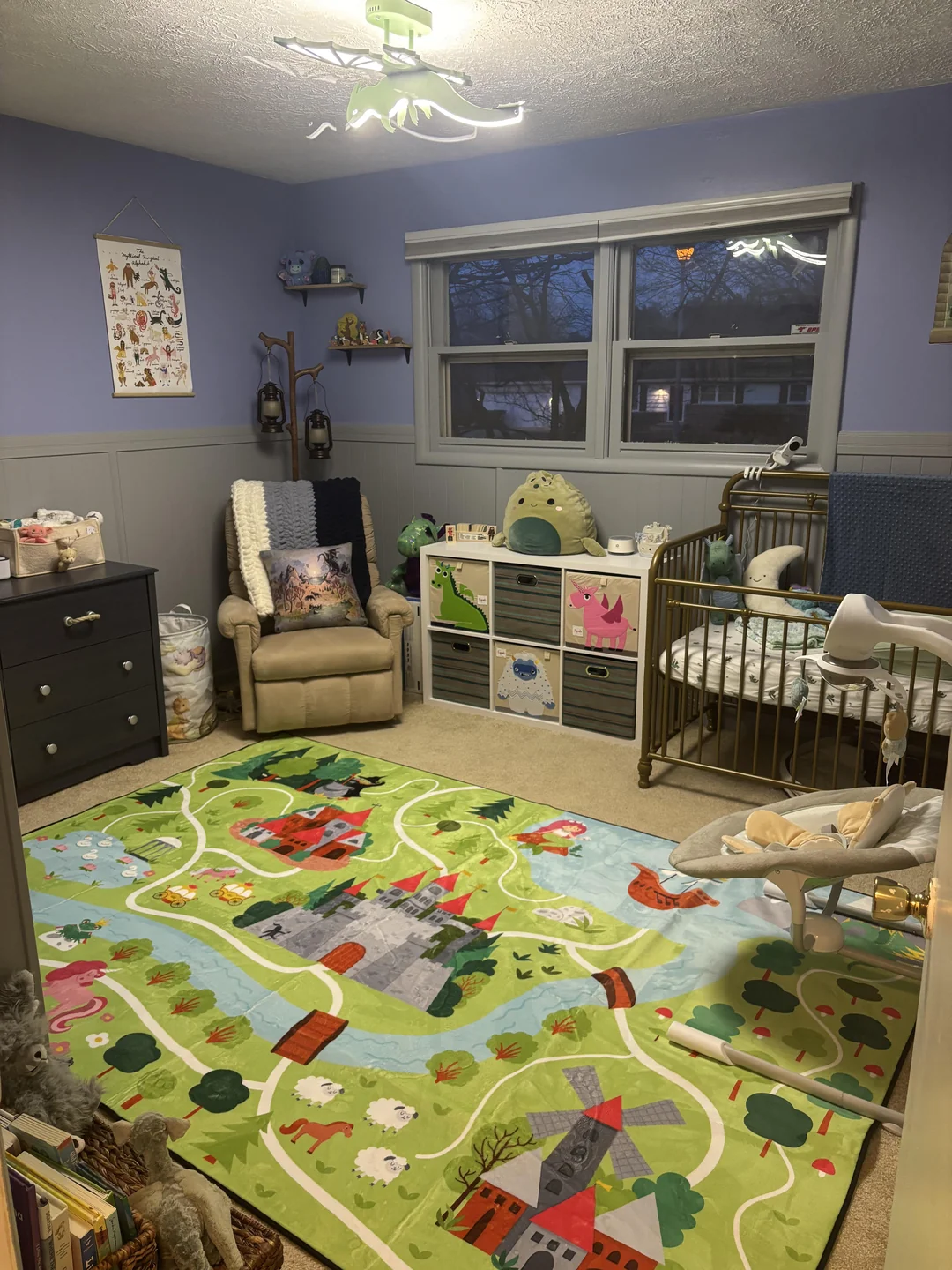
The floor matters because children spend a lot of time on it. They build, read, draw, roll, and play there. A good kids room floor should feel soft underfoot and be easy to clean after spills.
If you have hard flooring, add a washable rug or soft play mat. Choose a rug that does not slide. A rug pad can help keep it in place. Low-pile rugs are easier to clean than thick shag rugs. They also make it easier to move small chairs, toy bins, and rolling carts.
Use the rug to define the play zone. This keeps toys from spreading everywhere. A rug also softens sound, which helps in shared homes or upstairs bedrooms. Pick a pattern that hides small marks but does not make the room feel too busy.
Add Lighting for Sleep, Play, and Study
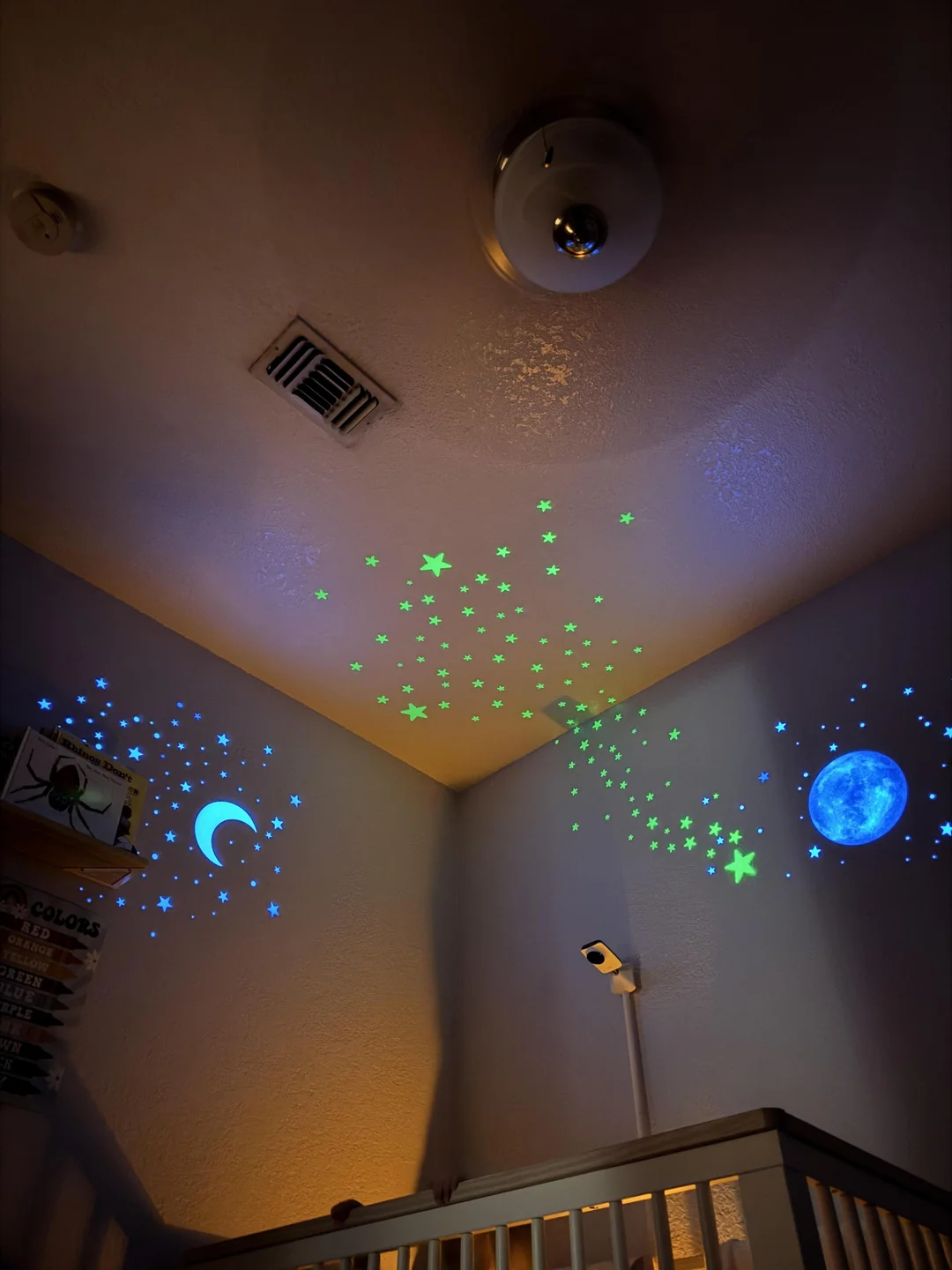
One ceiling light is not enough for a kids room. Children need different light for different parts of the day. Bright light helps during cleanup and play. A desk lamp helps with homework. A soft lamp or night light helps at bedtime.
Layered lighting makes the room easier to use. Add a main ceiling light, a reading lamp, and a soft bedtime light. Use warm light near the bed so the room feels calm at night. Use brighter light near the desk so the child can see clearly.
Avoid placing cords where a child may trip. Use cord covers or place lamps close to outlets. If the child is afraid of the dark, choose a low night light that is not too bright. Sleep space should feel calm, not like daytime.
Create an Art and Craft Corner That Is Easy to Clean
A creative room needs a place for mess. If there is no set place for art, paint, paper, glue, and crayons can spread across the whole room. A small craft corner solves this problem.
Use a washable table, a simple chair, and storage close by. Keep daily supplies within reach and messy supplies higher up if the child needs help using them. Add a wipeable mat under the table. This makes cleanup faster and protects the floor.
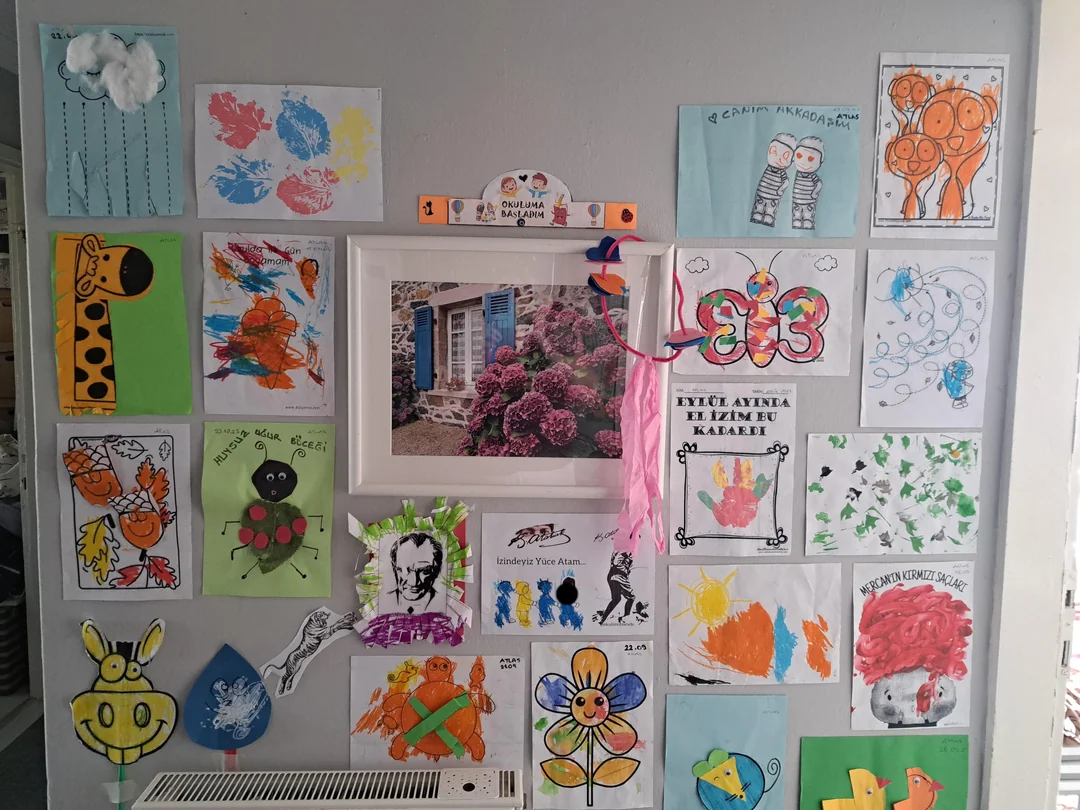
Display your child’s art in one clear place. A wire with clips, a cork board, or a simple frame wall works well. Change the art often. This makes the child feel proud without covering every surface. The room stays personal but still neat.
Turn the Closet Into a Simple Daily System
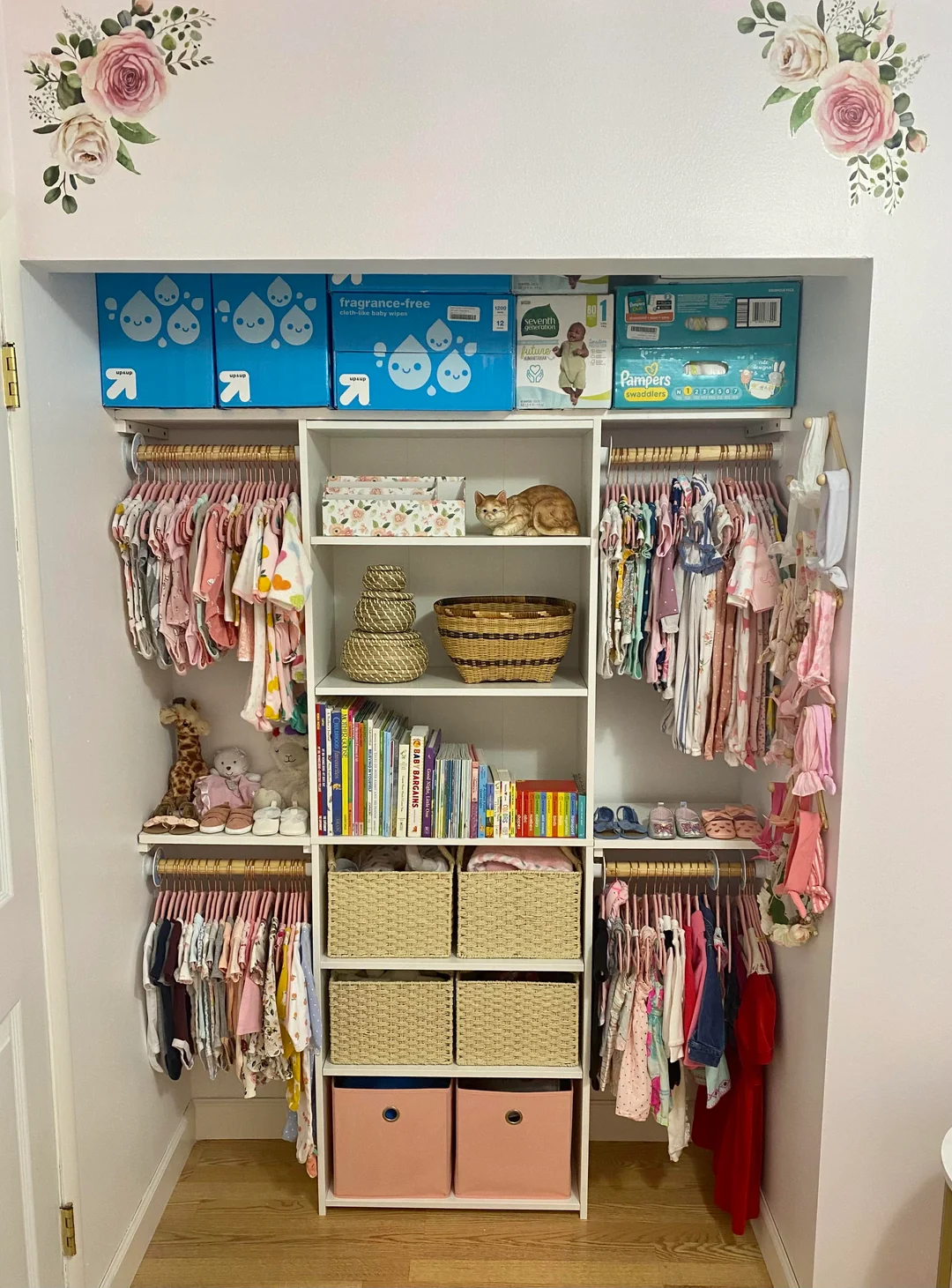
A kids closet should not be designed only for adults. If the rod is too high and the drawers are too hard to open, the child cannot help. A better closet has low hanging space, easy bins, and simple zones.
Keep school clothes together. Keep play clothes together. Keep shoes in one place. Add a small hamper where the child can reach it. This one change can stop clothes from landing on the floor.
If the closet is small, use double rods, shelf dividers, and door hooks. If the closet is deep, use pull-out bins so items do not get lost in the back. The goal is not a perfect closet. The goal is a closet your child can use every day.
Add Personal Touches Without Creating Clutter
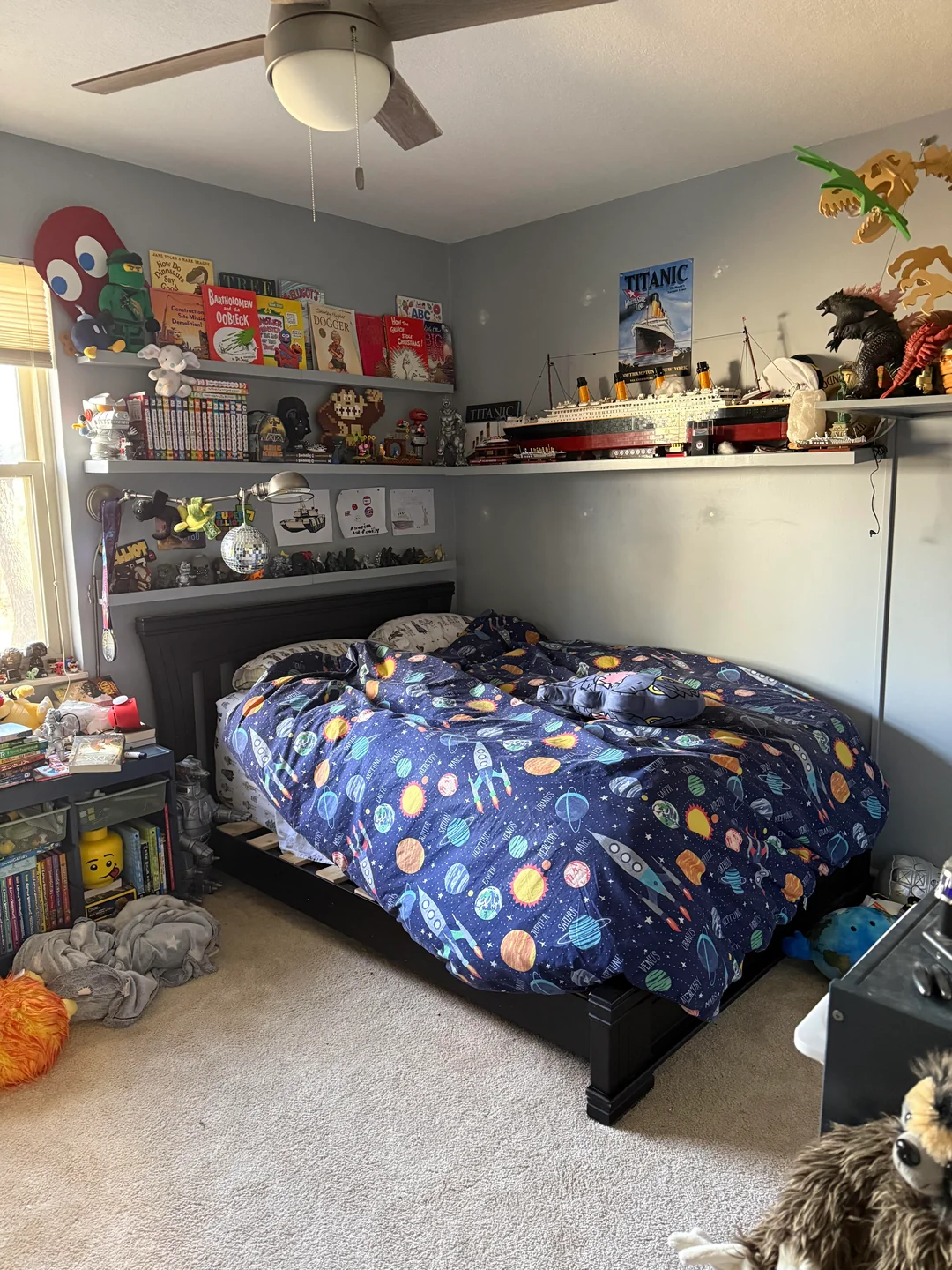
A child should feel like the room belongs to them. Personal touches help with that. Their name, art, favorite colors, photos, trophies, or hobby items can make the space feel warm.
The key is to choose a few items and give them proper places. A display shelf can hold favorite toys. A frame can hold art. A pinboard can hold photos. A small wall hook can hold a dance bag, sports cap, or dress-up item.
Do not fill every wall with personal items. Too much decor can make the room harder to clean and harder to enjoy. Leave some empty space. A room with breathing space feels better, and the special items stand out more.
Build a Play Area That Can Change Over Time
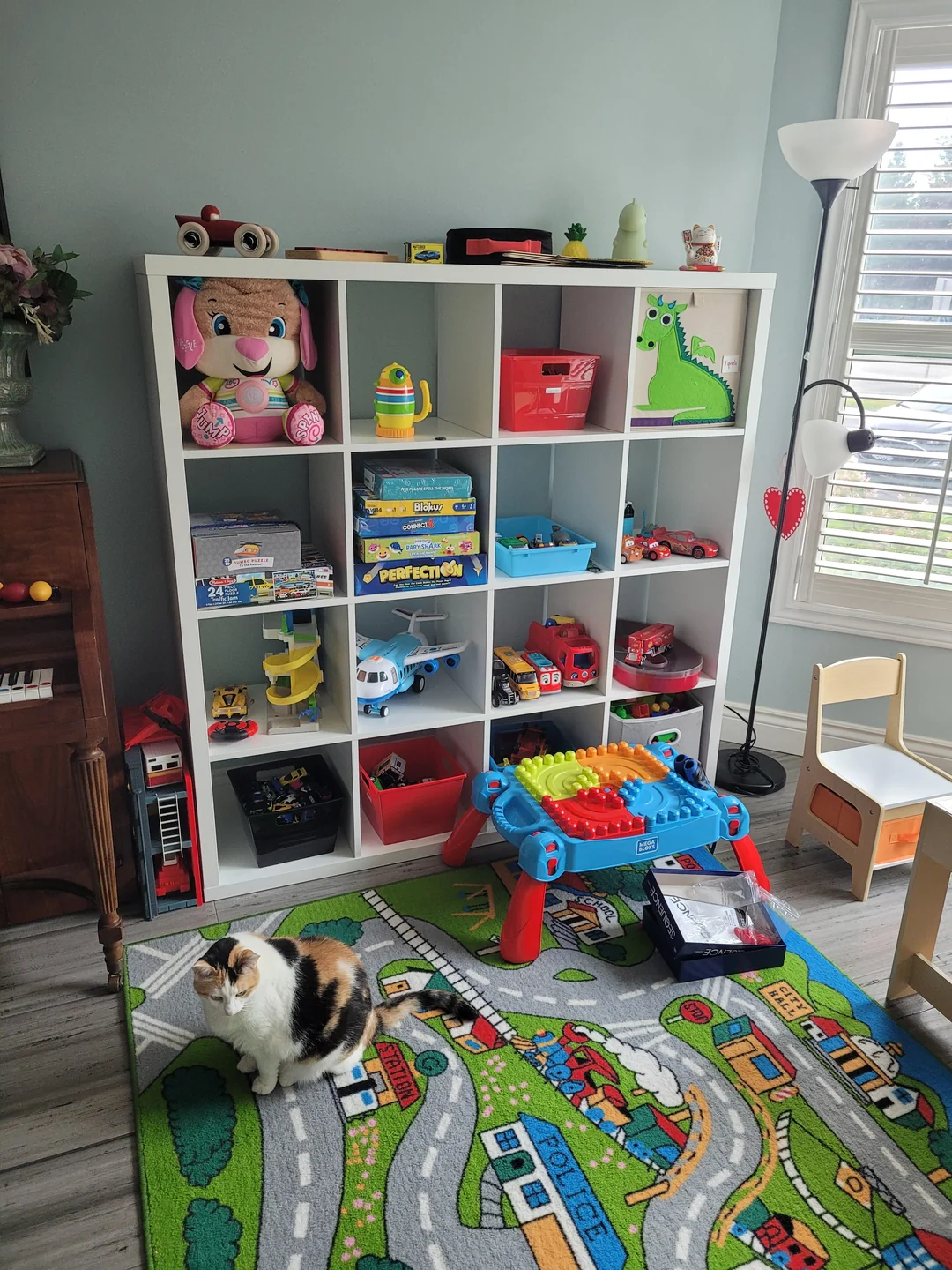
Children grow fast, so the play area should not be fixed forever. A toddler may need floor space, soft blocks, and pretend play. A school-age child may need building toys, board games, or a small table. An older child may want room for hobbies, music, or crafts.
Use furniture that can move. A small table, rolling cart, light toy bins, and stackable stools make the space flexible. Keep the center of the room as open as possible. Open floor space is one of the best gifts in a kids room.
Rotate toys instead of showing everything at once. Keep some toys stored away and bring them back later. This makes old toys feel new again and keeps the room easier to manage. A flexible play area supports fun without letting clutter take over.
Finish With a Sleep-Friendly Layout
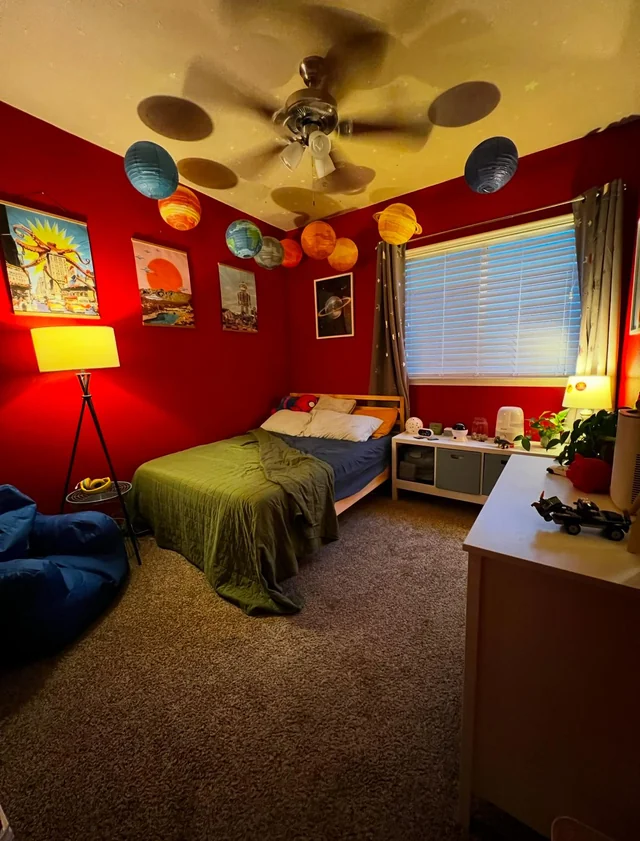
A fun room still needs to support sleep. If the room feels too busy at night, bedtime can become harder. The bed area should be the calmest part of the room.
Keep bright toys, screens, and busy shelves away from the bed if possible. Place books, a soft lamp, and one comfort item nearby. Use curtains or shades that control light. Blackout curtains can help if the room gets strong morning sun or street light at night.
Choose bedding that is soft, easy to wash, and not too heavy. Keep the wall near the bed simple. A calm sleep zone tells the child it is time to rest. This final step brings the whole renovation together because a kids room should be fun by day and peaceful by night.
Conclusion
A great kids room is not about buying the most expensive furniture or following every trend. It is about making a room that helps your child live better each day. The best kids room renovation ideas fun creative space combine safety, storage, sleep, study, play, and personal style.
Start with the room layout. Make clear zones. Choose safe furniture. Add storage your child can reach. Keep the floor open. Use color in a smart way. Create one quiet place, one creative place, and one easy place to clean up.
When a kids room is planned well, it feels fun without feeling messy. It feels personal without feeling crowded. It grows with the child instead of needing a full redo every year. That is what makes a renovation worth it.

Fatima Khalid
BukayHome shares practical home decorating ideas, room inspiration, and simple styling tips to help readers create a home they truly love.