13 Tiny House Ideas for a Cozy and Simple Life
13 Tiny House Ideas for a Cozy and Simple Life
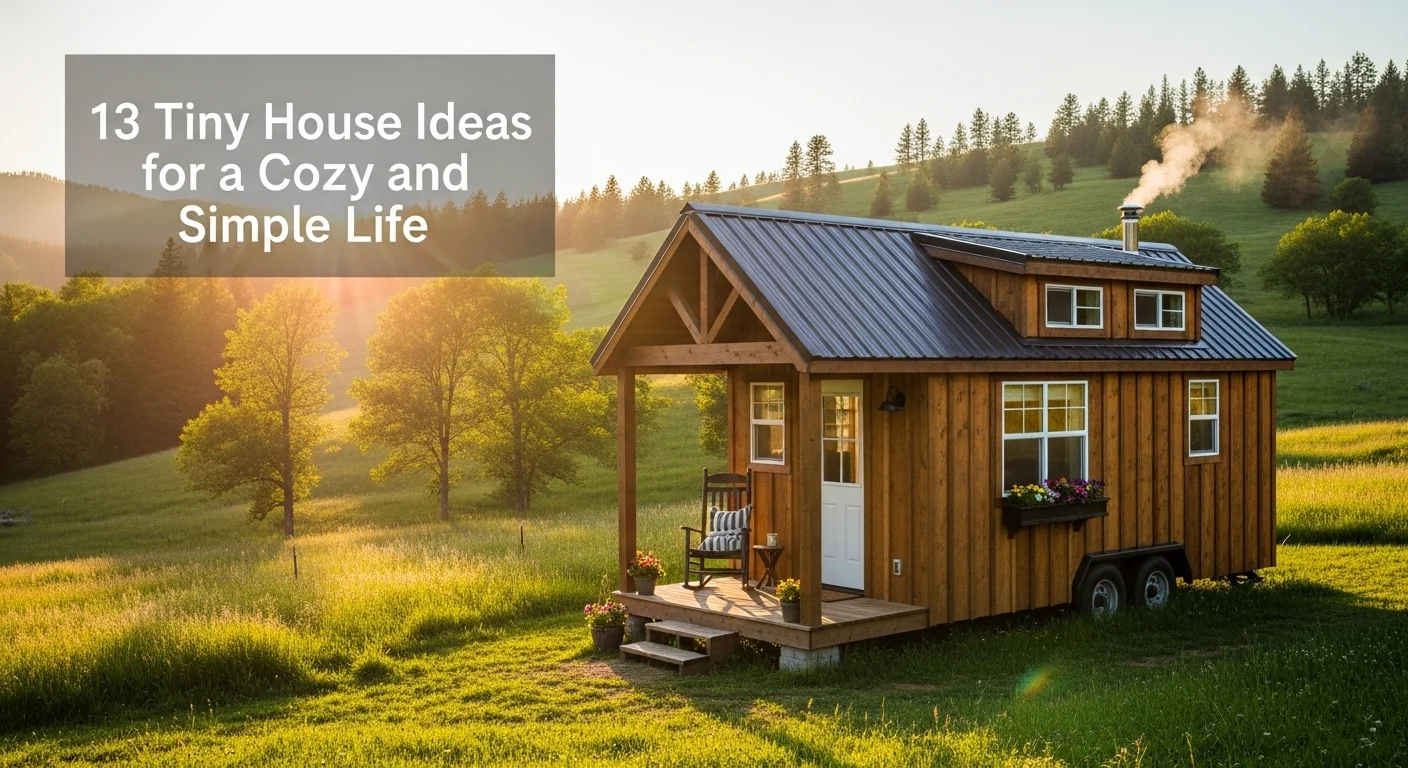
A small home can feel peaceful in a way that many larger homes don’t. There’s less to clean, less to fill, and less to manage. It sounds simple, but small living only feels good when the home is planned with care. A small space can feel warm and easy, or it can feel cramped and stuffy. The difference usually comes down to smart choices.
The best tiny house ideas are not about trying to fit a full-size house into a smaller shell. That is where many people go wrong. A tiny home works best when it accepts its size and uses it well. Each piece should matter. Each area should have a clear job. The space should feel open enough to breathe, but warm enough to enjoy.
Small living isn’t just about saving space. It’s also about organizing your daily life. Where do you sit with your morning coffee? Where do your shoes go when you walk in? Where do blankets, pens, books, and extra clothes go? These little details matter more in a small home because there’s no extra room to hide bad choices.
Living a comfortable and simple life doesn’t just mean giving up things to struggle with later. It means keeping what helps and letting go of what gets in the way. That’s why a small home feels calm instead of crowded. These ideas are designed for that kind of living. They focus on real comfort, real storage, and real ease.
Start with a layout that feels easy to walk through
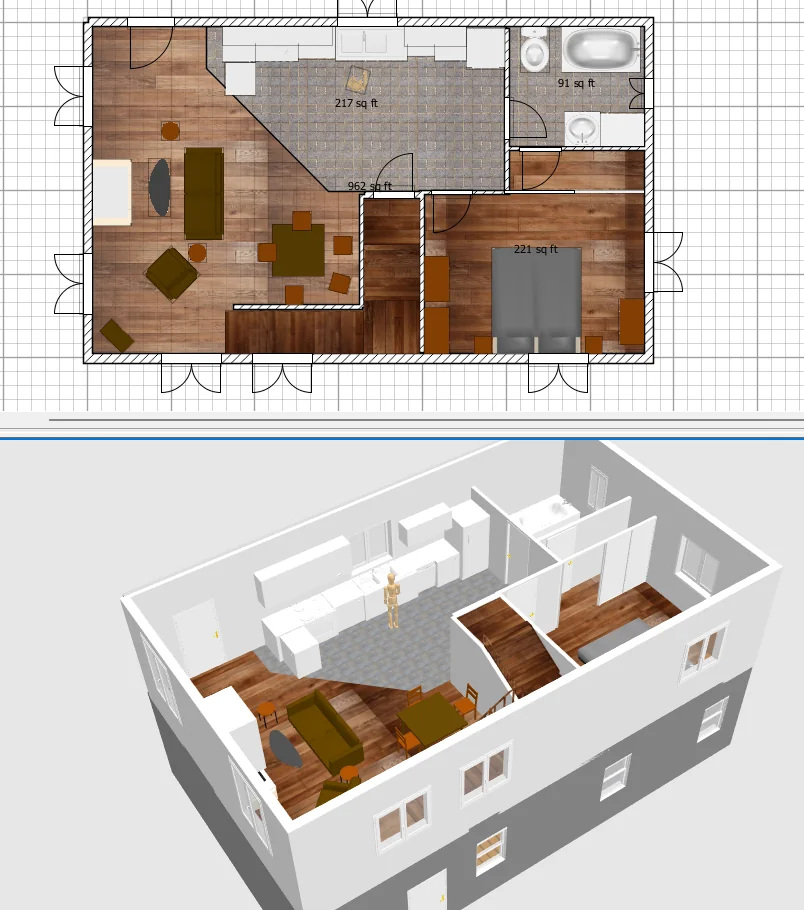
The first thing a tiny house needs is a good path. If you have to twist around chairs, step over baskets, or turn sideways near the kitchen, the home will never feel restful. It will feel like it is always in your way. That is why layout matters more than style at the start.
A good layout allows you to move around without thinking too much. You should be able to walk from the door to the kitchen, from the kitchen to the bed, and from the bed to the bathroom without having to fight against furniture. That kind of ease makes all the difference in a small home. It makes the house feel bigger than it is.
This is also why too much furniture can be a mistake. A tiny house does not need extra pieces just because larger homes usually have them. It needs the right few things placed in the right spots. When the layout feels clear, the whole home starts to feel calmer.
Choose furniture that does more than one job
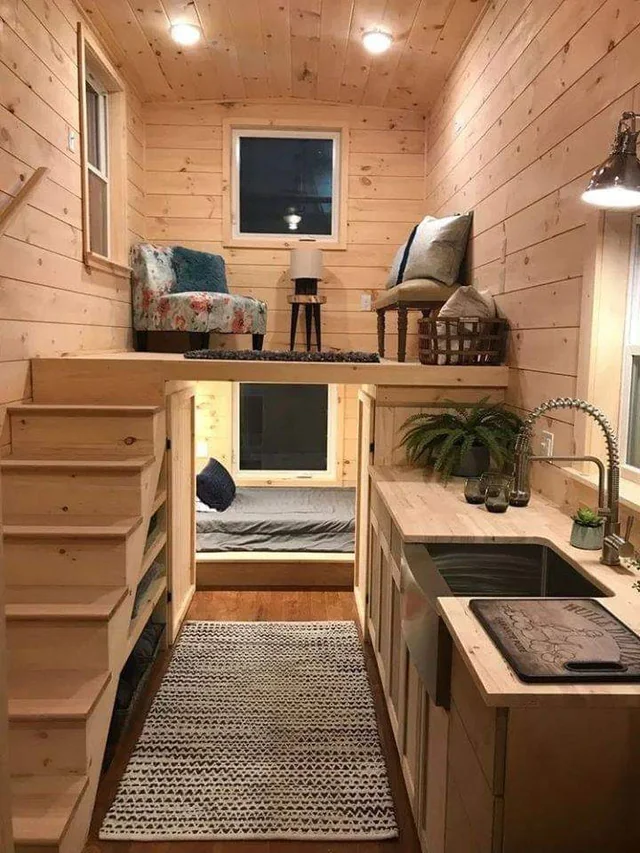
Every piece in a small home should have its place. A table that just looks pretty is hard to keep around. A bench that stores shoes or blankets makes more sense. A bed with drawers underneath does more than a bed frame with empty space.
This does not mean the home should feel like a trick. It just means the furniture should help your life. A fold-down table can be used for meals and work. A chest can be seating and storage at the same time. A slim shelf by the door can hold keys, bags, and a small lamp all in one spot.
Small homes feel better when fewer pieces do more work. This keeps the space from filling up too quickly. It also helps the home stay simple, because everything is there for a reason.
Use light colors to keep the home feeling open
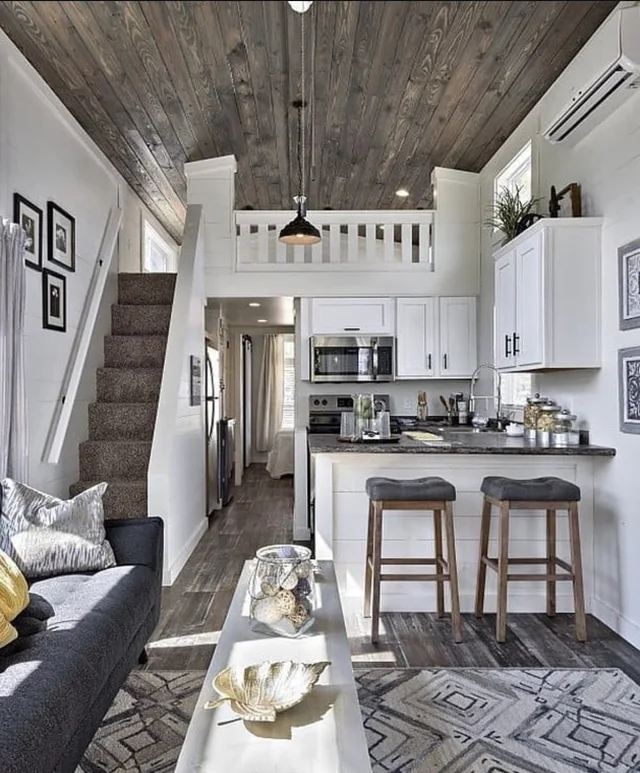
Color changes how a tiny house feels the moment you walk in. Dark colors can be beautiful, but in a small space they may also make the room feel tighter if they are used too heavily. Soft whites, warm creams, pale wood tones, light gray, dusty green, and muted blue can help a tiny house feel more open.
The point isn’t to make everything neat and tidy. The point is to keep the home from feeling fragmented. When wall color, floor color, cabinets, and fabrics clash, the space starts to feel busy. In a large home, this doesn’t matter much. In a small home, it immediately matters.
A steady color palette helps the eye move more easily. That gives the room a sense of flow. It also helps simple things like baskets, lamps, and bedding work together without extra effort. A calm home often begins with calm color.
Let natural light lead the room
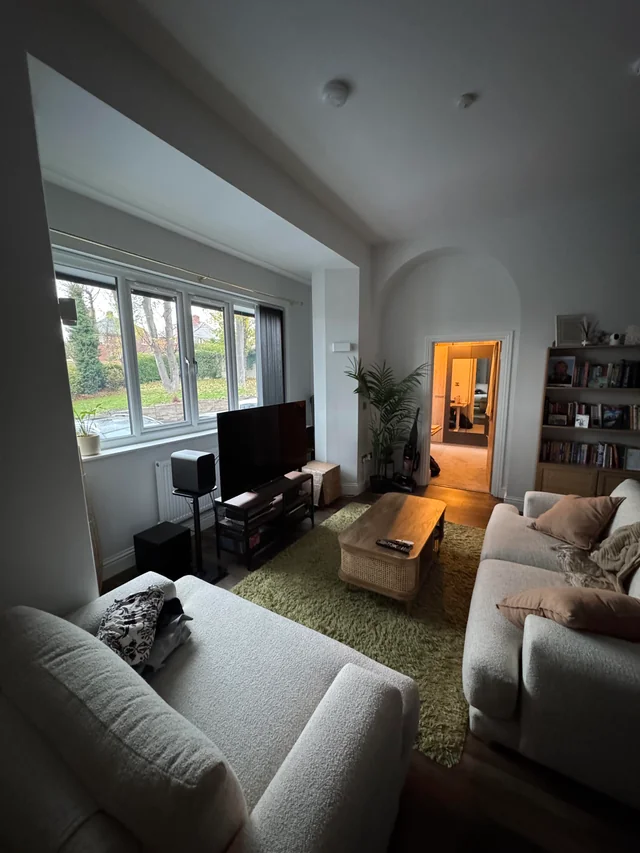
A tiny house can feel twice as small when the light is poor. Even a good layout feels tighter if the home stays dim all day. That is why natural light should do as much work as possible. Windows should stay open where they can. Curtains should soften the room, not block all the daylight.
Light helps a small home feel alive. It reaches corners, lifts ceilings, and enhances wood, fabrics, and paint. It can also shape your daily rhythm. Morning light near the dining table or sofa can make that part of the house feel like the right place to start the day.
When privacy is needed, use something simple and light. Thin curtains, woven shades, or easy blinds often work better than heavy window treatments. In a tiny home, a clear window can be one of the most helpful design features in the whole house.
Build storage up the wall instead of across the floor
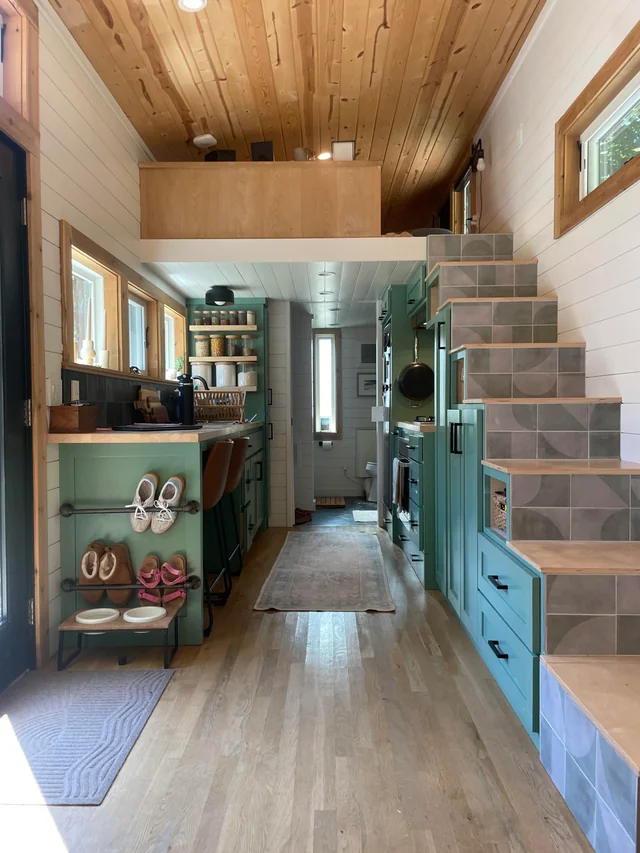
Floor space quickly disappears in a small home. That’s why vertical storage is so important. Shelves, hooks, narrow cabinets, rails, and pegboards can all help keep the floor more open. The more storage you can neatly move up the wall, the easier it will be to live in the house.
This is especially helpful near the door, in the kitchen, and around the bed. A row of hooks can do more than a large coat stand. A narrow shelf above the sink can hold daily items without stealing counter space. A wall light near the bed can free the surface of a side table.
The key is balance. Walls should support the home, not crowd it. A few good storage tricks are better than filling every wall with shelves. Small living requires organization, but it also needs room to breathe.
Make the kitchen simple, not oversized
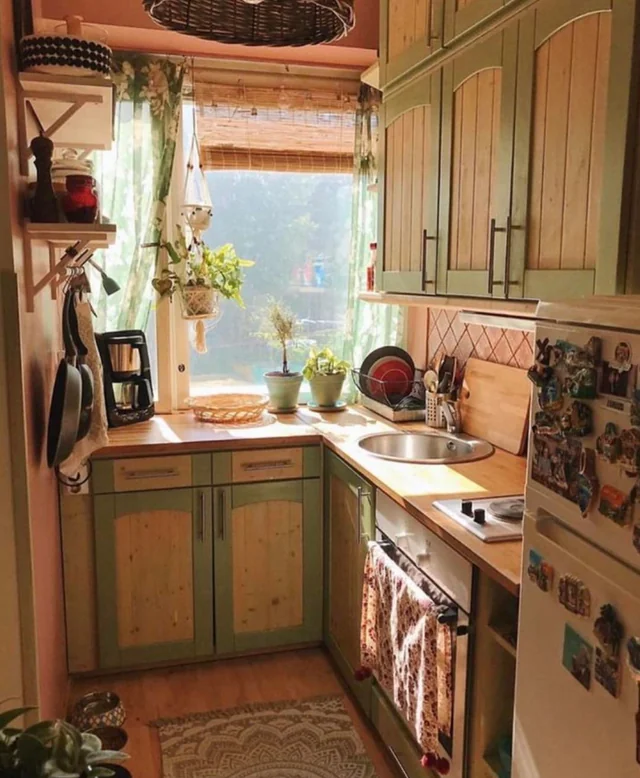
A tiny house kitchen does not need to do everything a large kitchen does. It just needs to work well for the people who live there. That means enough prep space, easy access to the things you use most, and storage that fits your real routine.
Some people need more drawers because they cook every day. Some need open shelves for everyday dishes. Some need a sturdy place for a kettle, coffee supplies, and breakfast basics. A small kitchen looks good when it reflects real habits rather than mimicking a larger home.
This is also where clutter becomes a problem very fast. A few unused gadgets or too many mismatched containers can make a tiny kitchen feel full all the time. Keeping the kitchen simple helps the whole house feel simpler too. When the kitchen works, the day often works better.
Give the bed area a feeling of privacy
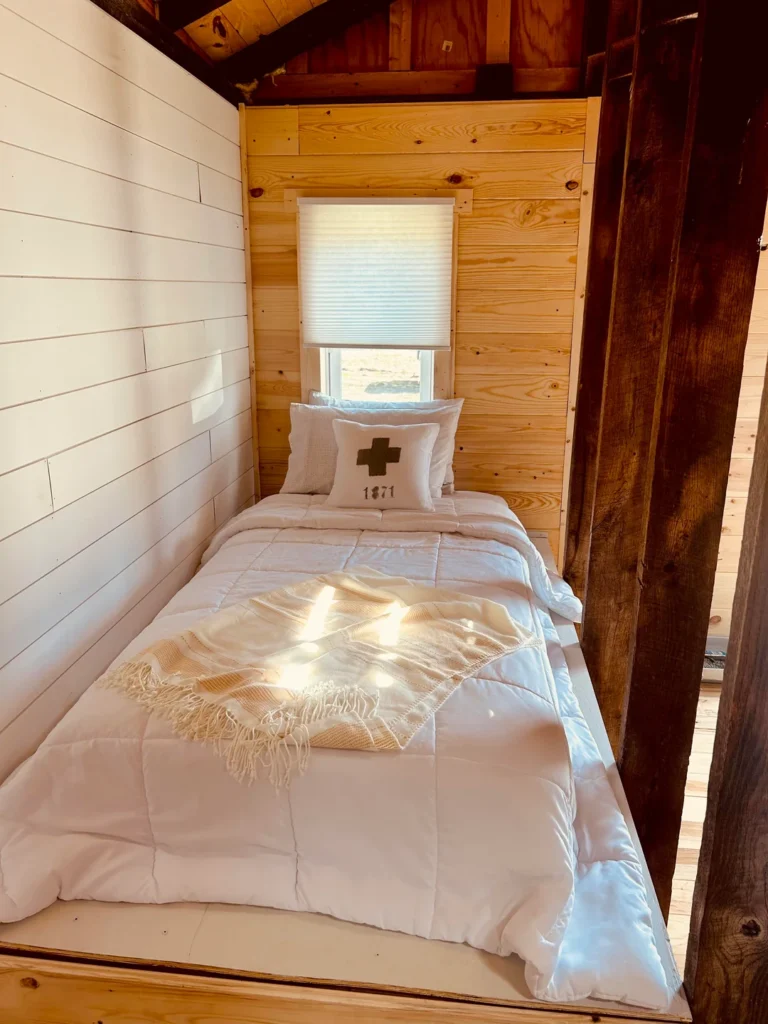
Even in a tiny house, the sleeping area should feel different from the rest of the home. It does not have to be large, but it should feel protected. That small sense of privacy can make the whole house feel more restful.
This can happen in many ways. A loft can feel tucked away. A curtain can soften one corner. A low wall, shelf, or change in lighting can help mark the sleeping space without closing it off too much. What matters is that the bed does not feel like it is floating in the middle of everything.
Resting is easier when your sleeping space has a sense of place. This is especially important in a small home because one room often serves multiple functions. A clear sleep zone helps your body know when it’s time to stop and settle down.
Use the space under beds and benches well
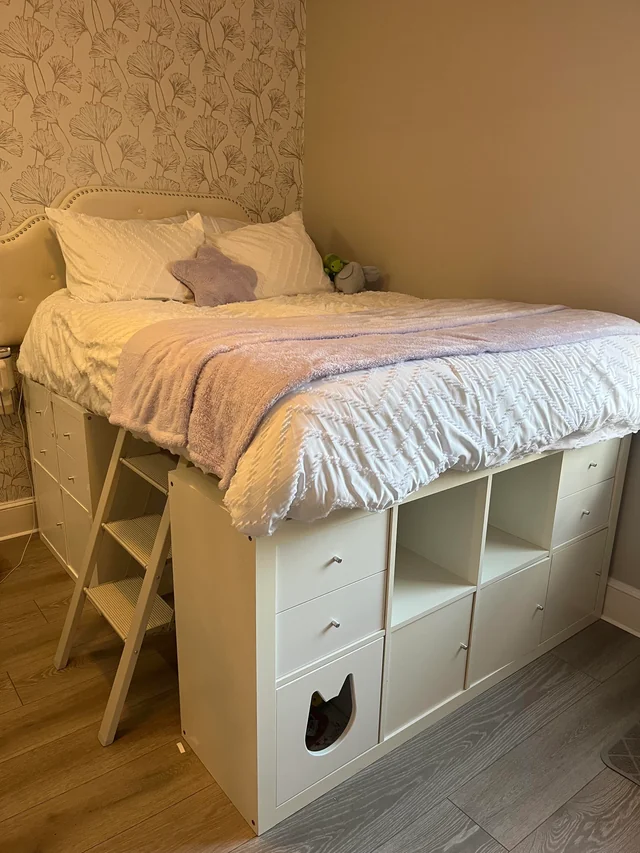
Hidden storage makes a small home feel so much easier to organize. The spaces under beds, under benches, and inside seating can hold more than most people think. This is often a great place for extra blankets, off-season clothes, shoes, pantry items, or tools that are useful but not needed every hour.
The important part is to keep this storage tidy. Loose piles under a bed quickly become hard to use. Bins, drawers, or boxes help keep things sorted so you can reach what you need without turning the whole house upside down.
Small living works best when things are easy to put away. That’s what hidden storage does. It keeps the house from looking cluttered while still allowing you to keep the important things.
Keep decor personal but light
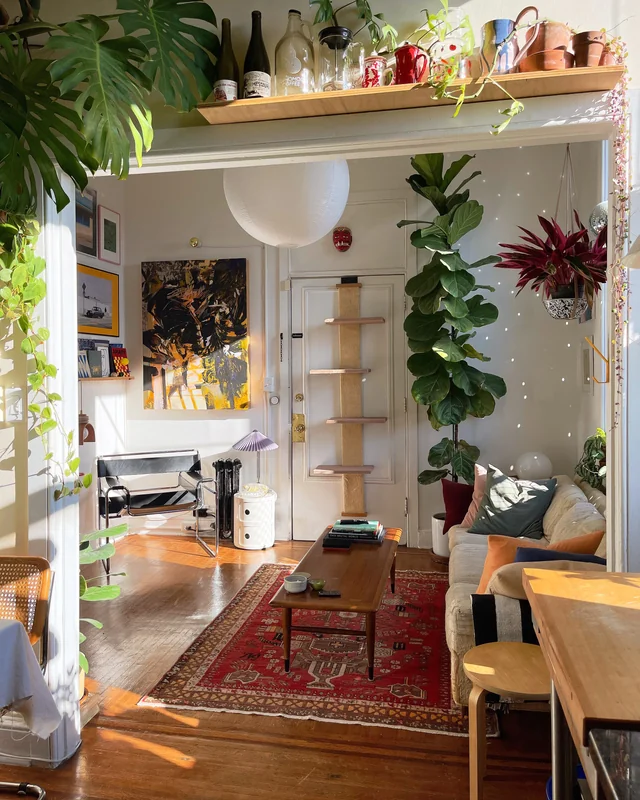
A tiny house does not need a lot of decor to feel warm. In fact, too much decor can make a small space feel noisy. A few meaningful things often do more than a shelf full of extras. One framed print, one plant, one handmade bowl, or one old book stack can add personality without crowding the room.
Decor feels best in a small home when it’s connected to real life. A basket can be beautiful and useful. A mug rack can be wall decor and storage at the same time. A blanket draped over a bench can warm up the room while still being ready for use.
The goal is not to strip all feeling from the home. The goal is to let the details matter. When every small thing has a place and a reason, the house feels cared for instead of overdone.
Give the bathroom a clean and calm plan
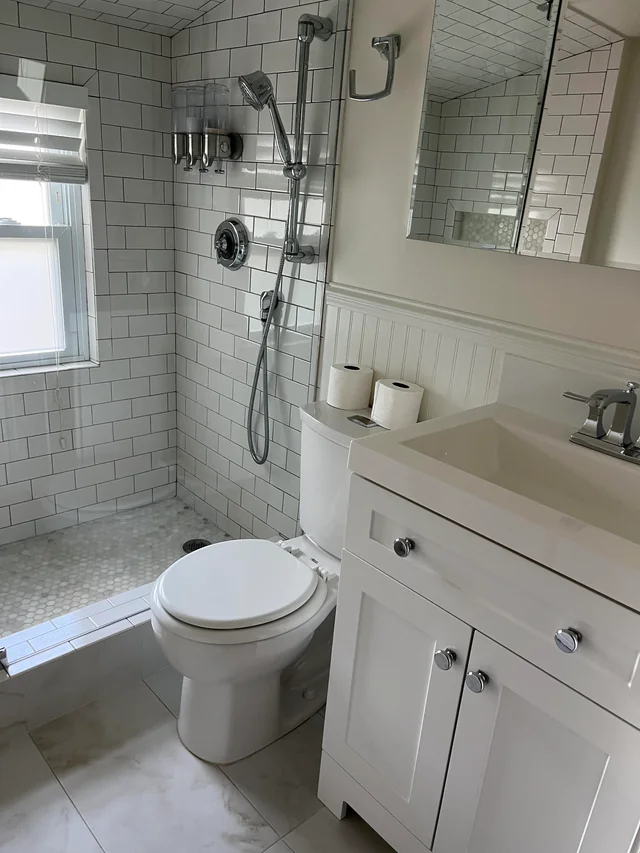
Small bathrooms can feel cramped if they aren’t well planned. A good small bathroom should feel easy to get into, easy to use, and easy to clean. This usually comes from simple choices, not too many features.
A smaller vanity often works better than a bulky one. Wall hooks can help more than a large towel bar. A good mirror and clear light matter a lot because they help the room feel less cramped. Open shelves can work too, but only if they stay neat and do not overload the wall.
Soft towels, a solid color scheme, and fewer visible items can make a small bathroom feel more relaxing. In a small home, this room needs to support everyday life without visual clutter. When it remains calm, the entire home benefits.
Make one eating area feel settled
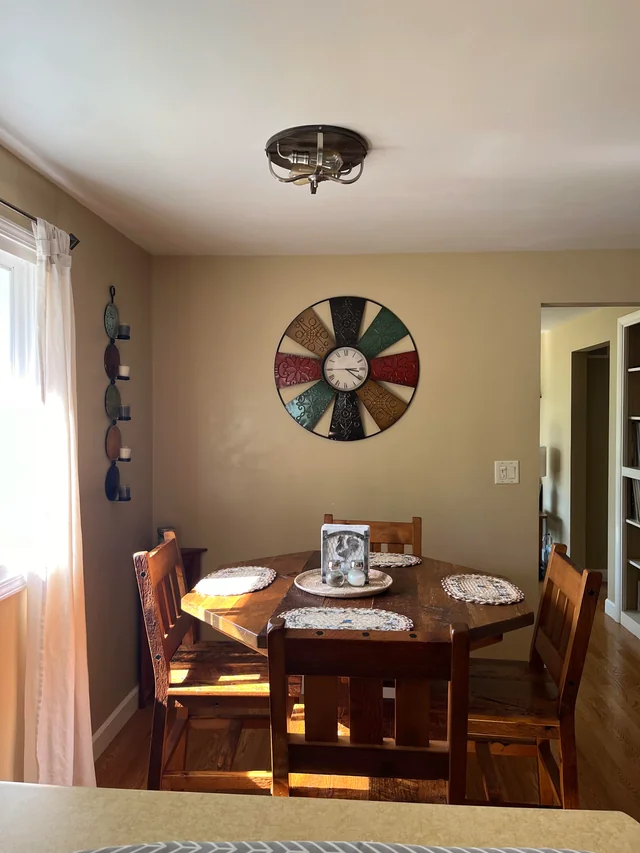
A tiny house may not have room for a full dining room, but it still helps to have one clear place to eat. That place might be a narrow table by the window, a fold-down wall table, or a bench nook with a small top. The size matters less than the feeling.
Meals feel better when there is a place for them. The same area can also be used for reading, homework, writing, or morning coffee. This is common in a small home. A small space can block many parts of the day if it is well organized.
This kind of spot gives rhythm to the house. It says this is where we pause. This is where we sit down. In a simple life, that kind of small daily ritual matters more than people expect.
Let outdoor space become part of the home
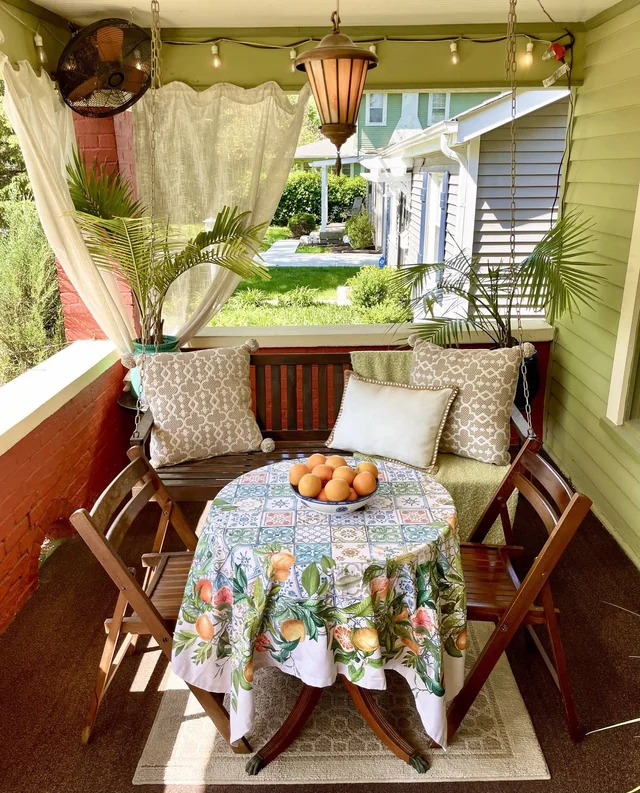
A small home feels bigger when life can expand a little bit. A porch, deck, garden edge, front step, or even a chair outside the door can change the way a home functions. It gives you another place to sit, breathe, have a cup of tea, or read in the light.
This matters because tiny homes do best when the inside is not forced to do everything alone. A small outdoor spot becomes an extension of daily life. It takes pressure off the main room and makes the home feel more open.
Even a very small outdoor area can help. A plant by the door, a small table, or a simple bench can turn a simple outdoor area into a real part of the home. Cozy living isn’t just about walls and furniture. It’s also about how the home connects to the day.
Leave some empty space on purpose
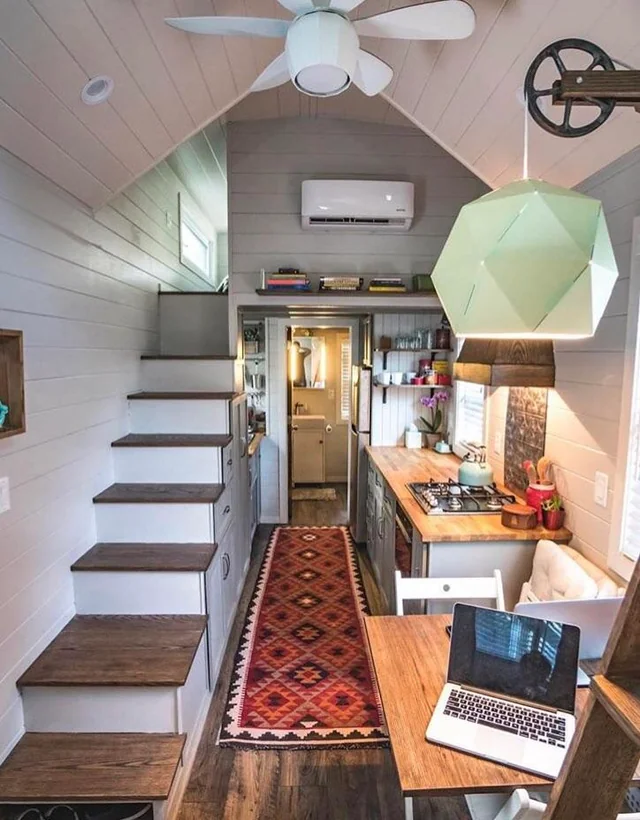
This may be the most important tiny house idea of all. Do not fill every corner just because you can. Do not hang something on every wall just because there is space. A tiny home needs open space on purpose.
Empty space is what allows a room to breathe. It gives your eyes a place to rest. It also gives your mind a break. Without it, even beautiful things can feel heavy. In a small home, this feeling builds quickly.
Open floor space, a clear shelf, or one wall left simple can make the whole home feel easier. It also gives you flexibility for real life. You need space to set down a bag, stretch, fold laundry, or just enjoy not feeling crowded. A simple life grows stronger when not every inch is busy.
Final Thoughts
A small home can offer a great kind of living. It can feel slow, gentle, and easy to maintain. But that feeling doesn’t just come from size. It comes from thoughtful choices. The best small home ideas are those that help a home be useful, peaceful, and real.
If you want a cozy and simple life, begin with how the space should feel. It should feel easy to walk through, easy to put away, easy to rest in, and easy to enjoy. From there, the right choices become clearer. You need fewer things, but the right few things matter more.
These 13 tiny house ideas are here to help you build that kind of home. One that feels warm without being crowded. One that feels personal without being messy. One that supports simple living in a real and lasting way.

Muskan Saleem
BukayHome shares practical home decorating ideas, room inspiration, and simple styling tips to help readers create a home they truly love.