14 Cozy Indoor Outdoor Living Room Ideas for a Relaxed Home
14 Cozy Indoor Outdoor Living Room Ideas for a Relaxed Home
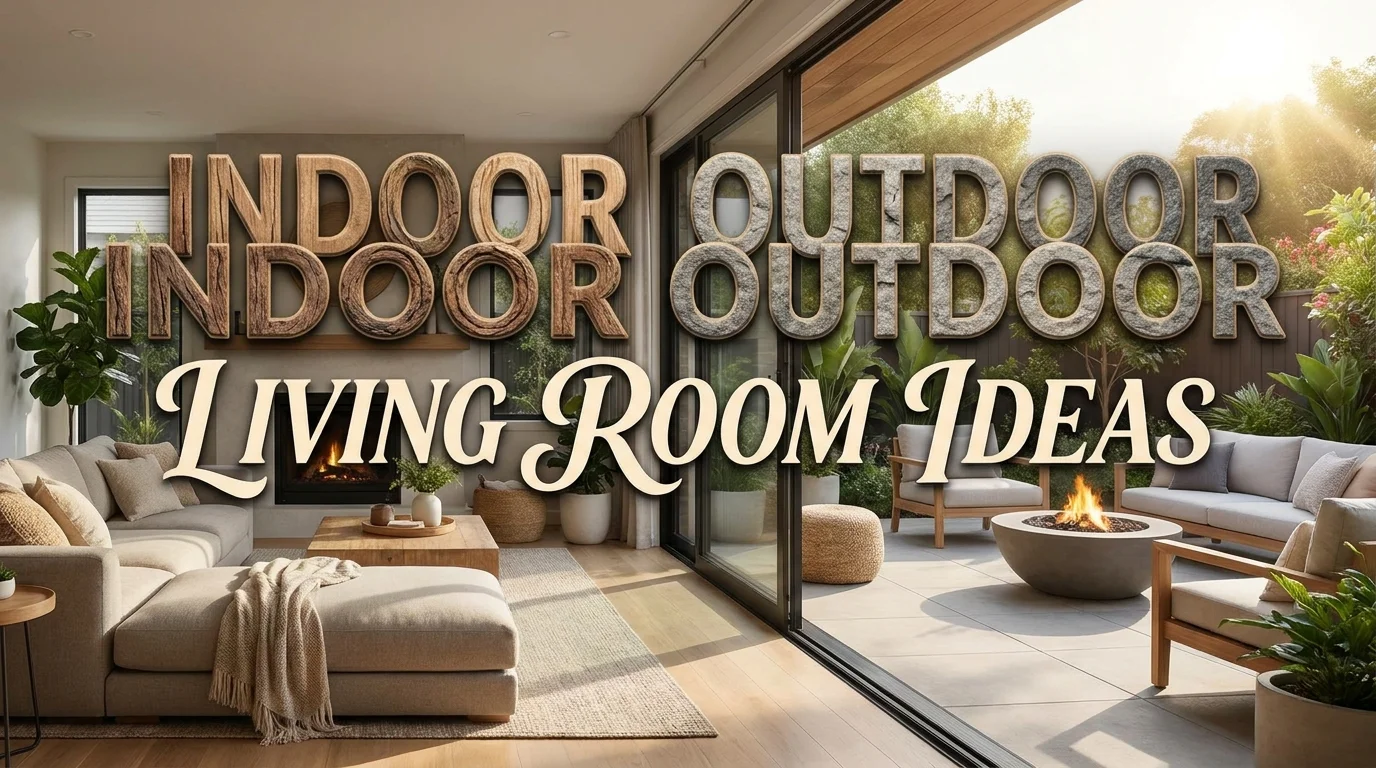
A good living space should feel easy to use. It should not force you to choose between inside and outside. When both areas work as one, your home feels bigger, calmer, and more useful. Over many years of working with home layouts, one thing stands out. People enjoy spaces that let them move freely, sit comfortably, and stay close to fresh air.
You do not need a large house to make this work. What matters is how you connect the two spaces. This guide shares ideas that are simple, real, and built for daily life.
Open Flow Living Room Design Idea
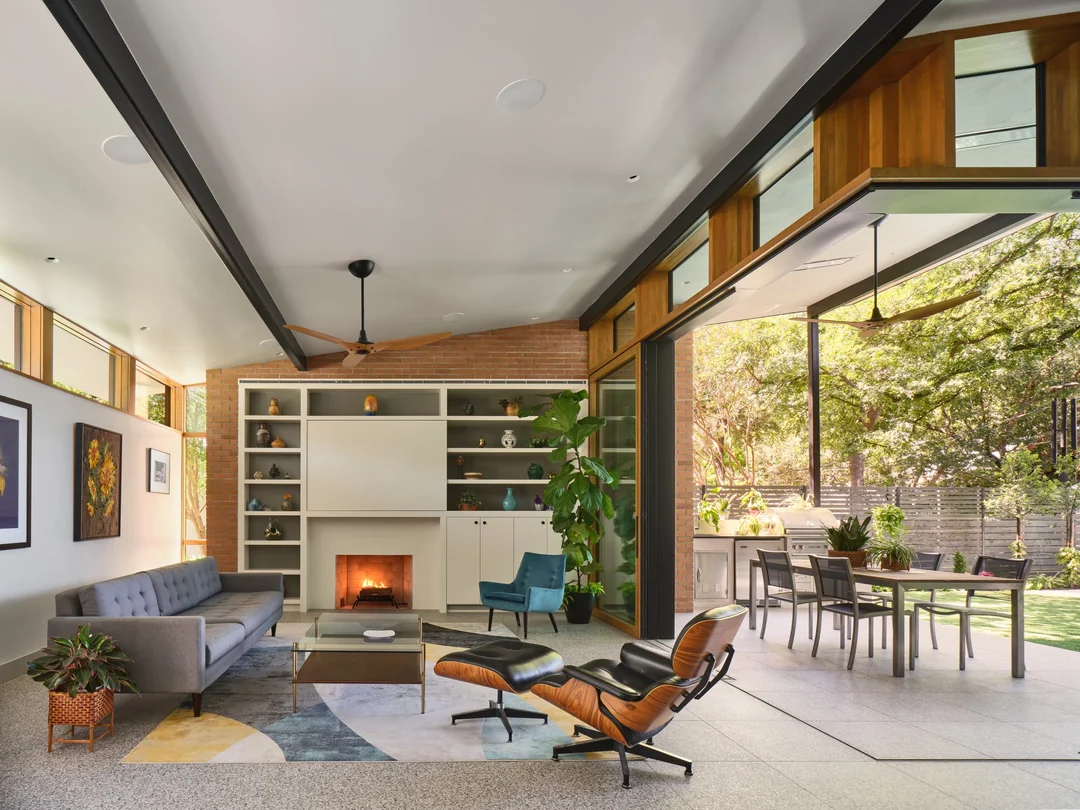
The first step is removing the feeling of separation. When your indoor and outdoor spaces connect without barriers, the whole area feels open.
Large doors or wide openings help with this. Sliding glass doors are a common choice because they are easy to use and do not take extra space. When open, they let air and light move freely between both areas.
Keep the floor level the same if possible. This avoids breaks in the flow. When you walk from inside to outside without stepping up or down, the space feels like one room.
Furniture placement also matters. Do not block the path between the two areas. Leave a clear line so movement feels natural.
Covered Patio Living Room Idea
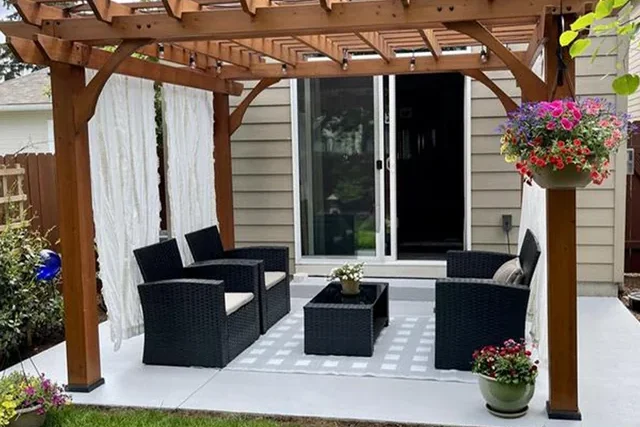
A covered patio acts like a bridge between indoors and outdoors. It gives you the feel of being outside while still offering protection.
A simple roof or pergola can create this space. It shields you from sun and light rain, so you can use the area more often.
Place seating under the cover to make it usable all day. Add a fan if the weather is warm. This keeps the space comfortable without much effort.
The key is balance. You still want light and air, but you also need shade. A covered patio gives you both.
Matching Indoor and Outdoor Furniture Idea
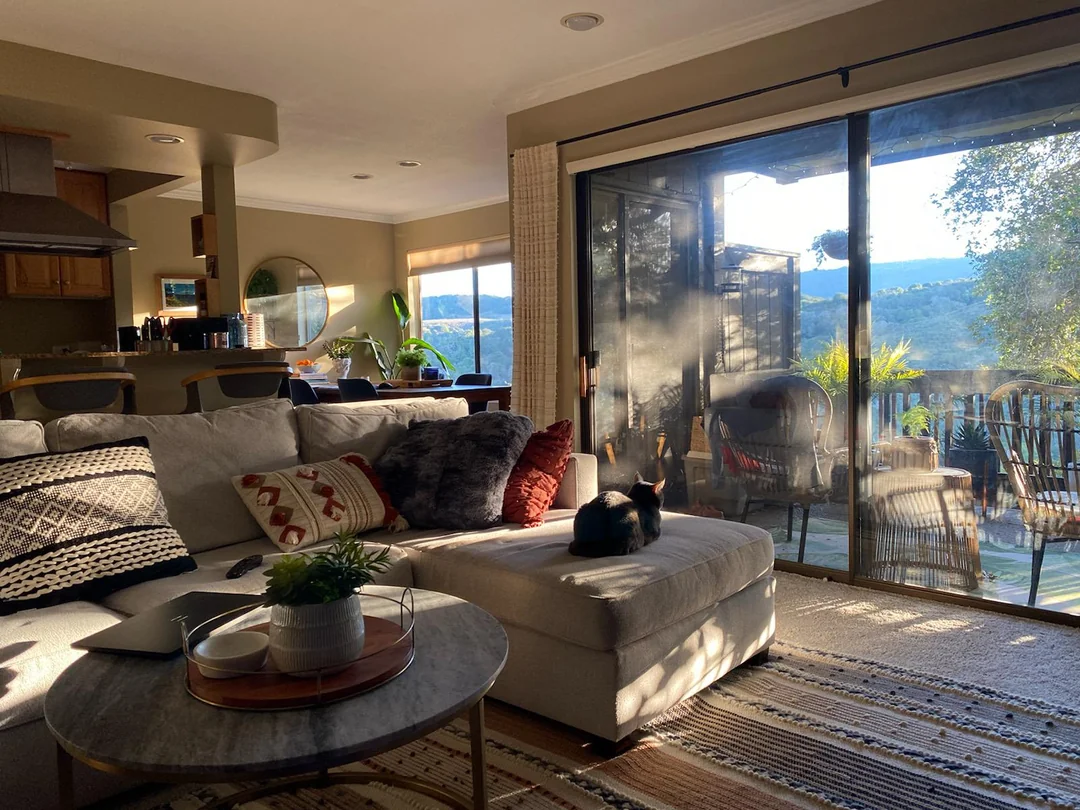
When furniture inside and outside looks too different, the spaces feel separate. A better approach is to keep a similar style in both areas.
You do not need identical pieces. Just keep the shape, color, or material close. For example, if your indoor sofa is neutral, choose outdoor seating in similar tones.
This creates visual flow. When you look from inside to outside, the space feels connected.
Outdoor furniture should be strong enough to handle weather. At the same time, it should still feel soft and inviting like indoor pieces.
Natural Material Living Room Idea
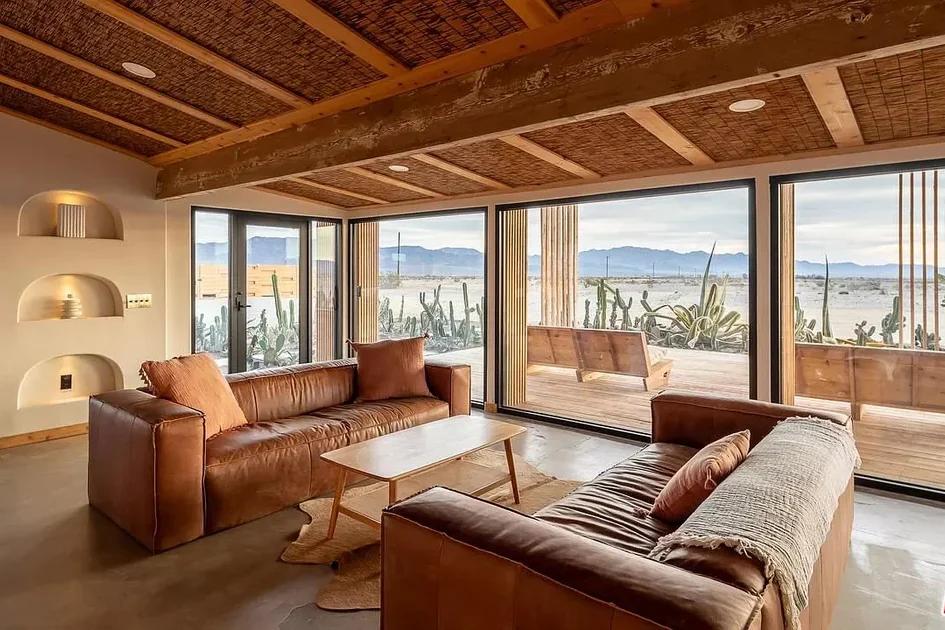
A space’s feel is greatly influenced by its materials. Natural surfaces like wood, stone, and cotton help blend indoor and outdoor areas.
Wood furniture works well in both spaces. Stone floors or walls can also create a strong connection.
Use fabrics that feel soft but can handle some outdoor use. This keeps comfort high without making the space hard to maintain.
Natural materials age well. Over time, they add character without looking worn out.
Indoor Outdoor Rug Placement Idea
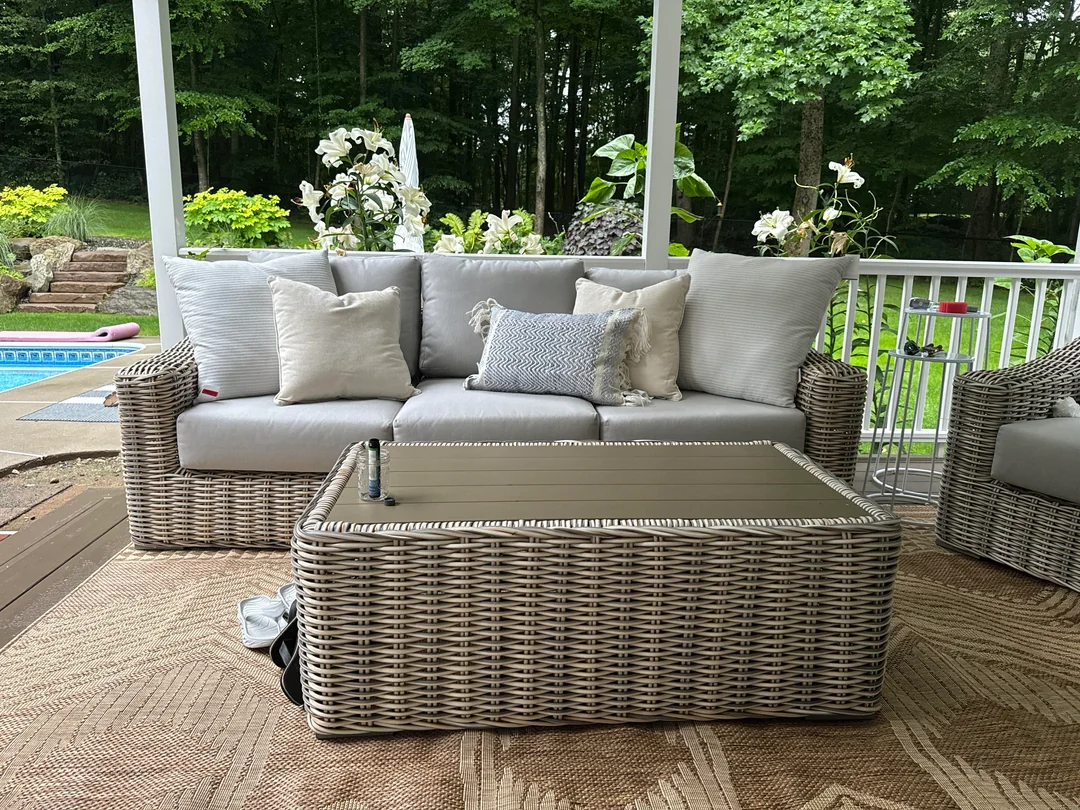
A rug helps define a living area. It also adds warmth underfoot.
Choose rugs that can work both inside and outside. Place one in the indoor seating area and another outside to mirror it.
Keep the size and style similar. This makes the two spaces feel like parts of the same room.
Outdoor rugs should handle moisture and dust. They are easy to clean and last longer.
Soft Lighting Connection Idea
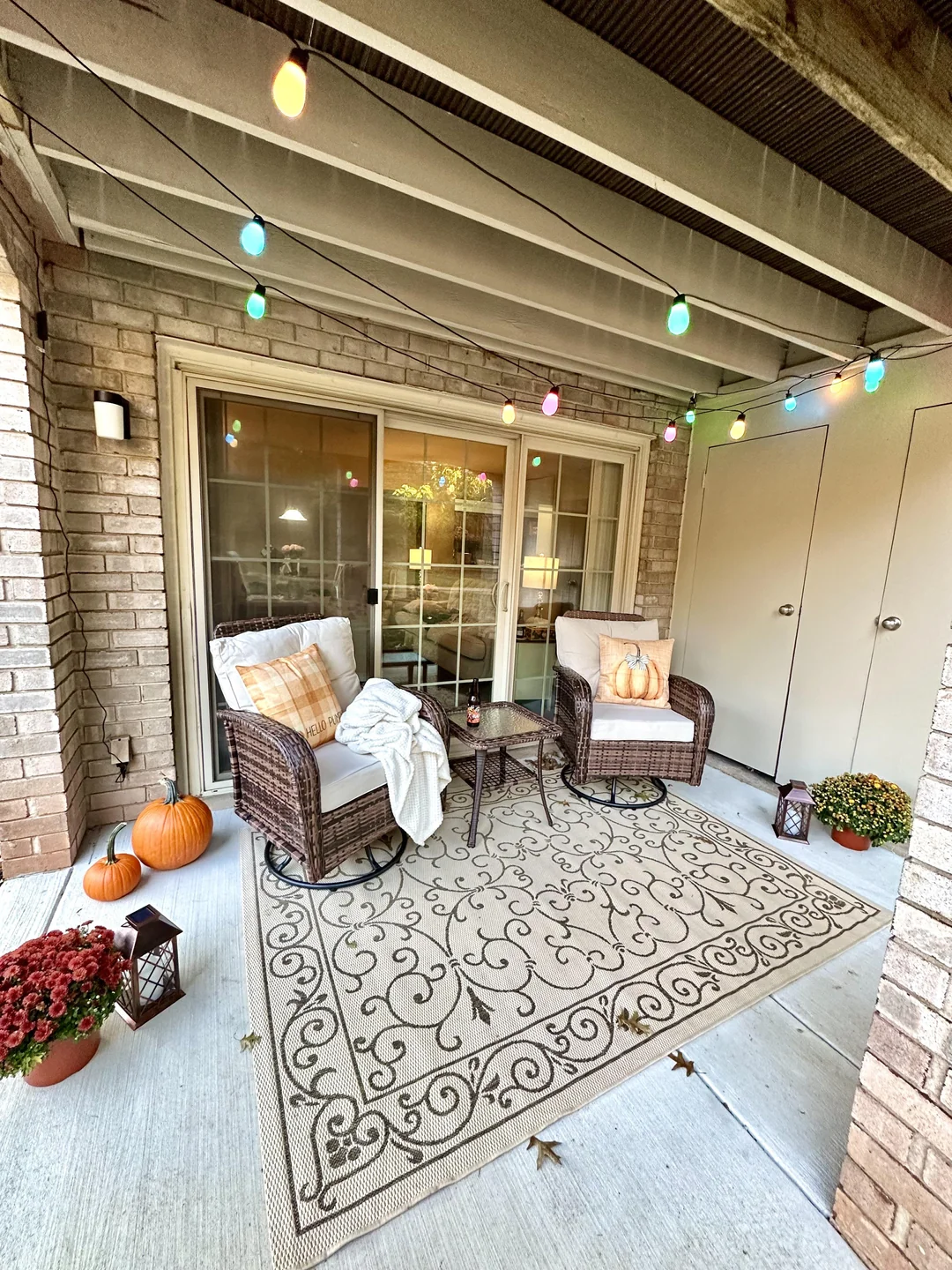
Lighting changes how a space feels after sunset. When indoor and outdoor lights match, the space stays connected at night.
Use warm lights inside and carry the same tone outside. String lights, wall lights, or small lamps can work well outdoors.
Avoid harsh lighting. Soft light makes the space calm and easy on the eyes.
Place lights where people sit or walk. This keeps the area safe and comfortable.
Sliding Door Integration Idea
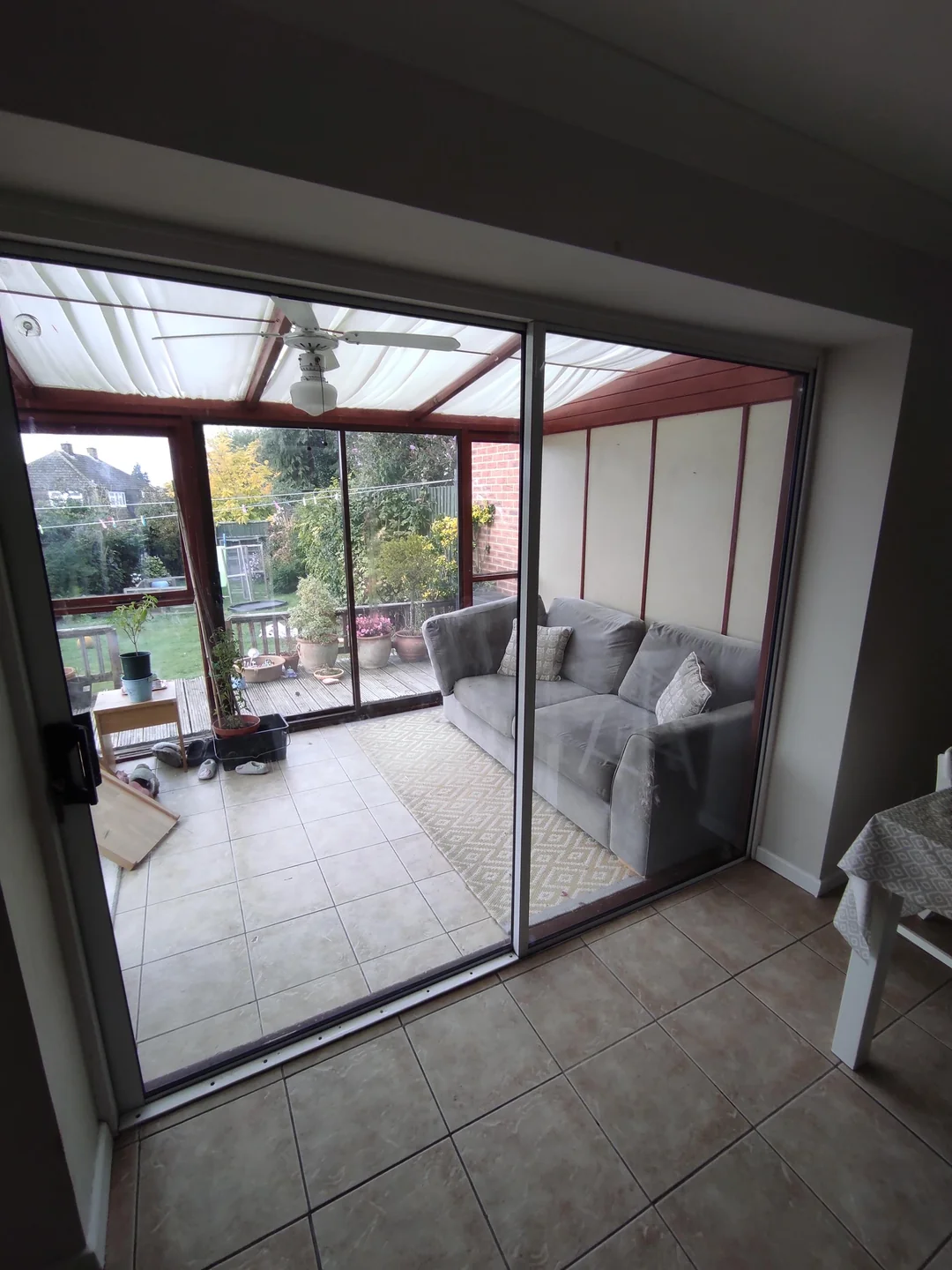
Sliding doors are one of the easiest ways to connect spaces. They open wide and let the outside come in.
Choose clear glass if you want more light. If privacy is needed, use light curtains or shades.
When closed, the doors still allow you to see outside. This keeps the connection even when the weather is not good.
Keep the door tracks clean so they move smoothly. This makes daily use simple.
Green Plant Flow Living Room Idea
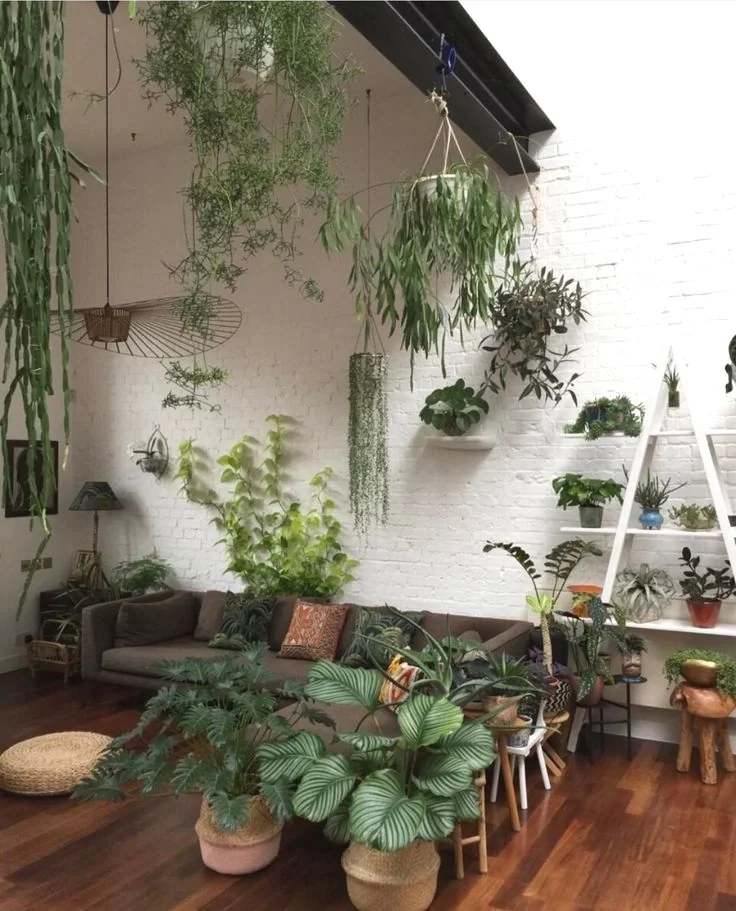
Plants help tie everything together. They bring life to both indoor and outdoor areas.
Use similar plants on both sides. For example, place potted plants inside near the door and continue the same type outside.
This creates a visual link. When you look across the space, it feels like one garden that moves through your home.
Choose plants that match your climate and light conditions. Healthy plants make the space feel fresh and alive.
Outdoor Fireplace or Heater Living Room Idea
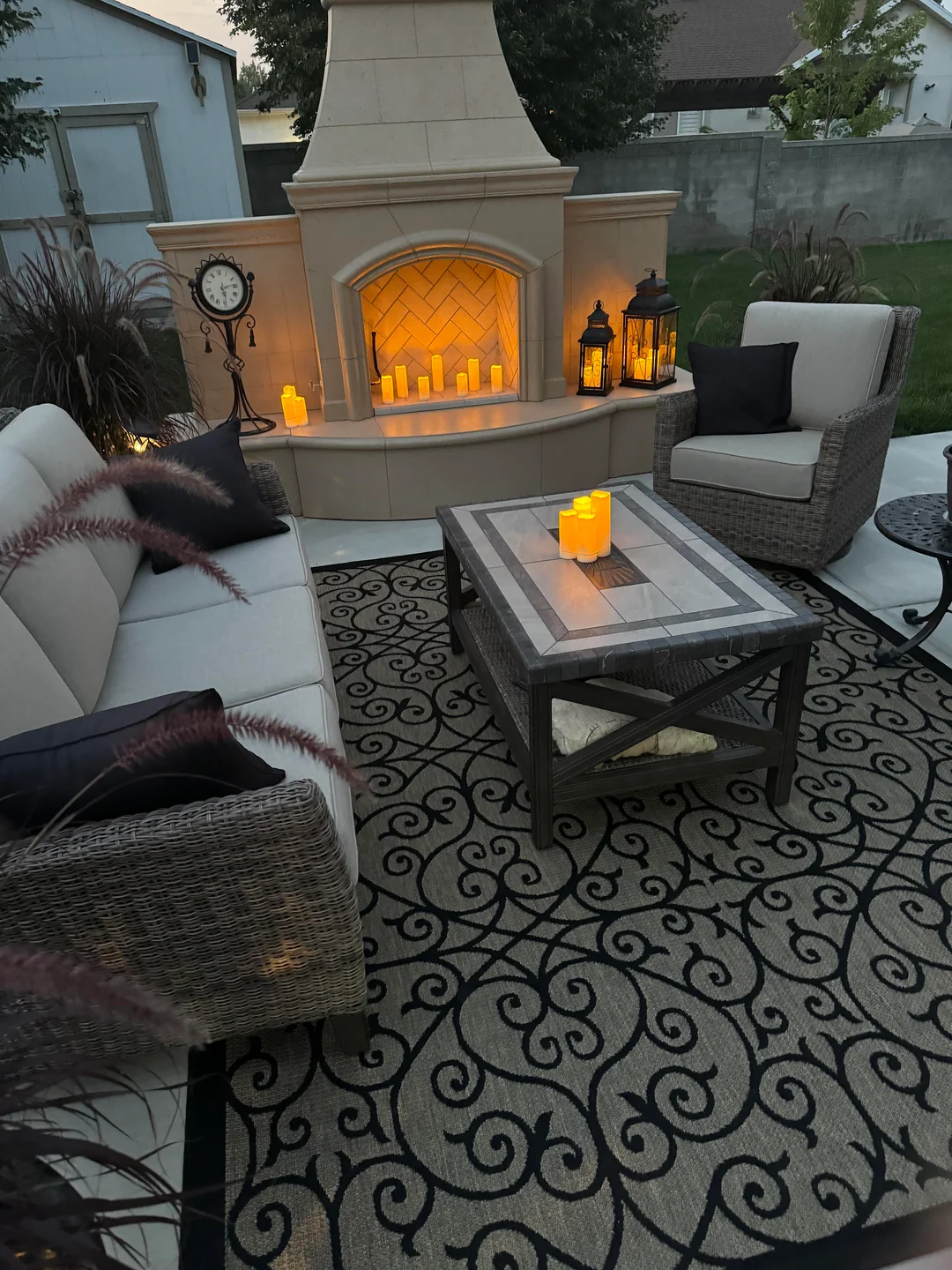
A heat source extends how long you can use the outdoor space. It also adds comfort.
An outdoor fireplace or heater works well in cooler weather. It creates a place where people gather and relax.
Place seating around the heat source, but keep a safe distance. Make sure the setup is secure and stable.
This idea turns your outdoor area into a space you can use even when it is not warm.
Multi-Level Living Room Connection Idea
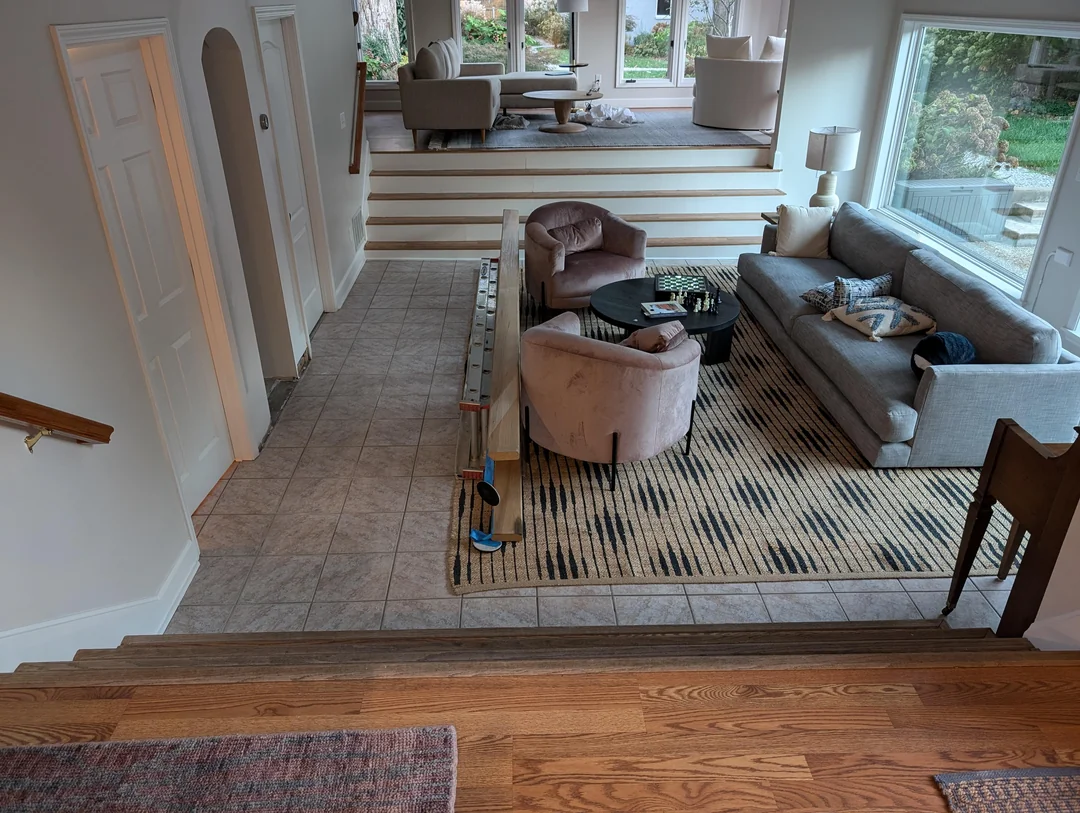
If your indoor and outdoor areas are at different heights, you can still create a smooth link.
Use steps or platforms to connect the levels. Keep the design simple and easy to walk on.
Add seating or plants on different levels to make the space feel balanced. Each level can have its own purpose while still feeling part of the whole.
This approach works well in homes with uneven ground or raised patios.
Folding Door Expansion Idea
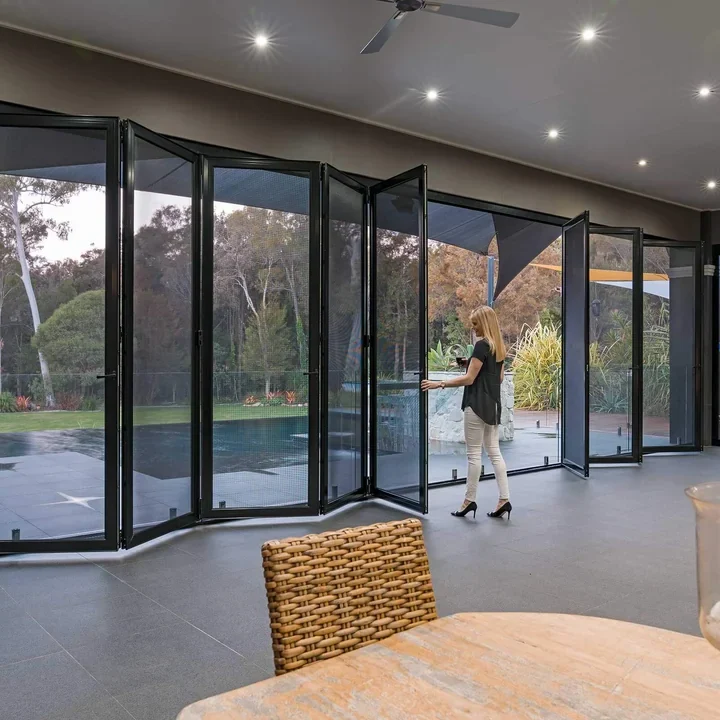
Folding doors can open an entire wall. This removes the barrier between inside and outside almost completely.
When open, the space becomes one large area. This is great for gatherings or family time.
When closed, the doors still provide light and a clear view.
Make sure the door system is strong and easy to operate. Good hardware makes a big difference overtime.
Neutral Color Flow Living Room Idea
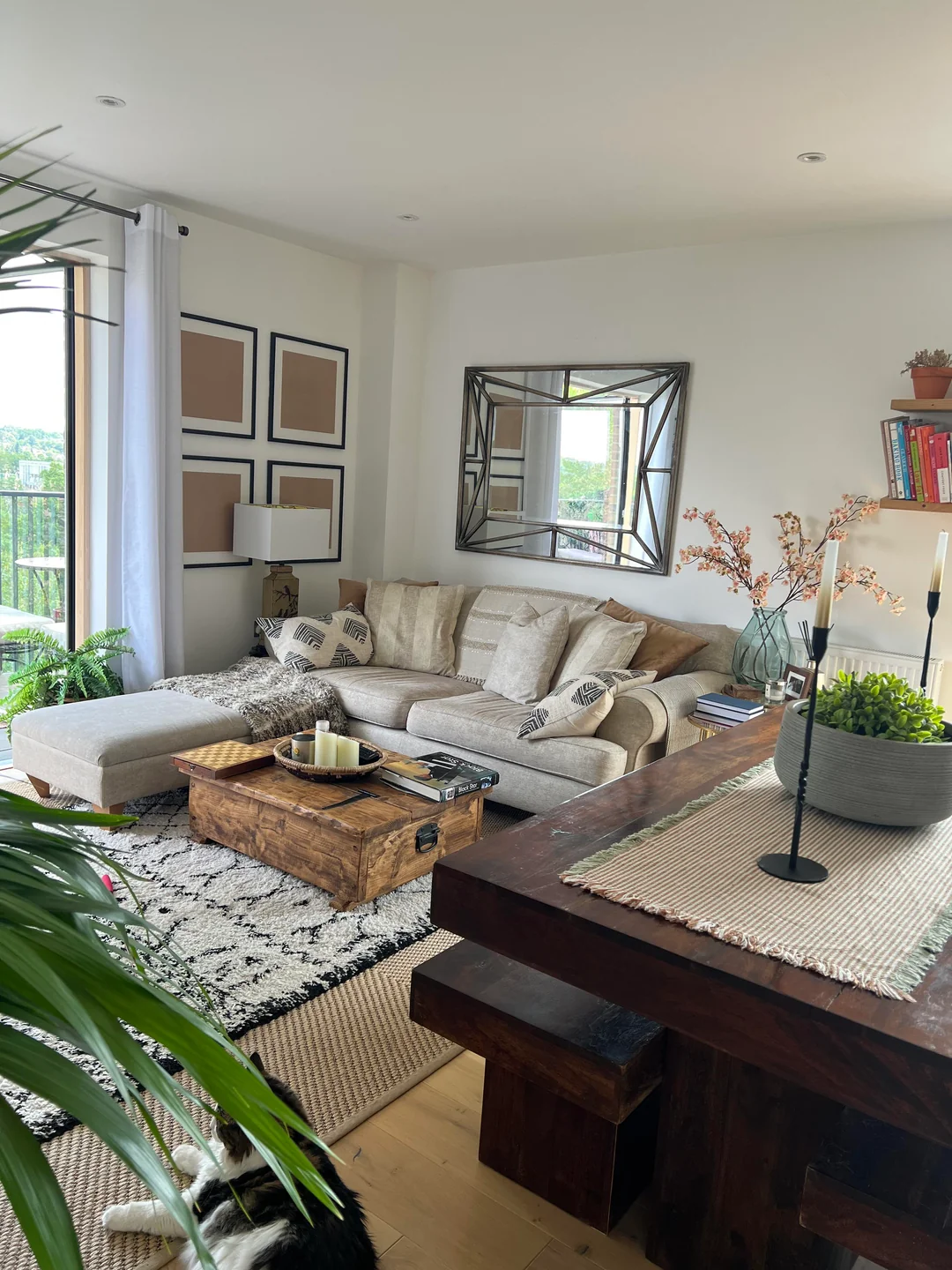
Color helps unify spaces. Neutral tones work best for this purpose.
Use shades like white, beige, or soft gray in both indoor and outdoor areas. These colors reflect light and keep the space calm.
Add small touches of color through cushions or plants if needed. This keeps the base simple while allowing some change.
A consistent color scheme makes the entire area feel larger and more connected.
Privacy Screen Living Room Idea
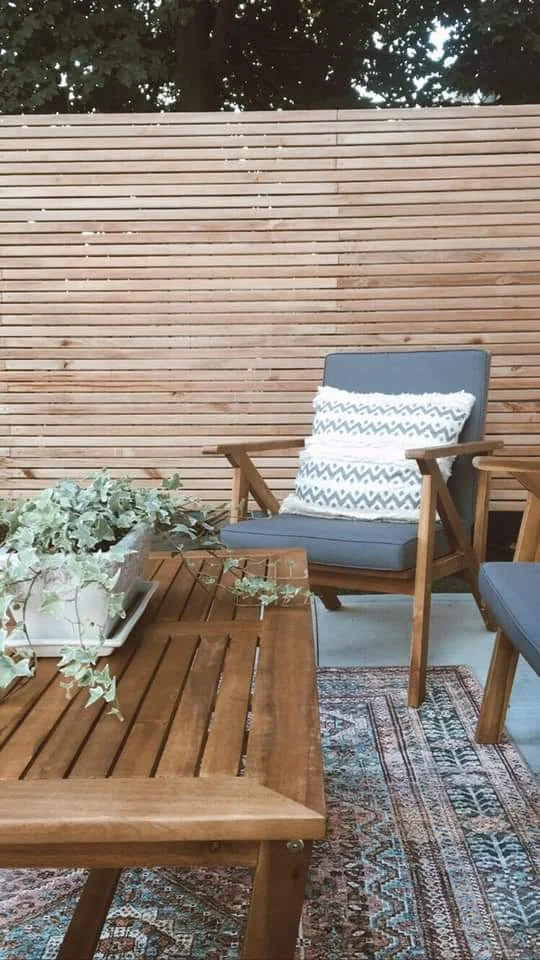
Outdoor living spaces need some level of privacy. Without it, the area may feel exposed.
Use screens, plants, or light panels to create a sense of enclosure. These should not block all light or air.
Place them where needed, such as along a fence or near seating areas.
A good screen adds comfort without making the space feel closed.
Year-Round Use Living Room Idea
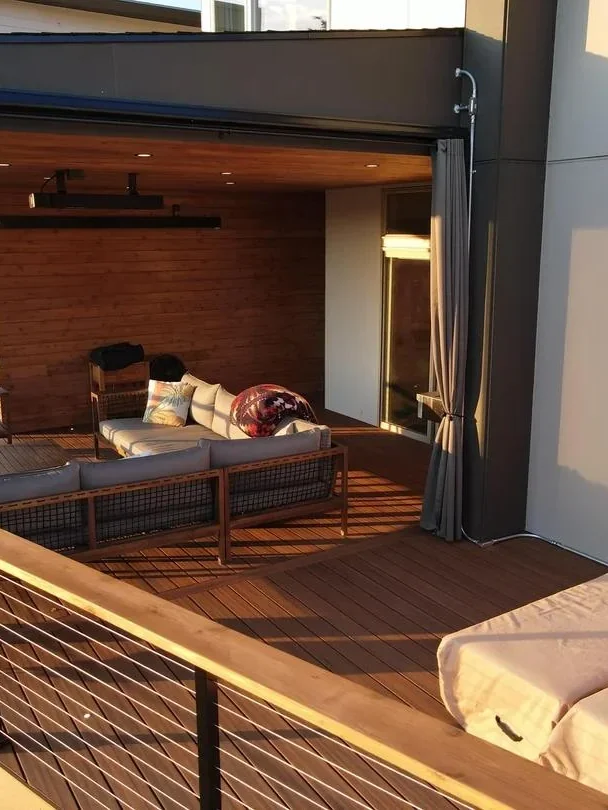
The best indoor-outdoor spaces are used in all seasons. Plan for this from the start.
Use weather-friendly furniture and materials. Add shade for summer and warmth for cooler days.
Keep covers or storage ready for items that need protection. Regular care helps the space last longer.
When your space works year-round, it becomes a true part of your home, not just a seasonal area.
Final Thoughts
A cozy indoor outdoor living room is not built in one step. It grows over time as you adjust what works for you. Start with the basics. Focus on flow, comfort, and ease of use.
Pay attention to how you move through the space. Notice where you like to sit and where you avoid. Make small changes based on real use.
In the end, the best space is one that feels natural. It should support your daily life without effort. When indoor and outdoor areas work together, your home feels more open, calm, and complete.

Fatima Khalid
BukayHome shares practical home decorating ideas, room inspiration, and simple styling tips to help readers create a home they truly love.