15 Smart Workshop Design Ideas for a Functional Creative Space
15 Smart Workshop Design Ideas for a Functional Creative Space
A workshop is not just a place to work. It shapes how you think, move, and build. A well-designed space saves time, reduces stress, and helps you stay focused. After years of setting up and fixing workspaces for homes and small shops, one thing is clear: smart design is not about size. It is about flow, access, and comfort.
This guide shares ideas that come from real use, not showroom setups. Each one is built to help you work better every day.
Smart Layout Planning Workshop Idea
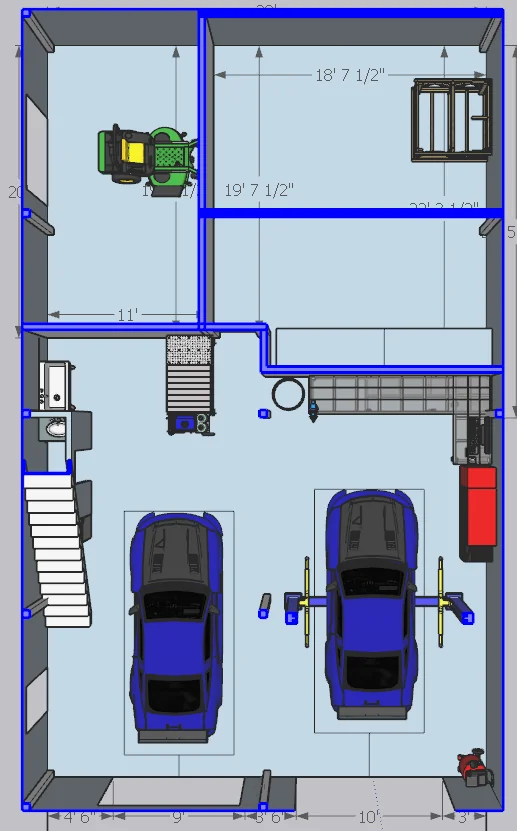
The first mistake most people make is placing things without a plan. A workshop should follow your natural movement. Think about how you start a task, where you cut, where you assemble, and where you finish.
Keep tools and stations in a simple flow. You should not walk back and forth too much. If you often move between two tools, they should be close. This saves energy and keeps your mind on the task.
Leave enough space to move safely. Tight areas slow you down and can lead to mistakes. Even in a small workshop, a clear layout makes a big difference.
Workbench Setup That Supports Real Work
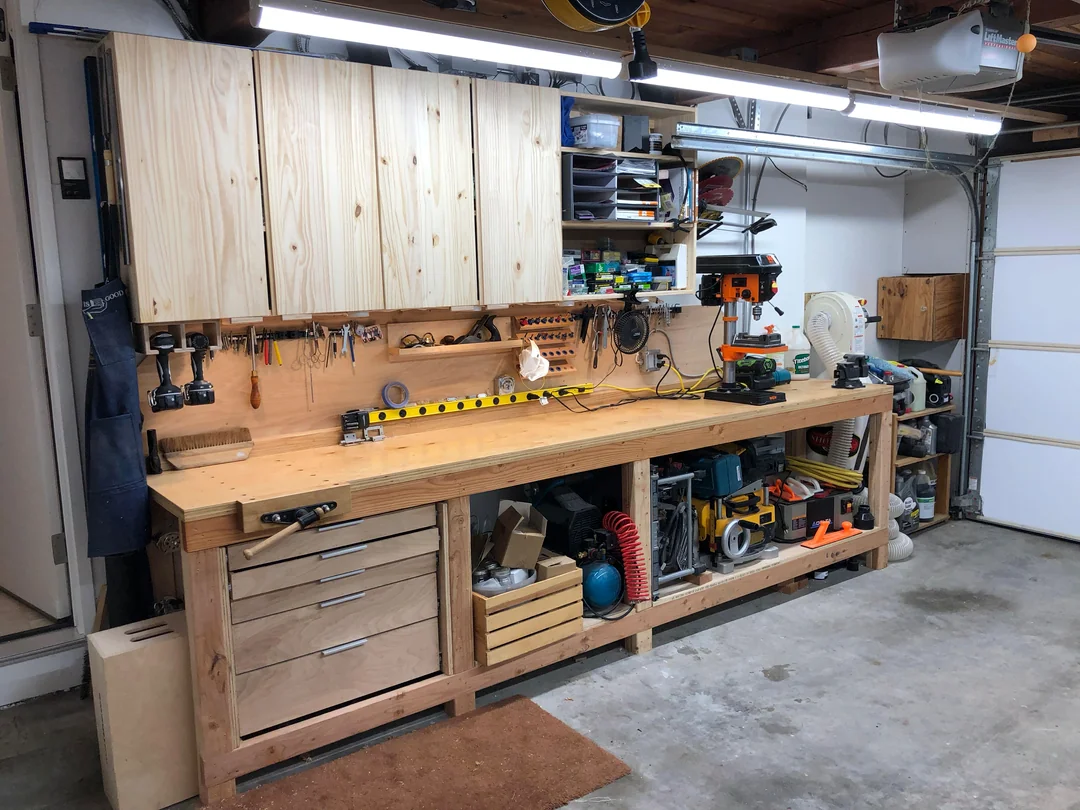
Your workbench is the center of your workshop. It should match the type of work you do most. The height matters more than people think. If it is too low, your back hurts. If it is too high, your arms get tired.
A solid surface is key. It should not shake or bend. Add a vise or clamps if you work with wood or metal. Keep basic tools within arm’s reach so you don’t stop your work to look for them.
A good bench does not need to look perfect. It needs to feel right when you use it.
Wall Storage System Workshop Idea
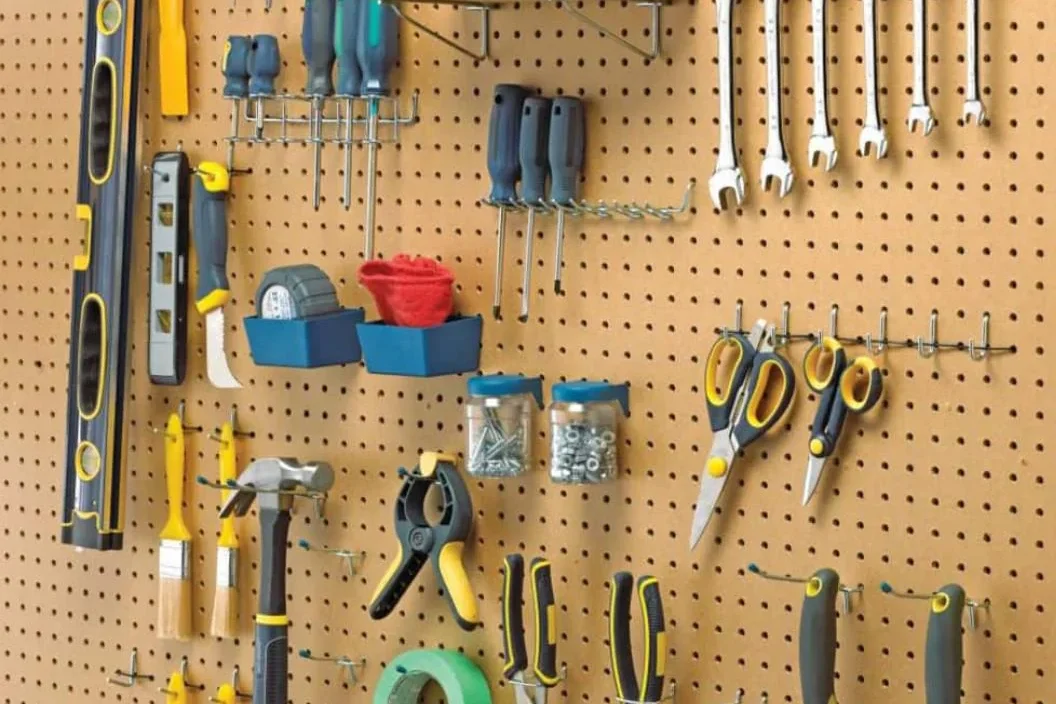
Walls are often wasted space. Use them to store tools in a way you can see and reach easily. When tools are visible, you work faster and keep things organized.
Install panels, hooks, or rails to hang tools. Group similar items together. For example, keep all cutting tools in one area and measuring tools in another.
This setup also makes cleanup simple. You know where each tool belongs, so putting things back becomes a habit.
Mobile Storage for Flexible Work
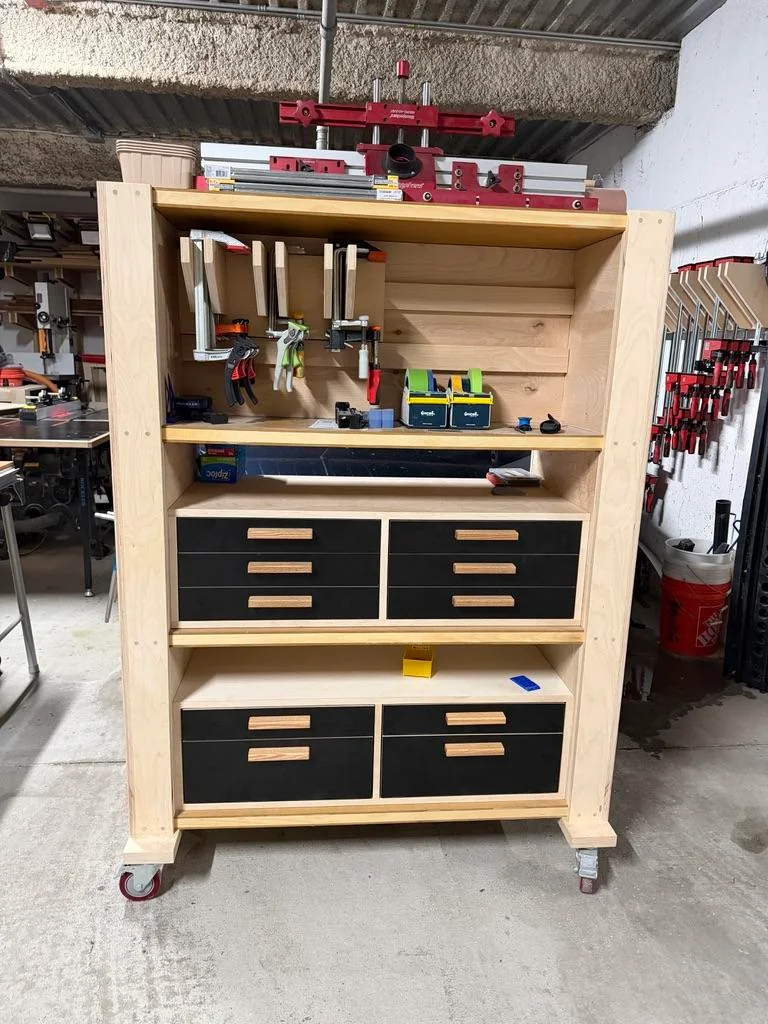
Not every tool needs a fixed spot. Some are used in different parts of the workshop. Mobile storage helps with this.
Use rolling carts or small cabinets on wheels. You can move them where you need them and push them away when not in use. This keeps your main area clear.
Mobile units also help in small spaces. They allow you to change your setup based on the task.
Proper Lighting Design Workshop Idea
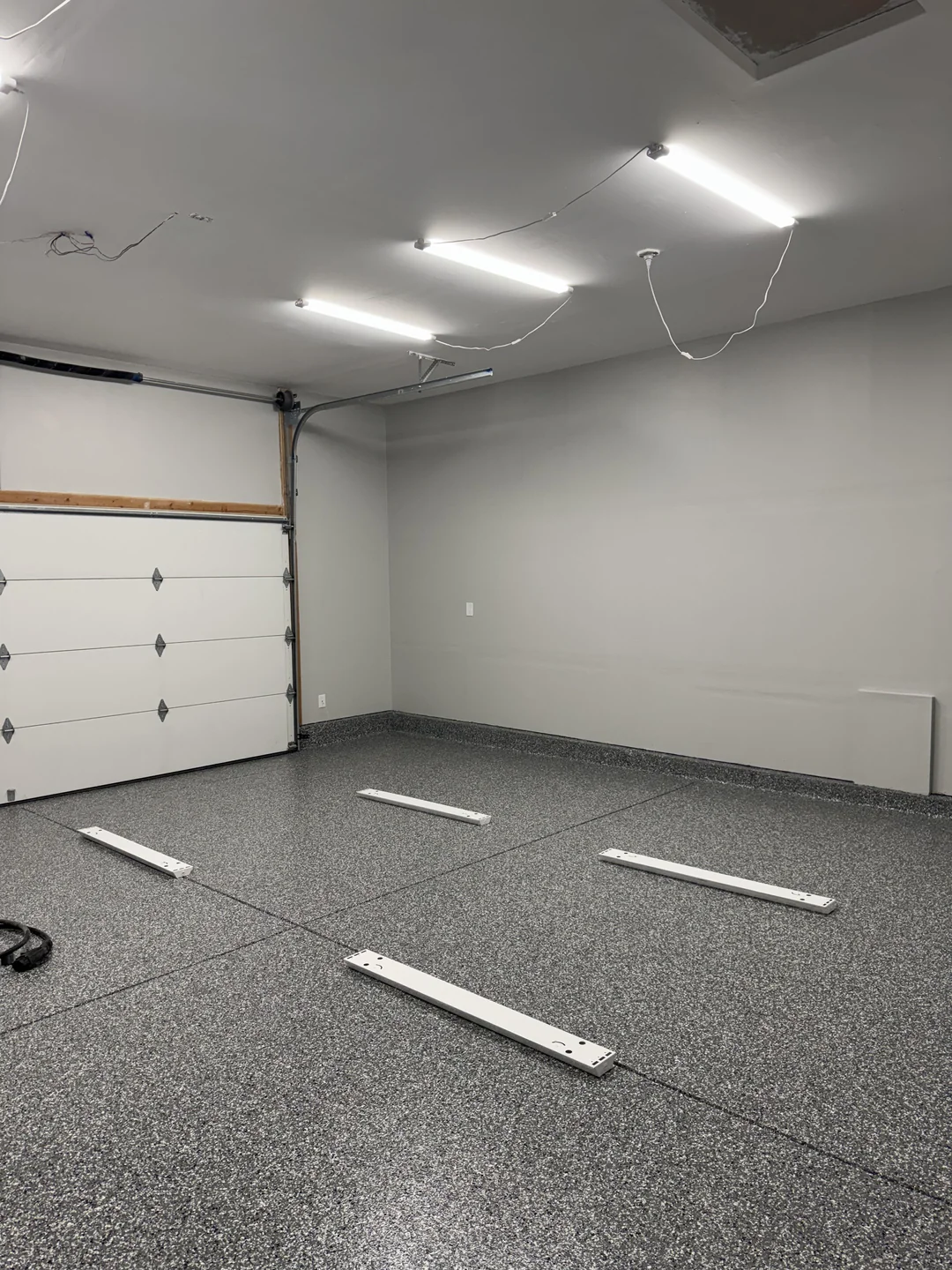
Lighting affects how well you work. Poor light leads to errors and eye strain. A workshop needs both general light and focused light.
Overhead lights should cover the whole space. Then add task lighting for areas like your workbench or cutting station. Place lights so they do not cast shadows on your work.
Natural light is helpful during the day, but do not rely on it alone. A well-lit workshop keeps your work clean and accurate.
Power Outlet Planning for Efficiency
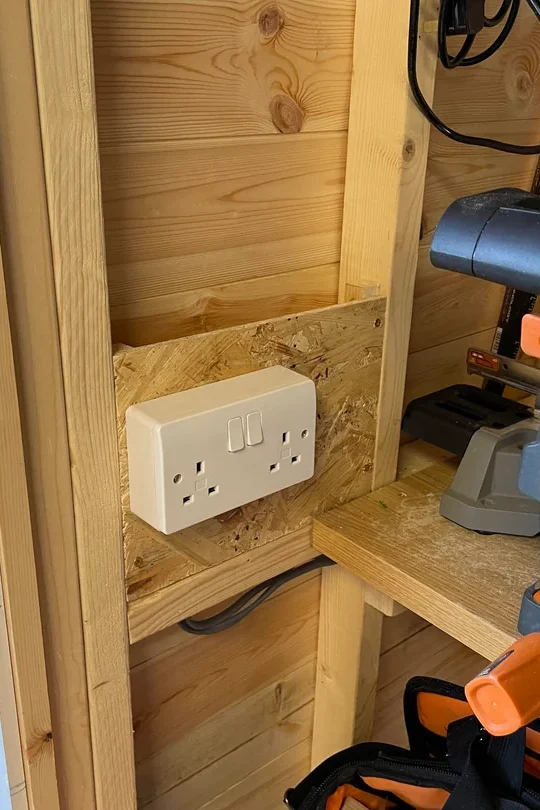
Running extension cords across the floor is not safe or practical. Plan your power points early.
Install outlets near work areas. If possible, add them at bench height so you can plug tools in easily. This reduces clutter and makes your setup safer.
Think about future needs as well. It is easier to add extra outlets now than later.
Dust Control and Clean Air Workshop Idea
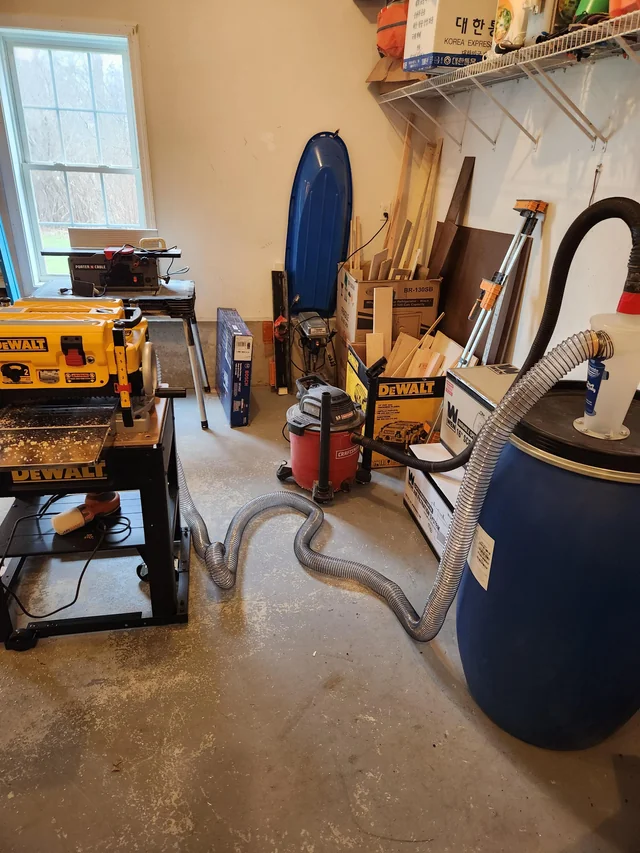
Dust builds up fast, especially in woodwork. It affects your health and your tools. A clean air system is not a luxury. It is part of a smart workshop.
Use a dust collector or a simple vacuum system connected to your tools. Sweep and clean often. Keep airflow moving with a fan or vent.
When your air is clean, you work longer without discomfort. It also keeps your space looking and feeling better.
Zoning Your Workshop for Better Flow
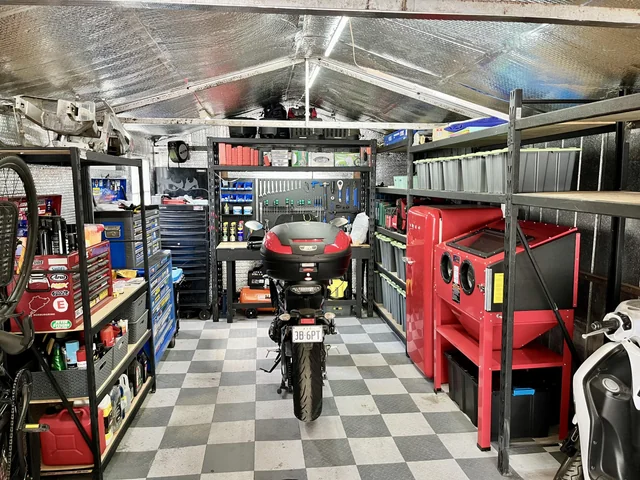
Divide your workshop into zones based on tasks. One area for cutting, one for assembly, one for storage.
This setup keeps your work organized. You know where to go for each step. It also reduces mess spreading across the whole space.
Even in a small workshop, simple zones can be created using tables, shelves, or floor space. Clear zones lead to clear thinking.
Vertical Space Utilization Workshop Idea
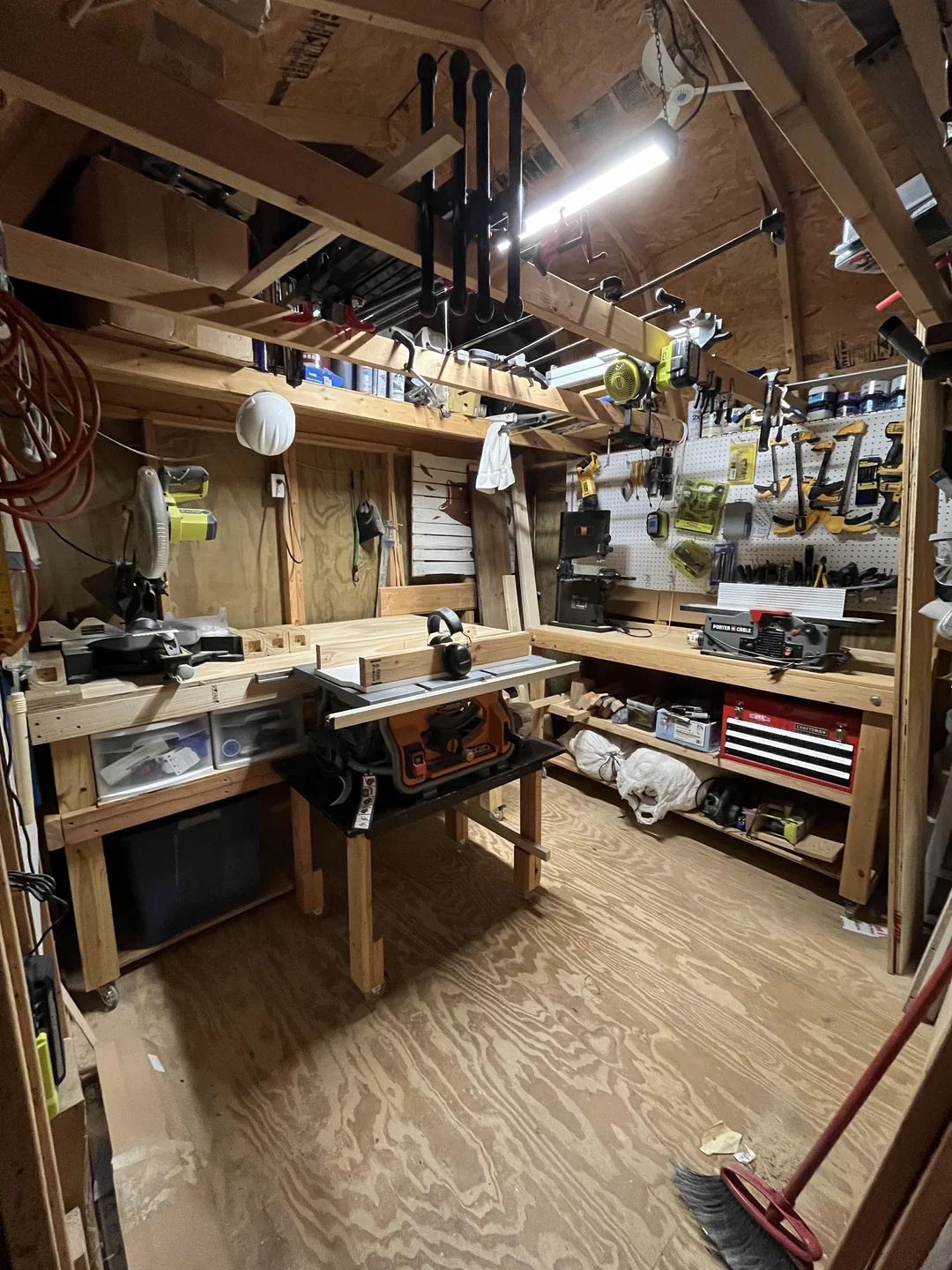
Many workshops run out of space because they only use the floor. Look up. Vertical space can hold a lot.
Install high shelves for items you don’t use daily. Hang long tools like ladders or pipes on wall racks. This frees up your main work area.
Using height wisely keeps your workshop open and easier to move in.
Safe Flooring Choice Workshop Idea
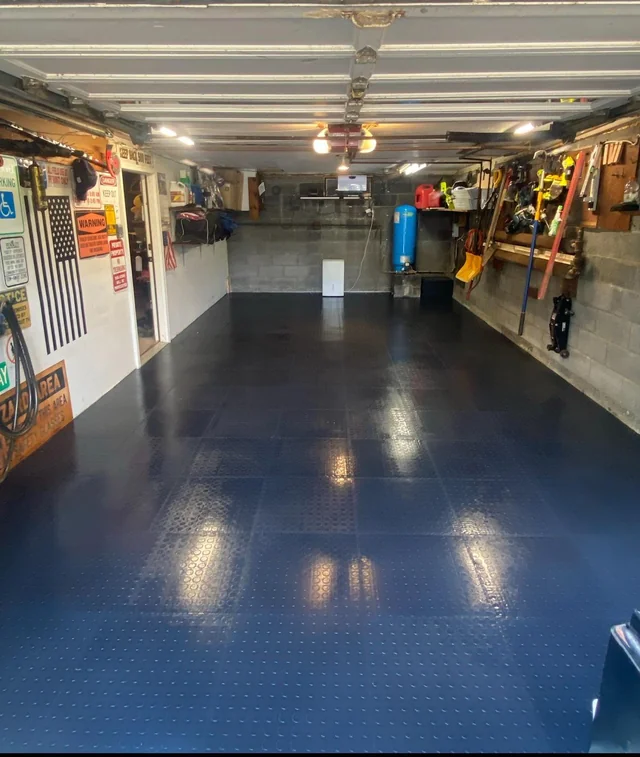
The floor in a workshop takes a lot of stress. It should be strong, easy to clean, and safe to walk on.
Avoid surfaces that become slippery. Add mats in areas where you stand for long periods. This reduces strain on your legs and back.
A good floor also protects tools when they fall. Hard concrete can damage items, so a bit of cushioning helps.
Tool Organization System That Stays Simple
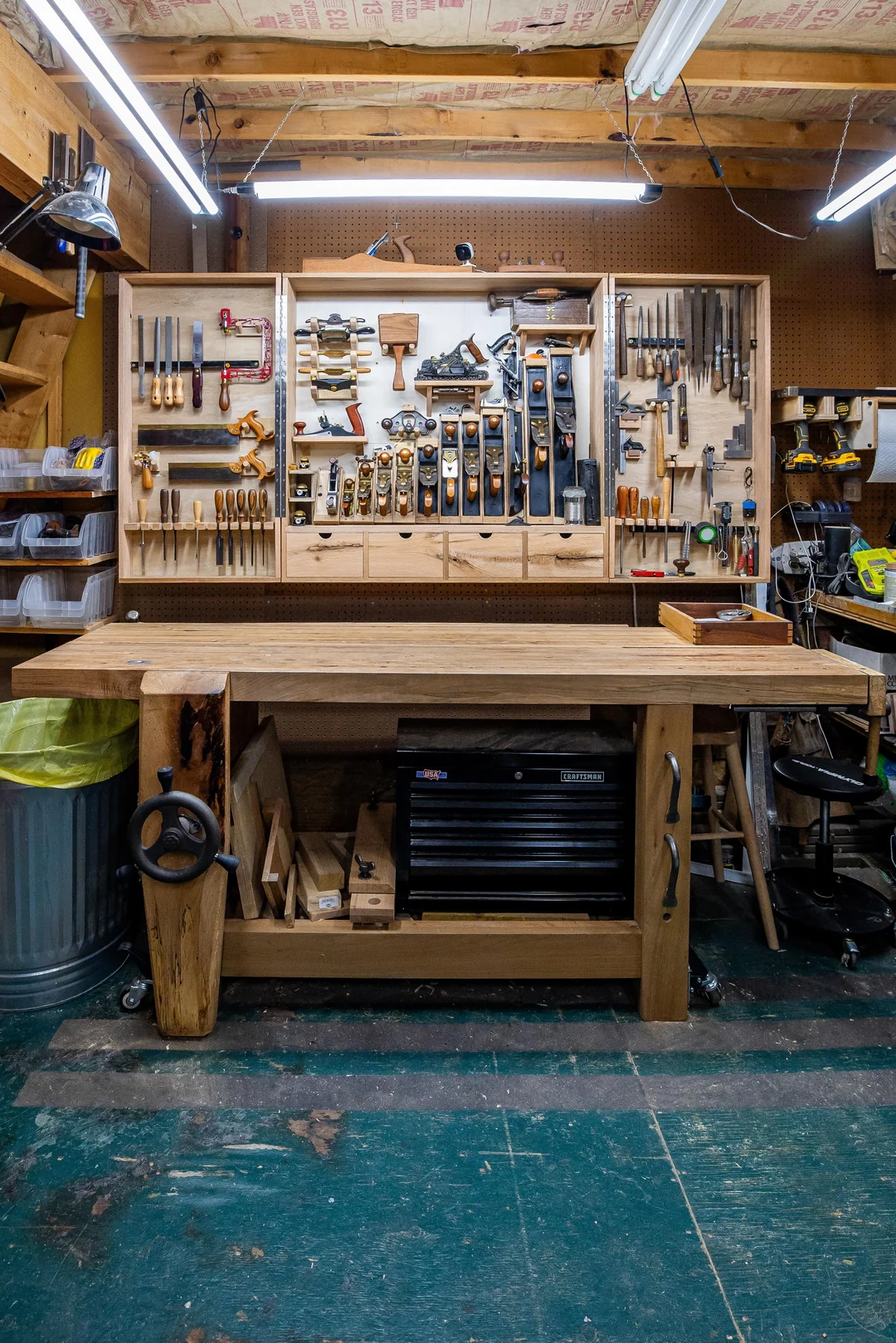
A complex system does not last. Keep your tool setup simple so you can maintain it.
Store tools based on how often you use them. Daily tools should be close. Rare tools can go in cabinets or boxes.
Labeling can help, but the best system is one you remember without thinking. When your tools are easy to find, your work stays smooth.
Quiet and Focused Workspace Design Idea
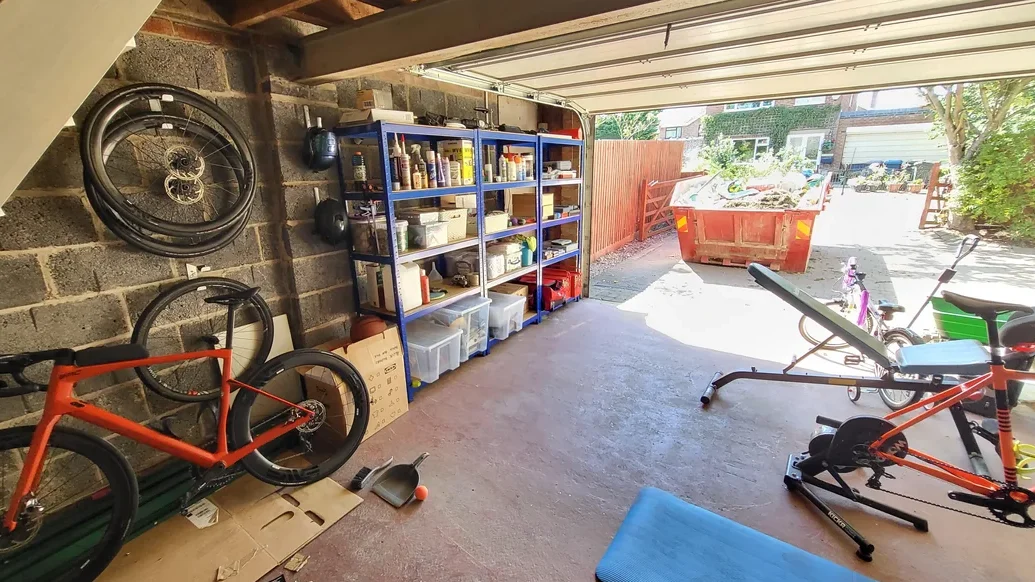
Noise can break your focus. While some tools are loud, you can still design your space to reduce extra noise.
Add soft materials like rubber mats or wall panels to absorb sound. Keep the workshop away from busy areas if possible.
A quieter space helps you think clearly and work with care.
Multi-Purpose Work Area Workshop Idea
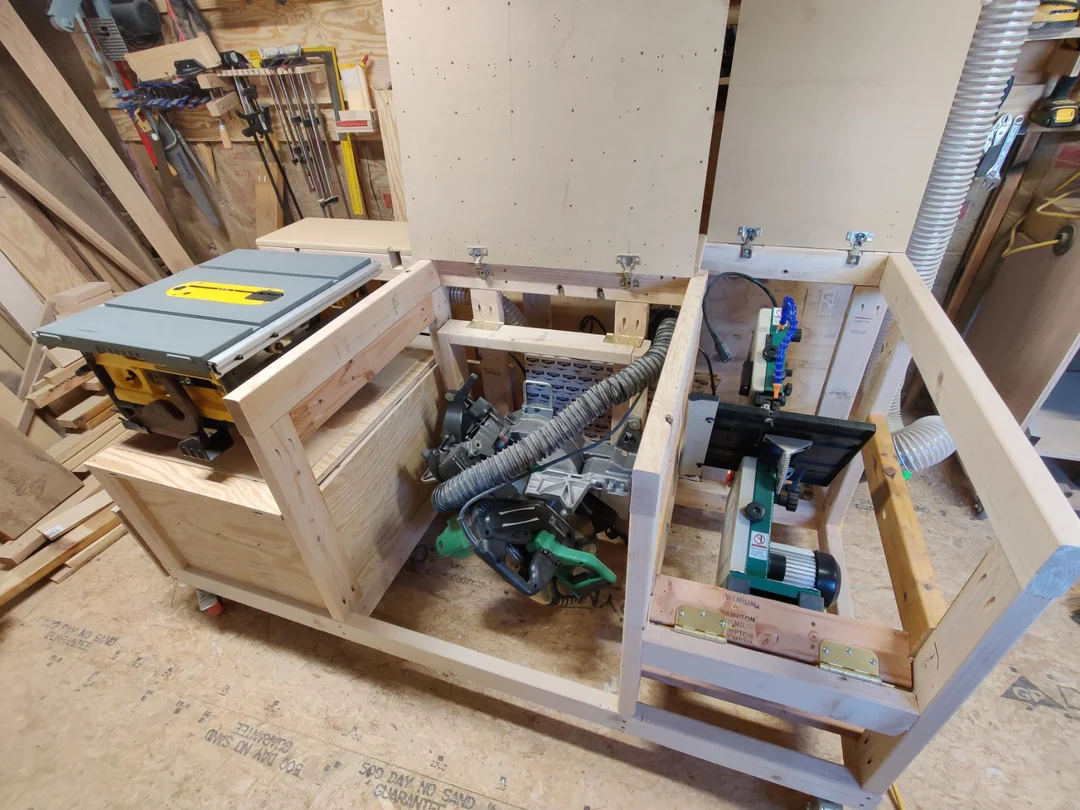
Not everyone has space for separate stations. A multi-use area can solve this.
Use a table that can handle different tasks. Add removable tools or attachments. This lets you switch between work types without needing more space.
The key is quick change. You should be able to move from one task to another without delay.
Personal Comfort and Ergonomics Workshop Idea
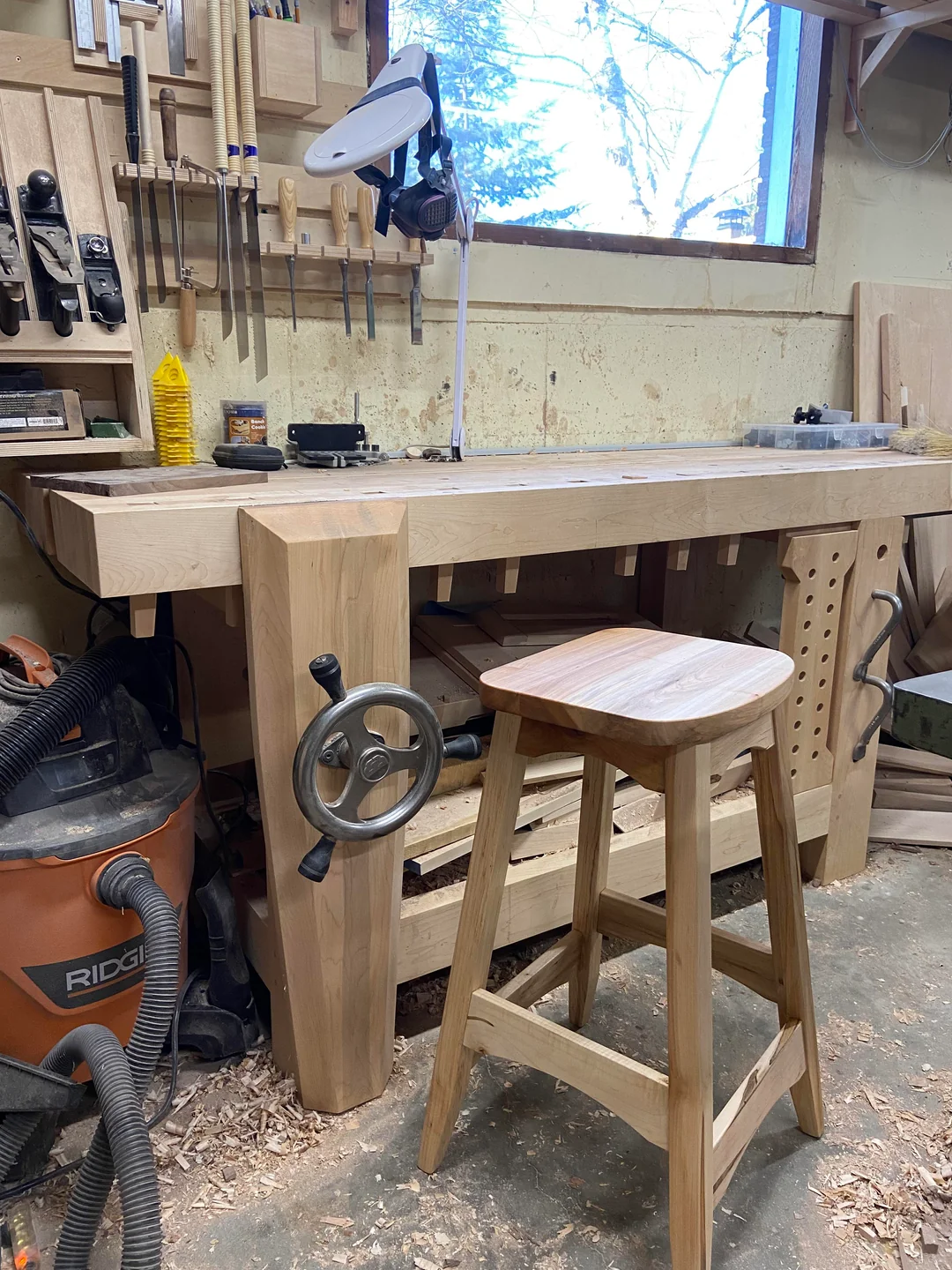
Comfort is often ignored, but it affects how long and how well you work.
Adjust your bench height, use proper seating if needed, and keep tools within reach. Take care of your posture.
Good design supports your body. When you feel less strain, you work better and avoid long-term issues.
Clean and Reset Routine Workshop Idea
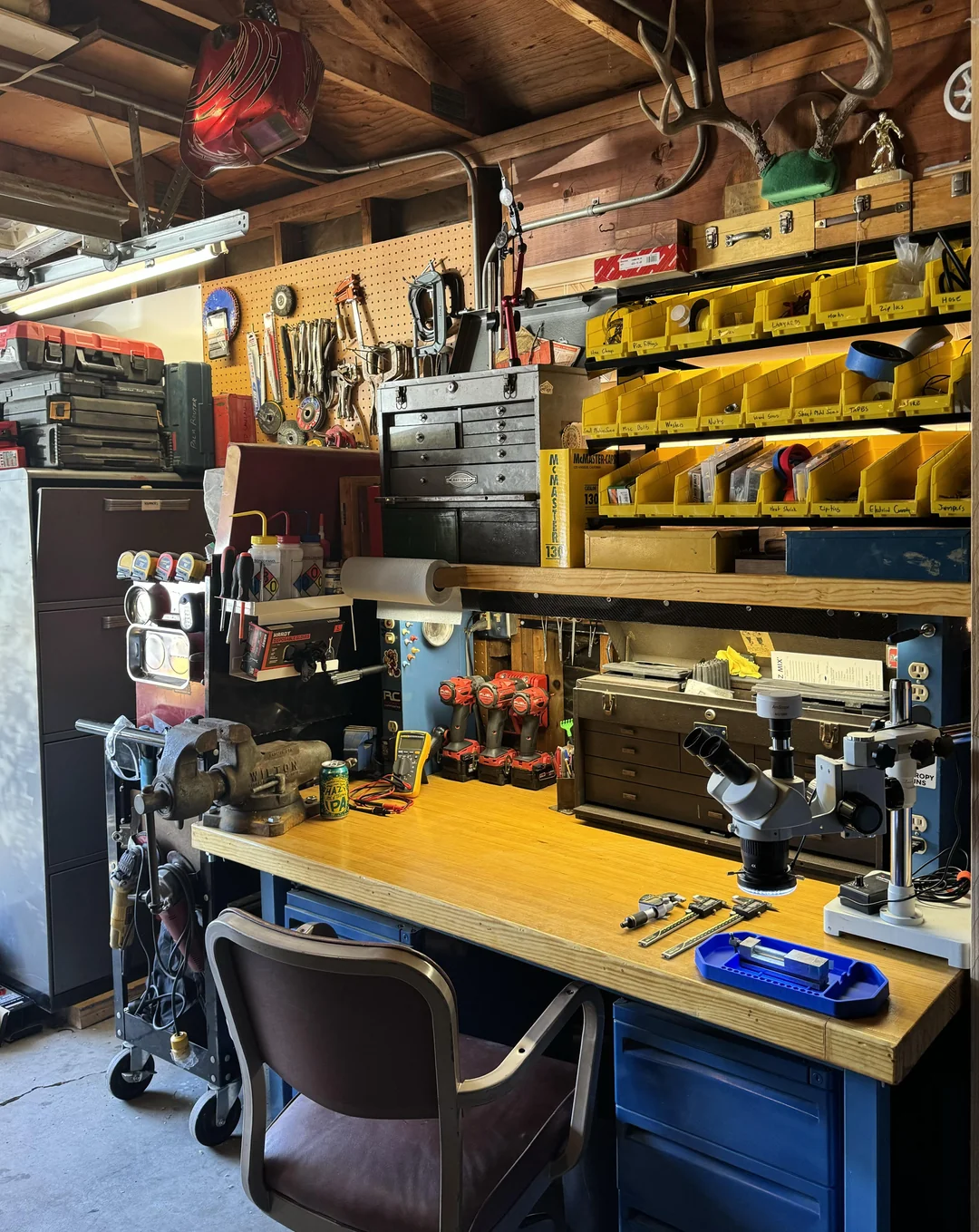
A workshop stays useful only if it stays clean. Build a habit of resetting your space after each session.
Put tools back, clear surfaces, and remove waste. This prepares your workshop for the next task.
A clean space saves time and keeps your mind clear. It also helps you notice problems early.
Final Thoughts
A smart workshop is not about having more tools. It is about using your space in a way that supports your work. Start with small changes. Adjust as you go.
Over time, your workshop will become a place where work feels natural. You will spend less time fixing your setup and more time creating. That is the real goal of good design.

Fatima Khalid
BukayHome shares practical home decorating ideas, room inspiration, and simple styling tips to help readers create a home they truly love.