16 Small Home Renovation Ideas for a Better Layout
16 Small Home Renovation Ideas for a Better Layout
A small home can feel much better without getting bigger. That is the good news. You do not always need a full rebuild. You do not always need to add a room. In many homes, the real problem is not size. The real problem is layout.
A bad layout makes everyday life difficult. It makes you walk around furniture that shouldn’t be there. It makes doors bump into other doors. It makes the kitchen feel cramped. It makes it hard to reach storage. It turns simple tasks into little hassles that happen all day long.
A better layout does the opposite. It helps the home feel open, easy, and calm. It gives each area a clear function. It helps light move through space. It also helps people move through space. That’s what a good renovation should do.
These small home renovation ideas are not about chasing trends. They are about making home work better in real life. If your house feels tight, awkward, or harder to use than it should, these ideas can help you see what to change.
Open one problem wall, not every wall
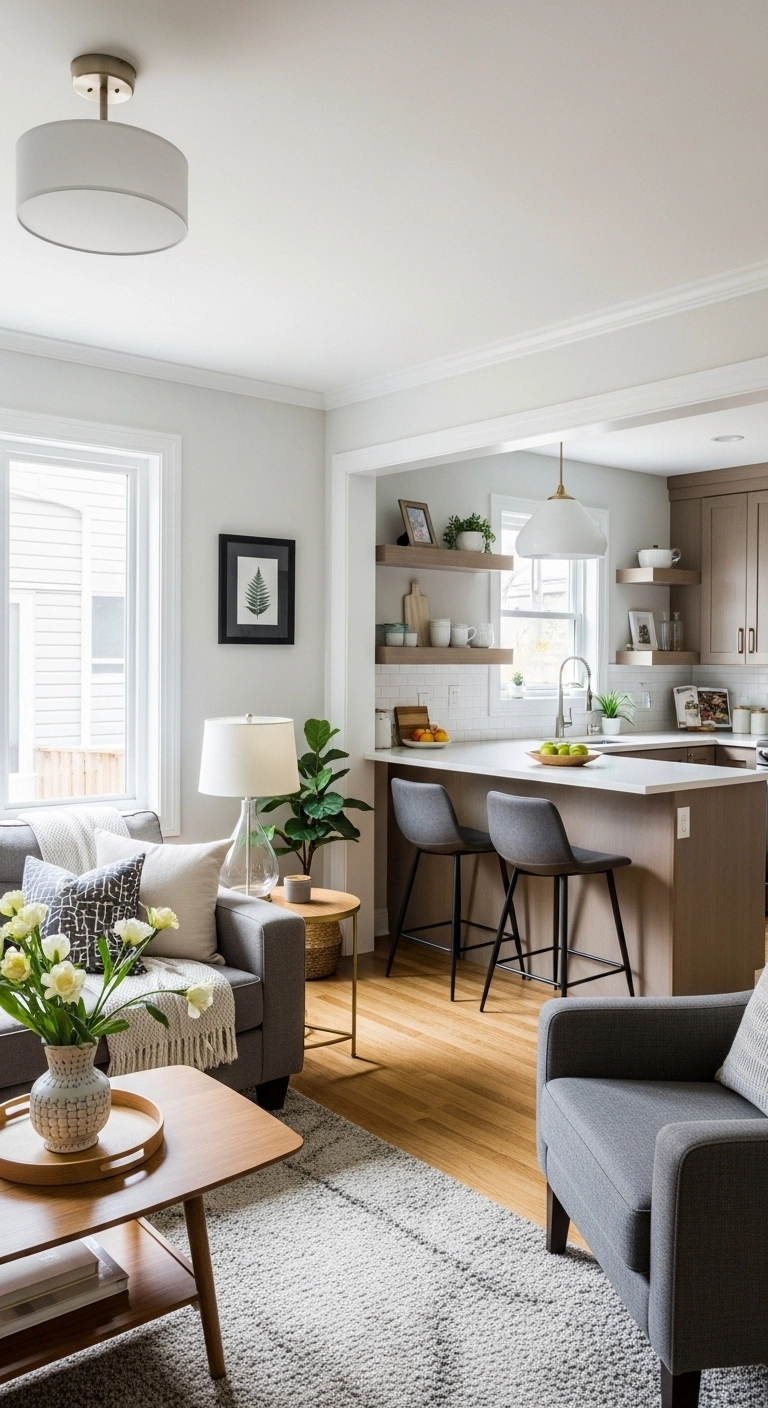
Many small homes have one wall that causes most of the trouble. It blocks light, cuts off the room, or forces furniture into bad spots. That is often the wall worth changing first.
You don’t have to remove every wall to achieve a better layout. In fact, it can make a small home feel too open and less functional. A wide opening between the kitchen and living room, or a cut-through between the dining area and the hall, can be enough. The goal is not to obliterate the house. The goal is to prevent one wall from making the entire space feel smaller.
Fix door swings that waste good space
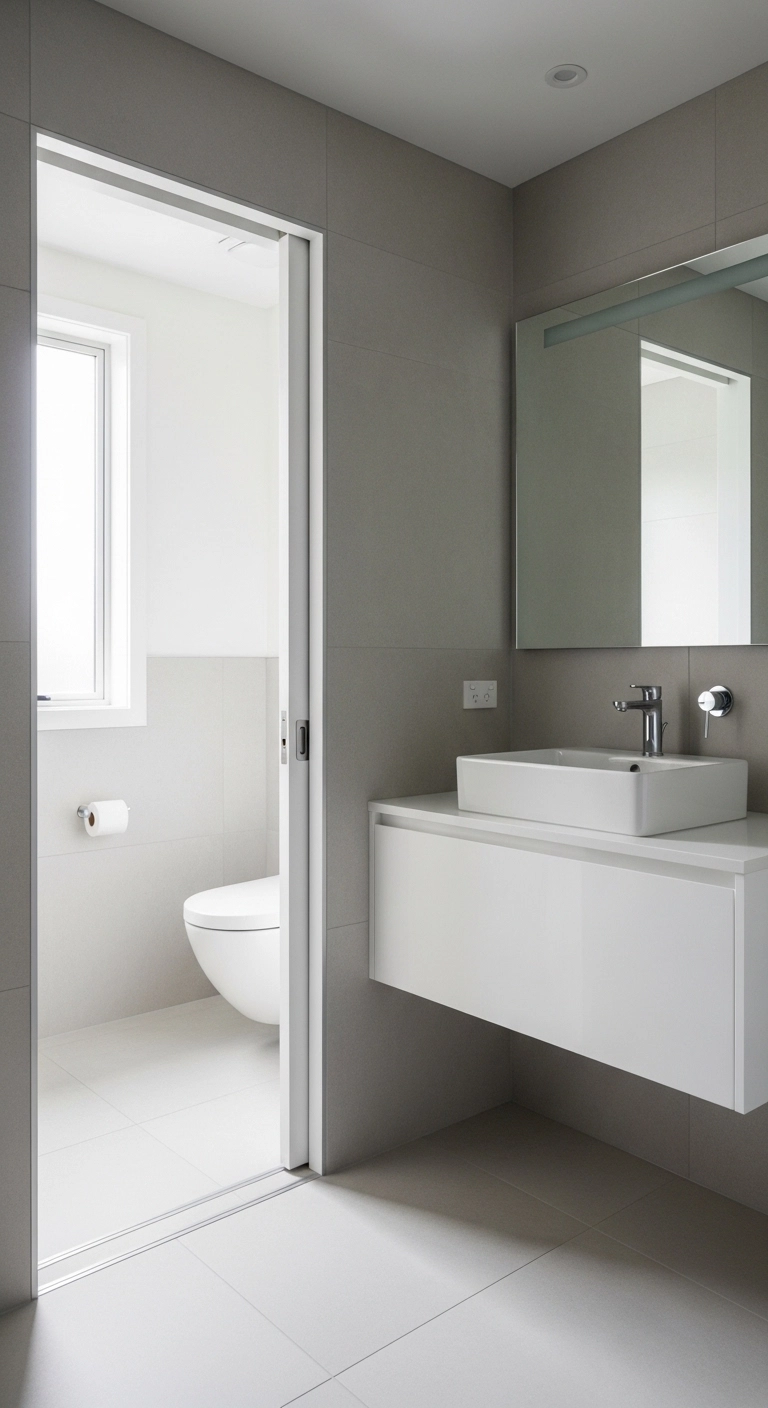
A door can take up more room than people think. In a small bathroom, pantry, bedroom, or laundry area, the door swing may block storage, furniture, or your walking path. That is layout space being wasted every day.
Changing a door can make a big difference. A pocket door, barn-style slider, or even better, a hinged door can free up wall space and floor space at the same time. Once the door stops fighting with the room, you can suddenly have an easy way to move shelves, cabinets, or other items.
3. Build storage into dead corners
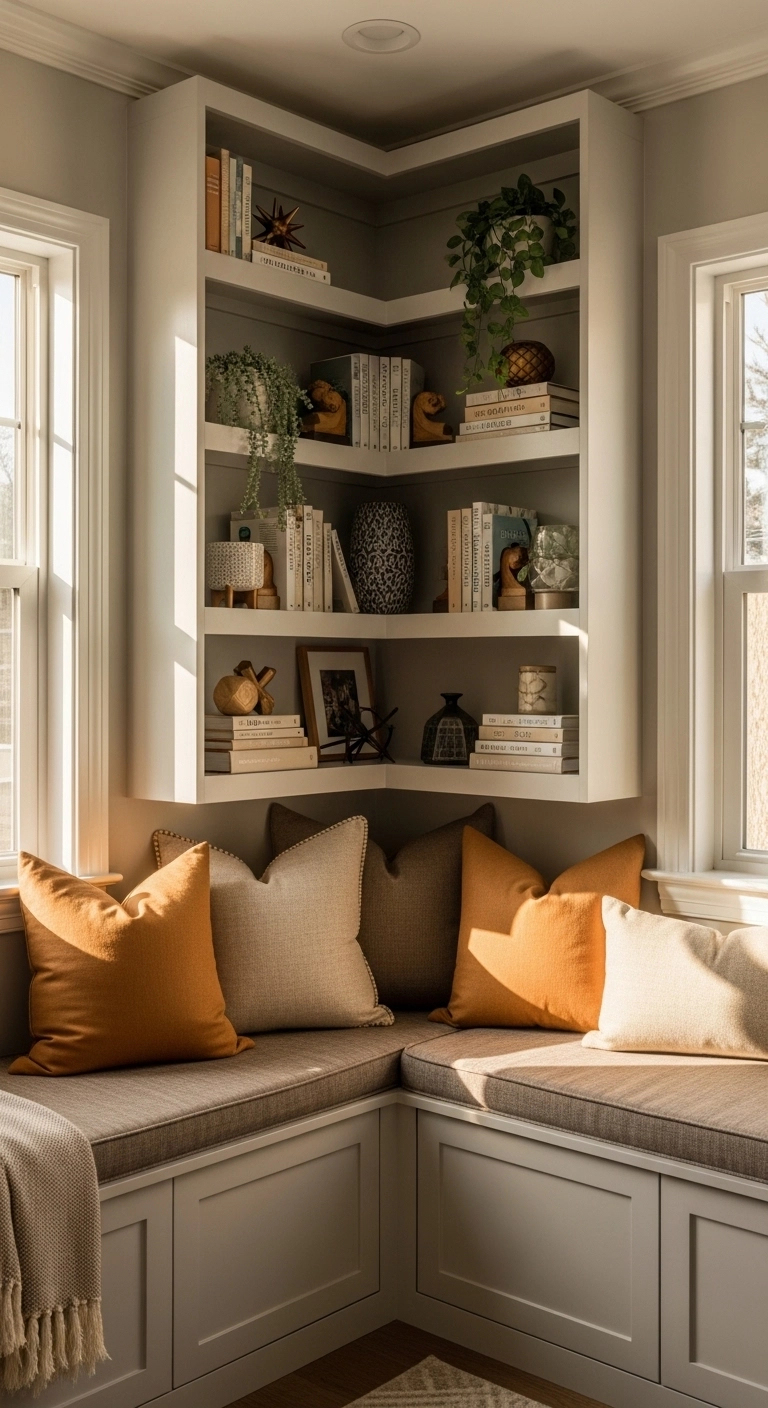
Small homes often have corners that do nothing. They are too small for a chair and too open to ignore. These spots can become some of the hardest-working parts of the house during a renovation.
A built-in bench, corner shelf, or custom cabinet can turn wasted space into useful storage. This works better than adding bulky furniture later because the storage runs along the back of the room rather than crowding it. A dead corner that becomes useful can help the entire layout feel better.
Make the entry do more work
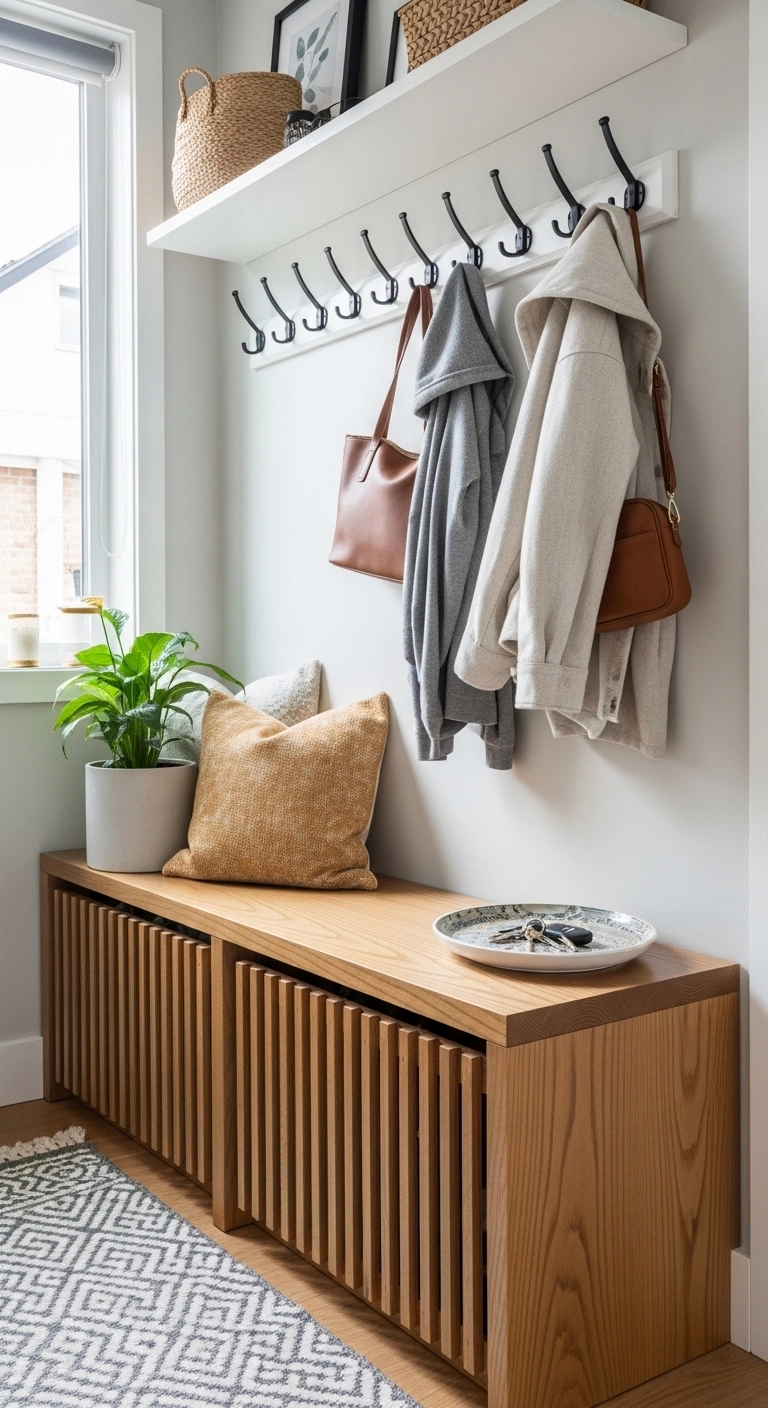
A lot of small homes open straight into the living room. That means shoes, bags, keys, and coats land wherever there is space. Very quickly, the front of the home starts to feel messy.
A better entry zone can fix that. Even a shallow built-in, a small bench, or a thin wall of hooks can help. If you’re renovating, think about giving the front door area a real purpose. When the entry takes care of the daily clutter, the rest of the house feels calm. This one change can improve the entire layout from the moment you walk in.
Extend kitchen cabinets to the ceiling
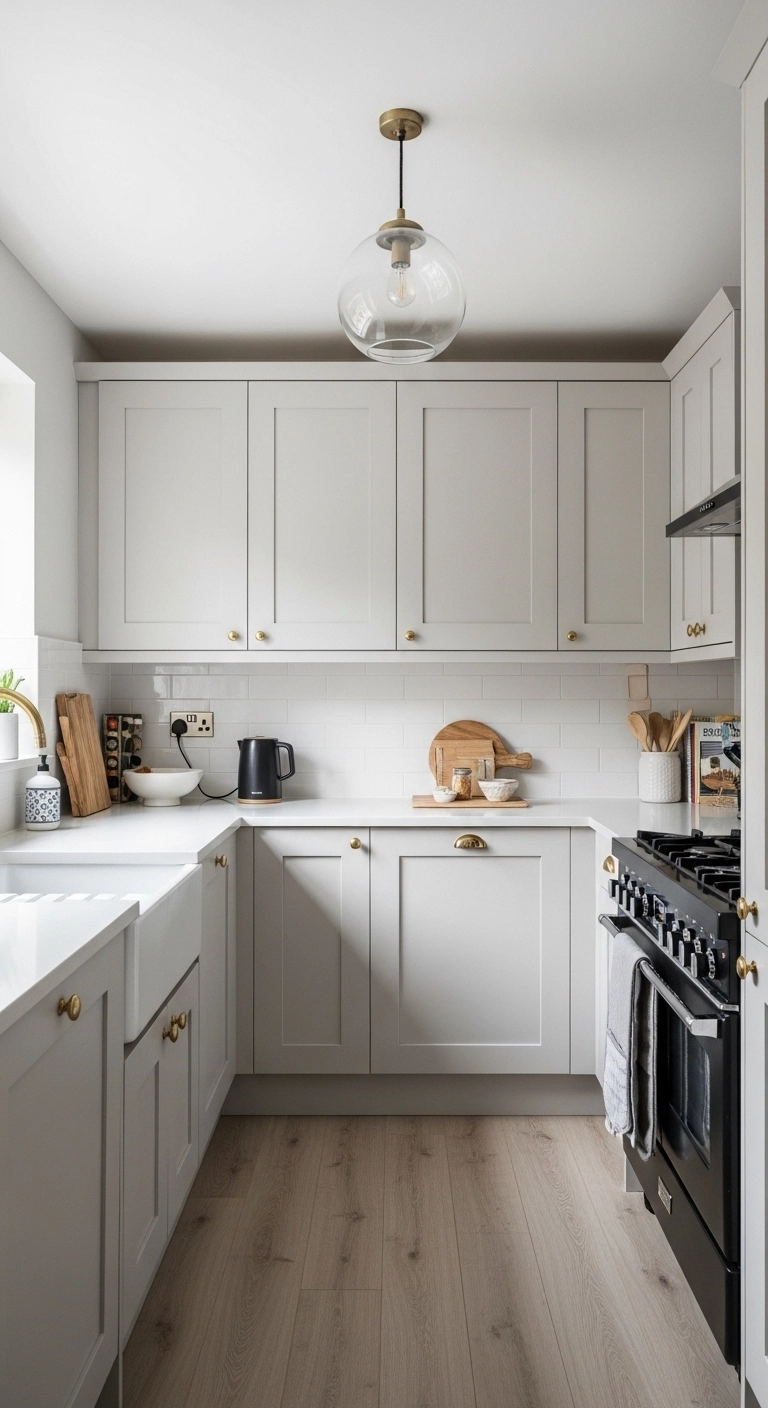
In a small home, the kitchen often runs out of storage first. That is why short upper cabinets can feel like a missed chance. If you are already renovating, taking cabinets all the way to the ceiling is one of the best ways to gain space without adding bulk.
This gives you room for less-used items, backup food, serving pieces, or small appliances that do not need to stay on the counter. It also helps the kitchen look taller and more finished. A better kitchen layout is not only about where things go. It is also about making sure the room can hold what you actually use.
Add a narrow island only if it helps flow
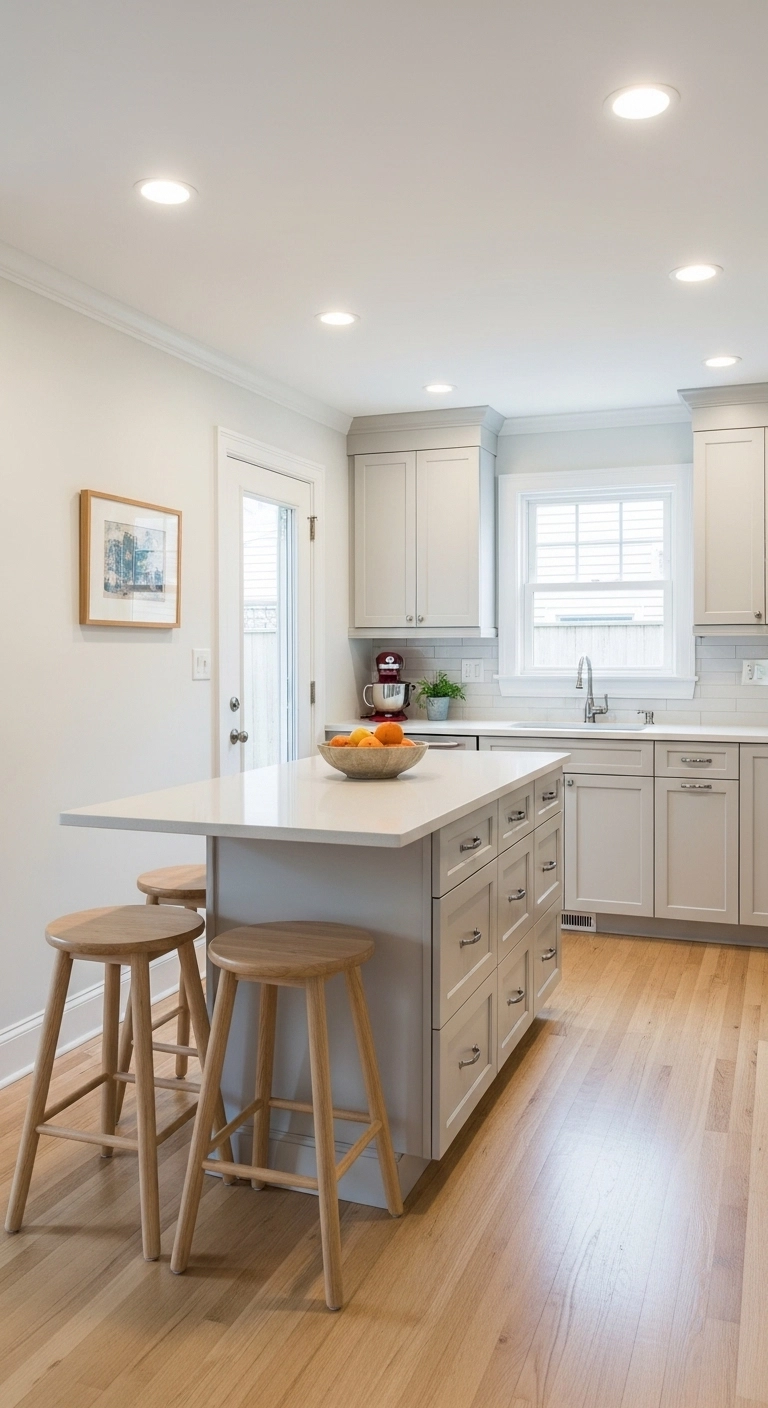
An island looks great in almost every kitchen. But in a small home, it only works if it helps with movement rather than hinders it. A bad island can make a room feel cluttered. A good one can make a room look so much better.
If there is enough room, a narrow island or slim peninsula can add storage, prep space, and even seating. But the walking path must still feel easy. You should not have to turn sideways to get through your own kitchen. In small homes, layout must come before wish lists. A slim, useful island is better than a large one that crowds the room.
Join the kitchen and dining area more clearly
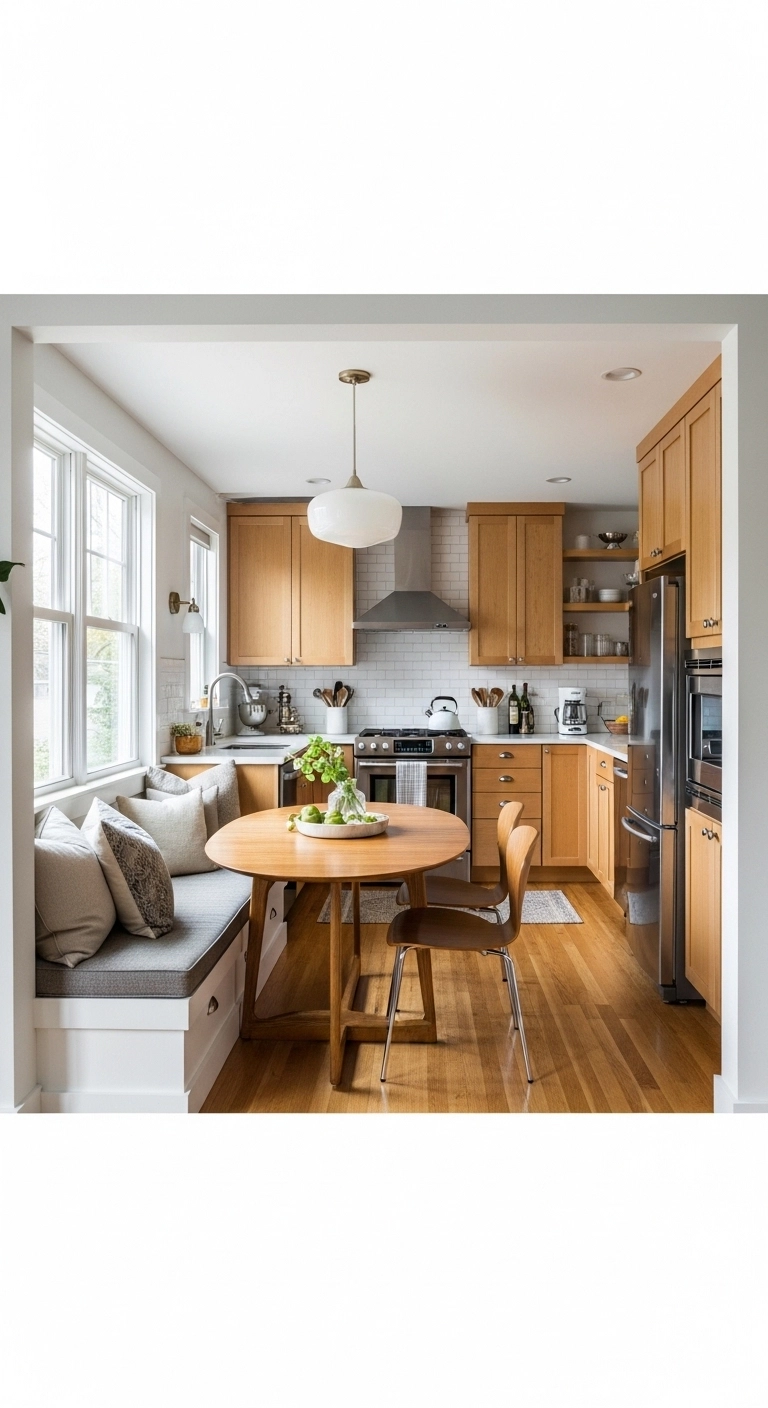
In many small homes, the kitchen and dining area sit close together but still feel disconnected. A narrow doorway, awkward wall, or poor cabinet line can make it difficult to use both spaces. Renovation can fix this by helping the two rooms function as one.
Sometimes that means widening an opening. Sometimes it means changing cabinetry so the dining area gets more breathing room. Sometimes it means adding a pass-through or built-in banquette. When the kitchen and dining area support each other, the layout becomes more natural. Meals, cleanup, and daily movement all get easier.
Use built-in seating where loose furniture clogs the room
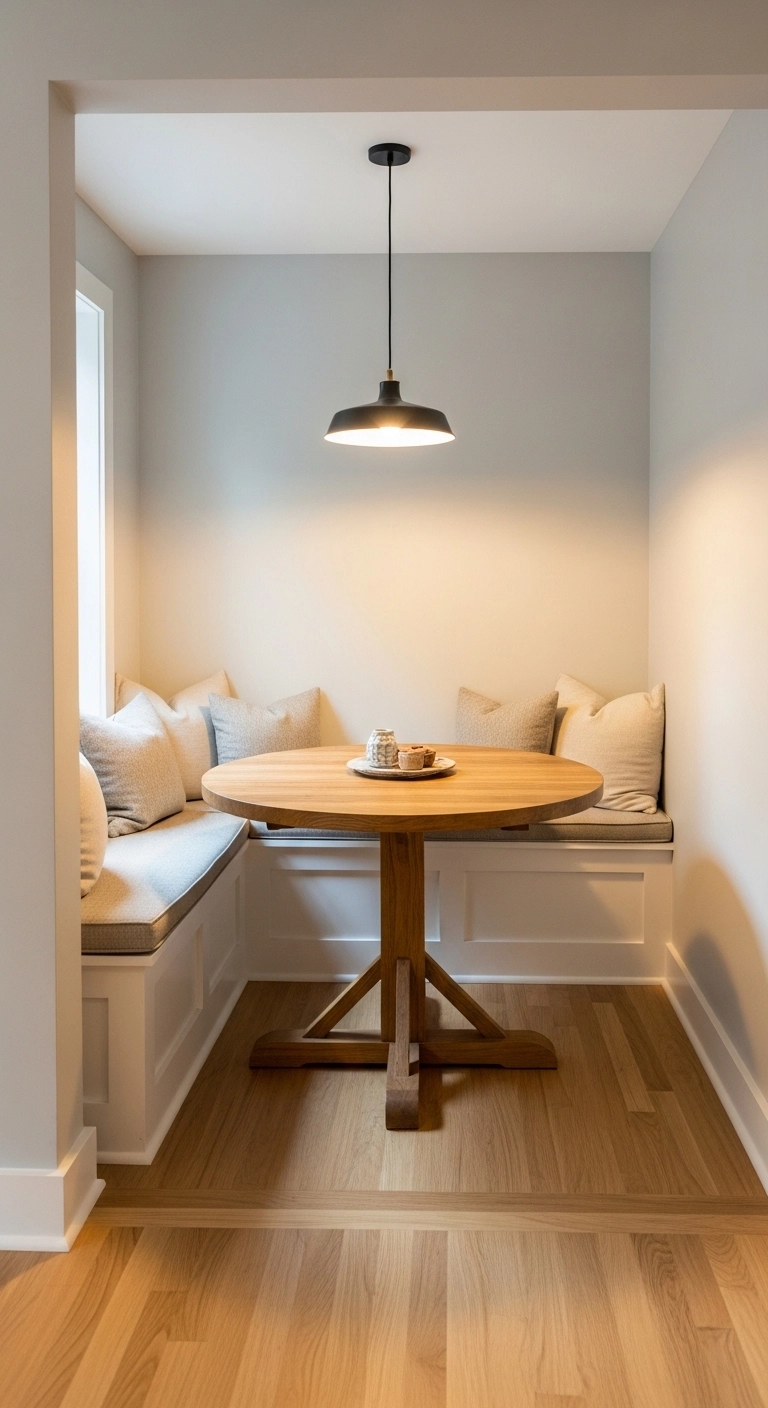
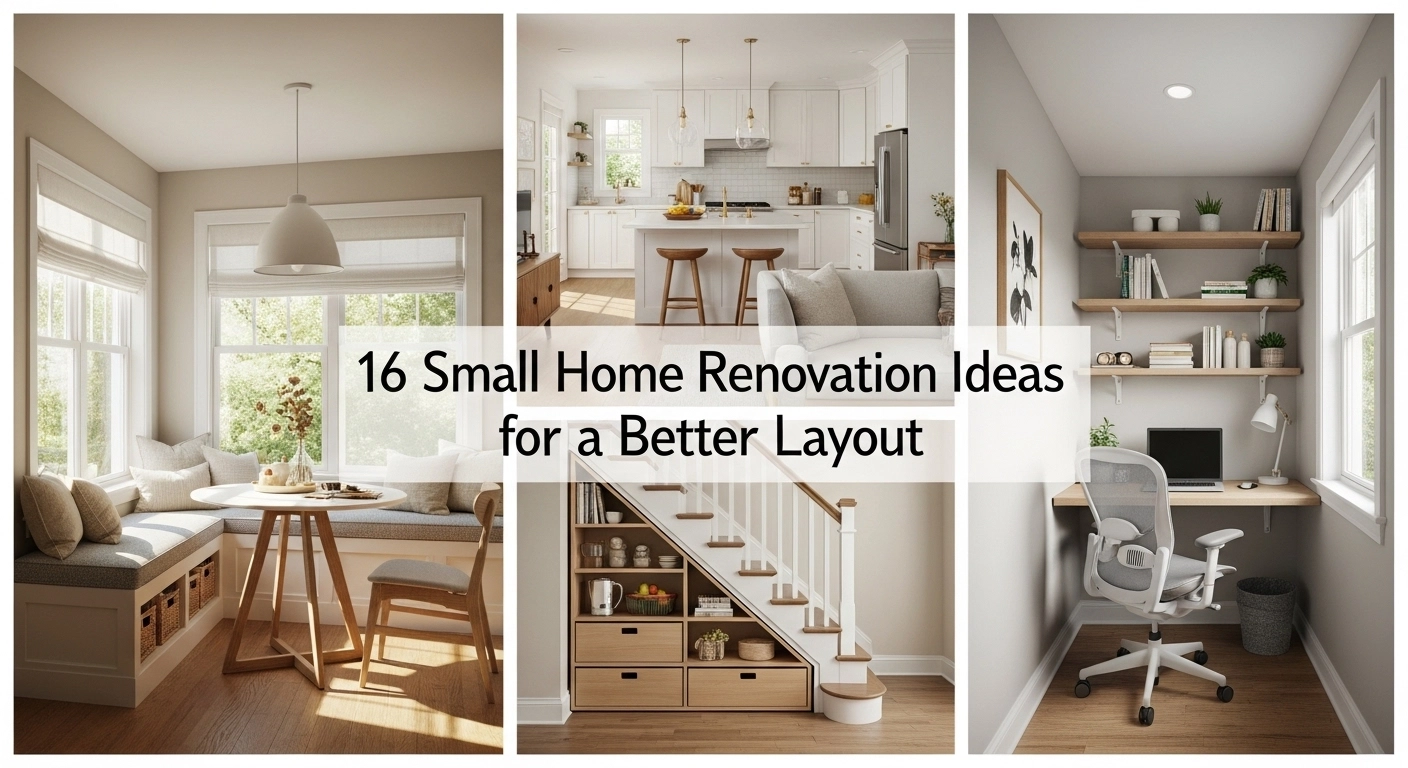
Loose chairs and extra side pieces can quickly make a small home feel crowded. Built-in seating can solve this. A bench under a window, a banquette in a dining nook, or a bench in an entry can give you seating and storage without breaking up the floor plan.
This works well because built-ins stay close to the wall. They do not float into the room the way freestanding furniture often does. That keeps the center of the space more open. In a small renovation, built-in seating can change the whole feel of a room because it gives you function without the usual clutter.
Widen small openings between connected rooms
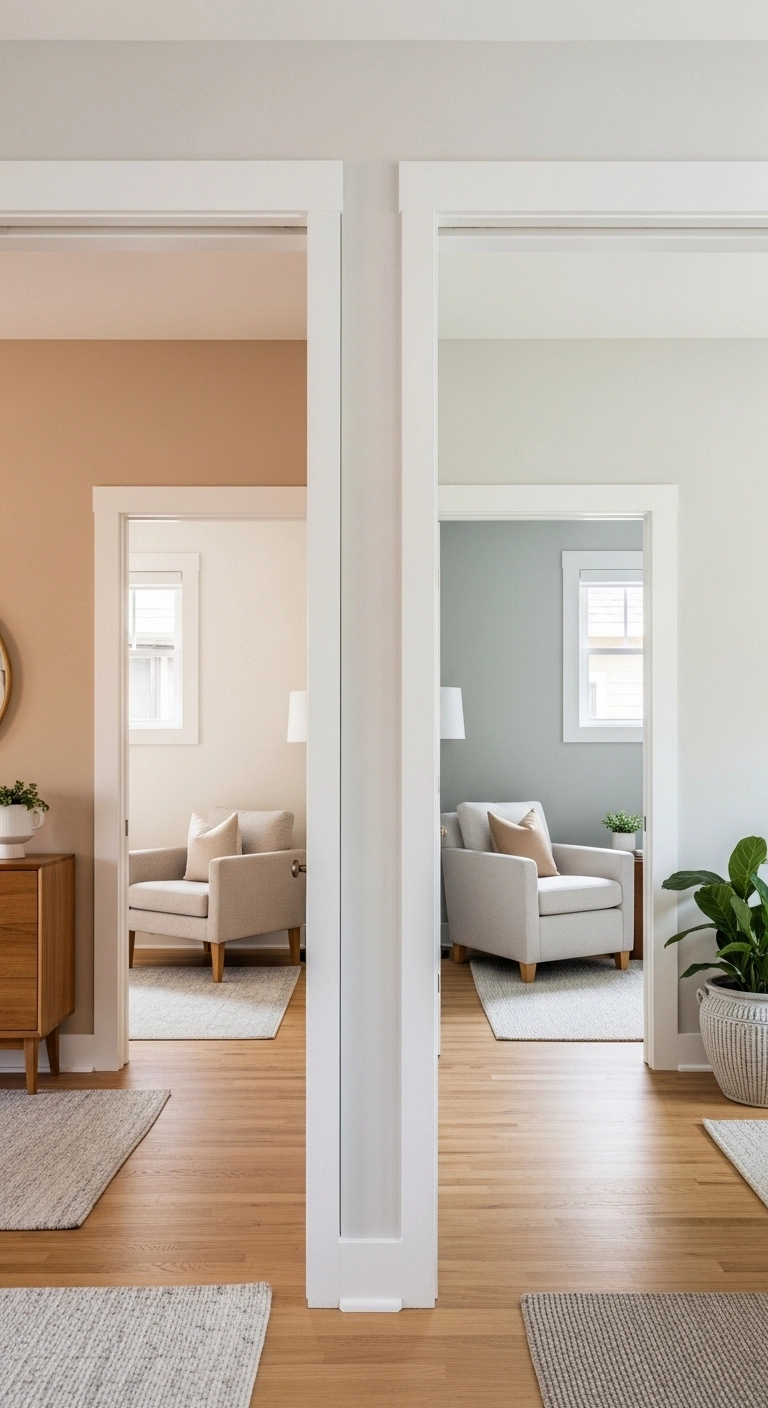
Some homes do not need fewer walls. They need better openings. A doorway that is too narrow can make two small rooms feel cut off from each other. It can also make furniture placement harder, because everything has to work around one tight passage.
Widening these openings can help a home feel more connected and more open without losing the structure of the room. Light travels farther. Sight lines are improved. The home begins to feel easier to read. This is especially helpful between living areas, kitchens, and hallways where there is movement throughout the day.
Shrink bulky built-ins that steal floor space
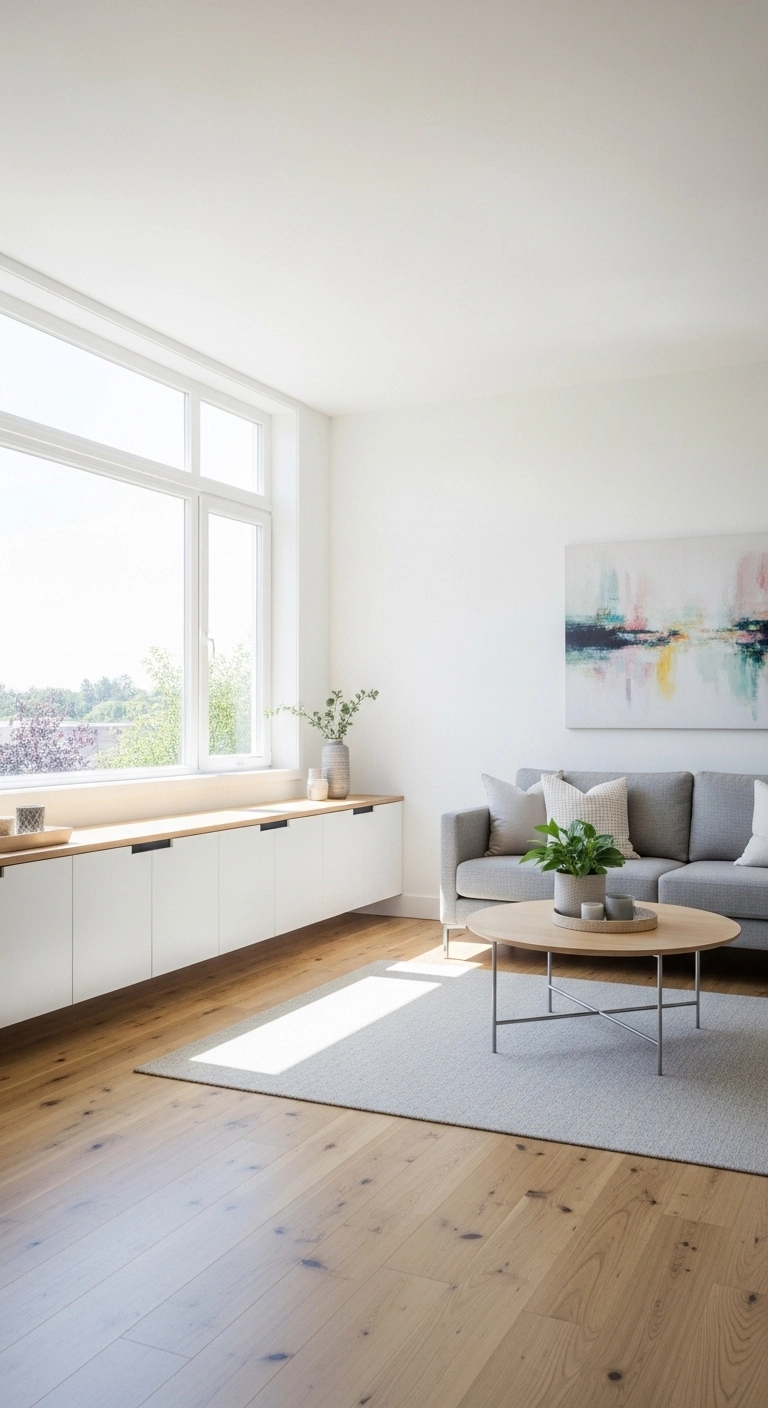
Not every built-in is good. Some older homes have heavy cabinets, thick fireplace walls, or deep closet builds that take up too much room. These features may have looked useful once, but now they can make the layout feel tight.
When renovating, it’s worth asking if those large pieces still deserve their place. A light cabinet, a clean media wall, or a simple storage plan can free up more space than expected. Even a few inches count in a small home. When a large structure is trimmed back, the entire room can suddenly feel easier to use.
Turn awkward nooks into useful zones
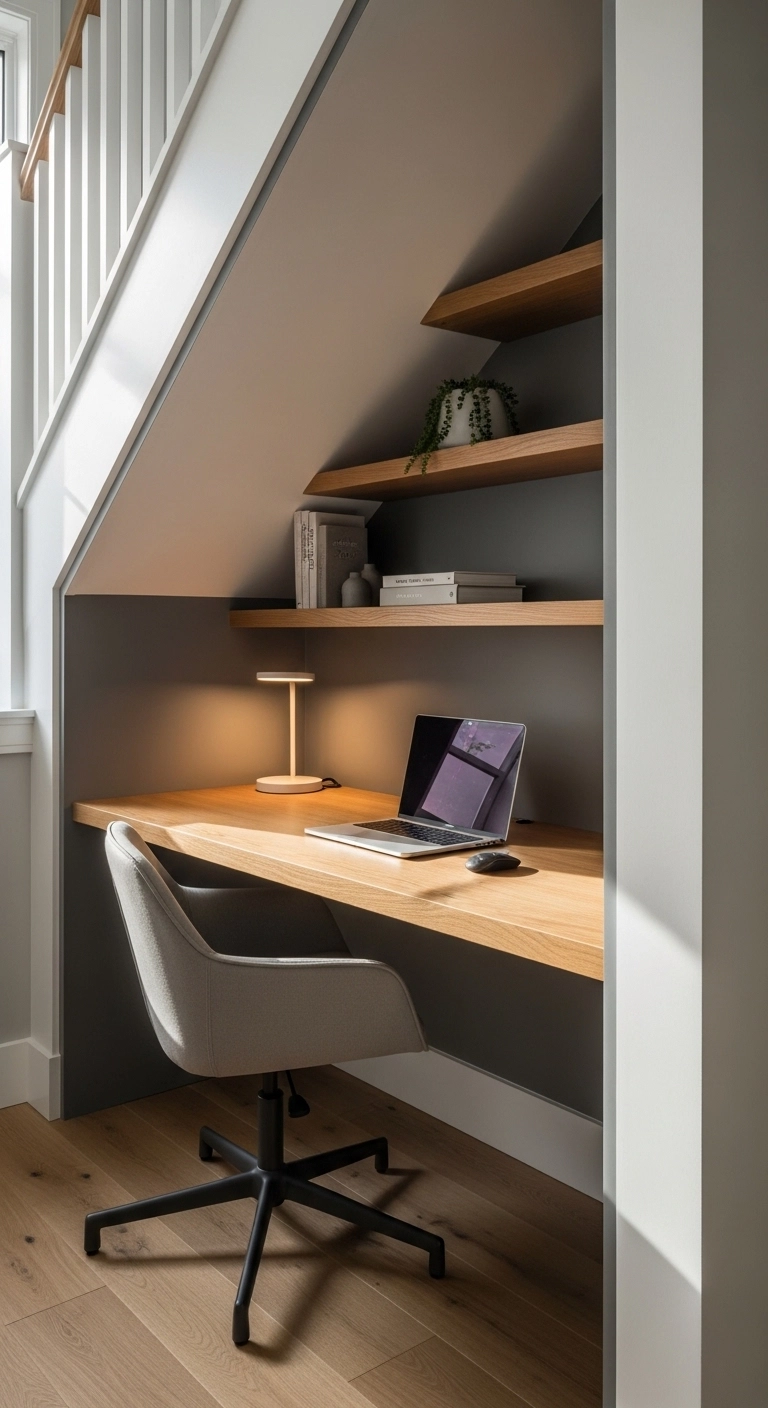
Small homes often have odd little spaces that do not seem big enough for anything. A corner under the stairs, a gap at the end of a hall, or a nook by a window may look useless at first. But these spaces can help the layout when they get a clear job.
A small table, reading bench, charging station, or linen storage wall can transform an awkward area into something useful. This is important because once those necessities are moved to their own area, the rest of the house feels more at ease. The dining table stays clear. There’s less clutter in the living room. Better organization often comes from making good use of awkward spaces.
Improve bathroom layout before buying pretty finishes
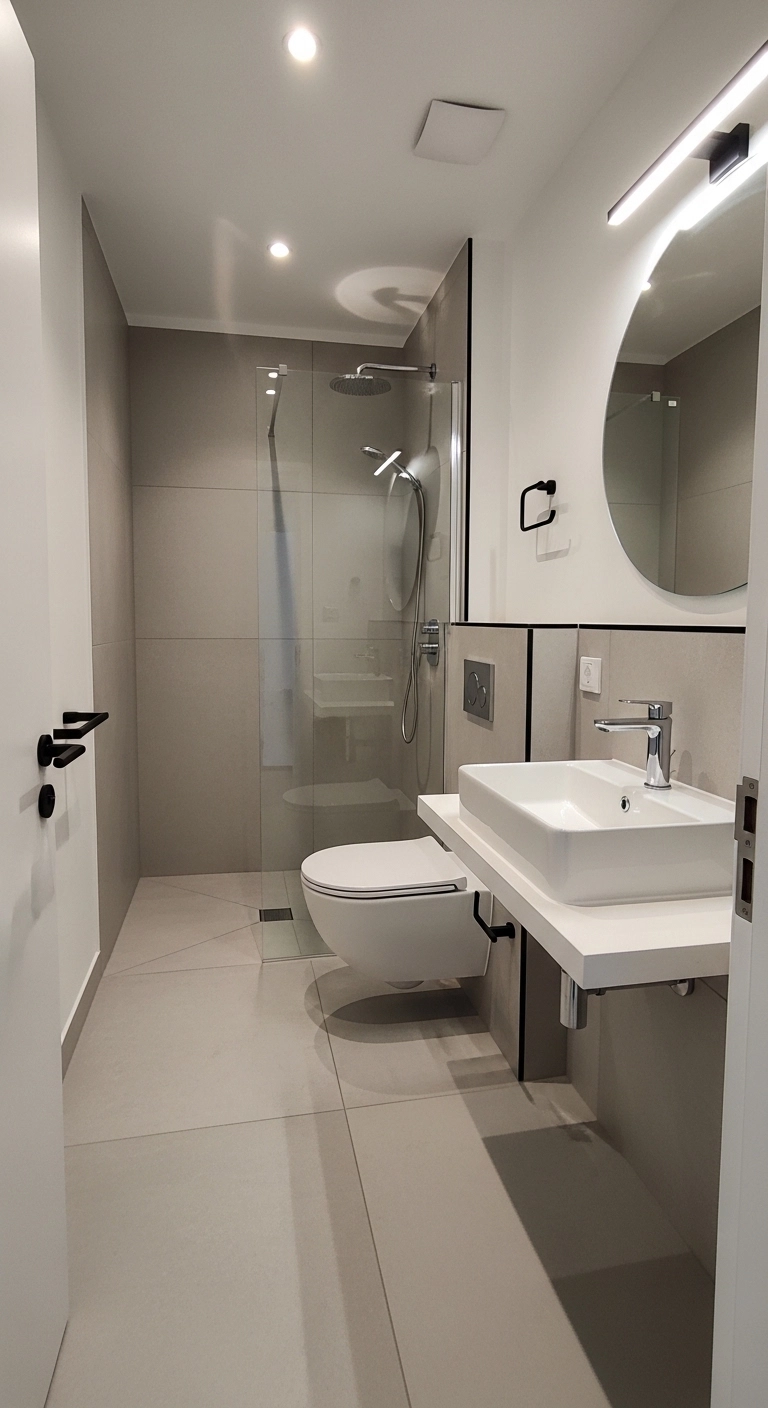
Small bathrooms are often difficult to use because of the layout, not the style. A vanity may be too deep. The toilet may sit too close to the door. The shower may make the room feel closed in. New tile won’t fix these problems.
If you are renovating a small bathroom, start with movement. Think about where you stand, where the door opens, and how much floor space you really have. A smaller vanity, better door type, or smarter wall storage can improve the room much more than expensive finishes. When the bathroom works well, it feels better every single day.
Combine laundry and storage into one clean zone
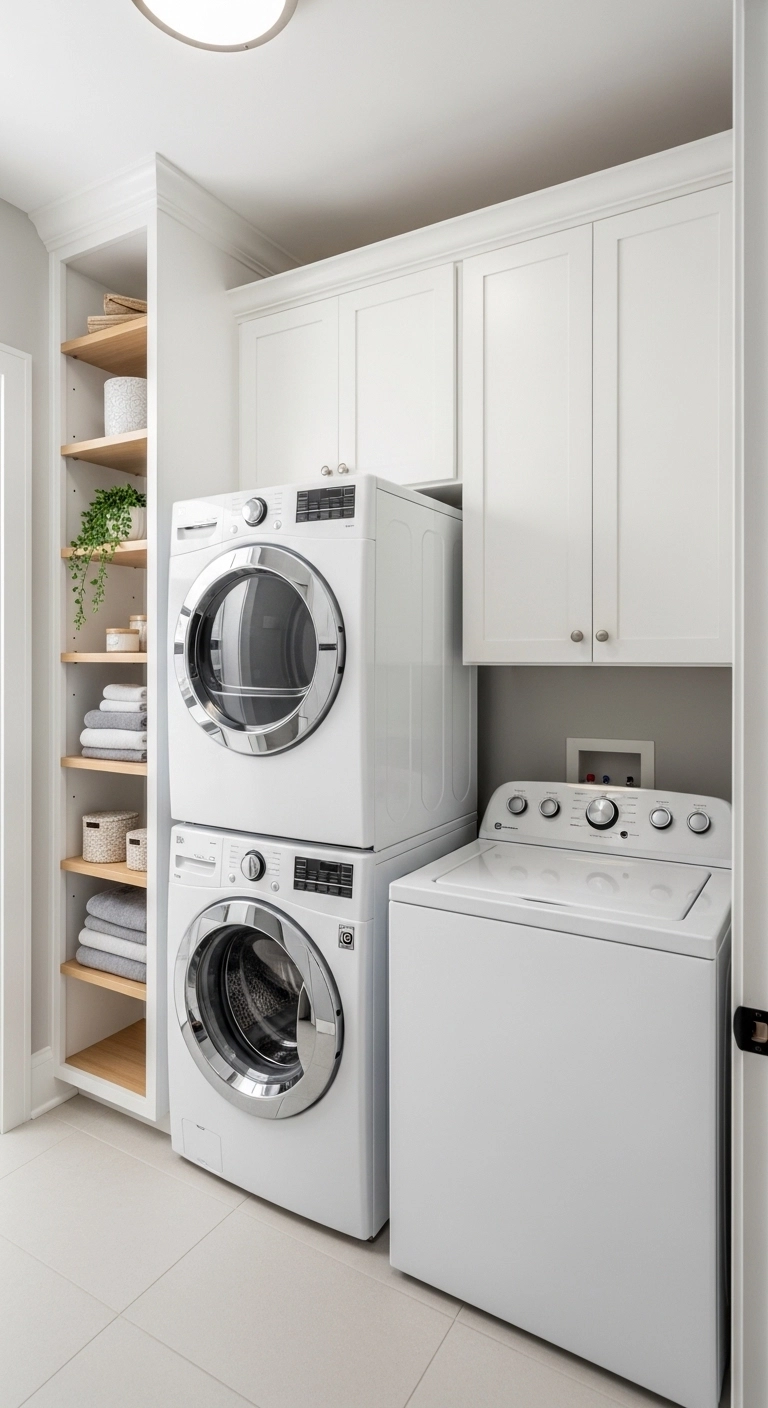
In a small home, laundry often ends up scattered. The machine may sit in the kitchen, the supplies may live in a hall closet, and folded items may pile up in another room. That is not just messy. It is a layout problem.
A renovation can help transform the laundry room into a compact, useful zone. It could be a washer and dryer tucked into a closet with shelves above, or a mudroom wall that handles both laundry and everyday storage. When one area takes on all the work, the rest of the home feels less cluttered. Good organization means there’s a proper place for dirty tasks.
Keep floor finishes consistent across main rooms
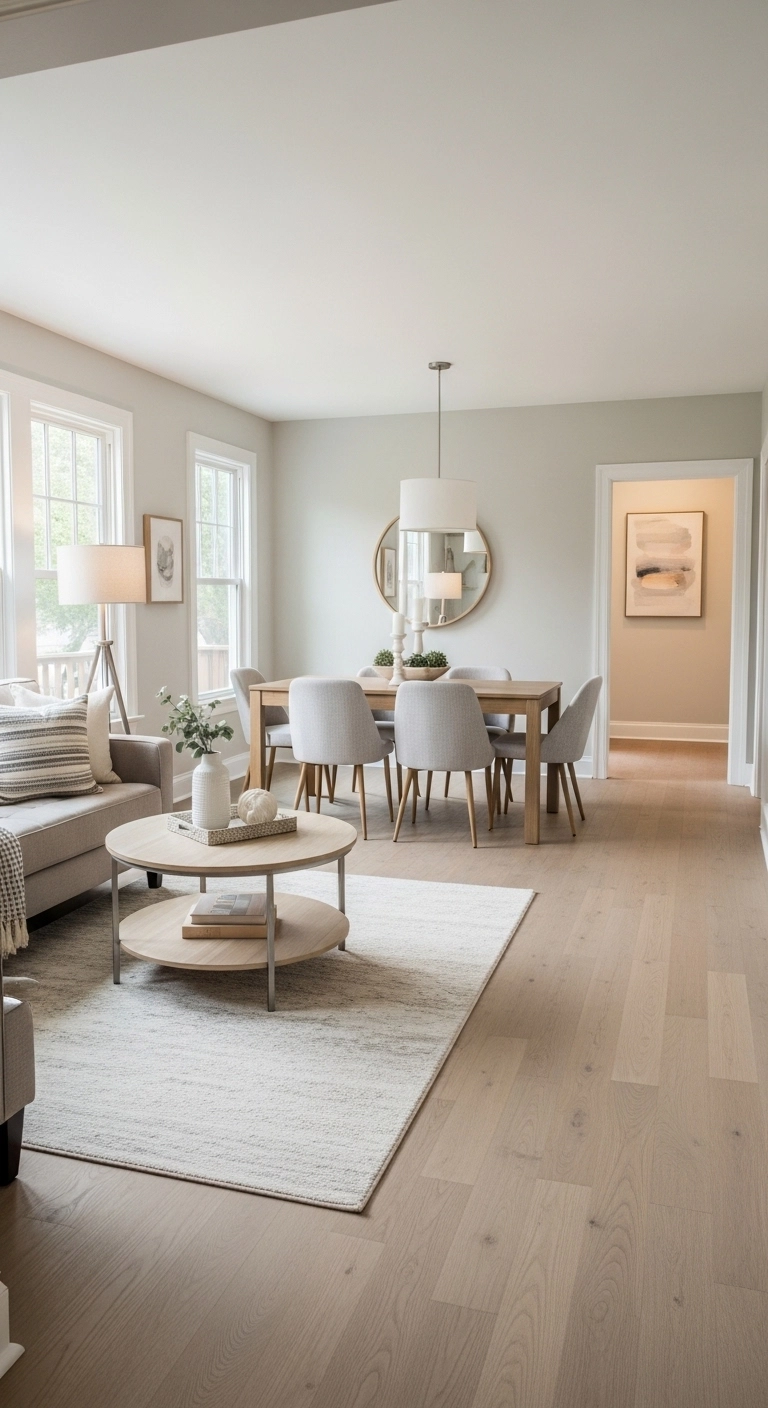
Small homes feel bigger when the main spaces connect well. One simple way to help that is with flooring. When every room has a different floor color, texture, or material, the house can feel broken up. That visual stop-and-start makes small spaces feel even smaller.
Using one main type of flooring through the living room, dining room, kitchen, and hallway can make the layout feel calmer. The eye moves more easily. The home feels less fragmented. This doesn’t mean that every room has to be the same, but the main common areas should feel like they belong together.
Bring more light into closed-off areas
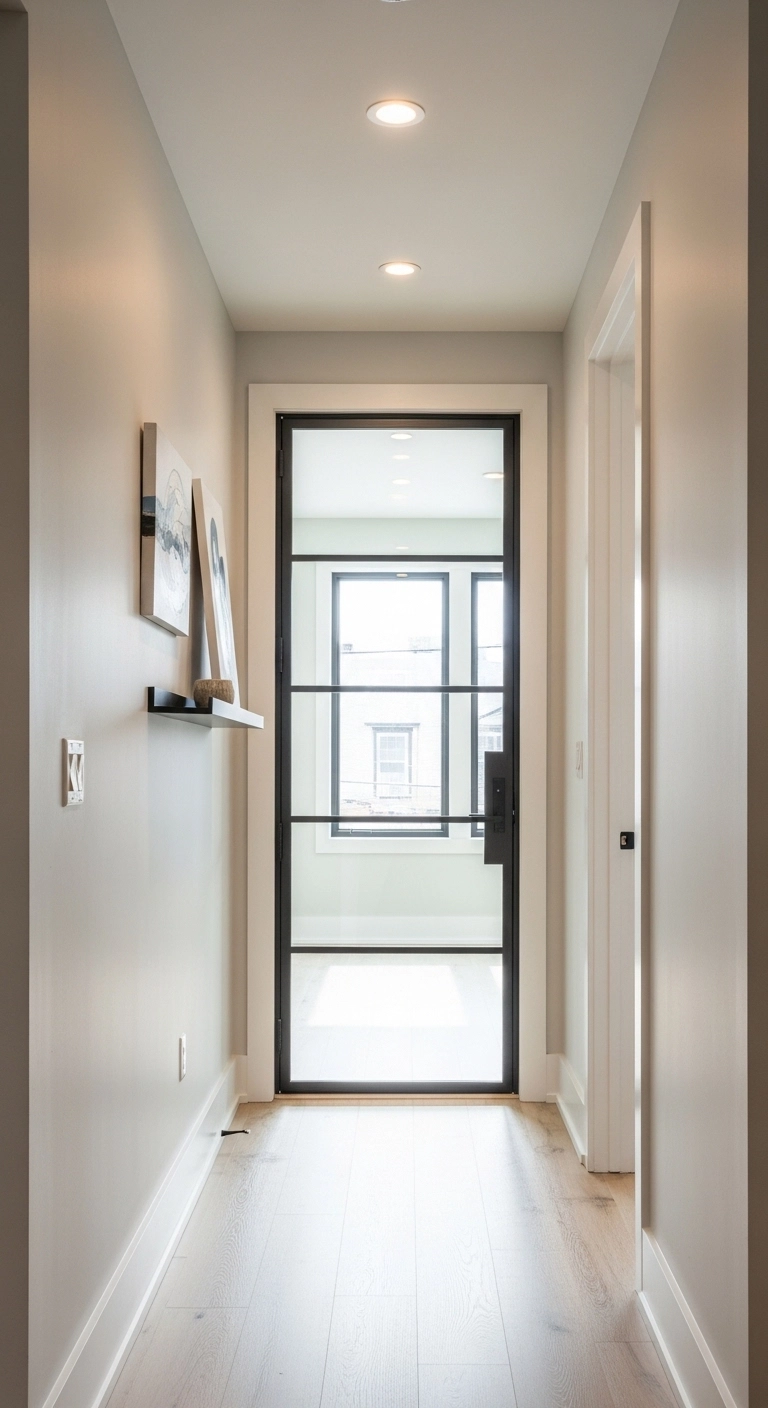
A dark room often feels smaller than it really is. The same goes for narrow halls and back corners. When light cannot move through the house, the layout feels tight even if the floor plan is not terrible.
Renovations can help by opening up sight lines, enlarging interior openings, adding glass where it makes sense, or rethinking window placement during a major renovation. Sometimes even replacing a heavy solid door with glass can help make the entire home feel brighter. Light supports the layout because it makes the home feel more open and easy to understand.
Plan around your daily habits, not just the room shape
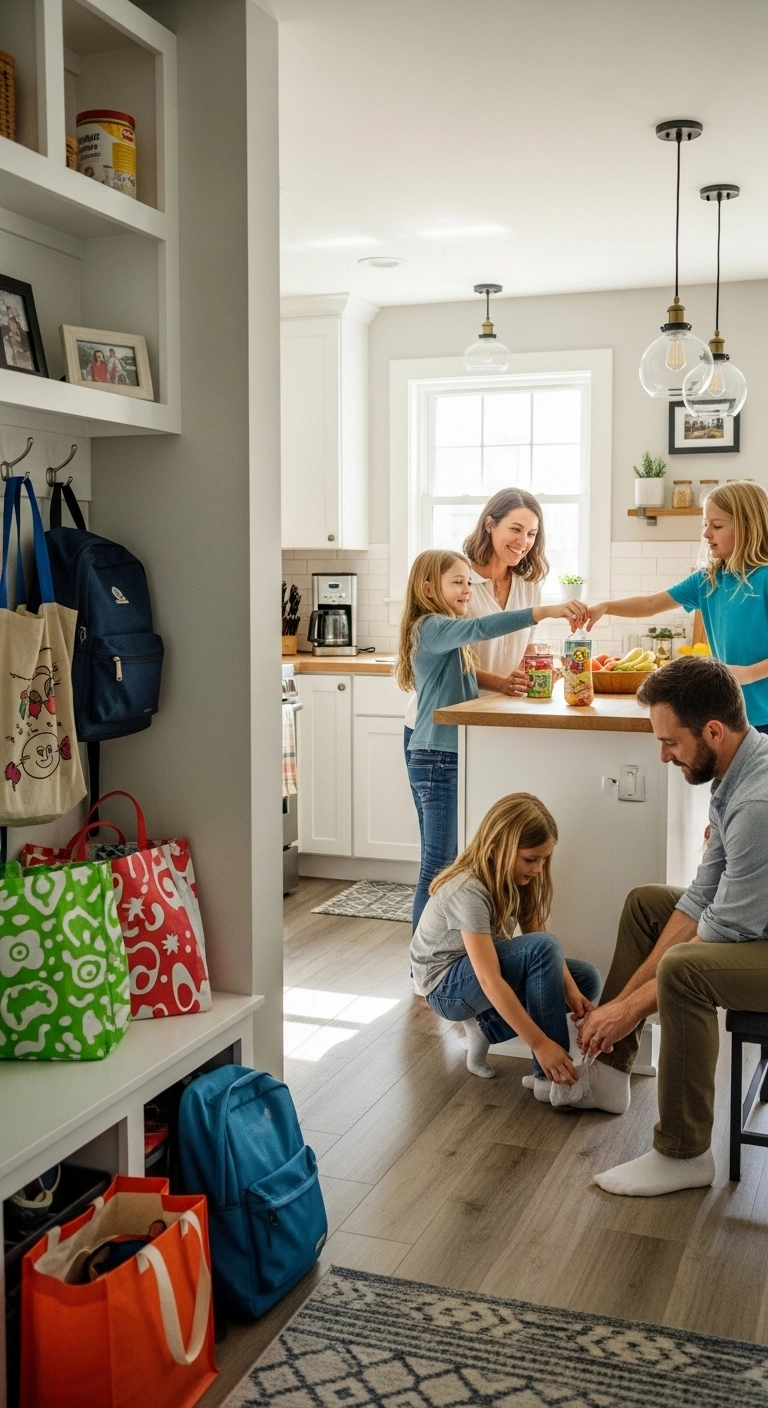
This may be the most important idea of all. A better layout is not only about walls and measurements. It is about how you live. If you always drop mail on the kitchen counter, that tells you something. If backpacks pile near the sofa, that tells you something too.
The best renovation comes from noticing those patterns and solving them on purpose. Maybe the home needs a landing spot by the door. Maybe the kitchen needs deeper drawers instead of more upper cabinets. Maybe the living room needs fewer pieces so movement feels easier. When renovation matches real daily habits, the result feels right long after the work is done.
Final Thoughts
A small home doesn’t have to feel cramped. It doesn’t have to feel awkward. It doesn’t have to let you down every day. With the right renovation choices, a small home can feel open, useful, and much easier to enjoy.
The smartest changes are not always the biggest ones. A better doorway, a stronger entry, a cleaner kitchen plan, or built-in storage in the right place can improve the layout more than a full style update. That is because layout shapes how the home works.
If you are planning a renovation, start with the places that annoy you most. Look at blocked paths, wasted corners, bad door swings, dark spots, and rooms that never feel settled. Those are not small problems. They are the clues that show you what the home needs next.
When a small home is better organized, everything else becomes easier. The space feels calmer. Storage makes more sense. Light moves better. The house starts to work with you instead of against you. That’s what a good renovation should do.

Muskan Saleem
BukayHome shares practical home decorating ideas, room inspiration, and simple styling tips to help readers create a home they truly love.