14 Small Nursery Ideas for a Sweet and Calm Space
14 Small Nursery Ideas for a Sweet and Calm Space
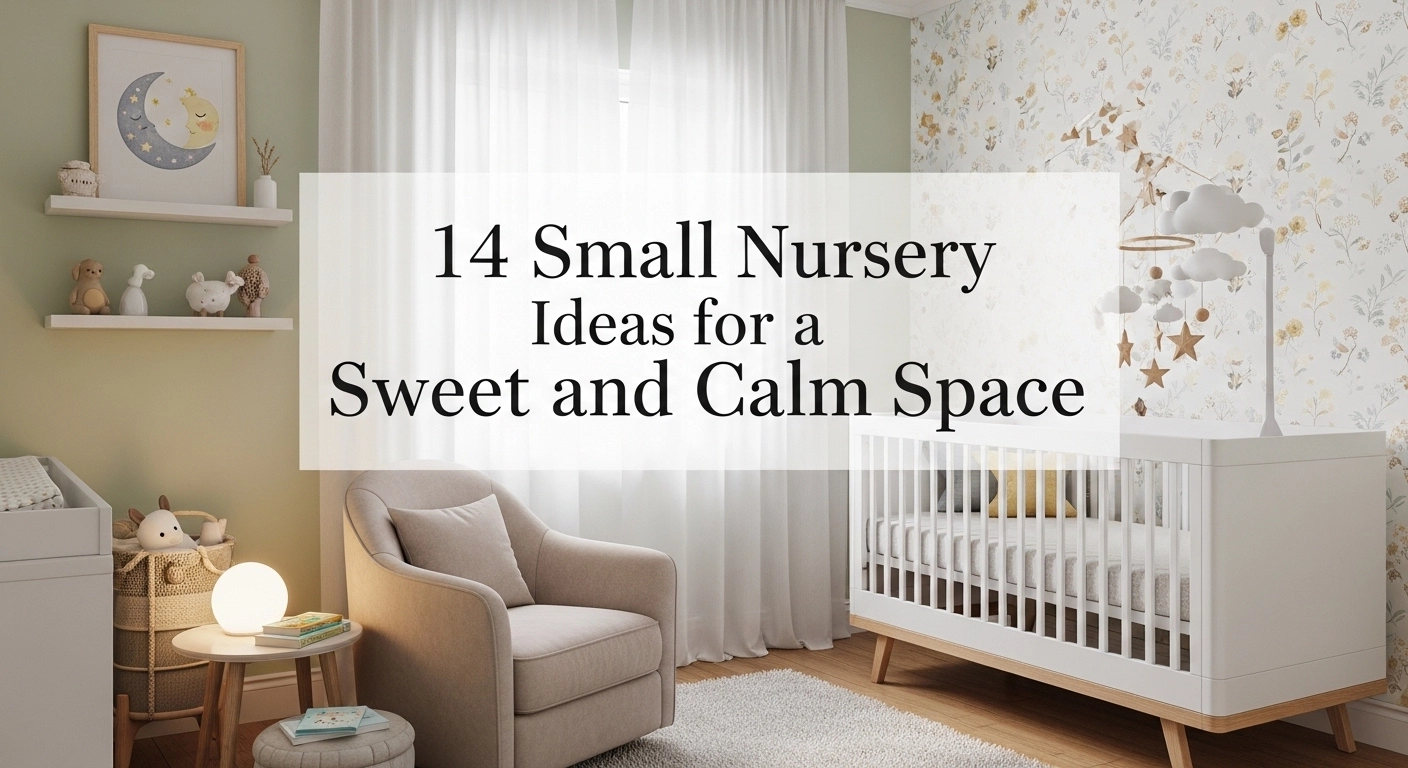
A small nursery can still feel soft, peaceful, and easy to use. You do not need a big room to make a lovely space for your baby. You just need smart choices that help the room stay open, useful, and calm.
Many parents think that a small nursery means giving up on things. That’s not always true. A small room can actually feel warm and cozy when every piece has a purpose. The best small nursery ideas are those that save space, reduce stress, and make everyday life smoother. That means easier diaper changes, better storage, brighter lighting, and less clutter in sight.
The goal is not to fill the room with cute things. The goal is to build a room that feels good when you walk in at 2 a.m. with a sleepy baby in your arms. A sweet nursery is not about more stuff. It is about the right stuff, placed the right way.
Choose a crib that fits the room, not just the photo
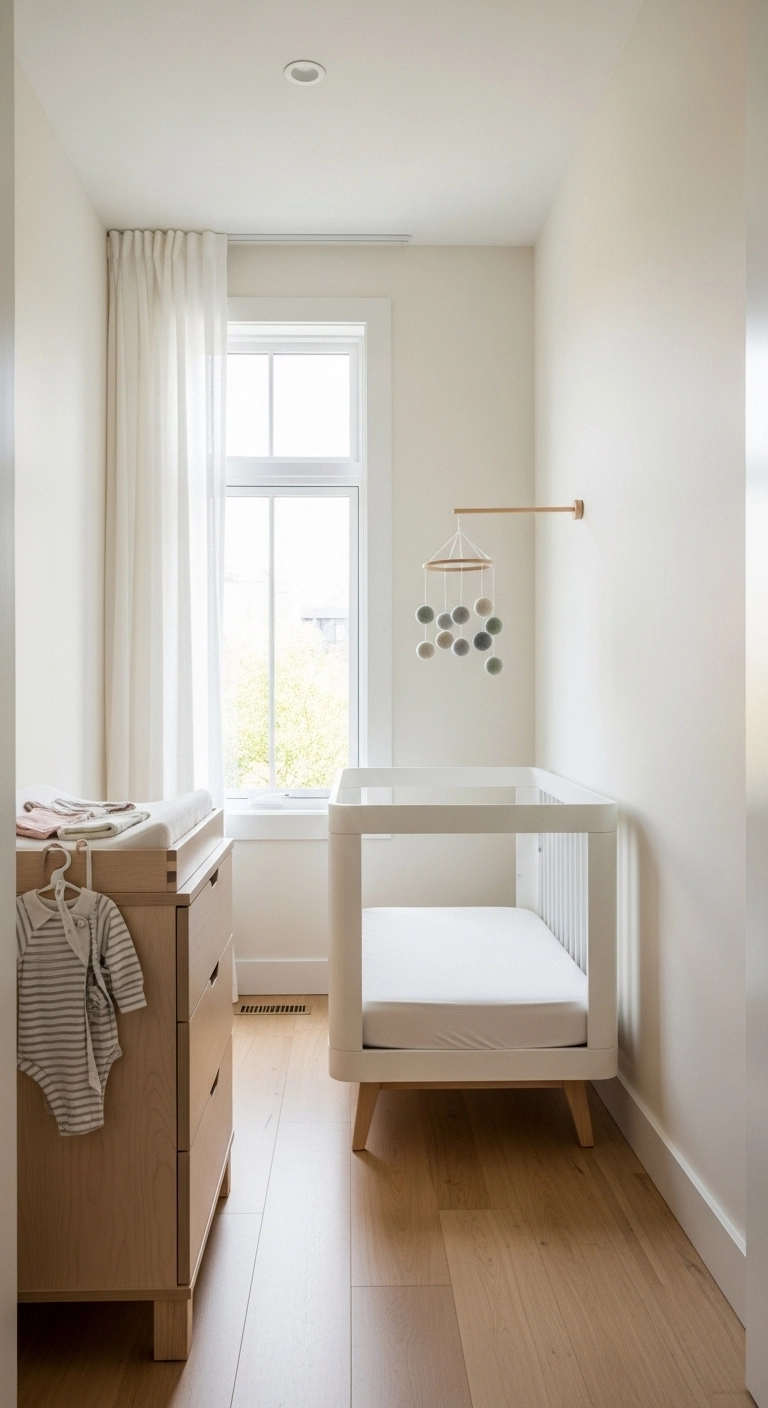
The crib is the biggest piece in most nurseries, so it sets the tone for the whole room. In a small nursery, a full-size crib can sometimes eat up too much floor space and make the room feel tight before you even add anything else. A mini crib or a slim crib design can give you more room to walk, more space for storage, and a calmer look overall.
This doesn’t mean the room will feel empty. It means the room will breathe better. A crib that fits well will also allow the rest of the room to function better. You’ll have more room to stand, move, clean, and reach things without bumping into furniture. In a small room, this matters every single day.
Place the crib first and build the layout around it
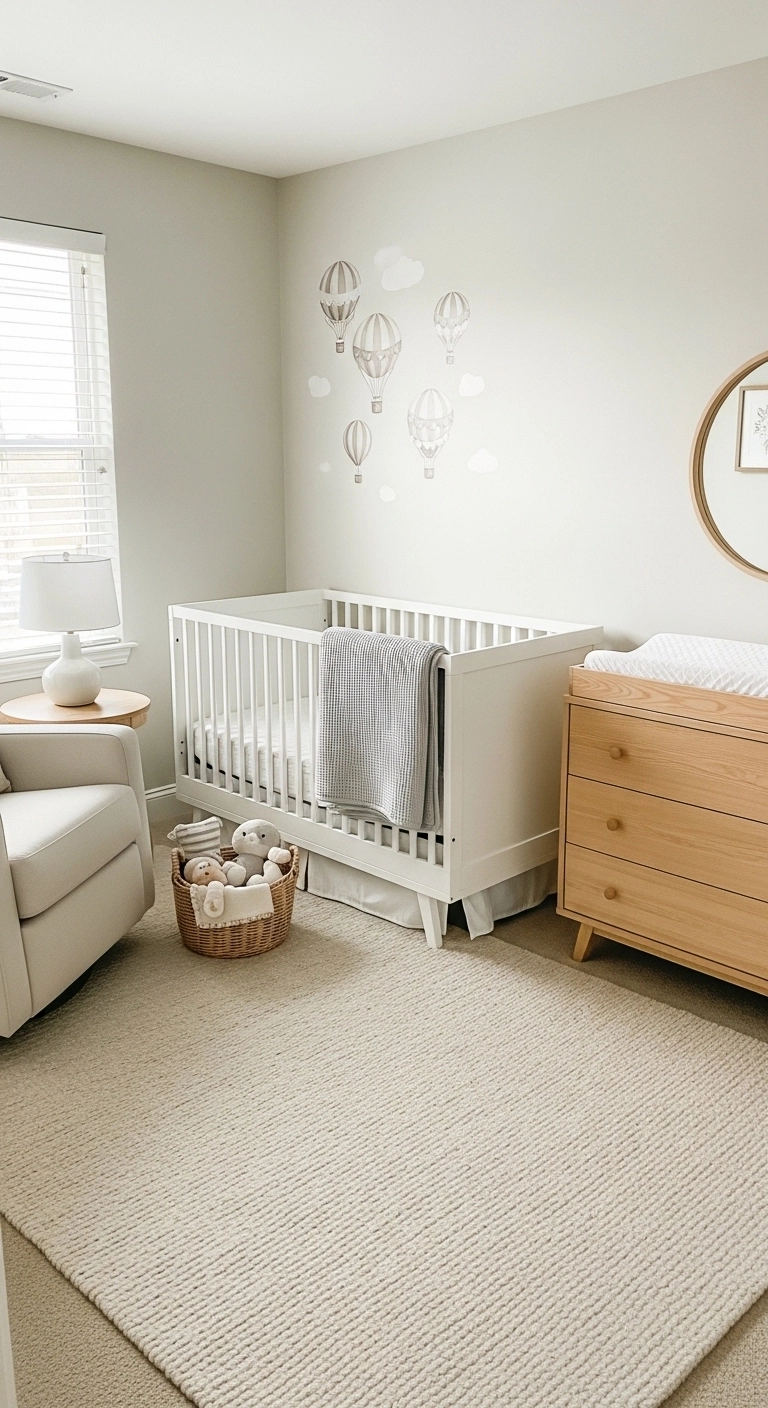
Many people buy everything first and then try to make it fit. That is where a small nursery starts to feel crowded. A better way is to place the crib first, then let the rest of the room follow that choice. Once the crib is in the best spot, it becomes easier to see what else the room actually needs.
Try to place the crib on the wall that feels most populated. If one side of the room gets a lot of light or sits too close to the door, the other wall may work better. When the crib is clear, the room feels more planned and less cluttered. Even a very small nursery can feel calmer when the largest piece is carefully placed instead of squeezed in at the end.
Use a dresser as a changing station
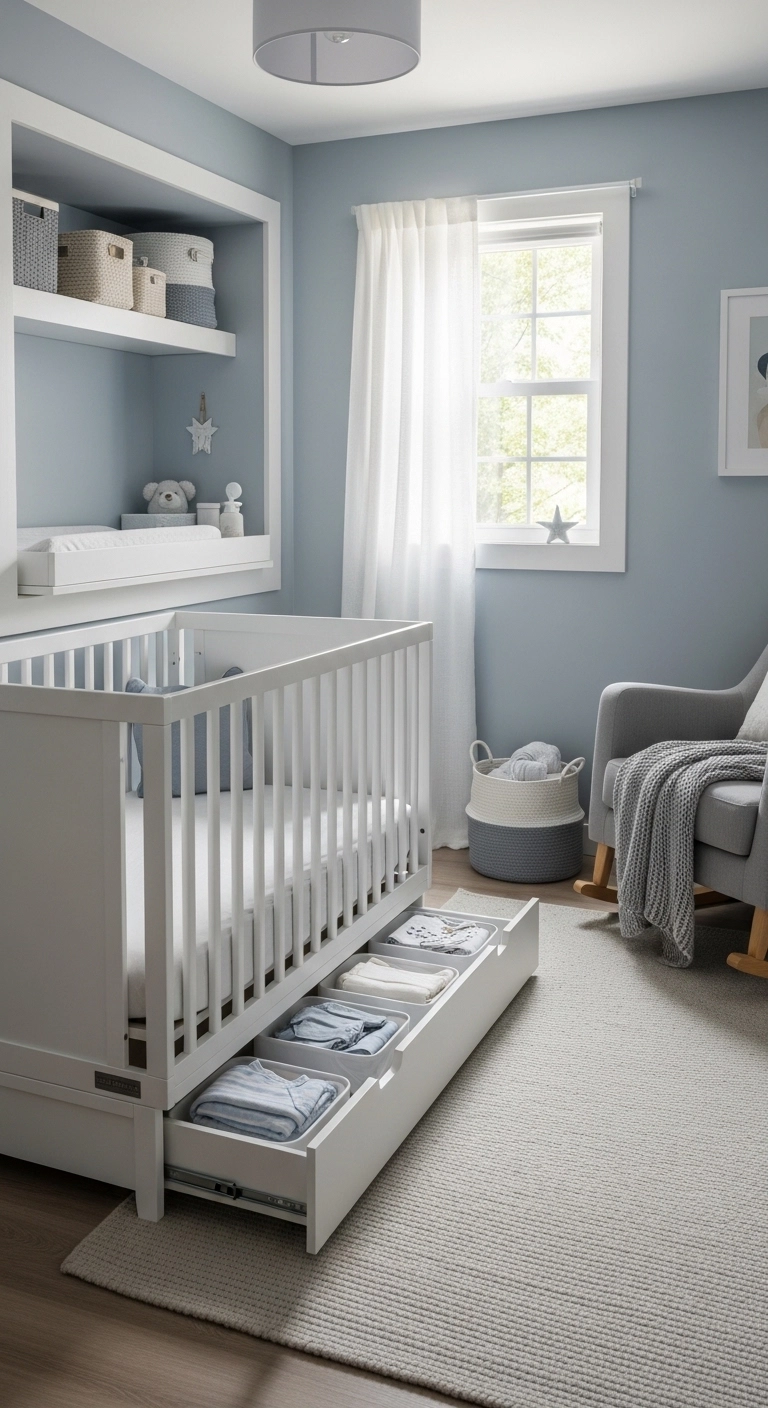
In a small nursery, a piece that does two things is always a great idea. A dresser with a changing pad on top saves space and keeps everyday items close at hand. Instead of using a separate changing table, you get storage below and a useful surface above. That one change can free up a lot of space.
This setup also makes life easier during busy days. Diapers, wipes, extra clothes, bibs, and creams can all stay in the top drawers, right where you need them. You do not have to walk across the room for simple things. The room works better because the care routine stays in one small area. In a nursery, that kind of ease matters more than extra furniture.
Use the wall space to keep the floor clear
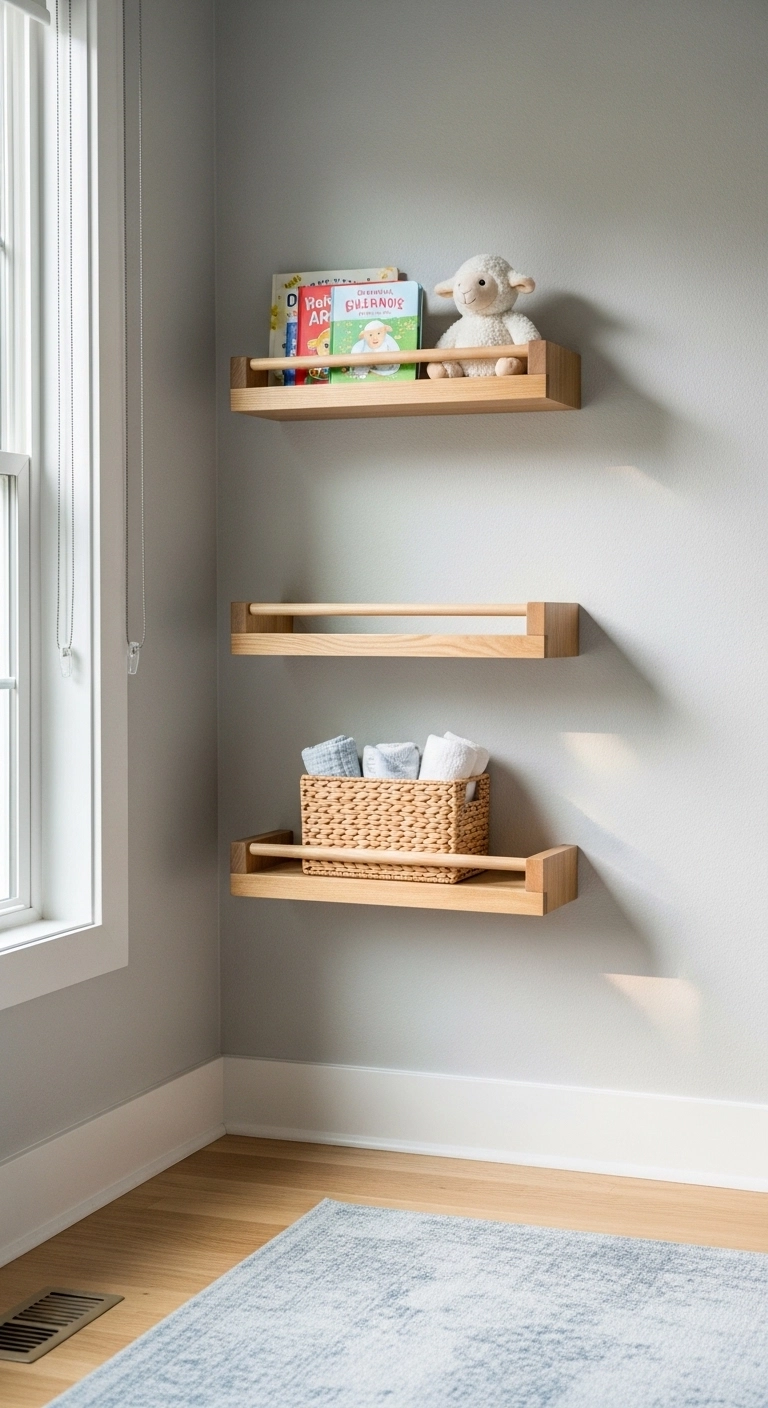
A small room always feels better when the floor has less on it. That is why wall storage can help so much. When shelves, hooks, or wall ledges hold books and small items, the room feels lighter and more open. The eye moves upward, and the space looks bigger than it is.
The trick isn’t to turn every wall into storage. A few good shelves do a lot more than that. Keep the look simple. Choose pieces that have real nursery items but still feel clean. A shelf above a dresser, a few hooks behind a door, or a narrow bookshelf can do a lot without making the room feel cluttered. Small rooms need breathing space, not just storage space.
Make the closet work harder than usual
A small nursery cannot waste hidden space. Even a tiny closet can hold much more than people expect when it is used well. Instead of treating the closet like a place to toss extra things, turn it into part of the nursery plan. That can take a lot of pressure off the main room.
Think of the closet as the nursery’s calming helper. It can hold backup diapers, next-size clothes, baby blankets, extra wipes, and items you don’t need every day. A small shelf, a few baskets, or a hanging organizer can make a simple closet look bigger. When the closet is more cluttered, the nursery feels calmer and less cluttered.
Keep the color palette soft and steady
Color changes how a small room feels right away. Strong contrast and too many shades can make the room feel crowded, even when it is clean. Soft colors do the opposite. They help the room feel still, open, and easy on the eyes. That is why calm nurseries often use quiet tones like warm white, beige, soft gray, pale green, dusty blue, or light blush.
This doesn’t mean the room has to look plain. It means the room has to feel easy. Parents don’t either. When the walls, curtains, and key pieces stay in a soft color range, the room feels tied together. This simple flow can make a small nursery feel more peaceful.
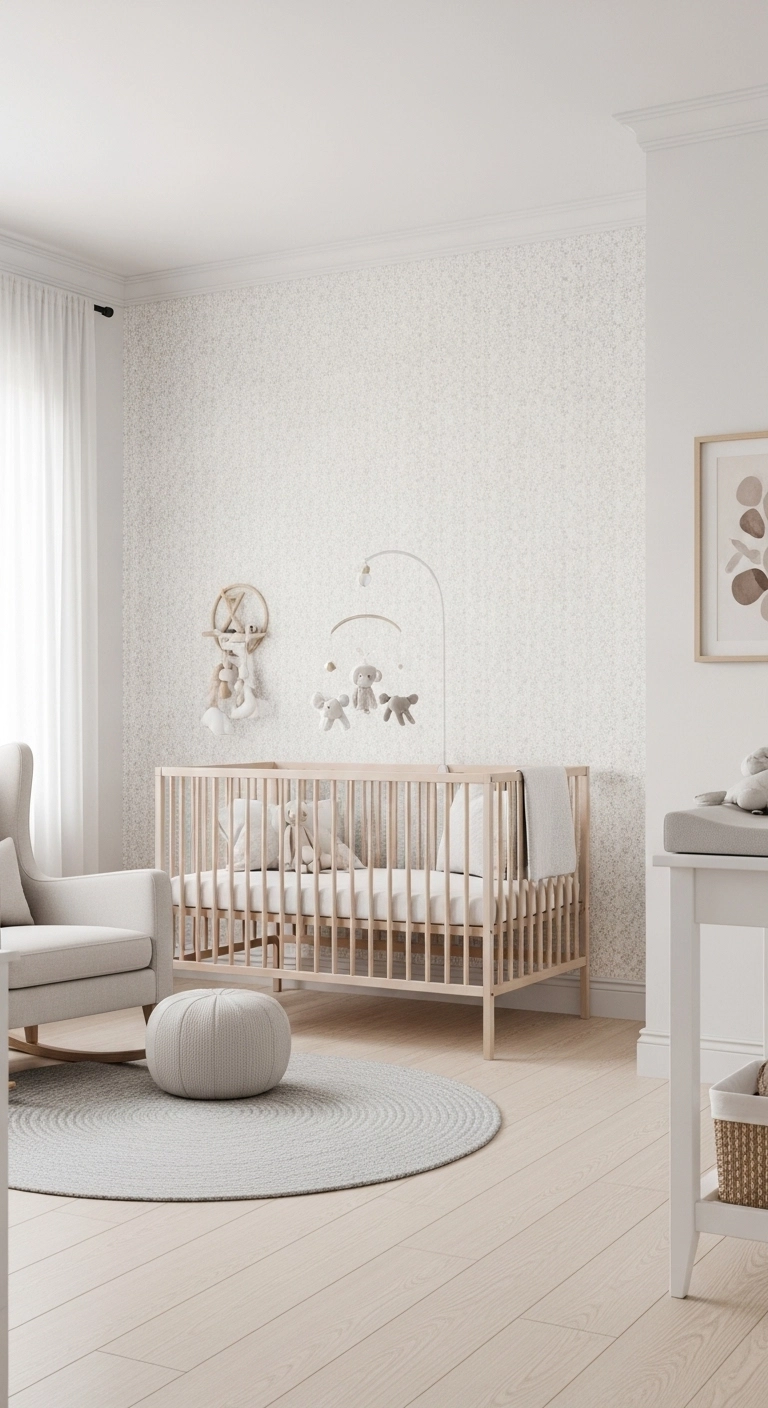
Let one wall carry the design
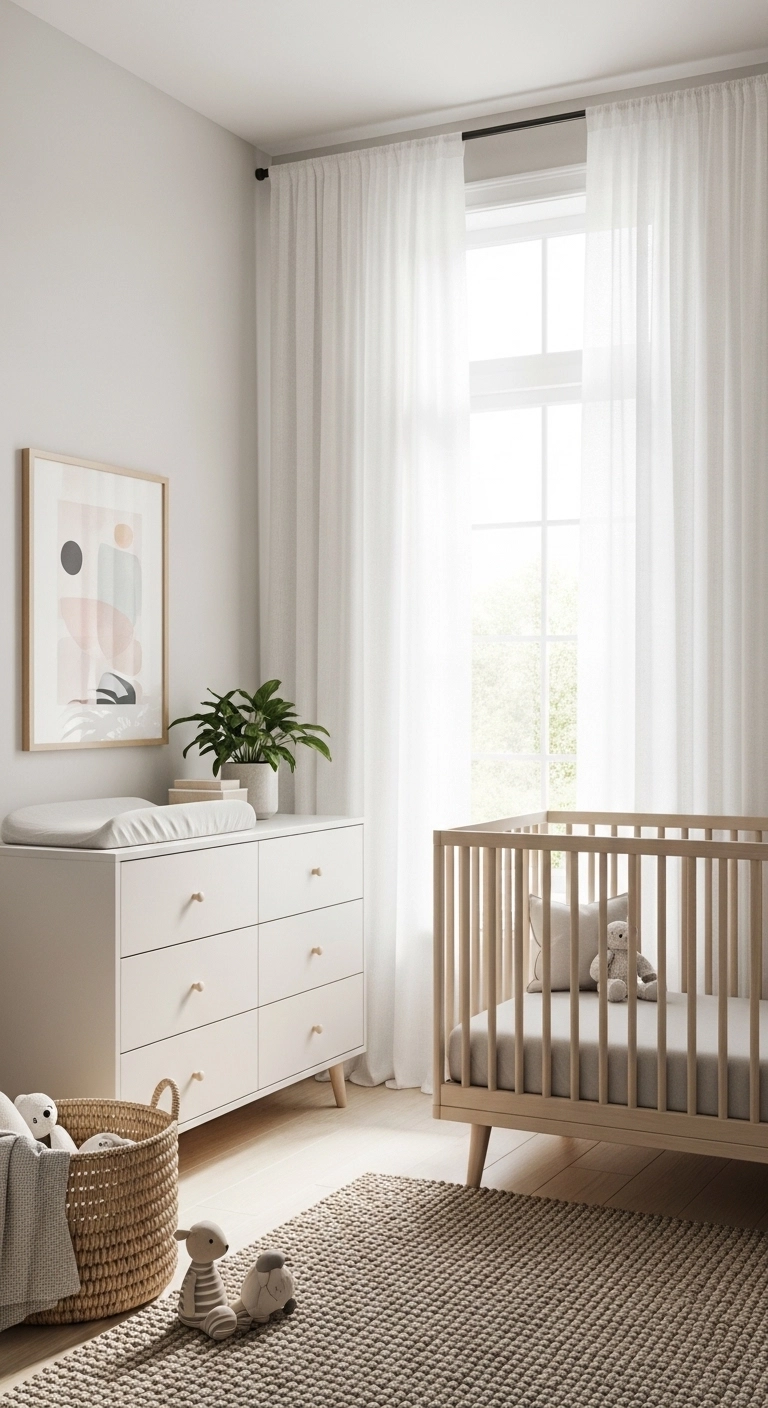
In a small nursery, too much décor can make the room feel messy fast. A better idea is to let one wall do the heavy lifting. This could be a simple wallpaper print, a painted arch behind the crib, wood trim detail, or one soft mural. When one wall has quiet interest, the room needs less extra decoration.
This works well because it gives the room a focal point. Your eye goes there, and the rest of the room can remain simple. This balance is useful in a small space. You still get charm and style, but without filling every corner with signs, frames, and small objects. A solid wall can do more for a nursery than ten small extras.
Choose furniture with open space underneath
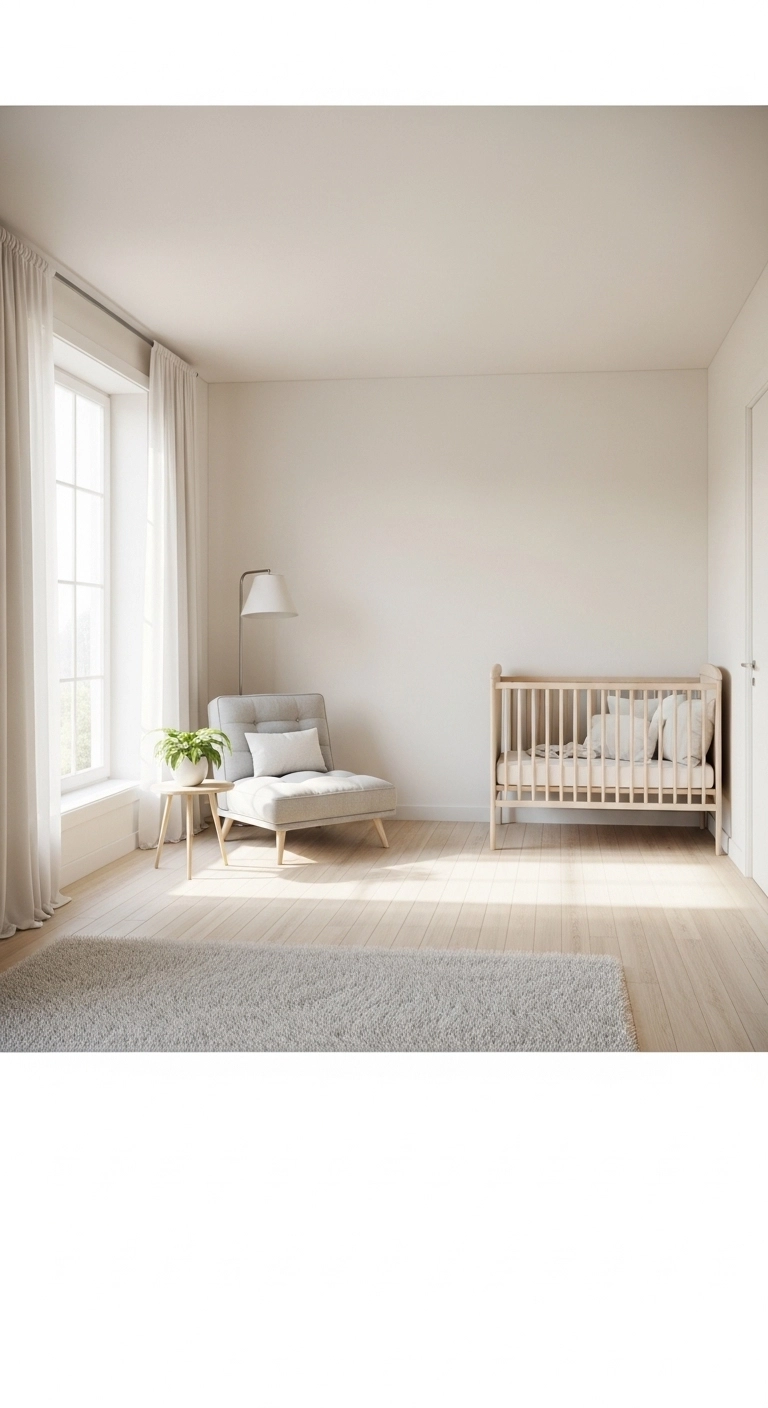
Heavy furniture that sits low and wide can make a small room feel blocked. Pieces with open legs or visible space underneath can help the room feel lighter. The floor shows through, so the nursery looks less packed. This is a small design trick, but it changes how the room feels in real life.
An airy-shaped glider, dresser, or side table often works better in a small nursery than larger pieces. The room looks cleaner because the eye can move around the furniture instead of stopping at heavy blocks. In a small space, that visual flow is so important. It can be the difference between a room that feels sweet and one that feels cramped.
Add storage under the crib if the design allows it
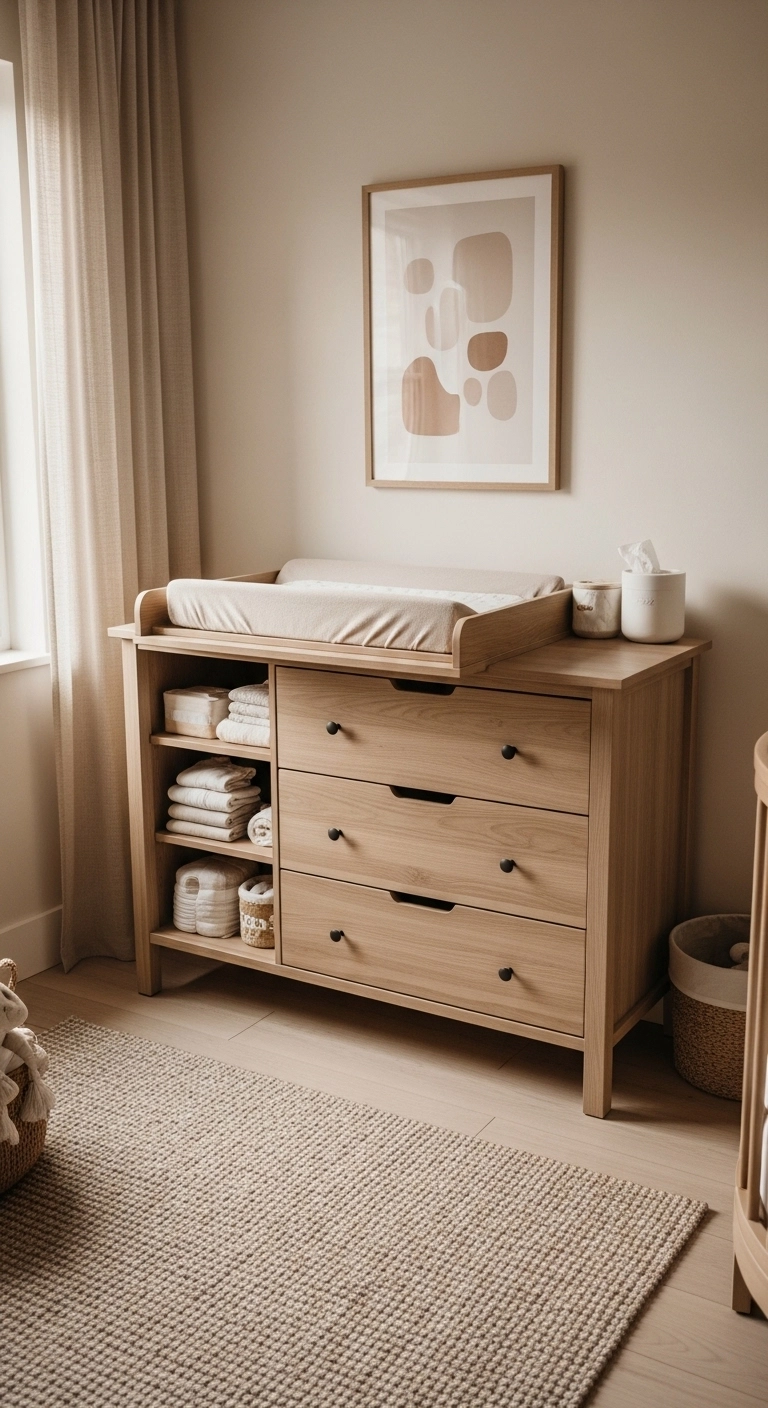
Small nurseries need smart hidden storage, and the area under the crib can help if the crib design leaves safe open space there. Low bins or soft baskets can hold extra sheets, swaddles, burp cloths, or clothes that are ready for the next size. This is one of the easiest ways to store more without adding another piece of furniture.
The best part is that the room still looks clean. Things are close by when you need them, but they’re not always in sight. This helps the nursery feel calm, not crowded. In a small room, hidden storage often keeps the space functional over time. Beautiful decor may catch the eye at first, but useful storage is what saves the room later.
Use a small chair or compact glider in the corner
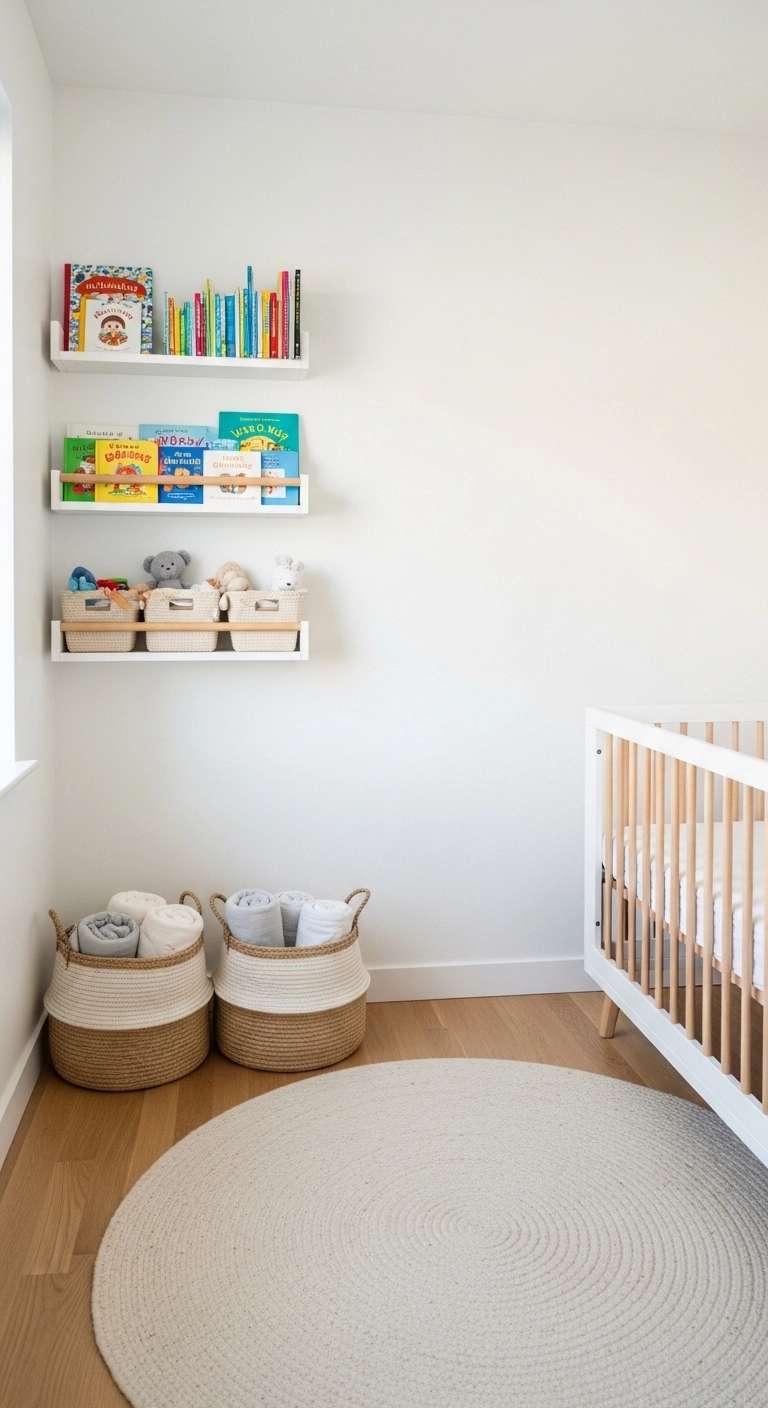
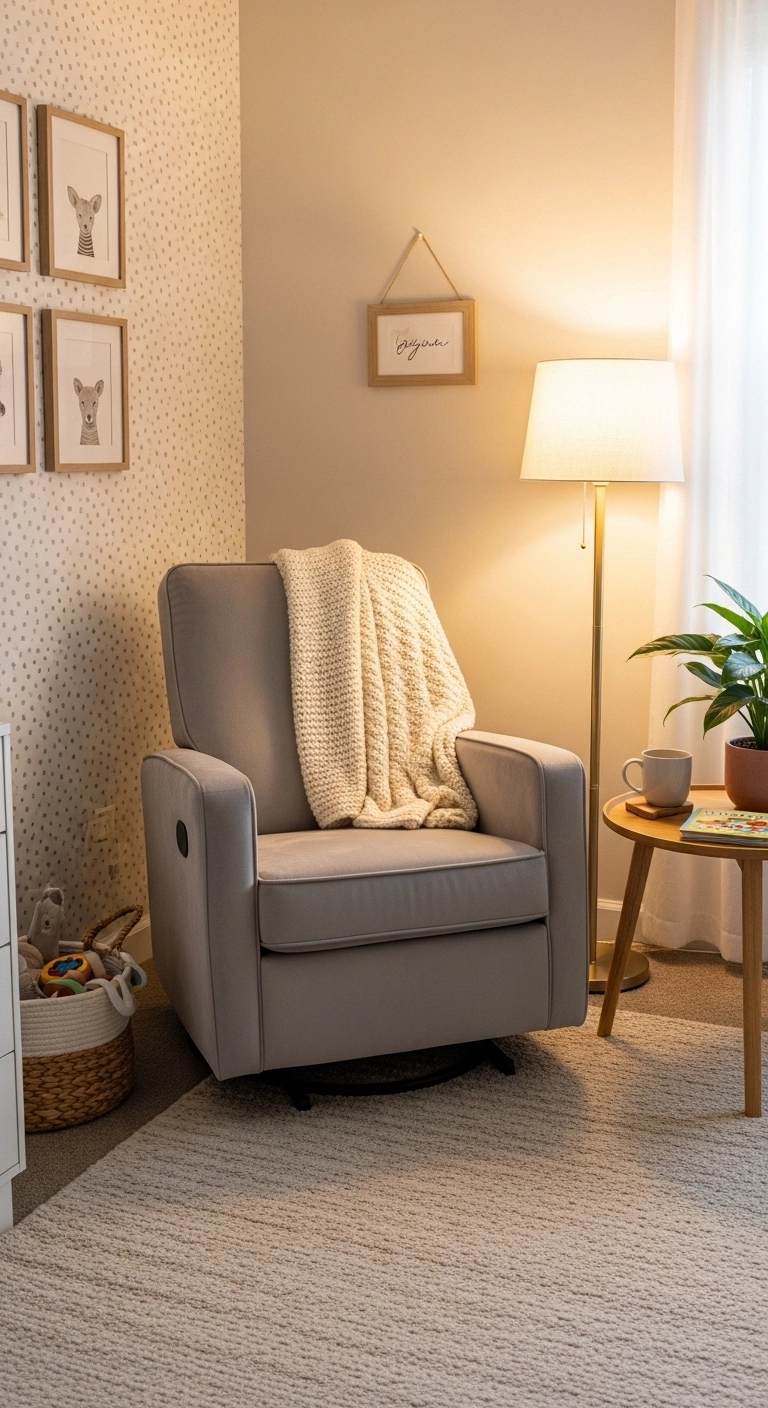
A nursery does not need a huge chair to feel complete. In a small room, a compact glider or a slim armchair often works better. It gives you a place to feed, rock, rest, or sit quietly without taking over the room. When the chair fits the space, the whole nursery feels more balanced.
A corner is often the best place for this. It keeps the center of the room open and creates a quiet little care zone. Add a small pillow, a soft throw for you, and a narrow side table if there’s space. You don’t need much. The point is comfort, not bulk. A chair that fits well will be used more often than one that looks good but blocks the room.
Keep open shelves neat and low on clutter
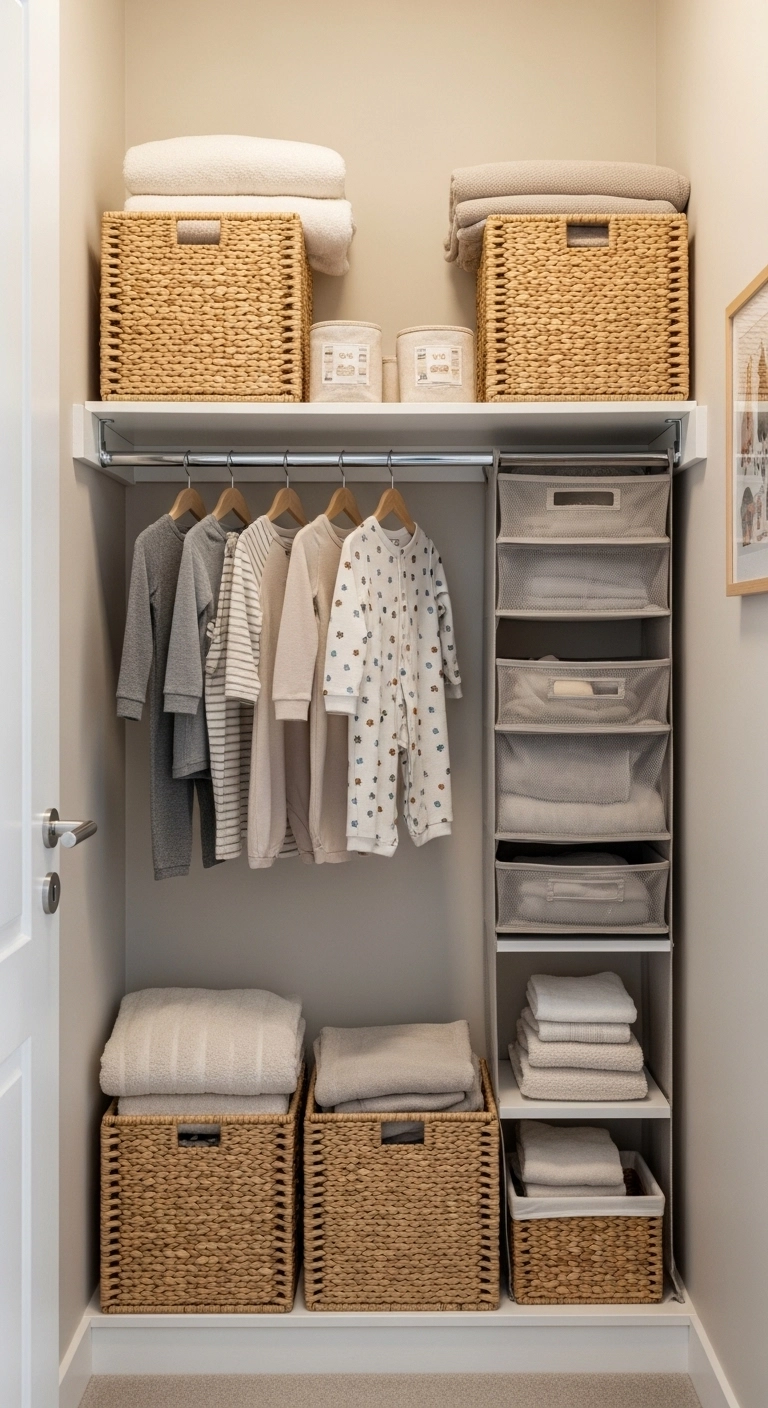
Open shelves can look lovely in a nursery, but they need care. In a small room, too many visible items can make the whole space feel noisy. The answer is not to avoid shelves. The answer is to use them with restraint. A few books, one soft toy, and a small basket can look warm and simple without turning into visual clutter.
This is more important than people think. A nursery should help you feel calm, not busy. When every shelf is full, the room starts to feel crowded even if nothing is actually wrong. Small nurseries need to be modified. Leave space between items. Let the shelves breathe. That empty space isn’t wasted. It’s part of what makes a room feel calm.
Use soft lighting instead of one harsh overhead light
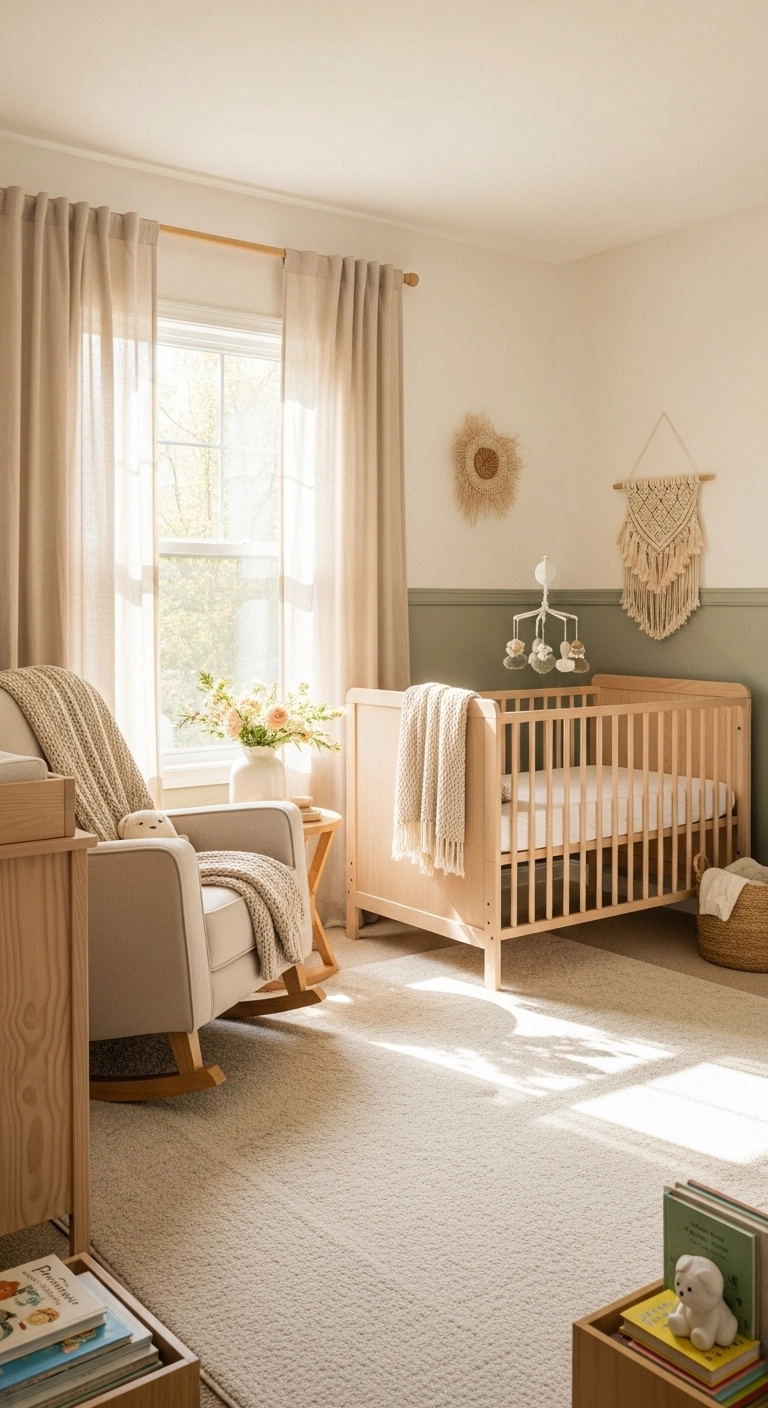
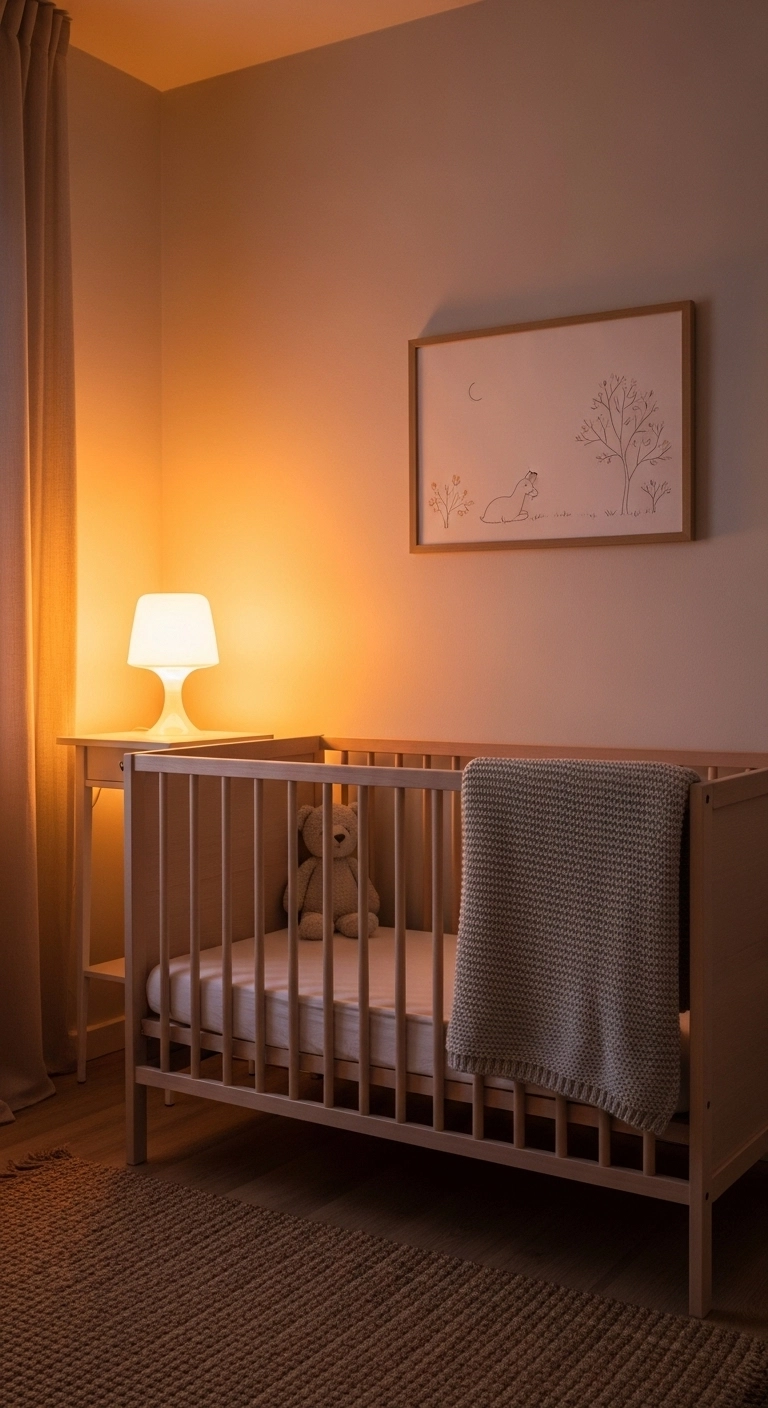
Lighting can change the entire mood of a nursery. A bright ceiling light can help during cleaning, but it’s not always the best choice for dinner, diaper changes, or winding down before bed. In a small nursery, soft lighting makes the room feel calmer and more gentle.
A table lamp, wall sconce, or soft floor lamp can make the room feel much more restful. The light should be warm and easy, not sharp. This helps during late-night care because the room stays quiet in feeling, even when you are awake. Good nursery lighting is not about style alone. It supports the daily rhythm of the room and helps both parent and baby feel more settled.
Use curtains to soften the room and add height
Curtains do more than block light. In a small nursery, they can also make the room feel taller and softer. When curtain rods are placed a bit higher than the window frame, the wall appears longer. That small change can help a tiny room feel less boxed in.
Fabric also adds softness, which is important in a space with wood, paint, and furniture. When there’s some fabric in the mix, a room feels warmer. Choose a simple curtain that works with the room’s color palette. It doesn’t need a bold print or extra trim. In a small nursery, muted fabrics often work best. This helps to make the space feel soft without being too distracting.
Leave a little empty space on purpose
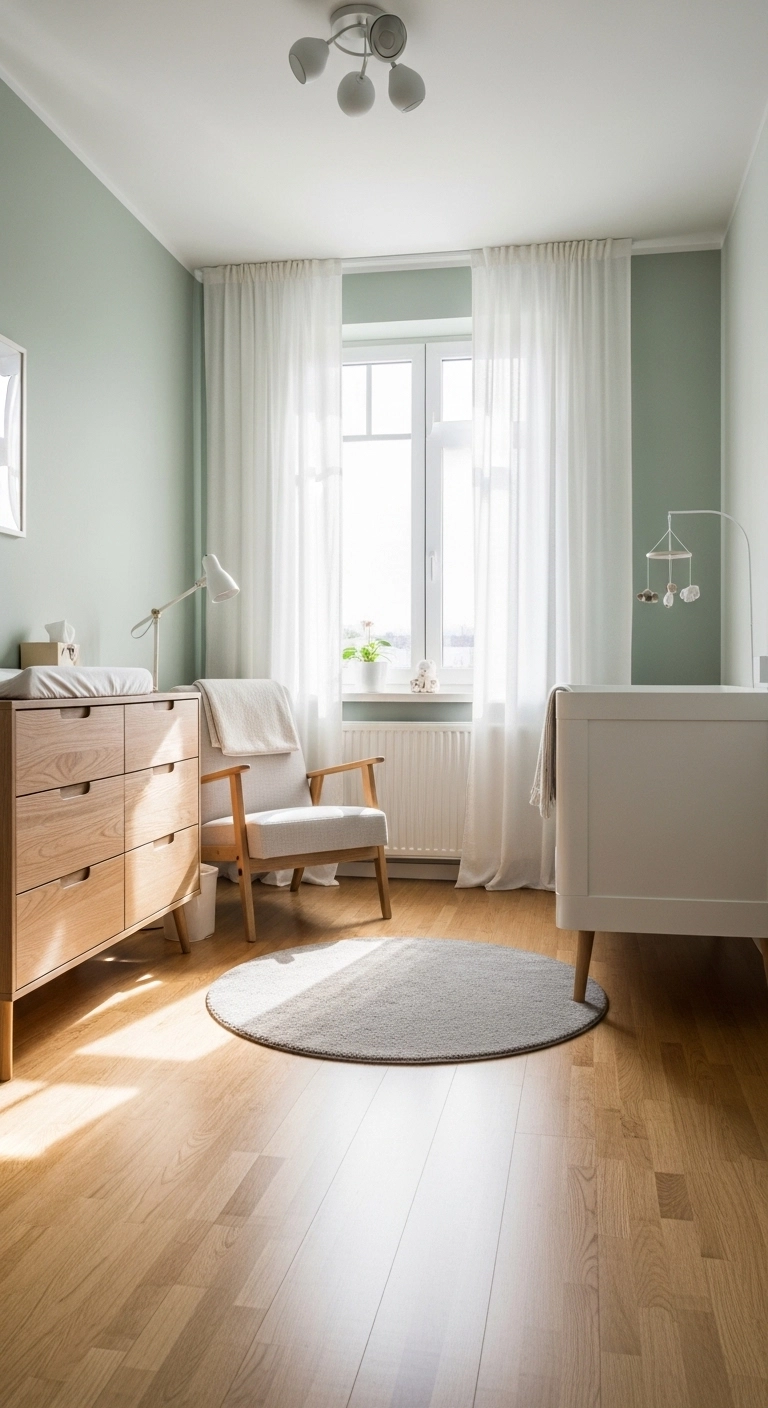
One of the best small nursery ideas is also the easiest to miss. Do not try to fill every corner. Empty space is useful. It gives the room air. It helps the eye rest. It makes the nursery feel more peaceful and less busy. In a small space, this matters just as much as storage or furniture choice.
Parents often feel pressured to finish every wall and use every inch. But a nursery doesn’t have to look finished to be loved. A little open space near the crib, a clean dresser top, or a blank section of wall can make the entire room feel better. Small rooms need more editing than decorating. A sweet, calming feeling often comes from what you leave out, not just what you add.
Final Thoughts
A small nursery can be one of the most comforting rooms in the house when it is planned with care. The best results come from simple choices that make daily life easier. A crib that fits, storage that works, soft colors, gentle light, and a little open space can do more than a room full of extra décor.
If you’re designing a nursery in a small room, focus on how it should feel first. It should feel easy to walk through, easy to clean, easy to use, and easy to relax in. That’s what makes it sweet. That’s what makes it calm. And that’s what makes a small nursery truly work.

Muskan Saleem
BukayHome shares practical home decorating ideas, room inspiration, and simple styling tips to help readers create a home they truly love.