13 New Homeowner Checklist for an Easy Fresh Start
13 New Homeowner Checklist for an Easy Fresh Start
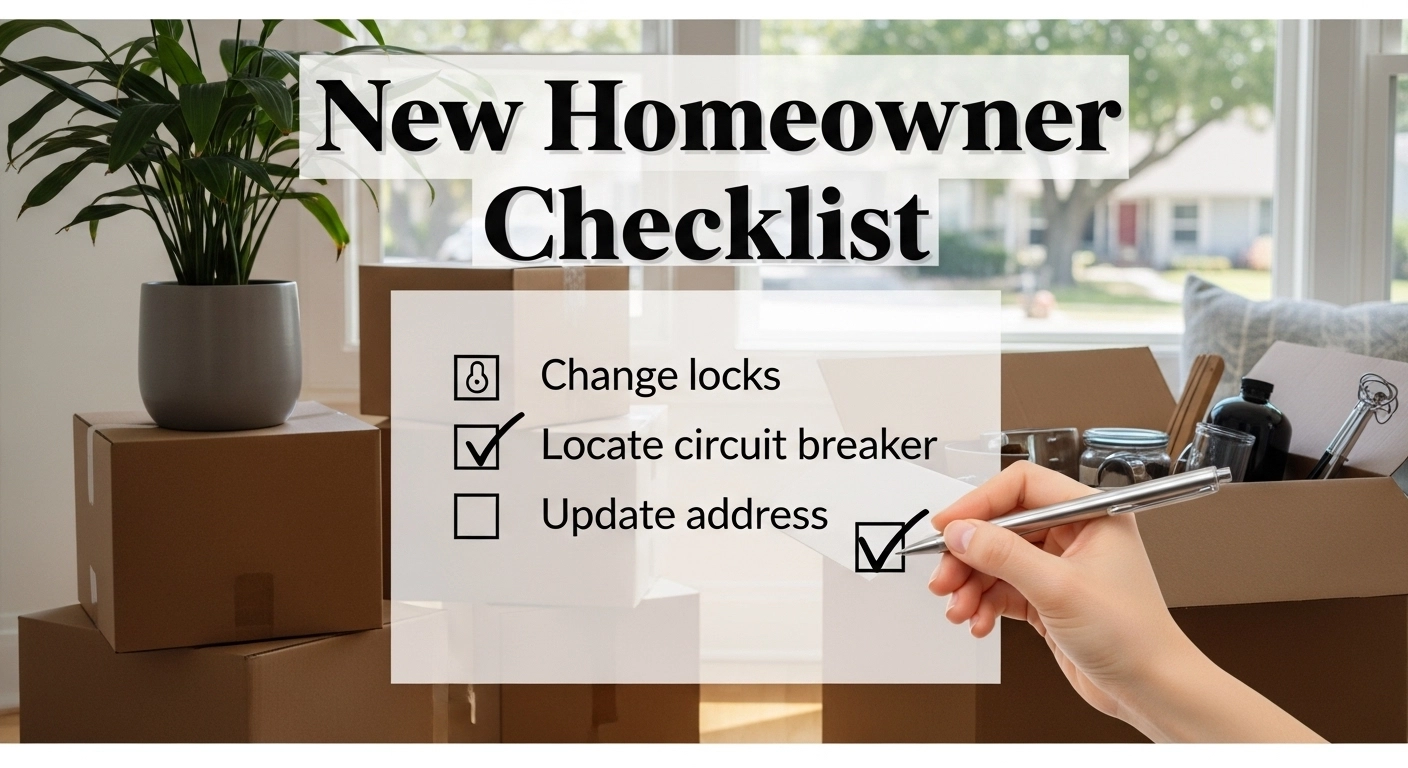
Buying a new home feels big in the best way. You finally have your own place, your own keys, and your own plans. But once the moving boxes arrive, real life begins to take over. You might find a dripping faucet, a missing remote, a room that needs a deep cleaning, or a bill you forgot to change. That’s why every new homeowner needs a simple plan.
A good checklist helps you stay calm. It helps you handle the first few days in the right order. It also keeps you from wasting money on the wrong things too soon. Many people jump right into paint, decor, and shopping. Those things can wait a little. The smart move is to make the home safe, clean, easy to run, and ready for daily life first.
This guide will walk you through the most important steps once you move in. It’s designed for real people, real homes, and real first week problems. You don’t have to do everything in one day. You just need to get off to a good start.
Change the locks and make the home feel like yours
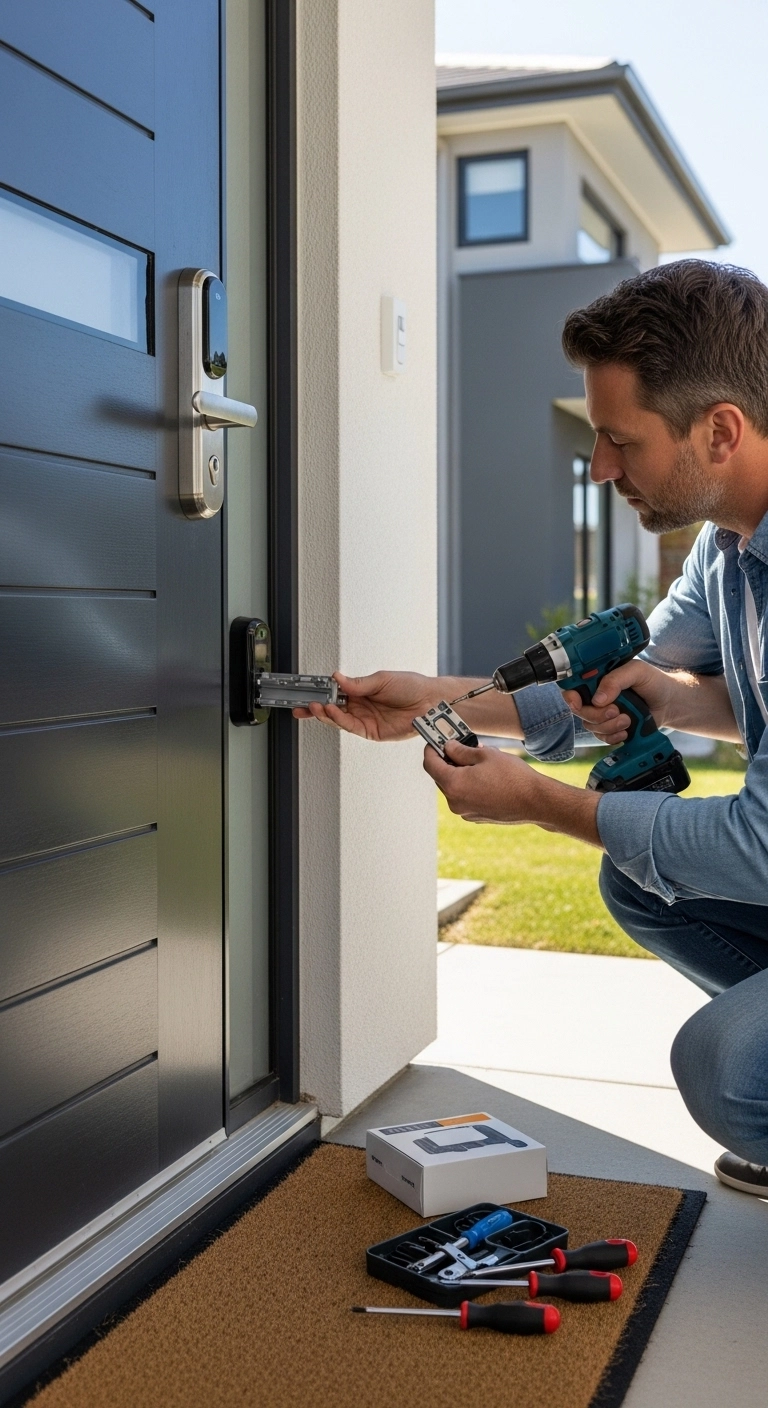
The first job is simple. Change the locks. Even if the last owner was kind and honest, you still do not know who may have an old key. A family member, a cleaner, a worker, or a neighbor may still have one. When you move into a house, you need to know that only you and the people you trust can get inside.
If you have a garage keypad, smart lock, gate remote, or alarm code in your home, reset them as well. Keep all new keys in one place and label them. Make an extra set, but keep them somewhere safe. This small step does more than just protect your home. It gives you peace of mind on your first night there. It matters more than most people think.
Learn where the main shutoff points are
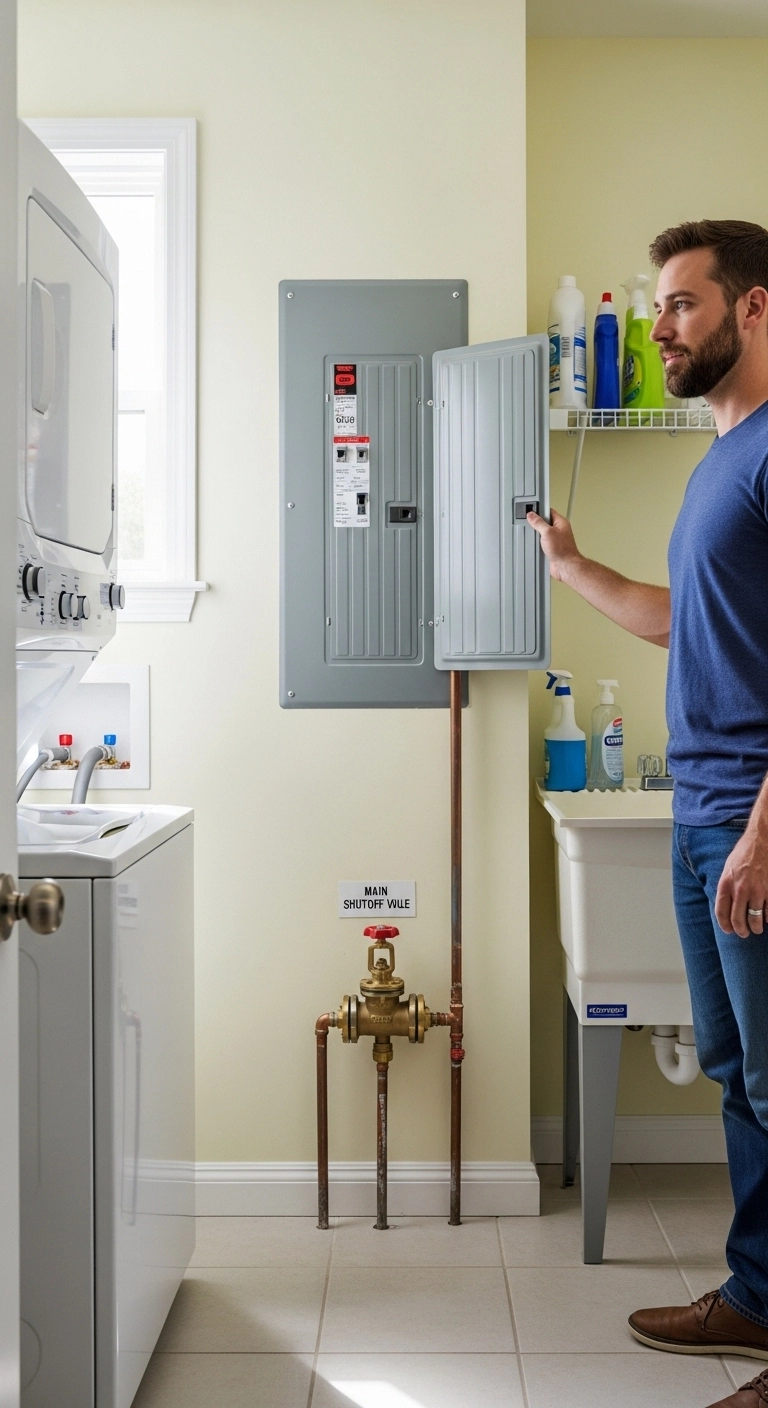
Every homeowner should know how to stop a problem fast. If water starts leaking or a pipe breaks, you do not want to spend ten minutes running around in panic. Find the main water shutoff as soon as you move in. Then find the electric panel and learn which switch controls each area of the home. If your house uses gas, find that shutoff point too.
Take a picture of each place on your phone so you can find them again later. You can also write a short note and put it in your kitchen drawer. Many people skip this because nothing goes wrong during the day. But that’s exactly why it should be done as soon as possible. Calm days are the best time to prepare for difficult days.
Test smoke alarms and safety basics first
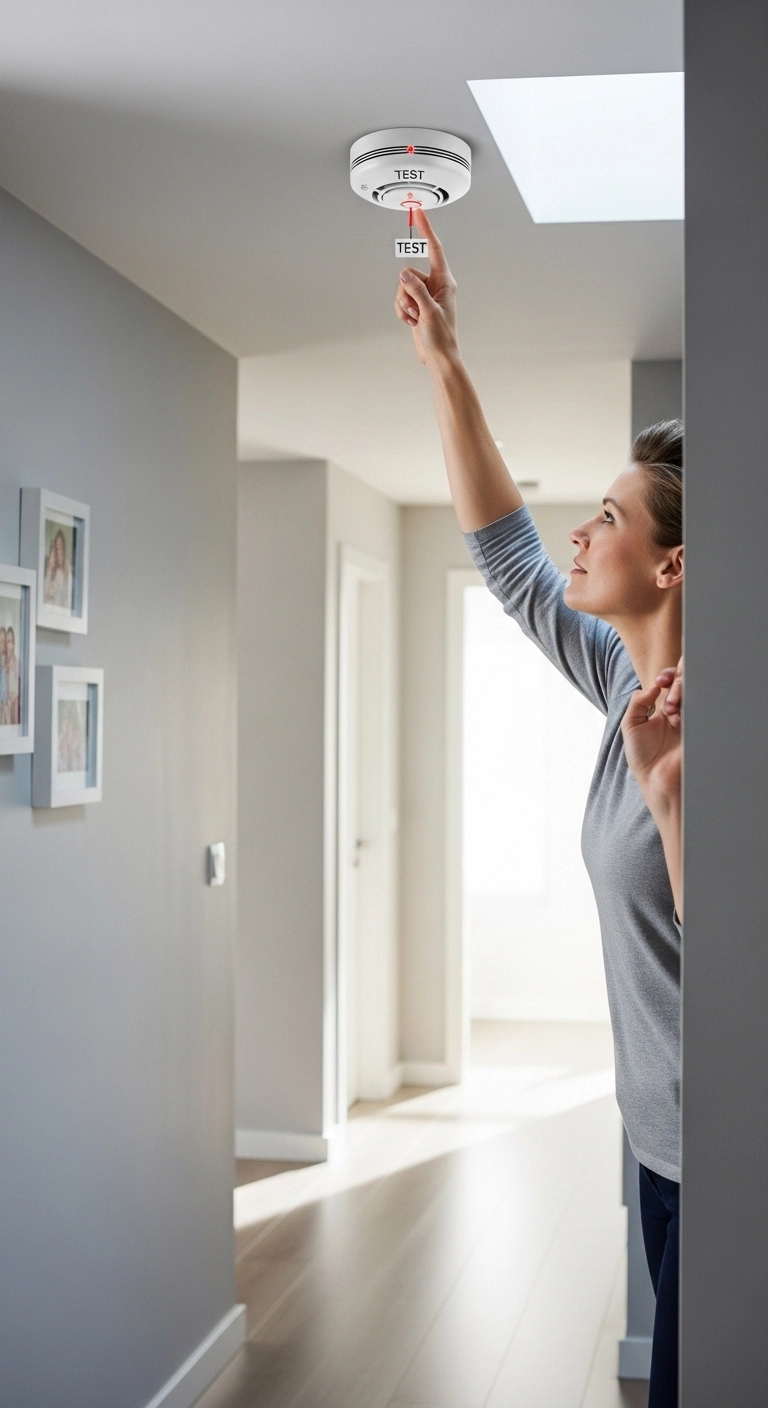
Before you hang curtains or buy new pillows, make sure the home is safe. Test every smoke alarm. If the house has carbon monoxide alarms, test those too. If some alarms do not work, replace them right away. You should also check where the fire extinguisher is, or buy one if the home does not have one.
It’s easy to push this part of the checklist aside, but it should come first. The home should feel warm and safe, not dangerous and unknown. When you’re checking alarms, look at stair rails, window locks, and outdoor lights near doors. These little things help keep your family safe from the start.
Deep clean the home before life gets busy
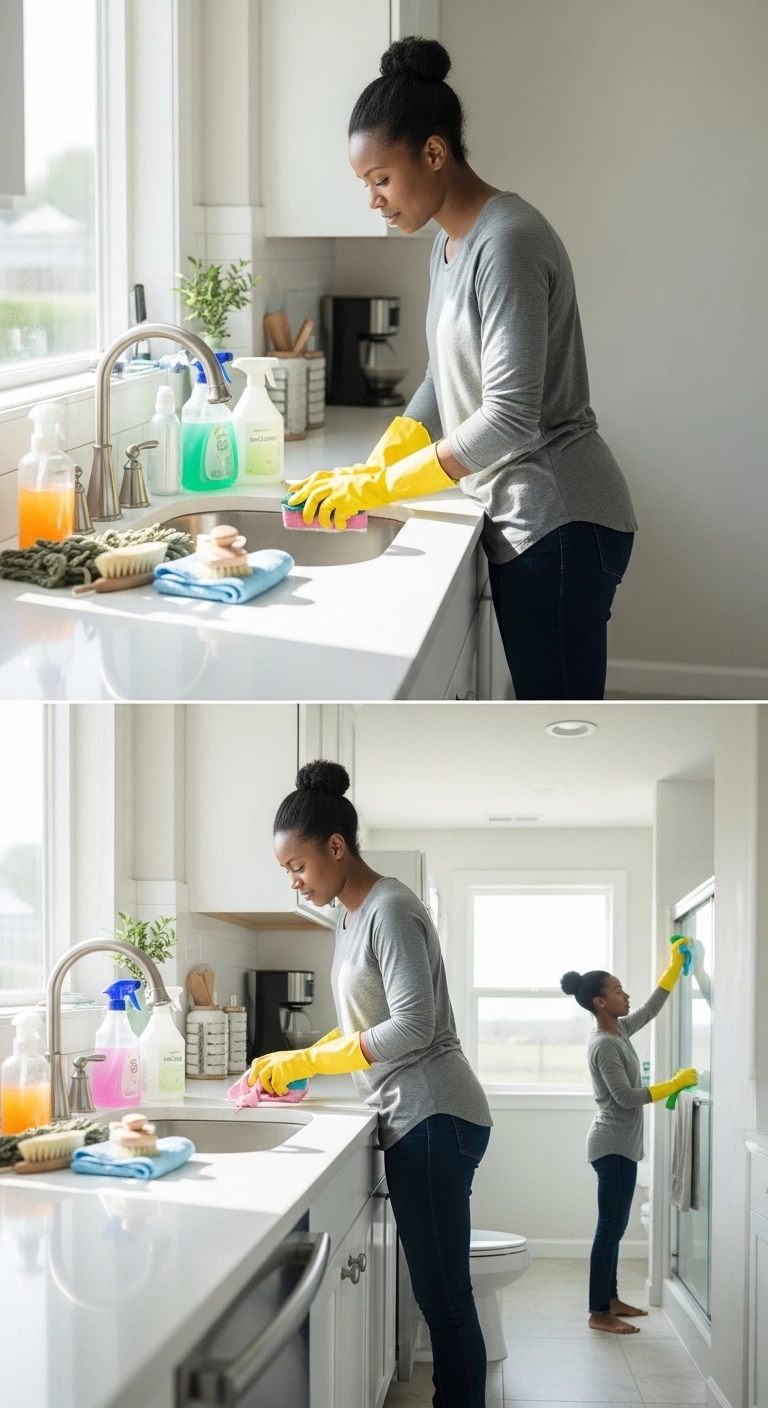
Even if the home looks clean, it still needs your own fresh start. Dust can hide in vents, drawers, shelves, and corners. The fridge may need wiping. The oven may have old grease inside. Bathroom edges may look fine at first glance but still need real cleaning. When you clean now, it is easier because the rooms are still open and not packed with your things.
This first deep clean isn’t just about looks. It helps you learn the house. As you work, you’ll notice peeling paint, loose handles, loose drains, cracked tiles, and small trouble spots. This makes the cleaning task doubly rewarding. By the time you’re done, the house will feel less like someone else’s place and more like yours.
Check every tap, toilet, and drain in the house
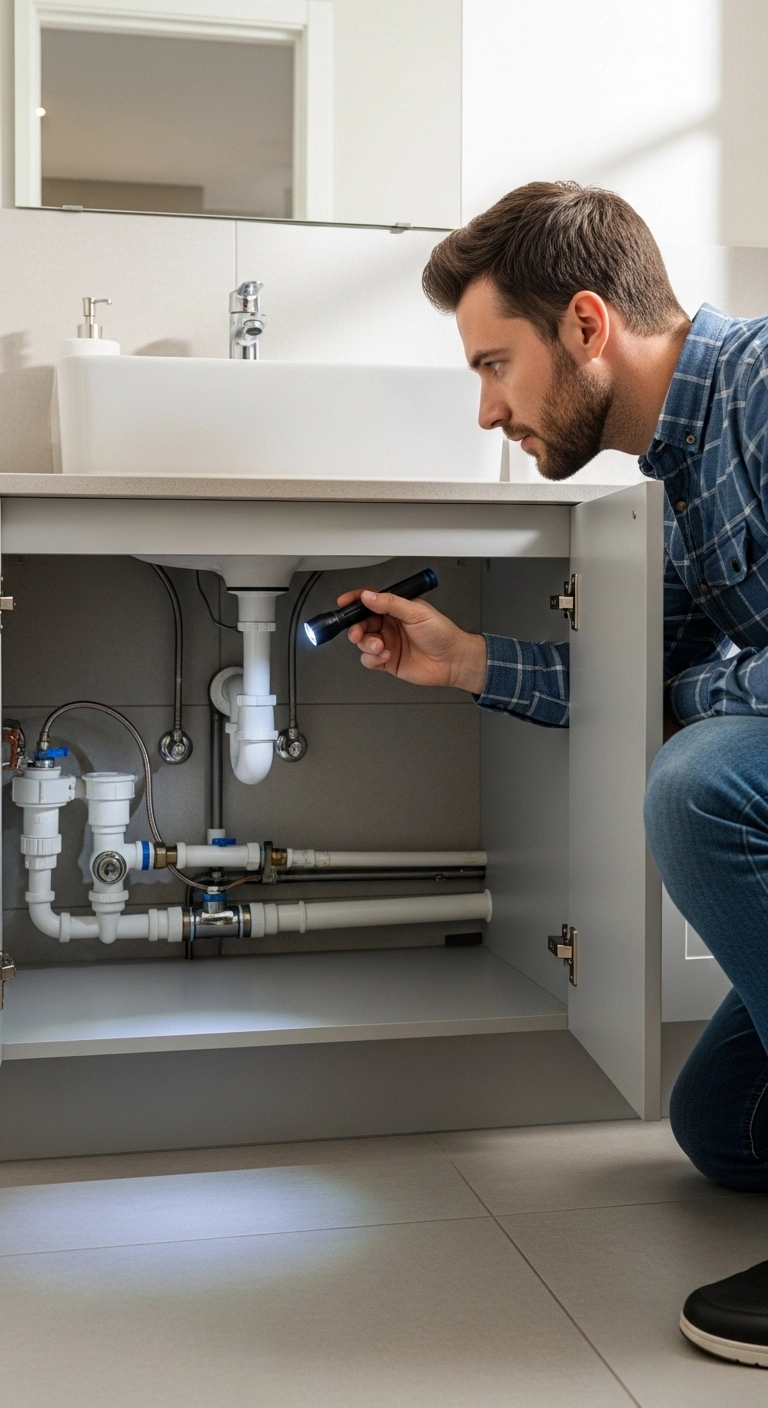
Water can be one of the most expensive problems in a home. That’s why a new homeowner should check every sink, shower, tub, and toilet in the first few days. Turn on the faucets. Let the water run for a while. Check how quickly it drains. Look under each sink. Look for drips, damp wood, or signs of an old leak.
Flush every toilet and listen. A running toilet can waste water and money without you noticing. Check around the base for softness or water marks. Look behind the washing machine if there is one. Check the water heater area too. Small leaks often stay small only for a short time. Catching them early saves a lot later.
Set up your utilities the right way
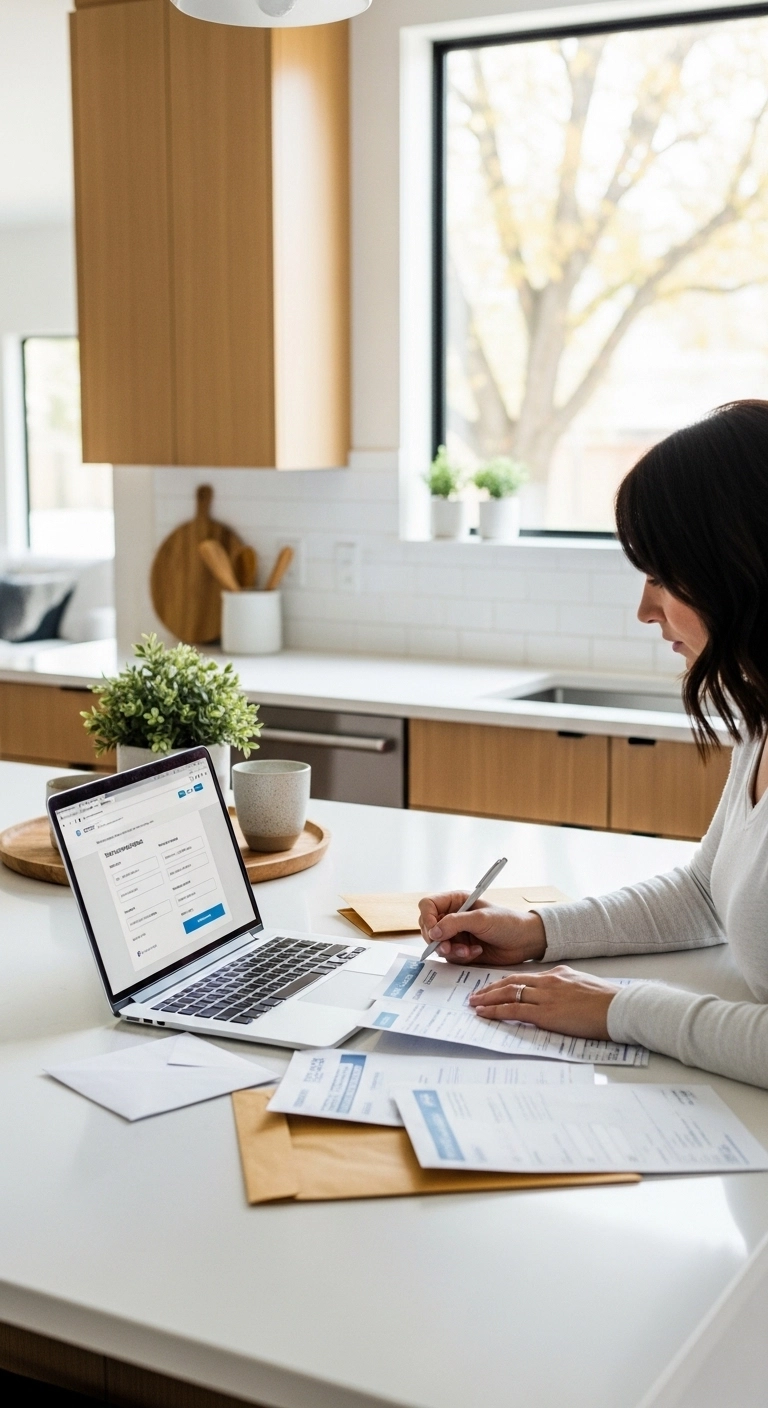
A lot of the stress of moving comes from service issues. You don’t want to find out on your first night that the internet isn’t working or that the electricity bill is still in the old owner’s name. Make sure all utilities are on and connected to your details. This includes water, electricity, gas, internet, garbage service, and any local services that use your area.
Once that is done, keep the account numbers in one place. Write down due dates and set reminders. If you like autopay, wait until the first bill comes and make sure it looks right. It is easier to fix billing issues early than after two or three months. Good setup now makes the home feel steady and easy to manage.
Make one home file for every paper that matters
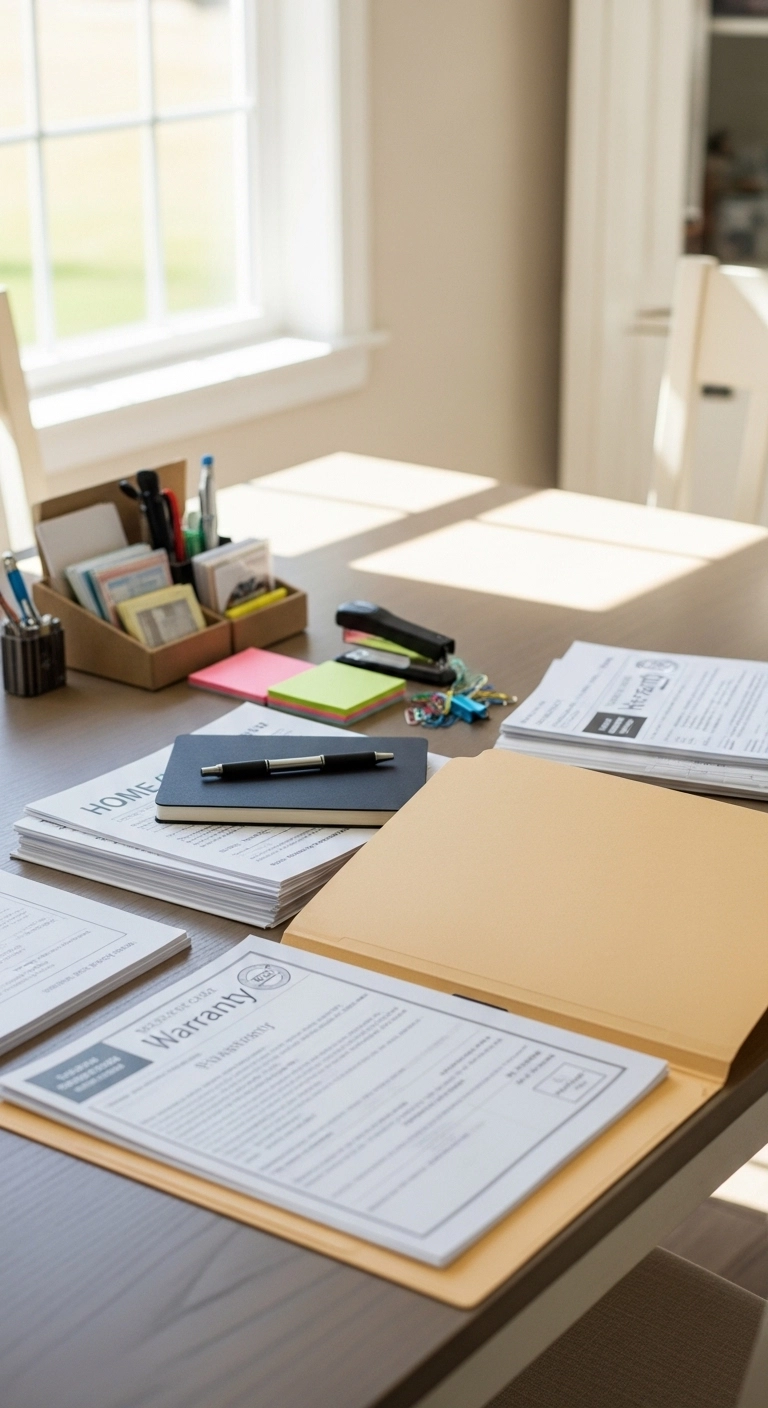
Papers get lost quickly when people move. Closing papers, warranties, repair notes, user manuals, paint color names, receipts, and service cards can end up all over the house. It creates stress when something breaks and you need the details right away. The smart fix is to create a home file from the start.
You can use one folder, one box, or one drawer. You can also keep a digital folder on your phone or laptop. Put all home papers there from day one. If you buy a new appliance, save the receipt. If a plumber comes, save the note. If you paint a room, write down the color. This little system saves time again and again.
Hold off on big shopping until you live in the space

It’s exciting to buy everything at once. A new couch. A new rug. New wall art. New shelves. But most people make better home choices after living in the space for a while. A room can feel bigger or smaller once your daily life begins. Sunlight can hit a wall harder than you think. A chair can block a path you use all the time.
Give yourself time to learn the home before making every big choice. Buy what you need for daily comfort first. Then wait and watch. This helps you avoid waste. It also helps the house grow in a more natural way. A well-set home is not built in one shopping trip. It comes together through real use and smart timing.
Build a small repair fund before you start decorating
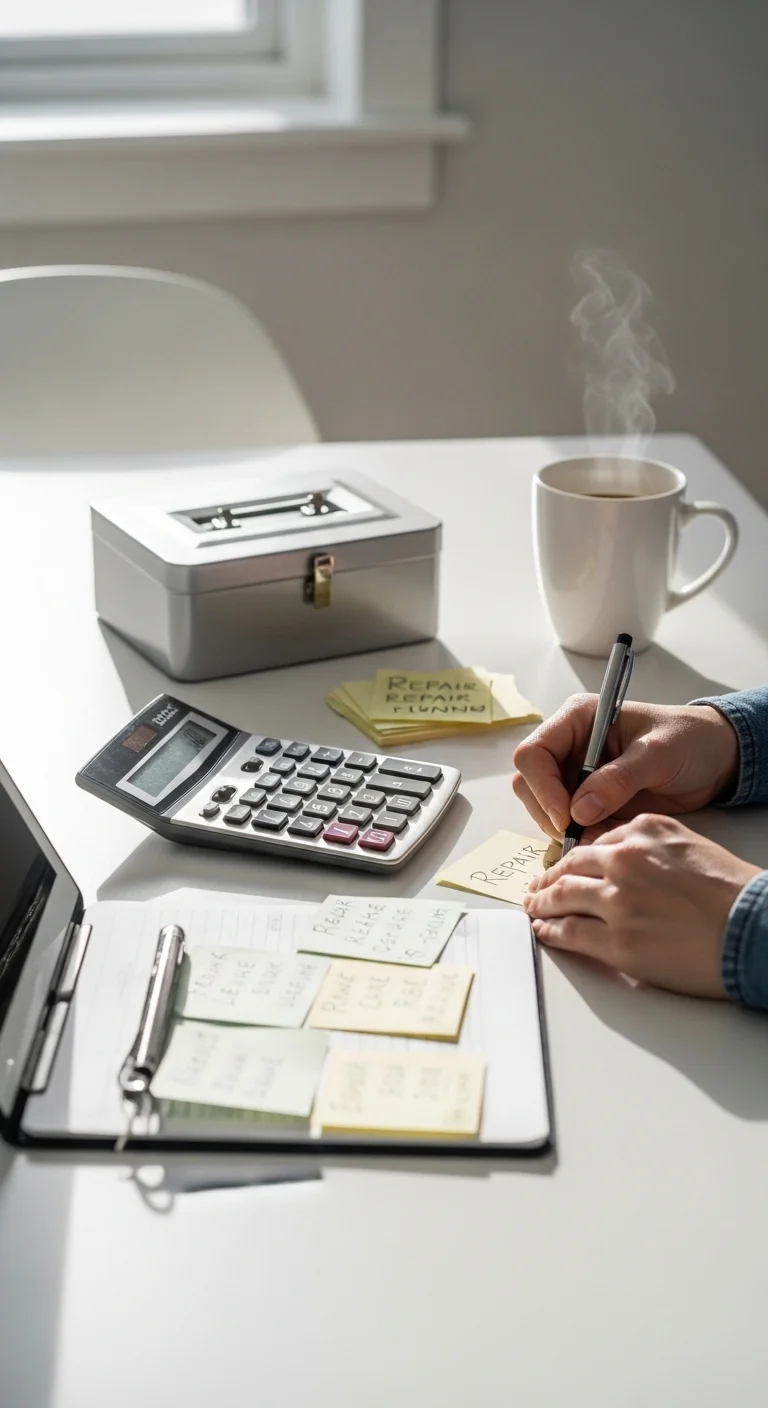
Every house has a surprise. Even a well-kept home can throw a small problem your way in the first month. A lock may stick. A fan may stop working. A pipe may drip. A seal around a tub may need fixing. These are normal homeowner issues, but they feel much worse when you have already spent too much on decor.
That’s why it helps to just set aside some money for the house. It doesn’t have to be huge at first. What’s important is the habit. When you have a repair fund, you make calmer choices. You don’t have to use a credit card for every little thing. And you can enjoy your home more because you know that if something comes up, you’re prepared.
Unpack by daily life, not by room labels
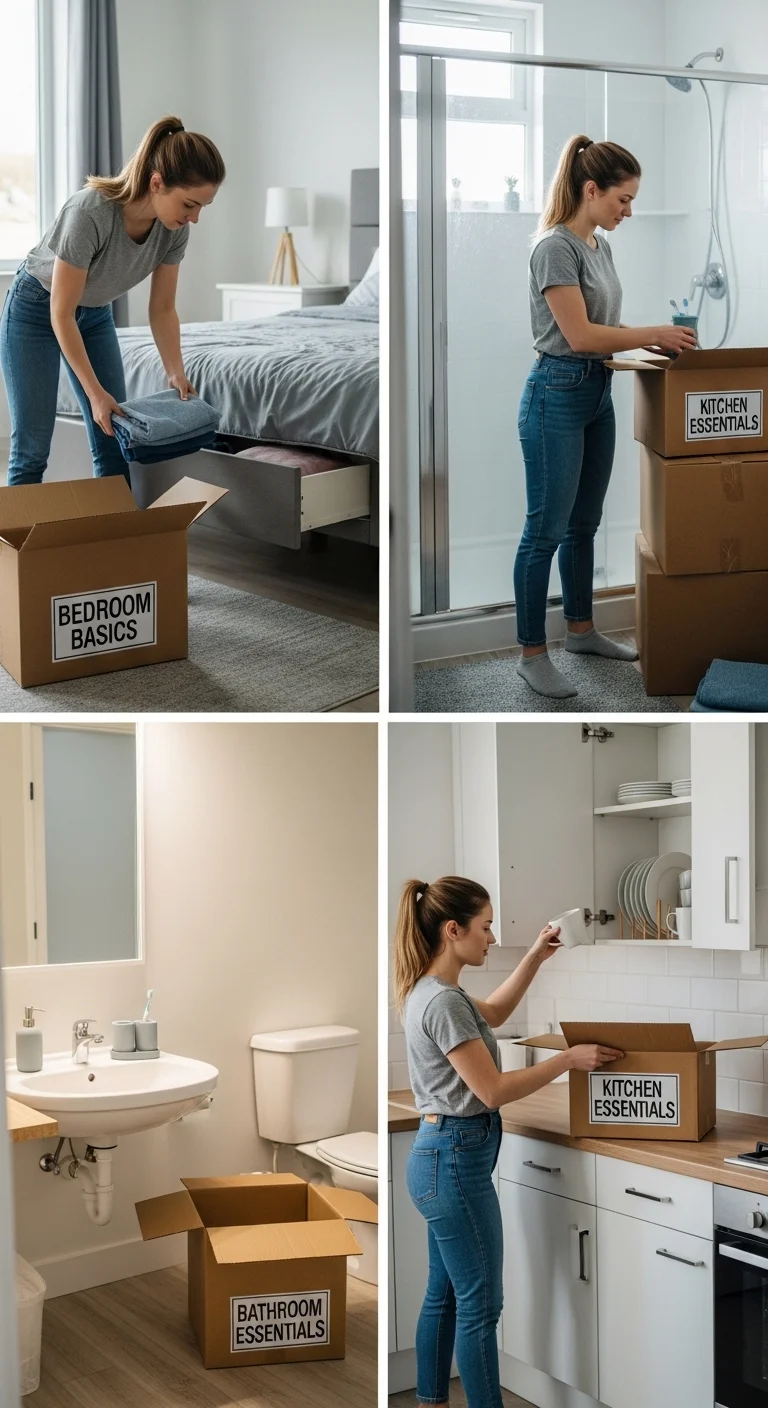
A smart unpacking plan can make the whole move easier. Many people think they need to finish one room at a time, but this often leads to slow progress and stress. A better approach is to unpack according to daily needs first. Set up the bed. Set up the bathroom. Organize the kitchen basics. Create a place to sit and relax.
When those key parts are ready, your home starts working even if many boxes are still closed. You can sleep well, wash up, cook a simple meal, and relax a little. That changes the mood of the whole move. Instead of feeling stuck in chaos, you feel like life has already started. That early comfort matters more than perfect shelves.
Walk through the outside of the home too
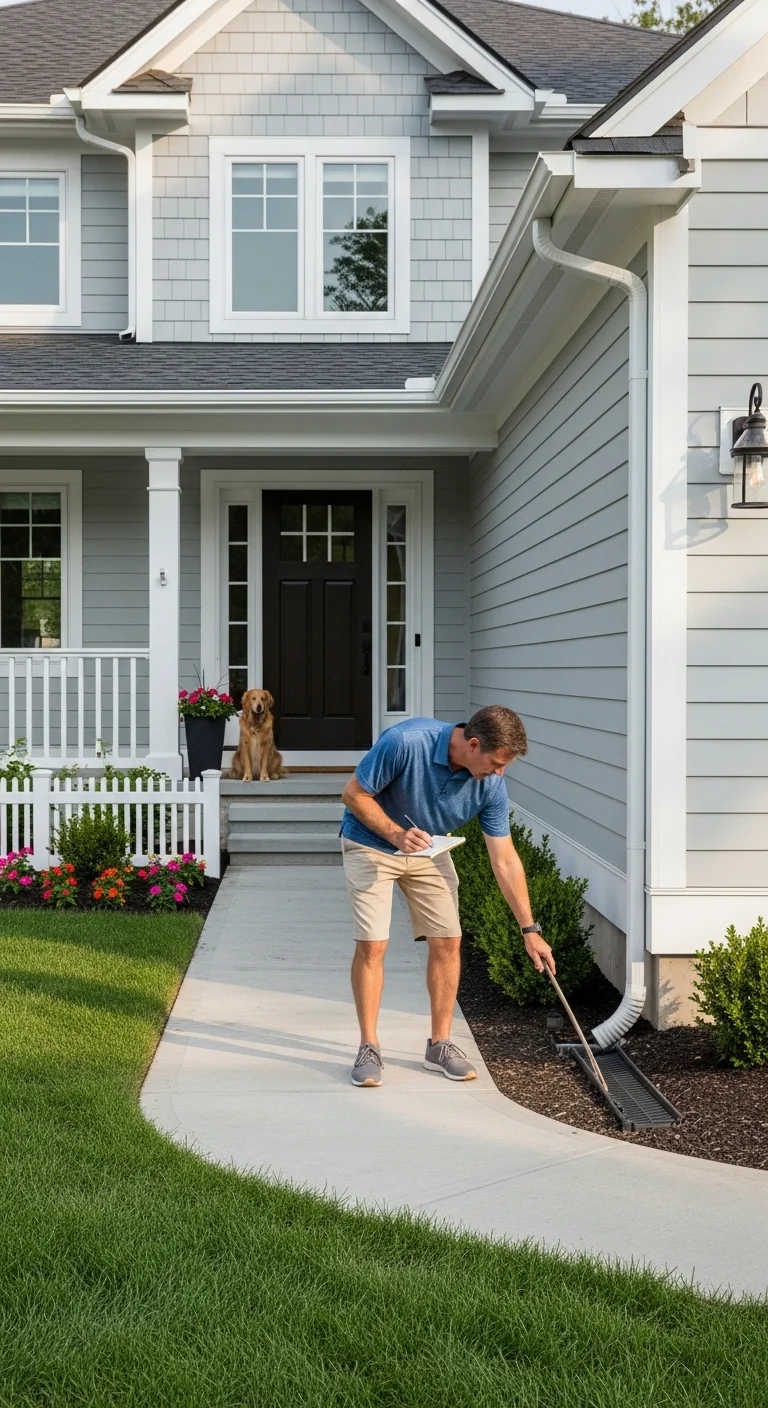
New homeowners often focus only on the inside, but the outside matters just as much. Walk around the house slowly. Look at the roofline from below. Check where rainwater will flow. See if the ground slopes toward or away from the house. Look at steps, rails, outdoor lights, fences, gates, and wall cracks.
This walk outside helps you see the house as a whole property, not just a set of rooms. You may notice branches too close to the roof, potholes in the yard, or deep corners near doors. These things may not seem immediate, but they affect safety, maintenance, and future costs. The sooner you learn about the outside, the better you can protect your entire home.
Change your address and update all key accounts
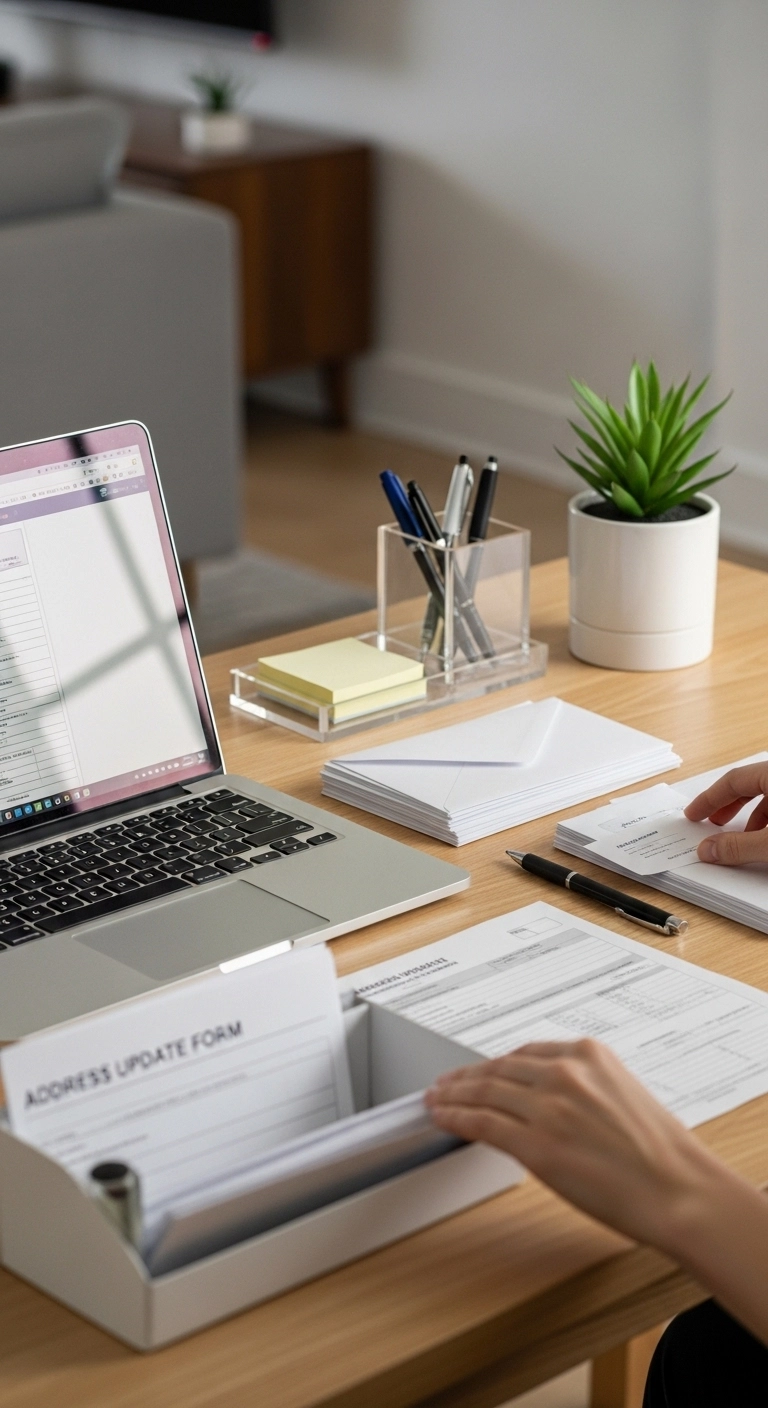
Moving doesn’t end when the boxes arrive. It ends when your records match your new life. Many people update one or two accounts and forget about the rest. That can lead to missed bills, late cards, lost mail, or account problems later. Start with the most important places first, like your bank, work records, insurance, school records, and medical offices.
Then move to the smaller accounts like shopping apps, subscriptions, and delivery services. It helps to do this in one sitting if you can. Keep a list and mark each one off. A full address update may not feel exciting, but it stops a lot of future problems. It also makes your new home feel official in a practical way.
Make a simple 90-day home plan
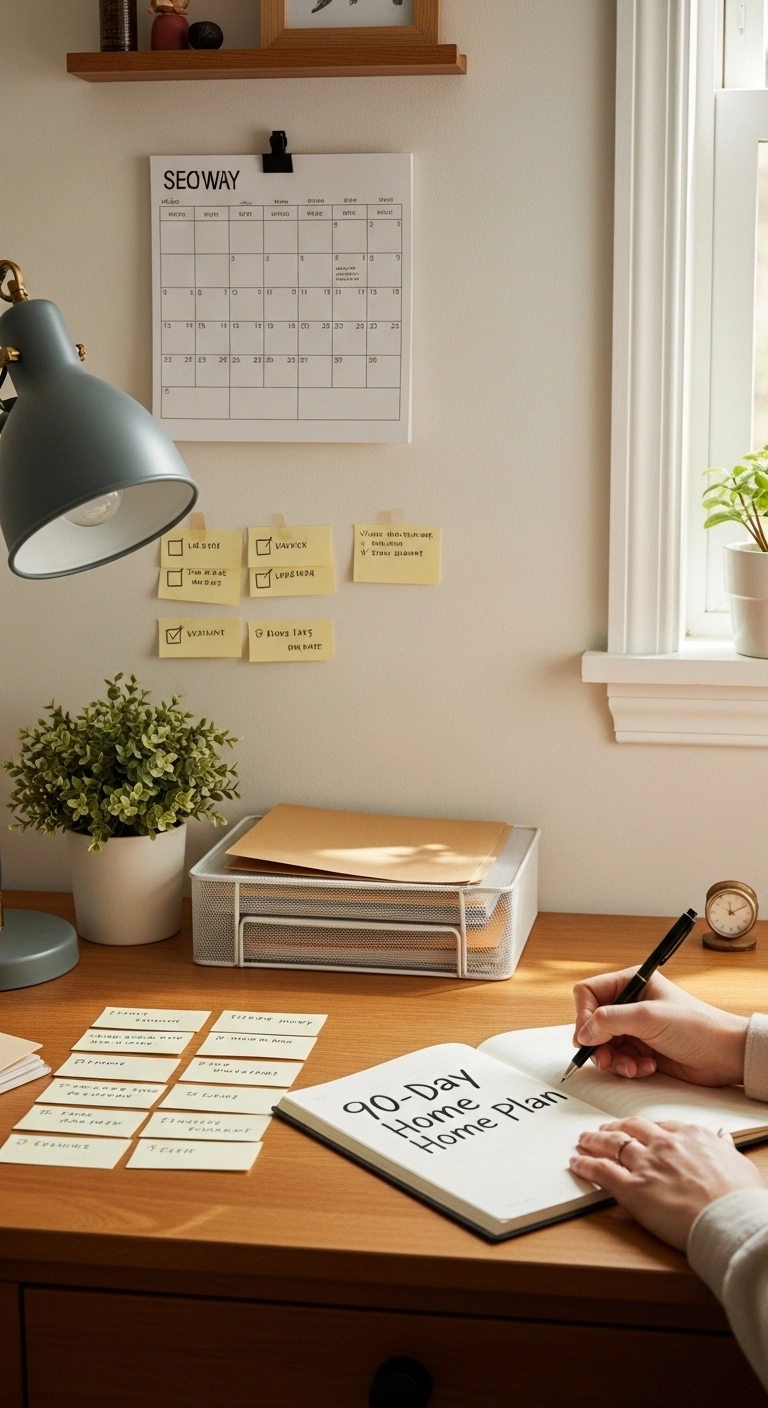
A house needs care all year, but the first three months are special. That is when you are still learning how everything works. A 90-day plan helps you stay ahead. Use it to note the jobs you want to do soon, the things you need to watch, and the repairs that can wait a little. This can be as simple as a note on your phone.
You want to recheck the filters, check for a small stain, fix a sticky door, or seal a bathroom edge. When you write down these jobs, they stop feeling heavy in your mind. Home management becomes easier because you’re not trying to remember everything at once. A simple plan turns a new homeowner into a stable one.
Conclusion
A new home doesn’t have to be perfect on day one. It just needs a good start. When you take care of safety, water, paperwork, utilities, cleaning, and everyday comfort first, the rest becomes easier. You spend less, stress less, and feel more in control.
The best new homeowner checklist is not about buying the most things. It is about doing the right things in the right order. That is what makes a house feel safe, clean, and ready for real life. Start small, stay steady, and let your home come together one smart step at a time.

Muskan Saleem
BukayHome shares practical home decorating ideas, room inspiration, and simple styling tips to help readers create a home they truly love.